
 Tatiana Tantri Indah Sari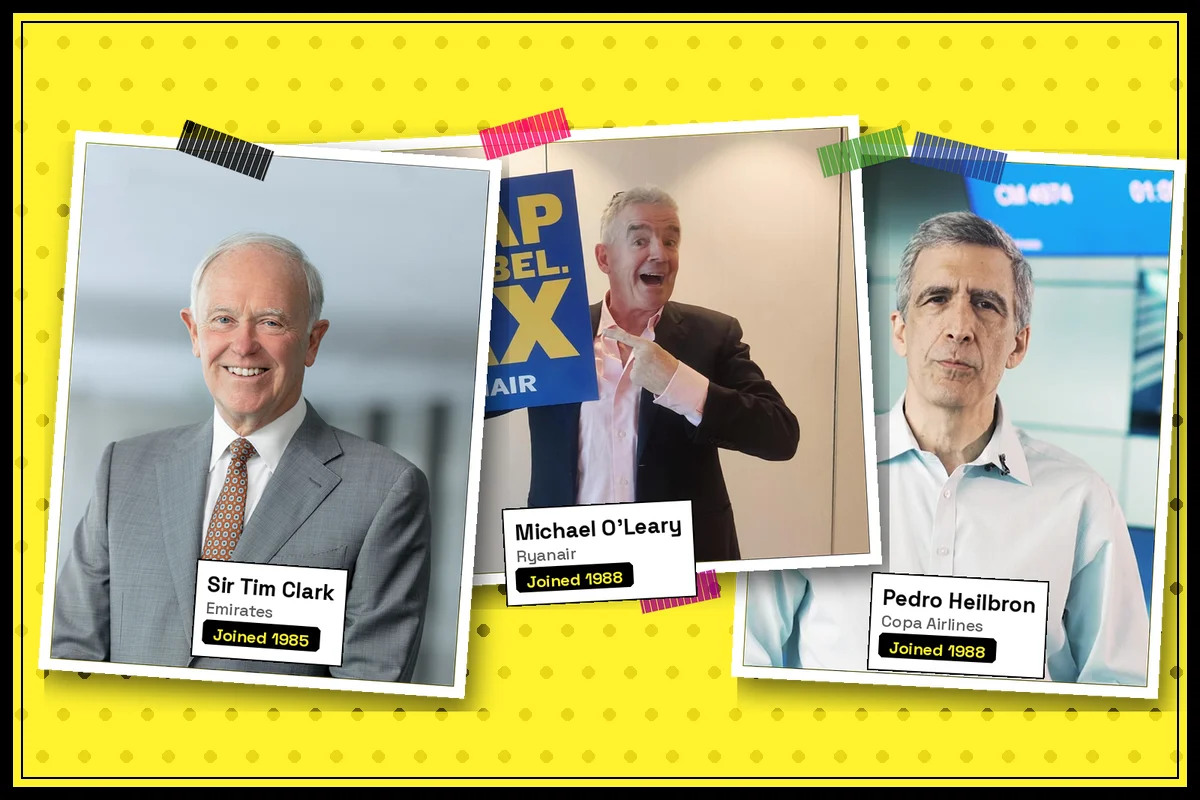
Ryanair has announced a significant extension of Michael O’Leary’s contract as group CEO, securing his leadership until April 2032. This landmark agreement is poised to push O’Leary’s extraordinary tenure at the helm of the Irish low-cost carrier towards four decades, making him one of the longest-serving chief executives in the global aviation industry. By the time this latest contract concludes, O’Leary will have dedicated 44 years to Ryanair, with an astonishing 38 of those spent in the top executive position. This remarkable longevity stands as a testament to his unique leadership style, strategic acumen, and the board’s unwavering confidence in his ability to navigate the increasingly complex and cut-throat landscape of commercial aviation.
A Testament to Longevity in a Volatile Sector
O’Leary’s extended tenure is particularly striking when viewed against the backdrop of pervasive leadership instability across the airline sector. In the past 12 months alone, numerous major carriers globally have undergone significant CEO overhauls. These include prominent names such as Air India, IndiGo, Turkish Airlines, Air Canada, Air New Zealand, Frontier, Avianca, and Malaysia Airlines. Some of these executive departures were the culmination of meticulously planned succession strategies, years in the making. Others, however, represented swift reactions by boards to unforeseen "black swan" events – sudden, high-impact crises ranging from economic downturns and geopolitical conflicts to pandemics, major operational failures, or significant shifts in regulatory environments – that necessitated immediate leadership changes.
The prevailing trend suggests that the era when airlines could reasonably expect to retain the same leader for more than a decade is rapidly becoming the exception rather than the rule. The intense pressures of wafer-thin margins, volatile fuel prices, stringent regulatory frameworks, complex labour relations, rapid technological advancements, and evolving consumer demands contribute to a high-stress environment that often precipitates frequent changes at the top. Yet, a select, elite group of executives, of whom O’Leary is arguably the most prominent, continues to defy this trend, demonstrating an unparalleled ability to adapt, innovate, and maintain shareholder confidence over extended periods.
The O’Leary Era: A Chronology of Transformation
Michael O’Leary’s journey with Ryanair began in 1988, initially as an advisor to Tony Ryan, the airline’s founder. At that time, Ryanair was a fledgling regional airline, established in 1985, struggling to compete with the entrenched national carriers, Aer Lingus and British Airways, on lucrative routes between Ireland and the UK. O’Leary quickly recognised the inefficiencies and the potential for a radically different operational model.
From Regional Carrier to European Giant:
In 1994, O’Leary was appointed CEO, a pivotal moment that marked the true beginning of Ryanair’s transformation. Inspired by the pioneering low-cost model of Southwest Airlines in the United States, O’Leary embarked on an aggressive strategy to strip back every non-essential cost. Key tenets of this strategy included:
- Single Aircraft Type: Standardising on the Boeing 737 family significantly reduced maintenance, training, and operational costs.
- Point-to-Point Routes: Bypassing major hub airports in favour of smaller, often cheaper, secondary airports with lower landing fees and faster turnaround times.
- Unbundled Fares: Introducing a "no-frills" approach where the basic fare covered only the seat, with all other services (checked baggage, seat selection, in-flight refreshments) offered as optional, chargeable extras. This revenue diversification model proved immensely successful.
- Direct Sales: Prioritising online bookings to circumvent travel agent commissions.
- Aggressive Marketing: Employing controversial and often attention-grabbing advertising campaigns that solidified Ryanair’s brand as the ultimate budget airline.
Under O’Leary’s relentless drive, Ryanair’s growth exploded following the deregulation of the European aviation market in the mid-1990s. The airline went public in 1997, raising capital that fuelled rapid expansion across Europe. By the turn of the millennium, Ryanair had established itself as a formidable force, challenging the dominance of legacy carriers and popularising air travel for millions who previously found it unaffordable.
Navigating Crises and Sustaining Growth:
O’Leary’s tenure has not been without significant challenges. He successfully guided Ryanair through the aftermath of the 9/11 attacks, the 2008 global financial crisis, and numerous economic downturns and periods of severe fuel price volatility. Each crisis tested the airline’s resilience, yet O’Leary consistently reaffirmed Ryanair’s commitment to its low-cost model, often emerging stronger by capitalising on market dislocations and competitors’ weaknesses.
A notable period of adaptation occurred in the mid-2010s. Facing increased competition, some criticism regarding customer service, and growing passenger expectations, Ryanair launched its "Always Getting Better" (AGB) program. This initiative saw the introduction of allocated seating, a second free carry-on bag, reduced change fees, and a redesigned website, demonstrating a willingness to evolve certain aspects of its offering without fundamentally compromising its cost-conscious ethos. While these changes were initially viewed as a softening of O’Leary’s hardline approach, they proved strategically astute, attracting a broader demographic of travellers.
Post-Pandemic Resurgence and Future Horizons:
The COVID-19 pandemic represented arguably the greatest challenge to the aviation industry in history. Ryanair, under O’Leary, responded decisively, grounding much of its fleet but maintaining its core operational infrastructure to be ready for recovery. O’Leary was a vocal critic of what he perceived as excessive state aid to national carriers, arguing that it distorted competition. Post-pandemic, Ryanair has been one of the quickest airlines to rebound, leveraging its strong balance sheet, efficient cost base, and extensive network to capture pent-up travel demand. The airline also committed to significant orders for the more fuel-efficient Boeing 737 MAX aircraft, signaling its long-term growth ambitions and commitment to modernising its fleet, while also addressing environmental concerns with lower emissions per passenger.
Data-Driven Dominance: Ryanair’s Unparalleled Metrics
The quantitative achievements under Michael O’Leary’s leadership are staggering and underscore the rationale behind the board’s decision.
Passenger Volume and Fleet Expansion:
When O’Leary became CEO, Ryanair carried approximately 800,000 passengers annually. By the end of the fiscal year 2023, the airline had reported carrying over 168 million passengers, a phenomenal increase that solidifies its position as Europe’s largest airline group by passenger numbers. The fleet has expanded from a handful of aircraft to well over 500 Boeing 737s, with substantial orders placed for future deliveries, projecting a fleet size exceeding 600 aircraft by the mid-2020s. This aggressive expansion has allowed Ryanair to establish an unparalleled network across Europe, North Africa, and the Middle East, serving over 225 airports and connecting hundreds of routes.
Financial Performance and Market Leadership:
Ryanair’s financial performance under O’Leary has been consistently robust, often leading the industry in terms of profitability and operating margins. While exact figures fluctuate with market conditions, the airline has reported pre-tax profits regularly exceeding €1 billion in strong years, a feat few European carriers can match. This profitability is largely driven by its industry-leading cost per available seat kilometre (CASK), which remains among the lowest globally. This efficiency allows Ryanair to offer highly competitive fares while maintaining healthy profit margins, even amidst intense competition. The airline’s market capitalisation has grown exponentially, delivering significant returns to shareholders over decades, a powerful endorsement of O’Leary’s strategic direction. Its strong balance sheet, characterised by substantial cash reserves and relatively low debt, further distinguishes it in a capital-intensive industry.
Contrasting Fortunes: CEO Turnover Across the Globe
The airline industry’s inherent volatility makes long-term leadership an anomaly. The reasons for frequent CEO changes are multifaceted:
The Volatility of Airline Leadership:
- Thin Margins: Airlines typically operate on razor-thin profit margins, making them highly susceptible to external shocks. Even minor fluctuations in fuel prices, currency exchange rates, or demand can quickly push a carrier into the red, often leading to calls for new leadership.
- Operational Complexity: Managing an airline involves immense operational complexity, from intricate scheduling and maintenance to labor relations with multiple unions and navigating diverse regulatory environments across jurisdictions. Failures in any of these areas can have immediate and severe consequences.
- Geopolitical and Economic Shocks: The industry is acutely vulnerable to global events, such as recessions, wars, terrorist attacks, and pandemics, all of which can decimate demand and necessitate radical strategic shifts that new leadership is often brought in to execute.
- Technological Disruption: Rapid advancements in areas like digital booking, data analytics, and sustainable aviation technologies require continuous adaptation, placing pressure on leaders to keep their airlines at the forefront of innovation.
Black Swan Events and Boardroom Shifts:
Recent CEO changes illustrate these pressures. For instance, the post-pandemic recovery period has seen several airlines recalibrate their strategies, sometimes necessitating a change at the top to steer new directions in sustainability, fleet modernisation, or market positioning. Air India’s leadership change came amidst its privatisation and ambitious restructuring plans under new ownership. Frontier Airlines’ shift occurred as the ultra-low-cost carrier navigated a dynamic domestic market and considered strategic mergers. Such events underscore that even well-established airlines are not immune to the forces that demand fresh perspectives and renewed vigour at the executive level.
Implications of Enduring Leadership
Michael O’Leary’s extended contract carries significant implications for Ryanair, the broader aviation industry, and discussions around corporate governance.
Strategic Continuity for Ryanair:
For Ryanair, the primary benefit of O’Leary’s extended tenure is unparalleled strategic continuity. Investors and employees can expect a steadfast adherence to the ultra-low-cost model, which has been the bedrock of the airline’s success. This means continued aggressive expansion, meticulous cost control, and a relentless focus on efficiency. The airline is likely to maintain its assertive stance in pricing, challenging competitors across Europe. This predictability can be a significant advantage in an otherwise turbulent market, allowing for long-term planning and consistent execution of its growth strategy, including the integration of new aircraft and the opening of new bases.
Industry-Wide Competitive Dynamics:
O’Leary’s continued leadership means that the competitive pressure he has famously exerted on both legacy carriers and other low-cost airlines will persist. Ryanair’s sheer scale, combined with its operational efficiency, sets a high bar for competitors. This forces other airlines to continually review their own cost structures, pricing strategies, and service offerings. The ripple effect of Ryanair’s aggressive growth under O’Leary has fundamentally reshaped European air travel, driving down fares across the board and making air travel accessible to a wider demographic. His continued presence ensures that this transformative pressure will not abate.
Questions of Succession and Governance:
While the extension provides stability, it also pushes the critical issue of succession planning further into the future. For a company of Ryanair’s size and complexity, having a clear and well-developed succession plan is paramount for long-term health. While O’Leary’s continued presence provides a steady hand, it also potentially delays the grooming and elevation of internal talent for the top job. Boards typically strive for a balance between stability and the infusion of new perspectives. In this instance, Ryanair’s board has clearly prioritised the proven track record and indispensable experience of its incumbent leader, indicating that the perceived risks of a leadership change currently outweigh the benefits of an immediate succession. This decision reflects a particular governance philosophy that values singular, long-term leadership over a more rotational approach, a model that has undeniably delivered exceptional results for Ryanair.
Analyst Perspectives and Future Outlook
Industry analysts have largely reacted to the news with an understanding of O’Leary’s unique position. Many acknowledge his unparalleled track record in value creation and his ability to navigate crises. They view the extension as a vote of confidence that signals continued aggressive market expansion and cost leadership. However, some also point to potential long-term questions regarding innovation and the challenges of maintaining dynamism under such an extended leadership. The aviation industry is evolving rapidly, particularly concerning sustainability and digital transformation. While O’Leary has shown adaptability, the sheer length of his tenure could, in theory, present a risk if future challenges demand a radically different strategic vision.
Nonetheless, the immediate outlook for Ryanair under O’Leary remains one of robust growth and continued market dominance. His commitment to the airline’s core principles, coupled with his willingness to adapt tactically, positions Ryanair strongly for the foreseeable future. As the industry continues to recover and expand, O’Leary’s extended mandate ensures that one of aviation’s most influential and iconic figures will continue to shape its trajectory for years to come.




 Anjar Salim
 Chandra Hamzah
 Budi Mulyono

