
 Diana Nuri Rohmawati
The global travel industry is currently undergoing a fundamental paradigm shift, moving away from "extractive" tourism—characterized by brief, passive visits to landmark sites—toward "embedded" travel experiences. This transition is marked by a growing preference for long-term stays, local economic integration, and community-based contribution. While traditional tourism often relies on a surface-level engagement with a destination, a rising demographic of "deep travelers" is seeking to transcend the role of the spectator. This shift is most evident in the increasing popularity of working holidays and structured volunteer programs, which prioritize relationship-building and cultural immersion over traditional sightseeing.
The Decline of Extractive Tourism and the Rise of the Embedded Traveler
For decades, the standard model of international travel has been criticized for its extractive nature. In this model, travelers move through a location quickly, consuming resources and services without establishing a meaningful connection to the local population or economy. Industry data suggests that while this "bucket list" approach remains common, younger cohorts—specifically Gen Z and Millennials—are increasingly dissatisfied with the isolation of the tourist experience. According to recent travel trend reports, over 70% of travelers in these age groups now prioritize "authentic" experiences that allow them to live like locals.
The challenge of achieving this level of immersion, however, remains significant. For the average traveler, language barriers, visa complexities, and the transient nature of short-term trips prevent deep integration. Most locals do not seek deep social bonds with temporary visitors, creating a natural divide between the "tourist" and the "resident." To bridge this gap, travelers are turning to extended stays that involve active contribution, such as employment or volunteer work, which provides a functional role within the community.
Working Holidays: The Democratic Alternative to Digital Nomadism
Over the last decade, the "digital nomad" lifestyle—working remotely while traveling—became the primary aspirational model for long-term travel. However, this model is inherently exclusionary, requiring a pre-existing remote career, a stable high-currency income, and significant professional autonomy. Analysis of the current global labor market suggests that a more accessible and sustainable alternative is the "working holiday."
Unlike digital nomads, who often live in "expat bubbles" or coworking spaces, working holiday makers integrate directly into the local economy. By securing employment in hospitality, agriculture, education, or childcare within the host country, these travelers engage with local coworkers, adhere to local schedules, and contribute to the local tax base. This "grounded" version of global mobility allows participants to build a life rather than a temporary routine. The barrier to entry is significantly lower; instead of requiring a tech-based business, participants only need a willingness to work and the legal framework to do so.
The Role of Structured Support: A Case Study of Global Work & Travel
As the demand for long-term travel has grown, the logistics of moving abroad have become more complex. Navigating foreign labor laws, securing housing, and managing visa quotas can be prohibitive for individual travelers. This has led to the rise of specialized organizations that provide the "scaffolding" for international placements.
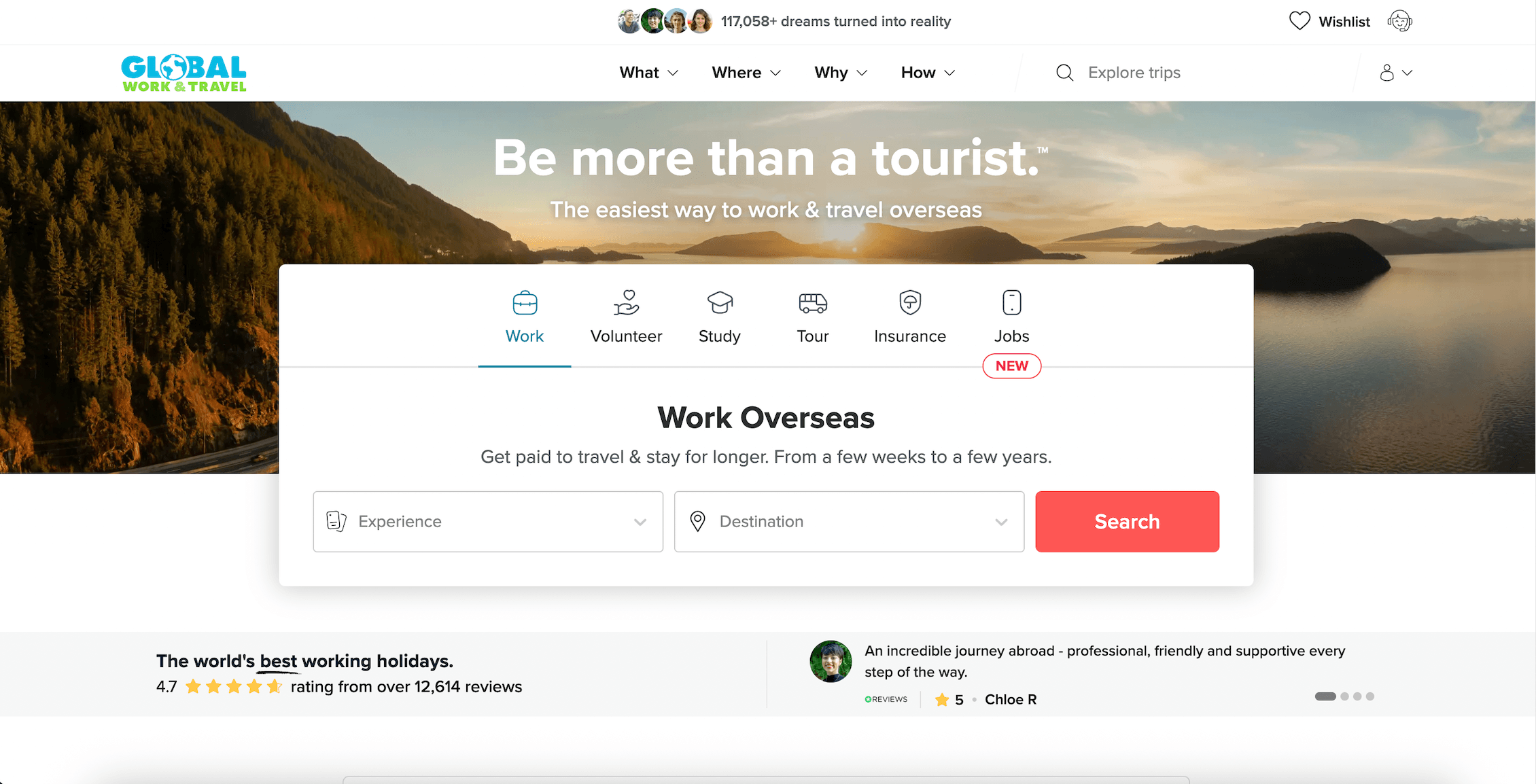
Global Work & Travel, currently the world’s largest gap year company, has spent nearly two decades facilitating these transitions. Since its inception, the organization has assisted over 116,000 individuals in securing working holidays, internships, and teaching positions across the UK, Europe, the Americas, Asia, Africa, and the Pacific.
The evolution of such companies reflects a broader trend in the travel industry: the professionalization of the gap year. By offering pre-departure support, visa guidance, and a centralized management platform—such as the gWorld portal—these organizations mitigate the risks associated with moving to a foreign country. This support structure is often the deciding factor for first-time travelers who might otherwise be deterred by the administrative hurdles of international relocation.
Chronology of the Modern Working Holiday Process
For those seeking to transition from tourism to embedded travel, the process typically follows a structured timeline designed to ensure legal compliance and financial stability:
- Initial Research and Goal Setting (12 Months Out): Travelers identify a destination and the type of experience desired, whether it be a paid working holiday in the UK, an internship in Australia, or a teaching placement in Thailand.
- Financial Planning and Deposit: Participants often begin the process with a small initial commitment. Modern providers have introduced "lifetime deposit" policies, ensuring that funds remain valid even if travel dates shift due to global or personal circumstances.
- Visa Application and Documentation (6–9 Months Out): This is the most critical phase, involving the navigation of specific visa quotas. Working holiday visas are generally available to individuals aged 18 to 35, depending on the bilateral agreements between countries.
- Job Matching and Placement: Organizations coordinate with local employers to secure positions before the traveler arrives, reducing the financial risk of unemployment upon landing.
- Pre-Departure Training: For specialized roles, such as English teaching, participants undergo TEFL (Teaching English as a Foreign Language) certification.
- Arrival and Integration: Upon arrival, travelers are integrated into a community of like-minded individuals through dedicated apps and local support networks, facilitating immediate social and professional connections.
Ethical Volunteering and Community Impact
Volunteering abroad, often termed "voluntourism," has faced significant scrutiny over the past twenty years. Critics argue that poorly managed programs can be profit-driven and offer little benefit to local communities. In response, the industry has moved toward more rigorous vetting processes and ethical frameworks.
Current best practices in volunteer travel emphasize long-term sustainability and local agency. Programs focused on wildlife conservation in South Africa, community development in Zanzibar, or elephant rehabilitation in Thailand are now evaluated based on their alignment with local priorities.
Furthermore, some organizations have established dedicated funds, such as the Global Animal Welfare Fund, to ensure that financial resources are channeled directly into conservation projects. This shift ensures that the traveler’s presence is not merely a "feel-good" exercise but a contribution to a documented need defined by the host community. For the traveler, this offers a shift in perspective that is unattainable through traditional sightseeing, providing a deeper understanding of the ecological and social challenges faced by different regions.
Economic and Professional Implications
The benefits of a working holiday or an international internship extend beyond personal growth; they have tangible impacts on career trajectories. In an increasingly globalized economy, employers value "soft skills" such as cross-cultural communication, adaptability, and independence. International work experience on a resume serves as a signal of these attributes.
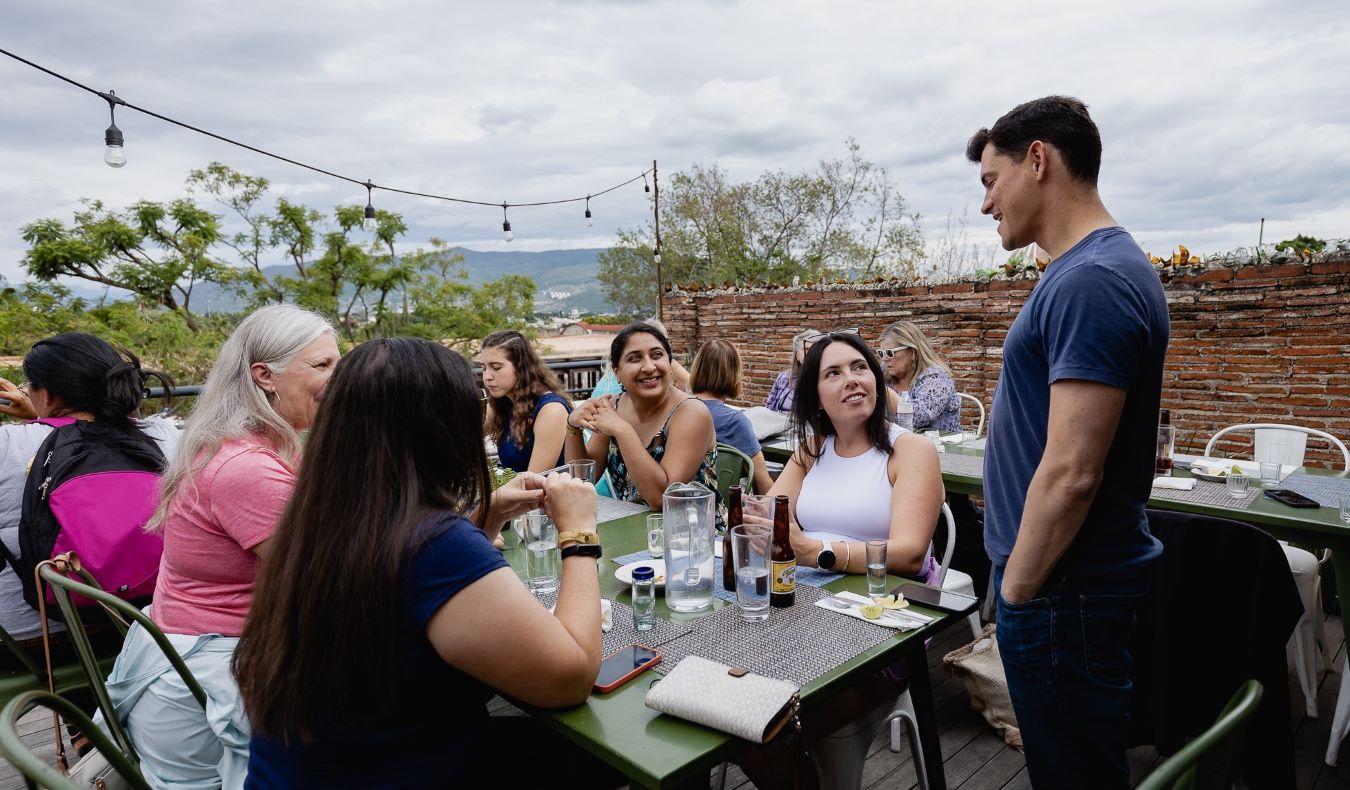
From a financial perspective, working holidays make long-term travel viable for those without significant savings. By earning a local wage, travelers can offset their cost of living, allowing them to stay in a country for a year or more. This duration is essential for discovering "hidden" local spots and understanding the nuances of daily life that are invisible to the two-week vacationer.
Safety, Financial Security, and Consumer Protection
As the scale of international travel grows, so does the importance of consumer protection. The travel industry has seen a rise in membership in financial security services and the implementation of more flexible booking policies. For travelers, the safety net provided by established organizations includes 24/7 ongoing assistance and membership in consumer protection groups.
For solo travelers—who represent a significant portion of the working holiday demographic—these structured programs provide a vital social safety net. The transition from a solo traveler to a member of a local workforce or a volunteer team effectively eliminates the isolation often associated with long-term solo journeys.
Conclusion: The Future of Global Connectivity
The shift toward deep travel represents a maturing of the global tourism industry. As travelers move away from the "extractive" habits of the past, the focus is turning toward a model of global citizenship that emphasizes contribution, duration, and mutual respect. Whether through a working holiday in a bustling European city or a conservation project in a remote African community, the goal is the same: to move from being a visitor to being a participant.
By removing the logistical barriers to international work and volunteering, structured programs are making it possible for a broader range of people to experience the world in a meaningful way. This evolution suggests that the most impactful travel experiences of the future will not be measured by the landmarks visited, but by the relationships built and the contributions made during an extended stay. For those willing to navigate the logistics and commit to the journey, the rewards of "doing something deep" far outweigh the convenience of a traditional vacation.


 Anjar Salim
 Chandra Hamzah
 Tatiana Tantri Indah Sari
 Budi Mulyono
 Lukman Taruna Persada Ramadan
