
 Gabriela Annisa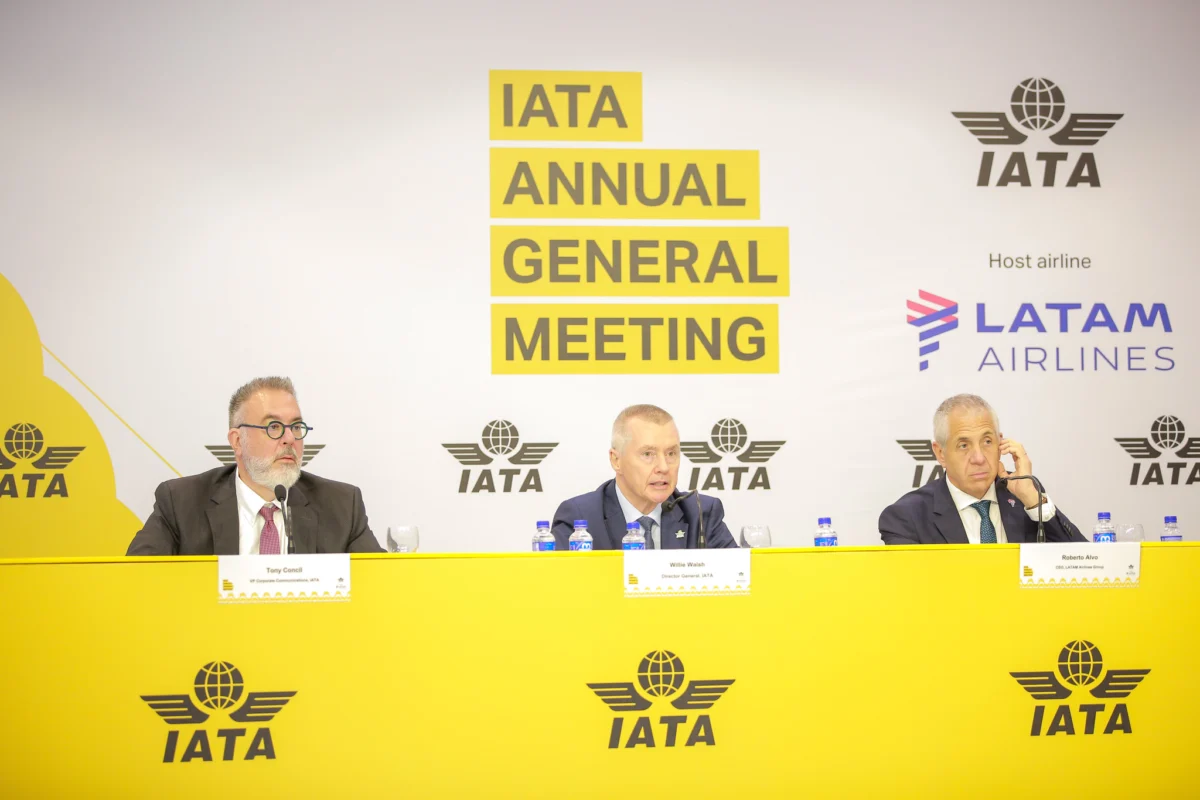
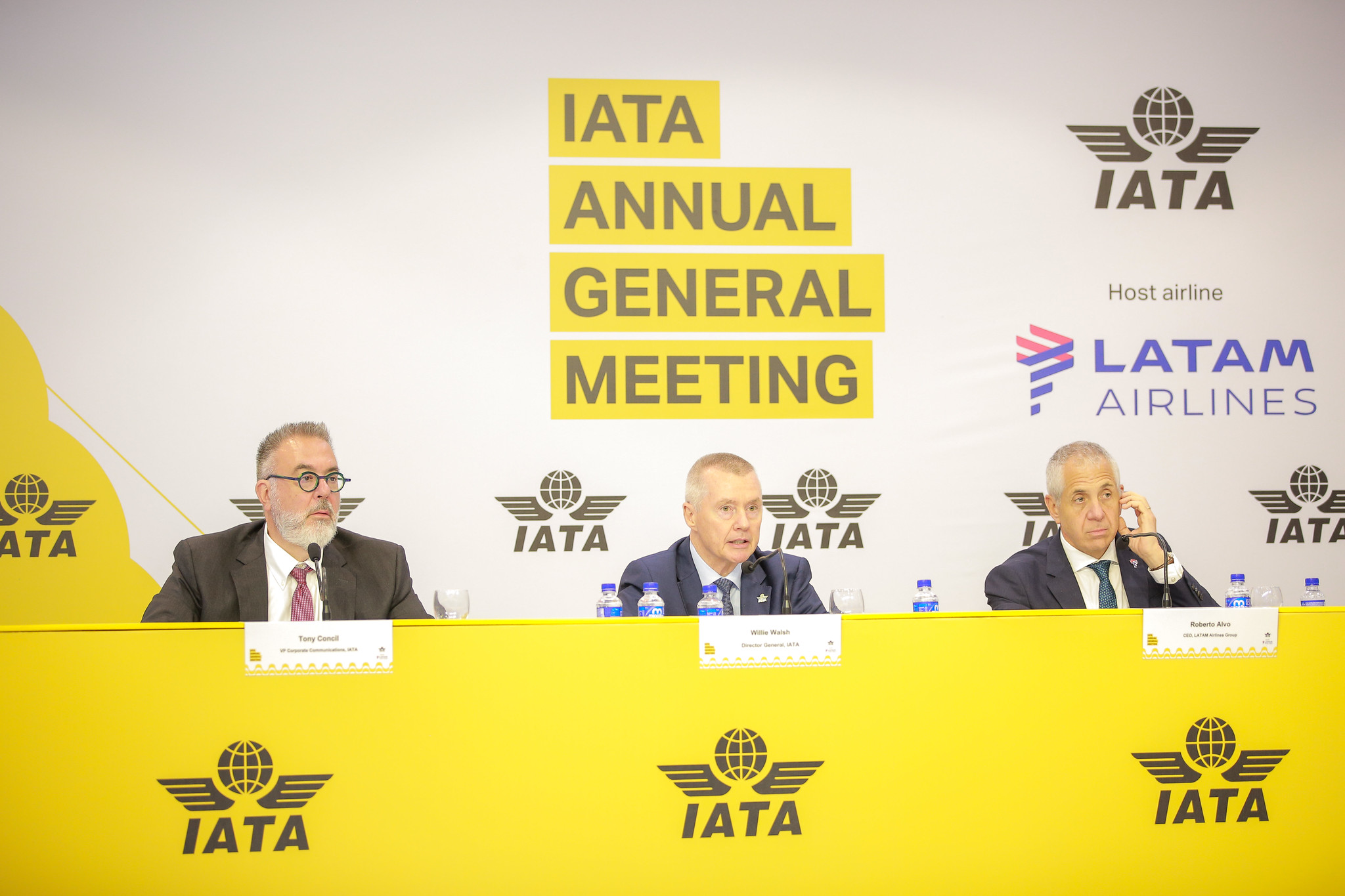
Rio de Janeiro, Brazil – The International Air Transport Association (IATA) Annual General Meeting (AGM) 2026 concluded its proceedings in Rio de Janeiro, Brazil, drawing aviation leaders from across the globe to deliberate on the industry’s most pressing challenges and opportunities. While the global agenda focused on critical themes such as sustainability, profitability, and digital transformation, a significant portion of the post-event analysis, as highlighted by aviation experts Gordon Smith and Jay Shabat, turned to the host nation itself. Brazil, one of the world’s largest and most dynamic aviation markets, presents a unique case study due to its highly consolidated airline sector, a characteristic that profoundly influences everything from passenger pricing and route availability to the competitive landscape for potential new entrants. The discussions underscored the delicate balance between market efficiency, consumer welfare, and sustainable growth in a vast, economically complex nation.
The IATA Annual General Meeting: A Global Forum for Aviation Leaders
The IATA AGM is the aviation industry’s most significant annual gathering, bringing together CEOs and senior executives from IATA’s 300 member airlines, which collectively account for 83% of global air traffic. Held from June 9th to June 11th, 2026, the Rio de Janeiro event served as a crucial platform for strategic discussions, policy formulation, and networking. The choice of Rio as the host city underscored the growing importance of Latin America in the global aviation ecosystem and provided a direct lens into the region’s specific market dynamics.
Key themes dominating the 2026 AGM agenda included the urgent need for accelerated decarbonization through Sustainable Aviation Fuels (SAF), the persistent challenge of achieving consistent industry profitability amidst economic volatility, the imperative for enhanced air traffic management and infrastructure development, and the ongoing digital transformation of the passenger experience and airline operations. IATA Director General, Willie Walsh, in his opening address, reiterated the industry’s commitment to its Net Zero by 2050 target, emphasizing the need for robust government support through policy incentives and investment in SAF production. He also presented IATA’s updated global profitability forecasts for 2026, projecting a modest but fragile collective net profit of approximately $28 billion for the airline industry, up from an estimated $25.7 billion in 2025, signaling continued recovery but also highlighting the razor-thin margins under which airlines operate. Discussions also touched upon the persistent labor shortages, particularly among pilots and maintenance engineers, and the impact of geopolitical tensions on global supply chains and airspace access.
Brazil: A Giant of the Skies Defined by Consolidation
The post-AGM debrief, particularly among industry analysts, often zeroes in on the host country’s unique characteristics. Brazil’s aviation market is undeniably massive. Pre-pandemic, it consistently ranked among the top 10 largest domestic aviation markets globally, facilitating over 120 million domestic passenger trips annually and serving as a critical gateway for international travel to South America. Its vast geographical expanse, coupled with a growing middle class and significant tourism potential, positions it as a market of immense strategic importance.
However, this substantial market is characterized by an exceptionally high degree of consolidation. The Brazilian domestic airline sector is dominated by three major players: LATAM Airlines Brasil, GOL Linhas Aéreas Inteligentes, and Azul S.A. These three carriers collectively control well over 95% of the domestic market share. While precise figures fluctuate, LATAM typically holds the largest share, often exceeding 40%, followed closely by GOL at around 30-35%, and Azul commanding approximately 20-25%. This triopoly has evolved over decades, shaped by mergers, acquisitions, and the eventual bankruptcies or absorption of smaller competitors, creating a landscape with significant barriers to entry for new airlines.
Chronology of Consolidation in Brazil
The current structure of Brazilian aviation is the result of a long evolutionary process. In the late 20th and early 21st centuries, Brazil had a more fragmented market with several legacy carriers like Varig, VASP, and Transbrasil. However, economic crises, mismanagement, and intense competition led to the collapse or severe weakening of these airlines.
- Early 2000s: The rise of GOL as a low-cost pioneer disrupted the market, challenging established full-service carriers.
- Mid-2000s: The eventual demise of Varig, once Brazil’s flagship airline, left a significant void. Its assets were acquired by GOL, further consolidating market power.
- Late 2000s/Early 2010s: Azul entered the market, focusing on regional routes and a different business model, but still grew to become a major national player. TAM Airlines (originally Brazilian) emerged as a dominant force.
- 2012: The merger of Chile’s LAN Airlines and Brazil’s TAM Airlines created LATAM Airlines Group, forming the largest airline group in Latin America and solidifying LATAM Brasil’s leading position in the domestic market.
- Post-Pandemic Era: The COVID-19 pandemic severely tested all carriers, leading to government support and restructuring. While the pandemic temporarily opened opportunities for smaller players, the fundamental consolidated structure remained intact due to the sheer operational scale and capital requirements of the Brazilian market.
This timeline illustrates a consistent trend towards fewer, larger, and more resilient carriers, a characteristic that defines the market today.
Implications of a Consolidated Market
The high degree of consolidation in Brazil has multi-faceted implications:
- Pricing Dynamics: With fewer competitors, airlines generally face less pressure to engage in aggressive price wars. This often translates to higher average fares for consumers, particularly on high-demand routes or routes with limited direct competition. While promotional fares exist, the overall pricing structure tends to be less competitive than in markets with more robust rivalry. Data from Brazilian consumer protection agencies and market analytics firms consistently show that domestic airfares, relative to disposable income, can be significantly higher than in more competitive markets in North America or Europe.
- Route Network and Connectivity: Consolidated carriers tend to prioritize profitable routes, often connecting major economic hubs. While they serve a broad network, the frequency and directness of flights to smaller, less lucrative regional cities might be reduced. This can impact regional economic development and accessibility for businesses and tourists outside the main metropolitan areas. New route development is carefully managed to avoid direct competition among the dominant players.
- Consumer Choice and Service Innovation: With limited options, consumers have less leverage in choosing airlines based on specific service offerings, loyalty programs, or operational reliability. While the major carriers do compete on service quality to some extent, the intense pressure for innovation driven by aggressive competition is often diminished.
- Barriers to Entry: The capital intensity required to establish a new airline in Brazil, coupled with the existing dominance of the "Big Three" and their extensive route networks, frequent flyer programs, and airport slot allocations, creates formidable barriers for potential new entrants. This makes it challenging for start-ups or foreign carriers to gain a significant foothold and introduce fresh competition.
- Airline Stability vs. Competition: Proponents of consolidation argue that it fosters stability, allowing airlines to achieve economies of scale, invest in modern fleets, and withstand economic shocks more effectively. This stability, they contend, is crucial for maintaining a reliable air transport system in a country the size of Brazil. However, critics counter that this stability comes at the cost of reduced consumer benefits and stifled innovation.
Economic and Regulatory Environment in Brazil
The broader economic and regulatory environment in Brazil plays a crucial role in shaping its aviation sector. Brazil’s economy is susceptible to commodity price fluctuations and political instability, which can directly impact consumer purchasing power and, consequently, demand for air travel. High interest rates and currency volatility (e.g., the Real against the US Dollar) significantly affect airlines’ operational costs, particularly for fuel and aircraft leasing, which are typically denominated in USD.
Jet fuel in Brazil is notoriously expensive, burdened by high taxes and logistical costs, often making it one of the priciest globally. This directly impacts airlines’ bottom lines and can influence fare structures. The country’s National Civil Aviation Agency (ANAC) is responsible for regulating the sector, overseeing safety, economic viability, and consumer rights. While ANAC aims to promote competition, its regulatory framework often grapples with the realities of the consolidated market. Recent government efforts have focused on infrastructure improvements, including the privatization of numerous airports, which aims to attract private investment and enhance operational efficiency, though its direct impact on airline competition remains to be fully seen.
Statements and Reactions from Related Parties (Inferred)
While specific statements from the 2026 AGM regarding Brazil’s consolidation were not detailed in the original brief, informed inferences can be made based on typical industry discussions:
- IATA Director General Willie Walsh: "Competitive markets are generally beneficial for consumers, driving innovation and efficiency. However, we also recognize that market structures vary globally due to historical, economic, and geographical factors. Our role is to advocate for balanced regulatory environments that allow airlines to operate profitably, invest in sustainability, and provide essential connectivity, while governments ensure fair competition and protect consumer interests. The Brazilian market, with its unique scale and structure, exemplifies these complexities."
- Brazilian Airline CEOs (e.g., LATAM, GOL, Azul): "Brazil’s vast geography and economic realities necessitate robust, efficient carriers capable of serving a diverse and demanding market. The current market structure allows us to achieve economies of scale, invest in modern, fuel-efficient aircraft, and maintain extensive networks, which would be challenging for smaller, fragmented players. We actively compete on service, reliability, and our loyalty programs. Furthermore, high operational costs, particularly fuel taxes and airport charges, are significant challenges that impact our ability to offer even lower fares. We urge the government to address these structural cost issues to truly benefit the Brazilian traveler."
- Aviation Analysts: "The Brazilian aviation market presents a classic dilemma: the efficiency and stability offered by a consolidated market versus the potential for reduced consumer choice and higher prices. While the existing carriers have demonstrated resilience and operational capability, especially through recent crises, the long-term health of the market benefits from the threat of new competition, even if actual new entrants are rare. Regulatory bodies like ANAC face the ongoing challenge of fostering an environment where competition can thrive without undermining the stability of the essential air transport system."
- Brazilian Government Officials (e.g., ANAC): "Our mandate is to ensure the safety, efficiency, and sustainability of air transport in Brazil, while also safeguarding consumer rights and promoting competition where feasible. We continuously monitor market dynamics and are committed to policies that encourage investment, improve infrastructure, and reduce the cost burden on airlines, ultimately benefiting the passenger. We believe that airport privatizations and efforts to streamline regulations are steps in this direction, fostering a more dynamic environment."
Global Industry Outlook and Key IATA Themes
Beyond the Brazilian specificities, the IATA AGM provided a crucial snapshot of the global aviation industry’s trajectory. Despite the projected modest profits, the industry continues to face headwinds.
- Sustainability Imperative: The urgency to transition to Sustainable Aviation Fuels (SAF) was a recurring theme. While IATA members are committed to Net Zero by 2050, the current production of SAF meets only a tiny fraction of demand. The AGM discussions emphasized the need for massive investment in SAF production facilities, government mandates, and policy incentives to bridge the price gap between SAF and traditional jet fuel.
- Digital Transformation: The industry is rapidly adopting digital technologies to enhance efficiency and passenger experience. This includes biometric boarding, AI-driven operational optimization, and advanced data analytics for personalized services. Cybersecurity threats to critical aviation infrastructure and passenger data were also a significant topic of discussion.
- Air Cargo Resilience: The air cargo sector, which demonstrated remarkable resilience during the pandemic by facilitating the movement of essential goods, continues to be a vital revenue stream for many airlines. Forecasts indicated continued strong demand for specialized cargo, particularly e-commerce and pharmaceutical logistics, though overall growth might normalize post-pandemic surge.
- Infrastructure and Air Traffic Management: Congestion in airspace and at airports, particularly in high-growth regions, remains a bottleneck. IATA advocated for accelerated modernization of air traffic management systems and coordinated global efforts to optimize flight paths and reduce delays and fuel burn.
- Human Capital Development: The shortage of skilled personnel, from pilots and mechanics to air traffic controllers, was highlighted as a critical constraint on growth and operational reliability. Airlines and IATA called for increased investment in training and education programs to build a sustainable talent pipeline.
The Future of Brazilian Aviation: Balancing Growth and Competition
The discussions surrounding Brazil’s consolidated aviation market at the IATA AGM 2026 underscore an ongoing debate: how to foster vibrant competition without jeopardizing the stability and operational scale necessary to serve a country of continental dimensions. The potential for new entrants, perhaps ultra-low-cost carriers (ULCCs) or specialized regional operators, remains a point of speculation. However, the high operational costs and entrenched market positions of LATAM, GOL, and Azul present significant hurdles.
For Brazil, the challenge lies in leveraging its vast potential for air travel while ensuring that its citizens benefit from competitive pricing and extensive connectivity. This may involve policy interventions from ANAC to encourage market entry, potentially through incentives for regional aviation, or by scrutinizing mergers and acquisitions to prevent further consolidation. Furthermore, addressing the structural costs that burden Brazilian airlines, such as high fuel taxes and complex regulatory compliance, could create a more fertile ground for both existing carriers and potential new competitors.
In conclusion, the IATA AGM in Rio de Janeiro offered a dual perspective: a global industry striving for recovery, sustainability, and technological advancement, alongside a deep dive into the unique, complex dynamics of Brazil’s highly consolidated aviation market. The insights shared by experts like Gordon Smith and Jay Shabat remind us that while the challenges facing the global aviation industry are universal, their manifestations and solutions often require a nuanced understanding of local market structures and economic realities. The ongoing quest for an optimal balance between market efficiency, robust competition, and sustainable growth will continue to define the trajectory of air travel in Brazil and around the world.




 Chandra Hamzah
 Tatiana Tantri Indah Sari
 Budi Mulyono
 Anjar Salim

