
 Diana Nuri Rohmawati
Ko Lipe, a small island situated in the Adang-Rawi Archipelago of the Andaman Sea, has undergone a radical transformation over the past two decades, evolving from a remote backpacker outpost into a densely developed tourism hub. This shift has raised significant concerns among environmentalists, urban planners, and long-term visitors regarding the sustainability of Thailand’s island development models. Once characterized by limited electricity, dirt footpaths, and a lack of permanent infrastructure, the island now faces the consequences of rapid, unregulated growth, including ecological degradation, resource depletion, and the displacement of local populations. As the island grapples with these challenges, it has become a focal point for debates on whether certain destinations should be removed from travel itineraries to prevent further environmental collapse.
A Chronological Shift: From Outpost to Urbanized Hub
The trajectory of Ko Lipe’s development serves as a case study for the "Phi Phi model" of tourism, a term used by critics to describe the rapid over-commercialization of pristine natural sites. In 2006, Ko Lipe was widely considered a "frontier" destination. At that time, infrastructure was minimal: electricity was restricted to a few hours per evening, and accommodation consisted primarily of basic bamboo bungalows located directly on the shoreline. The island’s economy was seasonal, and transportation was limited to a final boat service that signaled the end of the tourist period each year.
By the mid-2010s, the construction of the "Walking Street" and the introduction of 24-hour electricity marked the beginning of a permanent shift. Over the following decade, the island’s interior, once dominated by dense jungle and coconut groves, was systematically cleared to make way for concrete roads and multi-story resorts. By 2024, the original dirt paths had been almost entirely replaced by paved thoroughfares designed to accommodate construction vehicles and motorbikes. This modernization has facilitated a massive increase in visitor capacity but has simultaneously stripped the island of the "off-the-beaten-path" appeal that initially drove its popularity.
Environmental Degradation and Resource Management
The most pressing concern regarding Ko Lipe’s current state is the severe strain on its limited natural resources. Unlike larger islands such as Phuket or Ko Samui, Ko Lipe lacks a natural internal water supply. Despite this geographical constraint, the island has seen a surge in high-end resort development, many of which feature private swimming pools. This has necessitated the importation of water and the intensive use of desalination and groundwater extraction, practices that are often unsustainable in the long term for a small landmass.
The marine ecosystem, which is part of the Tarutao National Marine Park, has also suffered documented declines. Reports from the region indicate that the coral reefs surrounding the island are experiencing significant die-offs. The causes are multi-faceted:
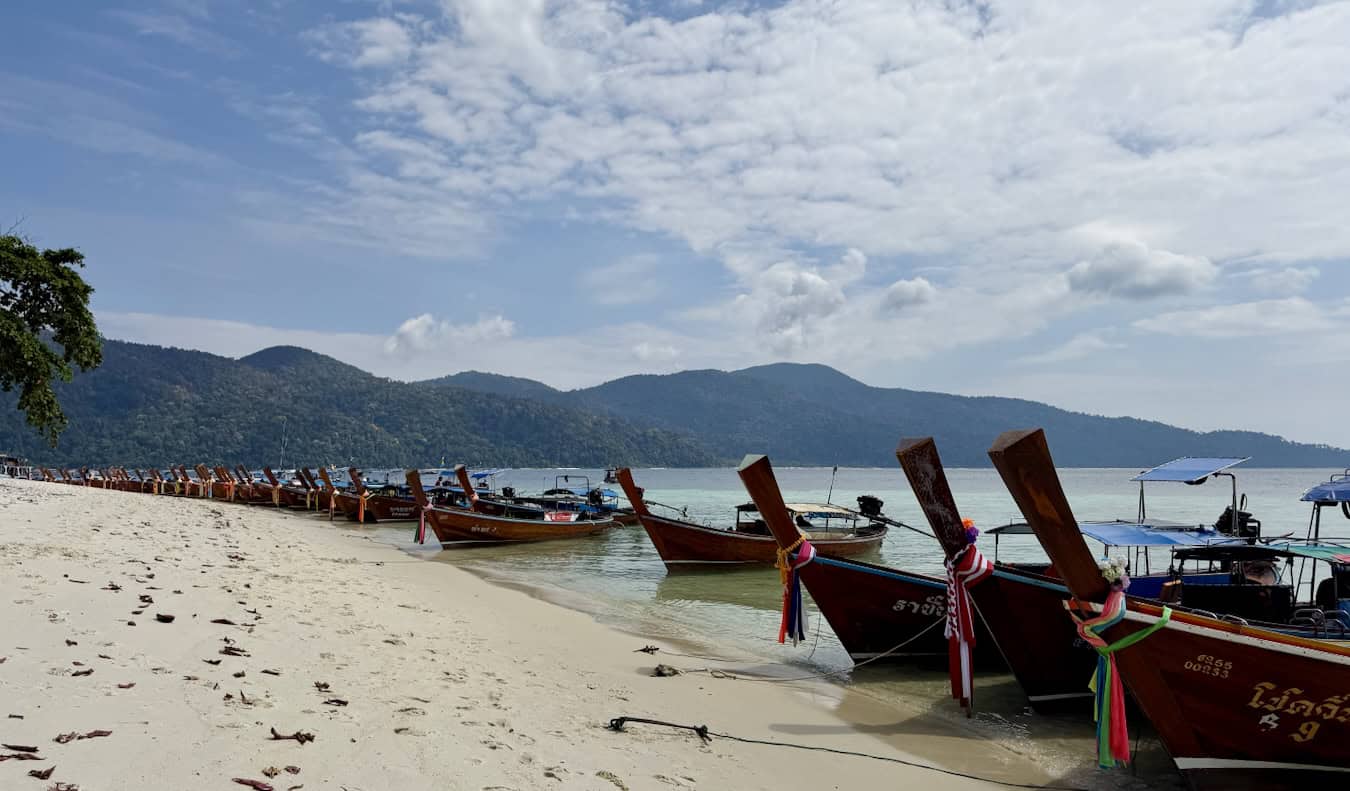
- Physical Damage: Increased boat traffic has led to anchors being dropped directly onto reef structures.
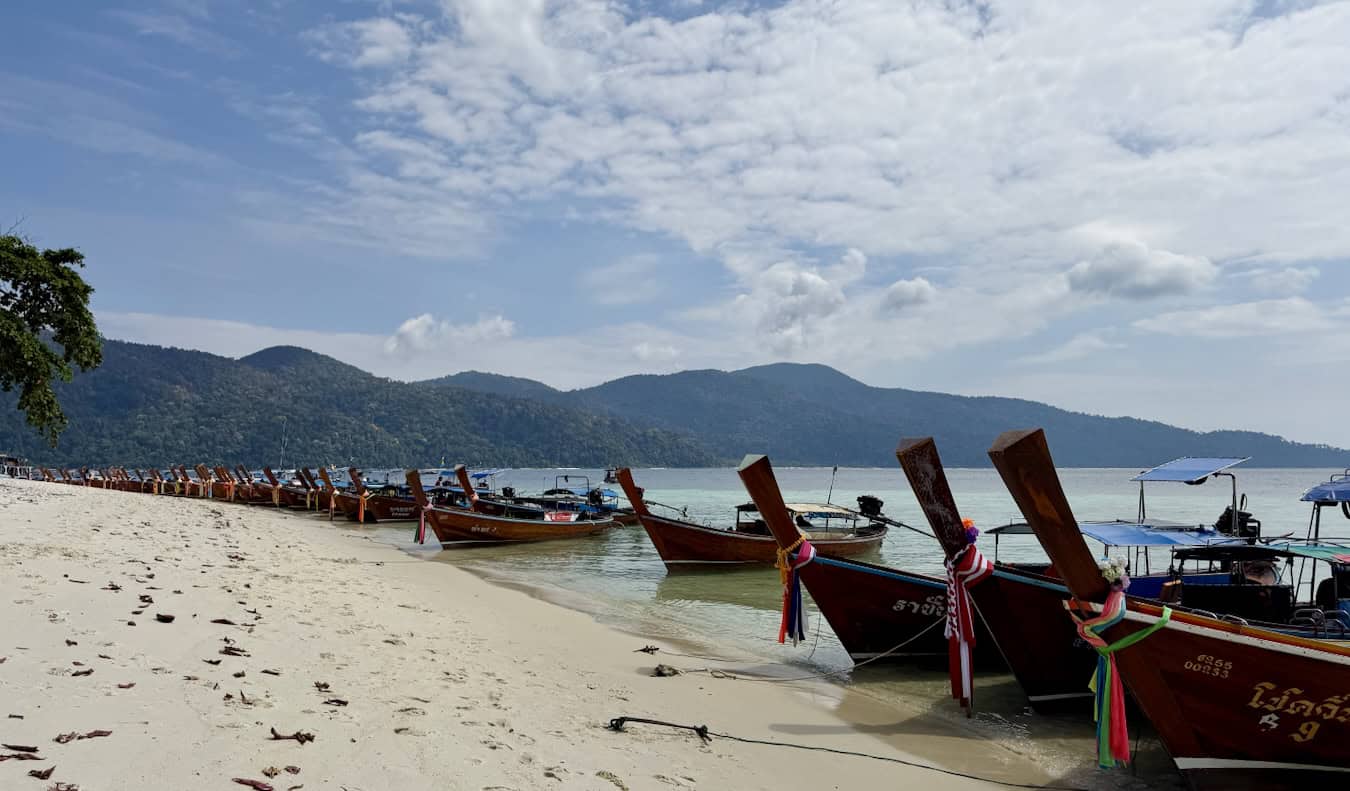
- Pollution: The sheer volume of long-tail and speed boats has introduced a visible film of fuel exhaust and oil into the coastal waters.
- Sewage and Runoff: Inadequate waste management systems have resulted in nutrient-rich runoff entering the ocean, which can trigger algae blooms that smother coral.
- Overfishing: To meet the culinary demands of the thousands of tourists who visit daily, local fish stocks have been depleted, disrupting the delicate balance of the reef’s food chain.
Furthermore, the shift in the island’s culinary landscape reflects a broader trend toward Westernization. Traditional Thai cuisine and local seafood preparations are increasingly sidelined in favor of "Western-friendly" menus, which often rely on ingredients shipped from the mainland, further increasing the carbon footprint of the island’s tourism industry.
Socio-Economic Impact and Local Displacement
The economic boom on Ko Lipe has not been an equitable one for its original inhabitants. The island was historically home to the Urak Lawoi, or "Sea Gypsies," an indigenous group with a deep spiritual and practical connection to the Andaman Sea. As land values skyrocketed over the last 19 years, many local families were pressured or incentivized to sell their ancestral plots to developers from the Thai mainland or international investment groups.
This displacement has resulted in a demographic shift where the majority of the current workforce consists of seasonal laborers from the mainland. While tourism has brought capital to the island, critics argue that the wealth is concentrated in the hands of outside developers, while the original community sees little of the long-term benefits. The loss of local ownership has also led to a decline in the cultural authenticity of the island, as the traditional lifestyle of the Urak Lawoi is increasingly marginalized by the requirements of the mass-tourism industry.
Comparative Analysis: The "Phi Phi Model" vs. Sustainable Alternatives
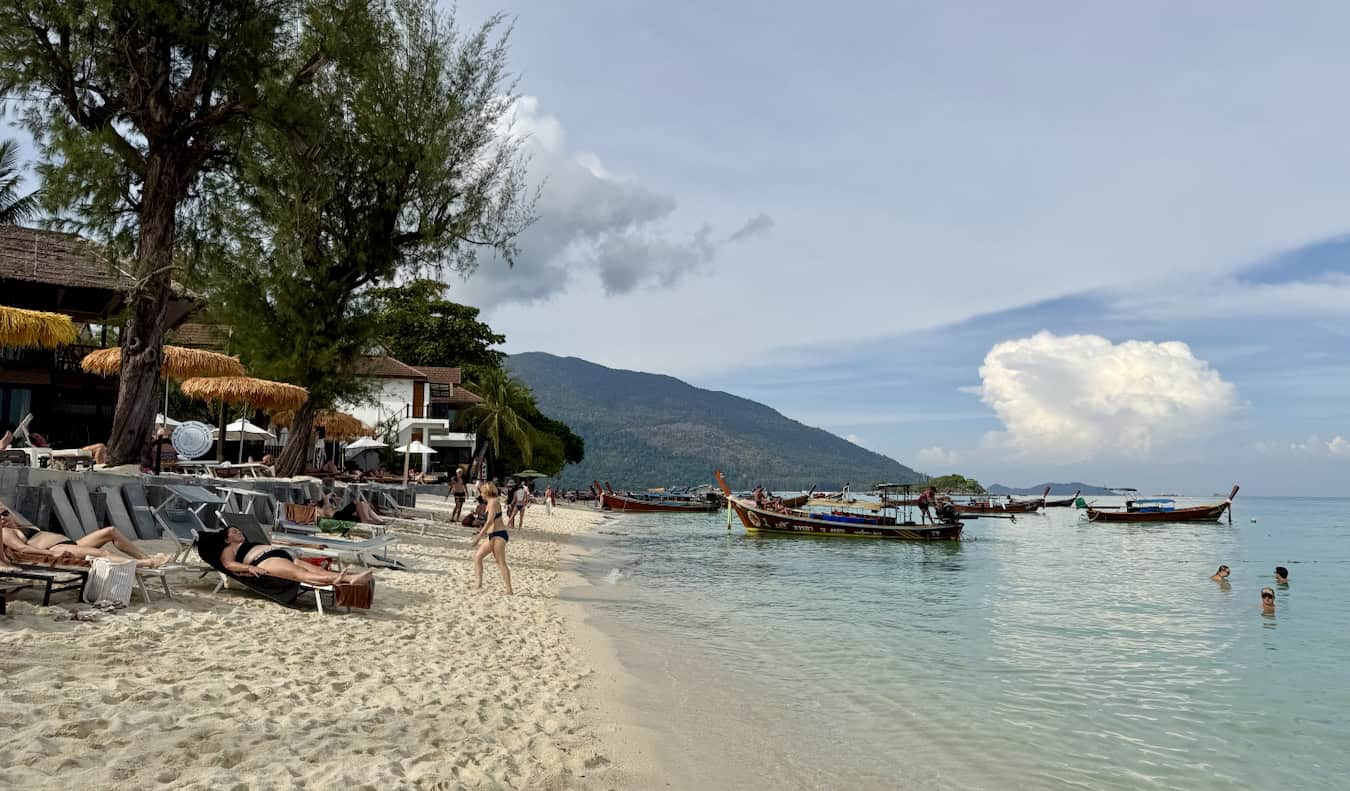
Analysts often compare the situation on Ko Lipe to that of Ko Phi Phi, which famously had to close Maya Bay in 2018 to allow for ecological recovery after years of unchecked tourism. The "Phi Phi model" is characterized by a "build first, ask questions later" approach that prioritizes immediate revenue over environmental stability. Ko Lipe appears to have followed this blueprint, leading to a state of "over-tourism" where the volume of visitors exceeds the island’s carrying capacity.
In contrast, other islands within the same region have managed growth with more restraint. Destinations such as Ko Lanta, Ko Jum, and Ko Mook are frequently cited by sustainable travel advocates as better-managed alternatives. These islands have generally maintained lower-density development, preserved more of their natural forest cover, and kept a higher degree of local community involvement in the tourism sector. The comparison suggests that the degradation of Ko Lipe was not an inevitable outcome of tourism, but rather a result of specific policy and development choices.
Official Responses and the Role of Regulation
The Thai Department of National Parks, Wildlife and Plant Conservation (DNP) has faced criticism for its perceived inability to curb the overdevelopment of Ko Lipe. While the island is technically adjacent to or part of protected waters, the enforcement of building codes and environmental regulations has been inconsistent. In recent years, the DNP has taken more aggressive stances in other parts of the country—such as the aforementioned closure of Maya Bay and the seasonal closing of the Similan Islands—but Ko Lipe remains largely open and subject to ongoing construction.
Local NGOs and grassroots organizations, such as the "Trash Hero" movement, which originated on Ko Lipe, have worked to mitigate the impact of plastic waste and pollution. However, these volunteer-led efforts are often seen as "band-aid" solutions to a systemic problem that requires high-level government intervention and a fundamental shift in how the island’s land use is zoned.
Implications for the Future of Travel
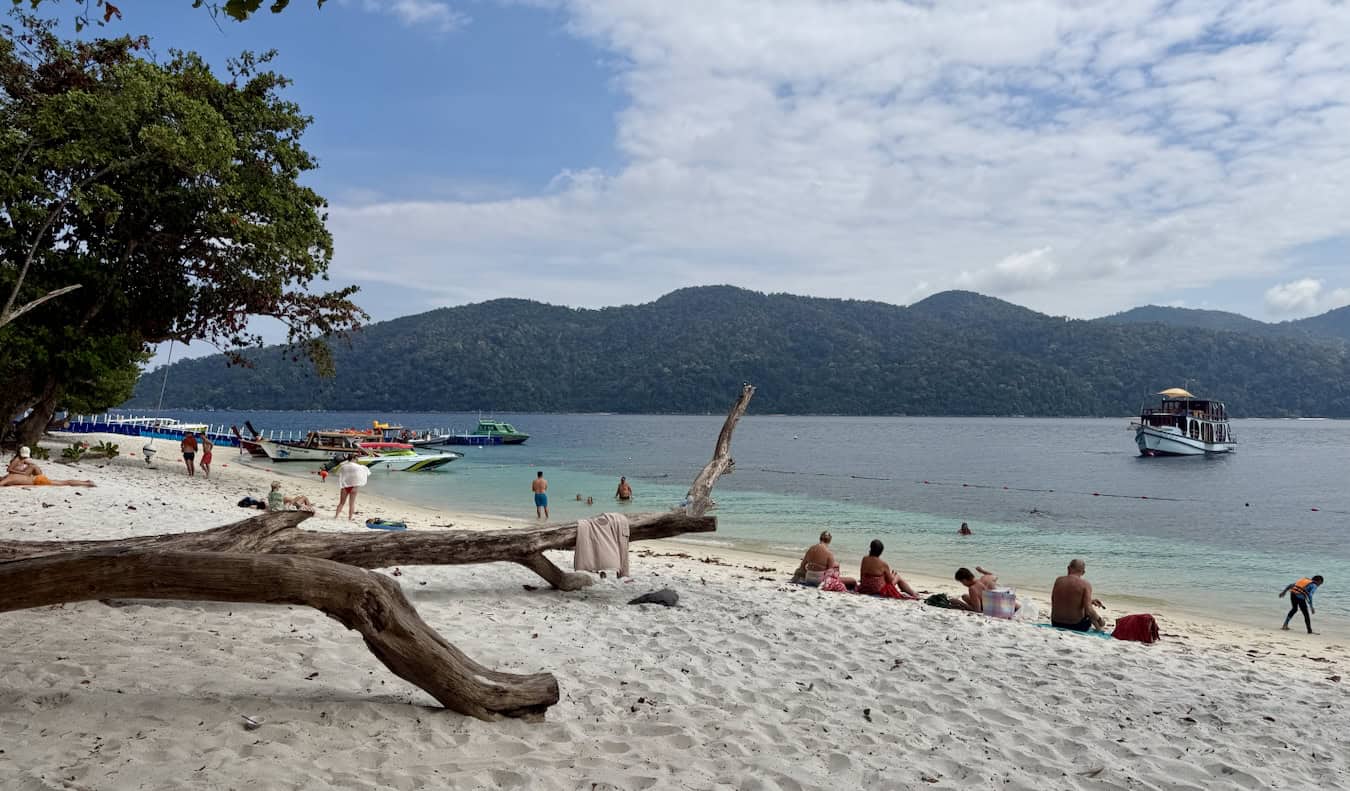
The current state of Ko Lipe has prompted a difficult conversation within the travel community. For first-time visitors, the island’s white sands and turquoise waters still offer a "postcard-perfect" aesthetic, particularly when compared to more industrialized coastal areas. However, for those with a historical perspective or a focus on ecological health, the island serves as a cautionary tale.
The growing consensus among ethical travel experts is that consumer choice must play a pivotal role in the future of island management. Just as global awareness campaigns led to a significant reduction in the popularity of elephant trekking and other exploitative animal attractions in Thailand, a shift in traveler demand away from overdeveloped islands could force a change in management practices. By opting for better-managed, sustainable destinations, travelers can signal to developers and the government that the "Phi Phi model" is no longer commercially viable.

Conclusion
Ko Lipe stands at a critical juncture. The transition from a quiet paradise to an overdeveloped tourist hub has provided short-term economic gains but at a staggering cost to the island’s environmental and social fabric. The "enough is enough" sentiment shared by long-term observers reflects a broader global movement toward responsible stewardship of natural resources. Unless significant measures are taken to halt further construction, restore the coral reefs, and implement sustainable waste and water management, Ko Lipe risks becoming a permanent monument to the dangers of unsustainable tourism. For the global traveler, the choice to bypass such destinations in favor of those that respect ecological limits may be the only effective way to preserve what remains of the world’s fragile island ecosystems.




 Anjar Salim
 Chandra Hamzah
 Tatiana Tantri Indah Sari
 Budi Mulyono

