
 Hendra Ismail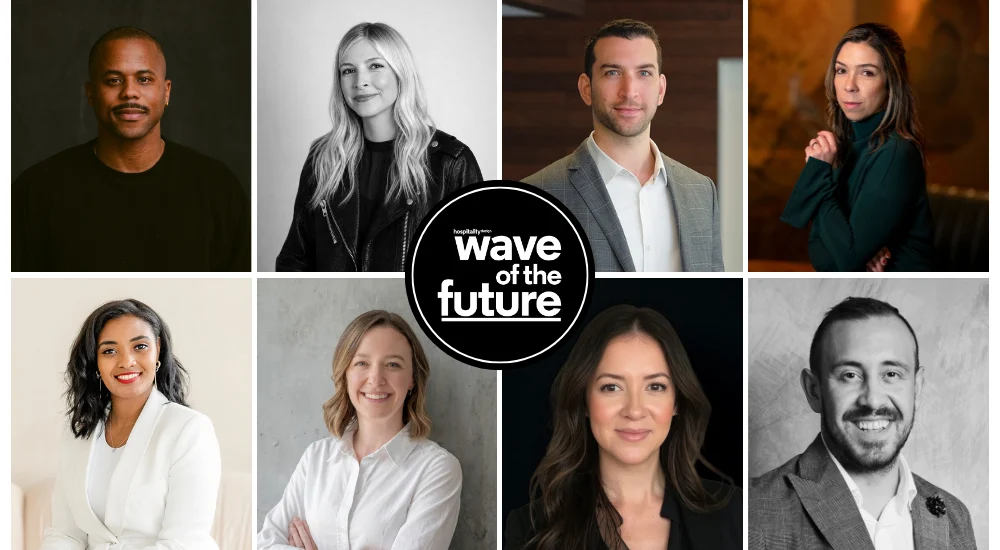
The nation’s capital is grappling with an unexpected aesthetic challenge as the recently renovated Lincoln Memorial Reflecting Pool has become a vibrant shade of green, a stark contrast to the intended patriotic blue. This development, occurring just weeks before the United States’ 250th anniversary celebrations, has drawn public attention and official responses. Concurrently, the historic Jacob Riis Bathhouse in New York City is poised for a grand reopening as a private members’ club and hotel, signaling a significant revitalization of a beloved, albeit neglected, public space. These contrasting aquatic narratives are unfolding against a backdrop of a burgeoning urban swimming movement across the United States, highlighting a renewed public interest in accessible and revitalized water features. This report delves into these developments, offering context, official statements, and an analysis of their broader implications.
A Green Glitch in the Capital: The Reflecting Pool’s Algae Issue
The multimillion-dollar renovation of the Lincoln Memorial Reflecting Pool, a project funded by taxpayers and intended to enhance the National Mall’s grandeur for upcoming national observances, has encountered an unforeseen complication. Following its completion, the iconic body of water has turned an unmistakable mossy green, a phenomenon attributed to a significant algae bloom. This transformation has cast a pall over what should have been a pristine centerpiece for national reflection.
According to a report by Politico, officials from the Department of the Interior have cited the prolonged dormancy of water supply lines during the eight weeks of renovation as a primary cause for the algae’s proliferation. The extended period without water circulation is believed to have created an environment conducive to algal growth. The National Park Service is reportedly implementing a two-pronged approach to rectify the situation. A newly deployed nanobubbler filtration system is intended to address the water quality directly, while a dedicated crew has been assigned the task of protecting the water from wildlife, which can exacerbate such issues. The timing of this setback is particularly unfortunate, as the nation prepares to commemorate its 250th anniversary next month, an event that typically draws significant crowds and media attention to the National Mall. The visual impact of a green reflecting pool against the backdrop of the Lincoln Memorial and the Washington Monument is a concern for many, particularly as plans included a fresh coat of "American Flag Blue" paint for surrounding elements, a hue that will now be juxtaposed with the algal bloom. This incident raises questions about the long-term maintenance and operational strategies for such prominent national landmarks, especially following extensive and costly renovations. The cost of the renovation, while not explicitly detailed in the provided text, is described as "multimillion-dollar," underscoring the public investment at stake. The effectiveness and timeline of the proposed solutions remain to be seen, with the upcoming holiday weekend and the anniversary celebrations serving as immediate benchmarks for resolution.
The Grand Rebirth of Jacob Riis Bathhouse: From Derelict to Exclusive
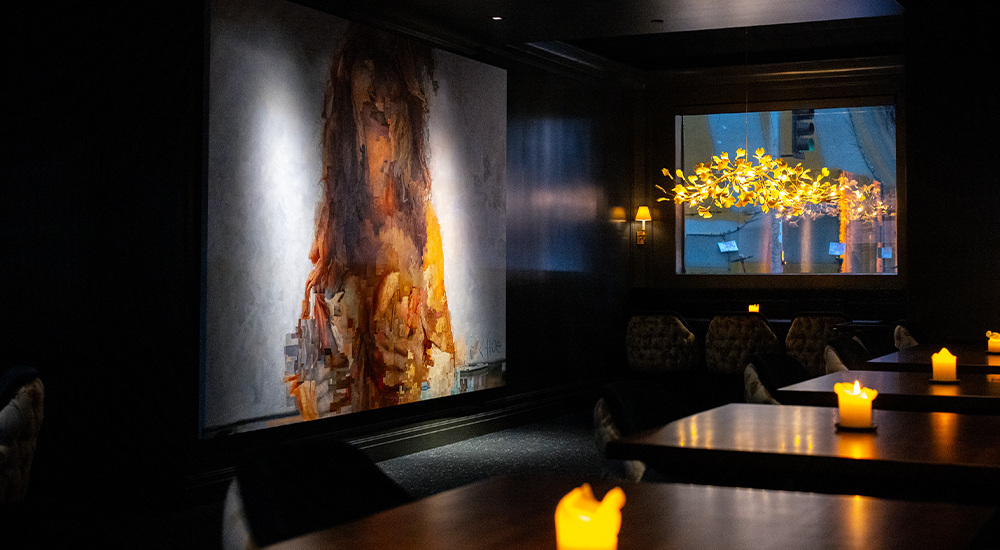
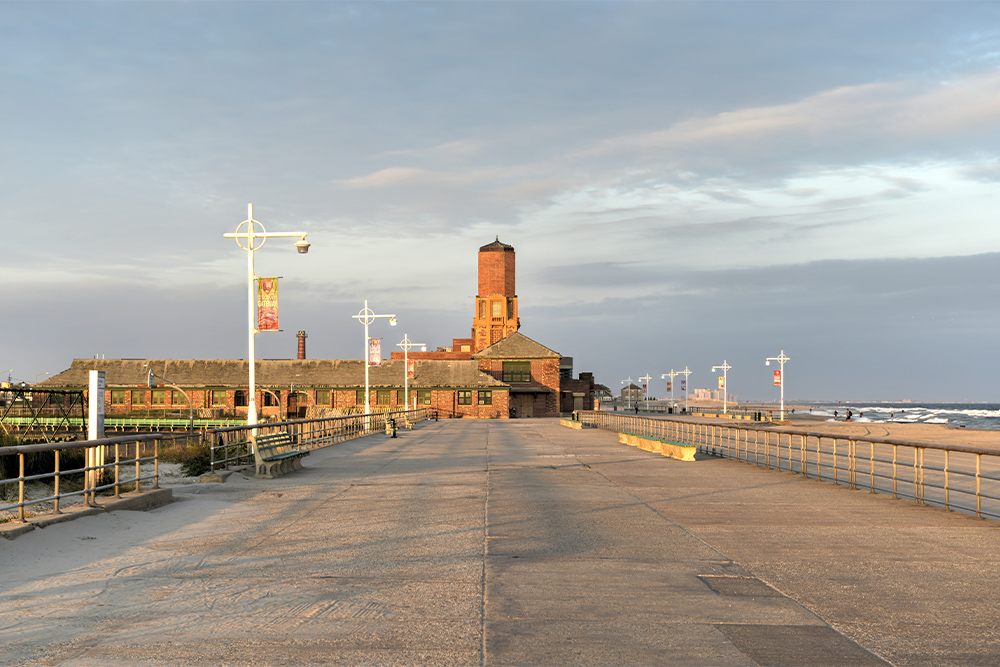
In a striking transformation, the long-dormant Jacob Riis Bathhouse in Queens, New York, is set to emerge from decades of neglect as a sophisticated private members’ club and hotel. This ambitious $88 million renovation project promises to inject new life into a historic beachfront structure, aiming to cater to a discerning clientele. Gothamist reports that the phased reopening is slated to commence as early as the final week of July, marking a significant milestone for the nearly century-old building.
The initial phase of the relaunch will feature a pool accessible to members for an annual fee of $1,000. This exclusivity, however, will be balanced with limited public access, as the club is scheduled to operate only on Fridays and Sundays. During these public hours, an outdoor lounge area will be available, complete with mobile bars and a food truck, offering a taste of the revamped experience. The vision extends beyond the immediate offerings, with plans for a beach shop and a substantial 1,800-person concert venue and event space to debut later in the summer. The complete transformation will culminate with the unveiling of a 28-room hotel, crowned by a members-only rooftop restaurant and lounge, scheduled for next summer. This development, while breathing new life into a historic site, has been met with some commentary regarding its shift from a public amenity to a private club, a sentiment captured by the ironic observation, "So much for ‘The People’s Beach!’" The Jacob Riis Bathhouse, originally conceived as a public bathing facility and park, served a vital role in providing recreational opportunities for New Yorkers. Its decline over the years represented a loss of public space and historical preservation. The current redevelopment, while offering a high-end experience, also raises discussions about gentrification and the preservation of public access to historically significant recreational areas in urban settings. The substantial investment underscores the potential economic benefits and the demand for such exclusive leisure spaces, but also prompts consideration for equitable access to revitalized urban amenities.
The Urban Swimming Renaissance: Cities Embrace Aquatic Revival
Beyond the specific developments in Washington D.C. and New York, a broader trend of urban swimming is gaining momentum across the United States. Historically, public swim culture has been deeply ingrained in the infrastructure of many European and Australian cities, but has lagged stateside. This appears to be changing, with numerous cities now witnessing a resurgence of interest in swimming in previously uninviting waterways.
Cities such as Portland, Boston, Chicago, San Antonio, and Washington, D.C., are reporting significant improvements in water quality, making their rivers and other bodies of water accessible and appealing for open-water swimming. This shift is largely driven by dedicated grassroots organizations like the Human Access Project and Swimmable Cities. These groups are not only working to destigmatize urban river swimming but are also actively advocating for policy changes and implementing initiatives to ensure the safety of these aquatic environments. Their efforts are crucial in transforming once-polluted waterways into viable recreational spaces, mirroring the success seen in European cities where public swimming is a well-established part of urban life. The revitalization of these urban waterways offers a multitude of benefits, including enhanced public health, increased recreational opportunities, and a greater appreciation for urban ecosystems. Furthermore, these initiatives often spur broader environmental improvements, encouraging cleaner practices and conservation efforts within city limits. In New York City, while the rivers have seen notable improvements, ambitious projects like the long-awaited + POOL are poised to redefine urban swimming. This innovative concept, a floating, pollution-filtering swimming pool designed to be situated in the East River, aims to provide a safe and clean swimming experience directly within the urban environment. The + POOL project, conceptualized as a large-scale water filtration system, promises to offer a controlled and safe aquatic experience, addressing concerns about water quality that have historically deterred swimming in city waterways. This forward-thinking approach signifies a commitment to integrating recreational water features into the fabric of urban living, ensuring that residents can enjoy the benefits of swimming even in densely populated areas. The success of these urban swimming initiatives could serve as a model for other cities looking to reclaim and revitalize their aquatic assets, fostering a healthier and more engaged urban population. The Dwell article highlights this "urban swimming revolution," emphasizing the growing recognition of the potential for vibrant aquatic life within our cities.
Honoring the Future: Hospitality Design’s "Wave of the Future" Class
In a separate but related development highlighting innovation and leadership within the hospitality sector, Hospitality Design (HD) magazine recently unveiled its 2026 "Wave of the Future" honorees. This prestigious recognition celebrates eight individuals identified as the next generation of leaders poised to shape the future of the hospitality industry. The announcement, made last week, shines a spotlight on emerging talent driving creativity and forward-thinking design and operations.
The 2026 honorees represent a diverse range of expertise and leadership within the industry. They include Jimmie Drummond of Drummond Projects, Paige Henry representing Bunkhouse + JDV Hotels, the Lifestyle Group at Hyatt, Ryan Leichtweisz of Nuel + EwingCole, Mapa Mueller of Mapa Mueller Design, Kathianna Rousseau-Kind from Rockwell Group, Ellen Saathoff of Hai Hospitality, Krystel Sam of Hilton, and Victor Schmick of Davidson Hospitality Group. These individuals have been selected for their significant contributions and their potential to influence the trajectory of hospitality design, development, and management. Their inclusion signifies a commitment to fostering innovation and recognizing emerging leaders who are pushing boundaries and setting new standards. The honorees are scheduled to be featured in HD’s October issue, providing an in-depth look at their achievements and visions. Furthermore, they will be celebrated at the HD NextGen Forum, an event taking place this September in Denver. This forum provides a platform for these rising stars to connect with industry peers, share insights, and further engage with the broader hospitality community. The "Wave of the Future" initiative by Hospitality Design underscores the dynamic nature of the hospitality industry and the importance of nurturing and recognizing new talent. As the sector continues to evolve, driven by changing consumer expectations and technological advancements, the insights and leadership of these honorees will be instrumental in navigating future challenges and opportunities. Their collective impact is expected to shape the guest experience, operational efficiency, and design aesthetics of hospitality spaces for years to come. The selection process likely involved rigorous evaluation of their professional accomplishments, innovative thinking, and demonstrated leadership potential within their respective fields.

The confluence of these events—the unexpected environmental challenge at a national landmark, the ambitious revival of a historic public space into an exclusive enclave, and the nationwide surge in urban aquatic recreation—paints a complex picture of our relationship with water in urban environments. While the Lincoln Memorial Reflecting Pool’s green hue presents a temporary aesthetic hurdle, the broader trends suggest a growing societal appreciation for accessible, clean, and revitalized water spaces, whether they be national monuments, historic bathhouses, or urban rivers. The success of these diverse aquatic narratives will ultimately be measured not only by their visual appeal or economic viability but also by their capacity to serve the public and foster a deeper connection with the natural and built environments around us.


 Anjar Salim
 Chandra Hamzah
 Tatiana Tantri Indah Sari
 Budi Mulyono
 Lukman Taruna Persada Ramadan
