
 Budi Mulyono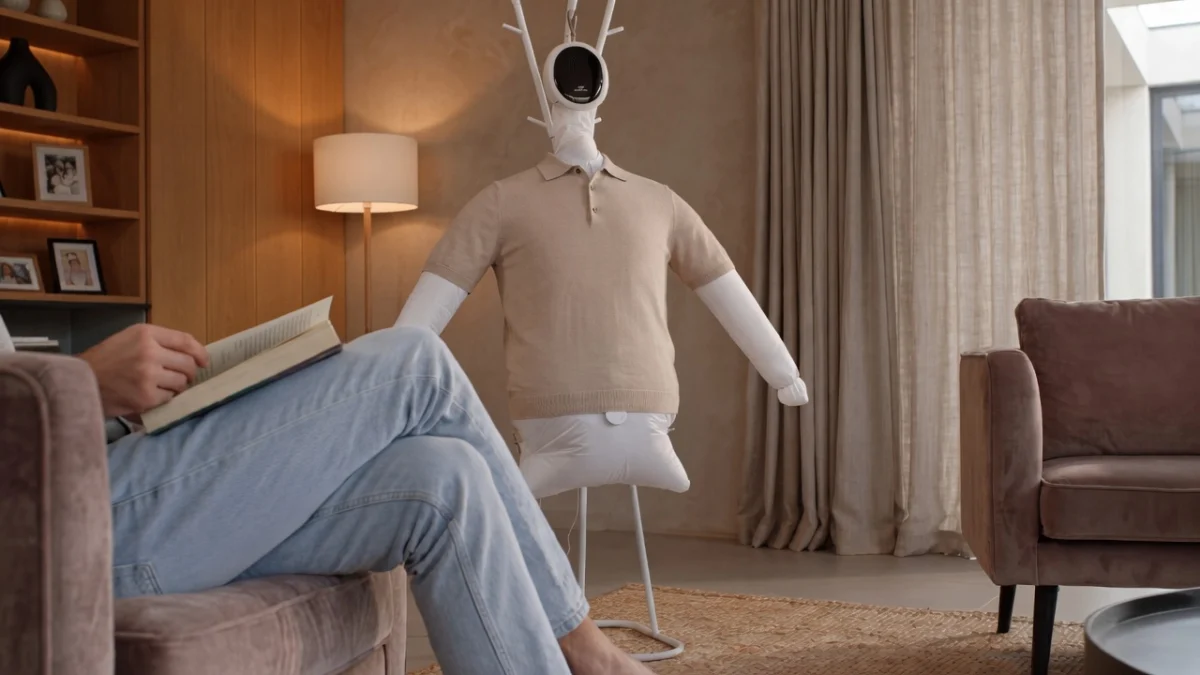
The landscape of business travel and personal maintenance is undergoing a significant shift with the introduction of automated garment care solutions designed specifically for the mobile professional. On June 29, 2026, tech startup Aironox officially launched the Aironox GO, a portable device engineered to dry and iron clothing automatically. This innovation seeks to address a perennial challenge for travelers: maintaining a professional appearance despite the logistical hurdles of packing, transit-induced wrinkles, and the often-unreliable nature of hotel-provided ironing equipment. The device represents a departure from traditional contact-based heat pressing, instead utilizing a specialized warm airflow system to restore garment integrity within minutes.
The Technological Shift in Portable Garment Maintenance
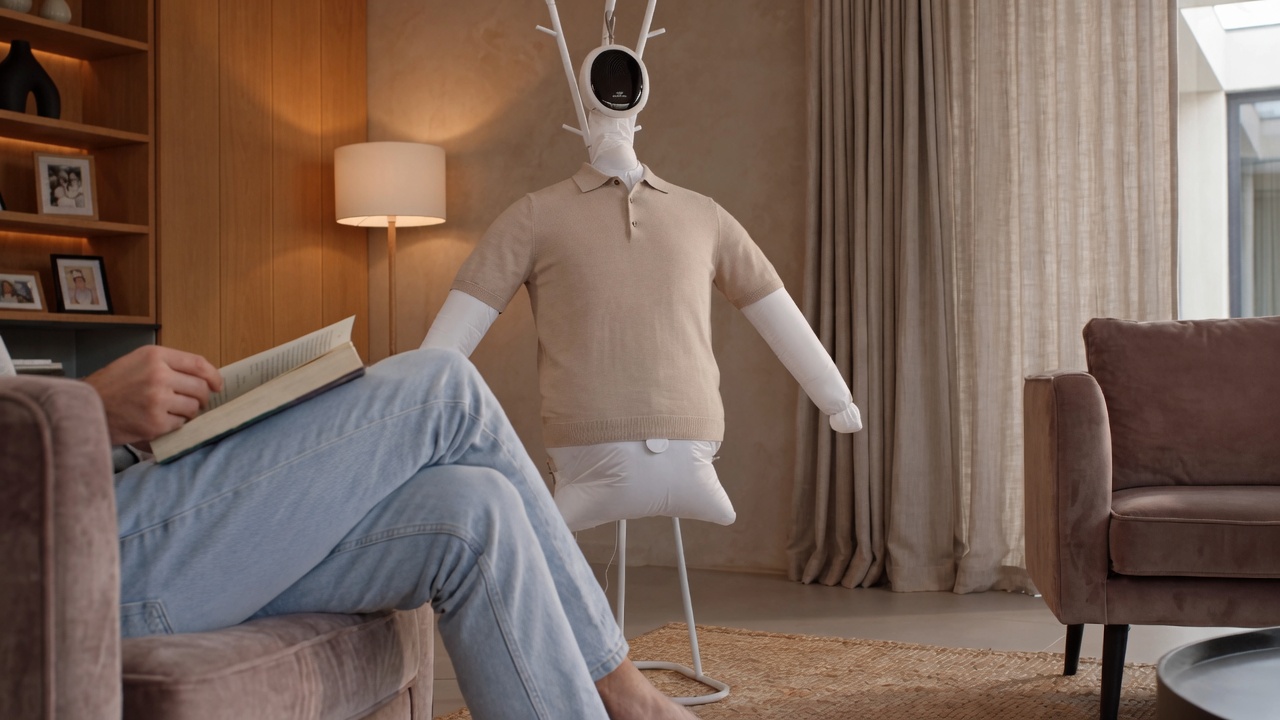
The Aironox GO enters a market that has long been dominated by two primary tools: the traditional steam iron and the handheld garment steamer. While effective, both require significant manual labor and carry inherent risks of fabric damage or personal injury. The Aironox GO operates on a different mechanical principle, employing a proprietary airflow system that inflates the garment from within while simultaneously applying controlled heat. This method mimics the industrial finishing machines used by professional dry cleaners but scales the technology down to a size compatible with standard carry-on luggage.
By removing the need for a flat surface or an ironing board, the device addresses the spatial constraints of modern hotel rooms and short-term rentals. According to technical specifications released during the product launch, the Aironox GO can process a standard cotton dress shirt in under five minutes, a timeframe that competes directly with manual ironing when setup and teardown times are factored in. The automation aspect is particularly significant, as it allows travelers to multi-task—preparing for meetings or attending to correspondence while their attire is being conditioned.
Legal Frameworks and the Culture of Consumer Warnings
The necessity for such automated devices is underscored by the increasingly complex legal environment surrounding household appliances. The original source material highlights a peculiar aspect of modern manufacturing: the proliferation of seemingly redundant warning labels. This phenomenon is largely a byproduct of the Second Restatement of Torts in the United States, which expanded the scope of strict liability for manufacturers. Under these legal doctrines, a product can be deemed "defective" if it lacks adequate warnings regarding foreseeable risks, even if those risks appear obvious to the average user.
Consequently, modern irons often feature prominent labels advising users not to press clothes while wearing them. This legal defensive posture extends across various industries, resulting in warnings on butane lighters regarding fire hazards and dental warnings on high-speed power tools. While often ridiculed as a symptom of a litigious society, these warnings serve as a critical shield for manufacturers against "failure to warn" lawsuits. The Aironox GO, by automating the process and removing the high-heat contact element from the user’s hand, potentially reduces the liability profile for both manufacturers and the hospitality providers who might eventually host these devices.
Integration Within the Hospitality Sector
There is a growing consensus among industry analysts that the future of the Aironox GO may lie in B2B (business-to-business) applications rather than purely consumer sales. For major hotel chains such as Hyatt, Marriott, and Hilton, providing consistent, high-quality garment care is a cornerstone of the "guest experience." Hyatt’s stated core purpose of "caring for people so they can be their best" aligns closely with the utility provided by automated ironing.
If such devices were to become a brand standard in premium hotel rooms, it would alleviate the "schlepping" burden on the individual traveler. From a logistical standpoint, hotels could replace aging, high-wattage traditional irons—which are frequent sources of carpet burns and fire alarms—with safer, automated units. This transition would not only enhance guest loyalty by providing a superior amenity but also potentially reduce insurance premiums related to fire hazards and property damage caused by traditional ironing equipment.
Chronology of Development and Market Entry
The development of the Aironox GO follows a decade of incremental improvements in fabric technology and portable heating elements.
- 2018–2021: Initial research and development phases focused on miniaturizing industrial "shirt finishers." Early prototypes were deemed too heavy for travel.
- 2022–2024: Advances in lightweight polymers and high-efficiency brushless motors allowed for a 40% reduction in device weight.
- 2025: Beta testing was conducted with a select group of frequent flyers and corporate travel managers. Feedback indicated a high demand for a "set it and forget it" solution.
- June 29, 2026: Official launch via digital platforms, spearheaded by industry influencers and tech commentators such as Ritwik Pavan.
- June 30, 2026: The device gained viral traction on social media, with discussions ranging from its utility to its unique aesthetic design.
The social media reaction has been a mix of professional interest and domestic humor. One notable critique from E.M. Davis compared the silhouette of the machine to a "sleep paralysis demon," highlighting the uncanny appearance of an upright, inflating garment bag in a darkened hotel room. Despite the humor, the engagement metrics indicate a significant public appetite for alternatives to the traditional iron.
Supporting Data: The Cost of Wrinkles
Market research into the habits of business travelers suggests that appearance has a quantifiable impact on professional outcomes. A 2024 survey of corporate executives found that 72% of respondents believed a "crisp, well-maintained appearance" was a critical factor in first impressions during high-stakes negotiations. Furthermore, the travel accessory market is projected to grow at a CAGR (Compound Annual Growth Rate) of 6.4% through 2030, with "smart" travel gear leading the sector.
The inefficiency of current methods is also a factor. The average business traveler spends approximately 15 to 20 minutes per trip managing garment wrinkles. For a traveler taking 20 trips a year, this equates to nearly seven hours of lost productivity or rest. Automated solutions like the Aironox GO aim to recapture this time, positioning the device as a productivity tool rather than a mere luxury appliance.
Official Responses and Industry Outlook
While Hyatt and other major hospitality brands have not yet officially announced a partnership with Aironox, industry insiders suggest that discussions regarding "next-generation room amenities" are ongoing. A spokesperson for a leading travel advocacy group noted, "The hotel iron has remained virtually unchanged for fifty years. We are long overdue for a disruption that prioritizes both fabric care and guest safety."
However, some experts remain cautious. There are concerns regarding the durability of portable automated systems and their ability to handle various fabric types, from heavy denim to delicate silks. "The challenge for Aironox will be consistency," says garment technologist Dr. Aris Thorne. "Airflow must be precisely calibrated to avoid stretching seams while ensuring enough tension to remove deep-set packing creases."
Broader Implications: The "Romney Risk" and Safety
The cultural conversation surrounding garment care often touches on the risks people take when in a rush. A notable example frequently cited in discussions of ironing safety is the 2012 footage of then-Senator Mitt Romney ironing a shirt while wearing it. While the video was intended to show a "relatable" moment of a busy politician, it served as a stark reminder of the dangers inherent in traditional ironing. Steam burns and direct heat contact can cause second-degree burns in seconds.
The Aironox GO and similar innovations represent a move toward "passive maintenance," where the human element—and the associated human error—is removed from the equation. This shift aligns with broader trends in home and travel automation, where the goal is to eliminate mundane tasks that carry disproportionate risks.
Conclusion
The launch of the Aironox GO is more than the debut of a new gadget; it is a reflection of the evolving needs of the modern workforce and the legal and cultural frameworks that shape product design. As travel resumes its pre-pandemic trajectory, the demand for efficiency, safety, and professional presentation will likely drive further adoption of automated garment care. Whether these devices become a permanent fixture in hotel rooms or remain a specialized tool for the elite traveler, they mark the beginning of the end for the cumbersome, dangerous, and often frustrating era of the traditional travel iron. The intersection of tort law, hospitality standards, and technological innovation has created a unique market vacuum that Aironox GO is now positioned to fill.




 Anjar Salim
 Chandra Hamzah
 Tatiana Tantri Indah Sari
 Lukman Taruna Persada Ramadan
