
 Budi Mulyono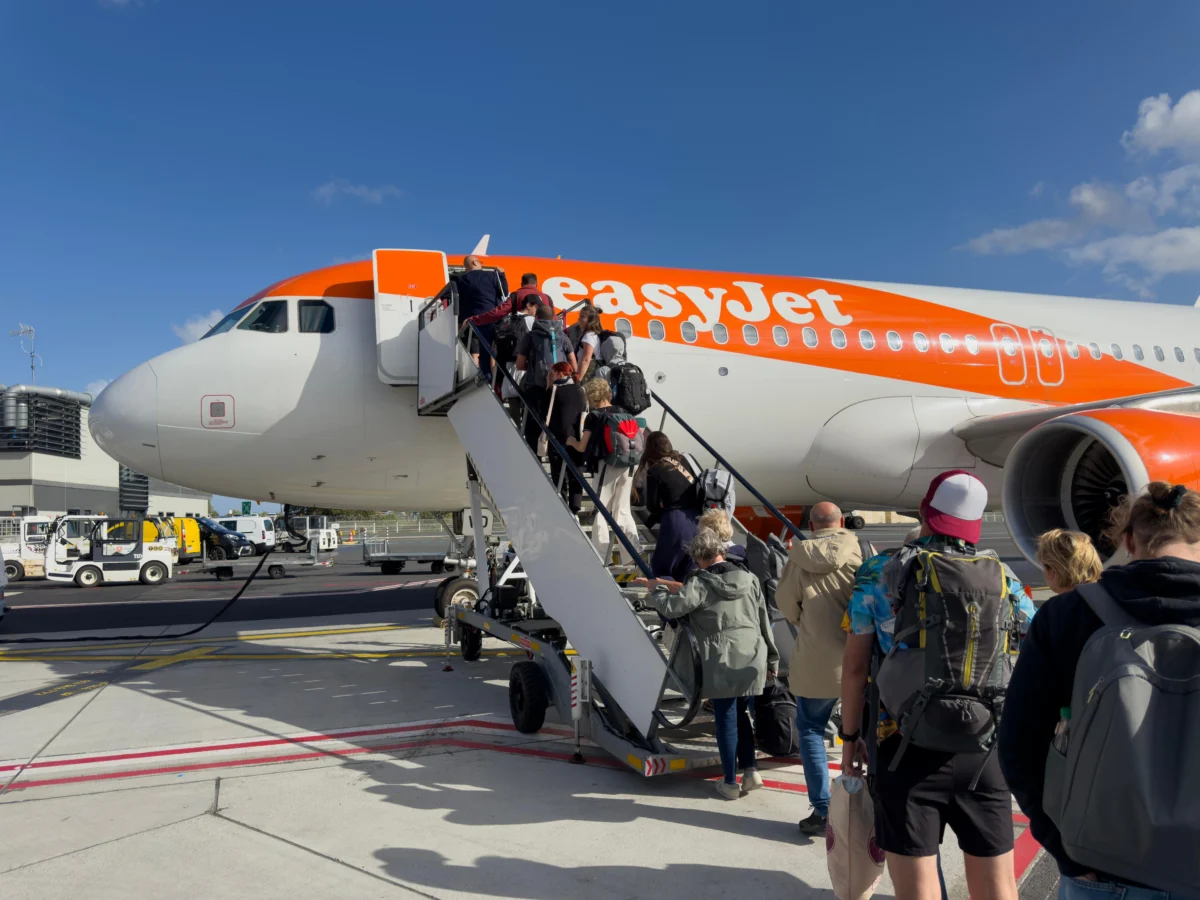
The board of directors of EasyJet, the United Kingdom’s preeminent low-cost carrier, has reached an agreement in principle to a comprehensive takeover by Castlelake, a prominent U.S.-based alternative investment firm. The deal, valued at approximately $6.9 billion (£5.15 billion), represents a seismic shift in the European aviation landscape and signals the potential end of an era for the airline’s founding influence. Under the terms of the proposed transaction, the Haji-Ioannou family—the long-standing largest shareholders of the Luton-based airline—would relinquish their controlling stake, marking a transition from a publicly traded entity to a privately held company under the stewardship of American institutional capital.
The announcement, released in a joint statement on Sunday, follows a series of increasingly aggressive overtures from Castlelake, which first signaled its interest in the carrier in late May. The proposed acquisition price is set at £6.90 per share in cash, a figure that values the airline’s roughly 747.5 million outstanding shares at an estimated £5.15 billion. While the board has signaled its approval in principle, the transaction remains subject to rigorous due diligence, regulatory clearances, and the final endorsement of EasyJet’s existing shareholder base.
A Protracted Negotiation: From Opportunistic to Essential
The agreement reached this week was not the result of a singular proposal but rather the culmination of a persistent five-stage negotiation process. Castlelake’s initial foray into EasyJet’s books began in late spring, at a time when the airline industry was grappling with the dual pressures of fluctuating fuel costs and geopolitical instability. The investment firm’s earlier bids were met with stiff resistance; a previous offer of £6.25 per share was summarily rejected by the EasyJet board. At the time, directors characterized the bid as "opportunistic," arguing that the valuation failed to reflect the airline’s intrinsic long-term value and its robust recovery trajectory following the pandemic.
However, the persistence of Castlelake eventually led the board to partially open its financial records, allowing the investment firm to conduct a preliminary assessment of the carrier’s internal health. This transparency served as the catalyst for the improved £6.90 per share offer. The revised bid represents a significant premium over the airline’s recent trading price, which has been weighed down by broader market anxieties regarding the conflict in the Middle East and its impact on European travel demand. By agreeing in principle, the board has indicated that the current valuation now aligns with the fiduciary interests of the shareholders, providing a lucrative exit strategy in a volatile economic climate.
Navigating Regulatory Hurdles and the "Bellew Factor"
One of the most complex aspects of the proposed takeover involves navigating the stringent ownership and control regulations of the European Union. Under EU law, any airline operating within the bloc must be more than 50% owned and effectively controlled by EU nationals to maintain its operating license and traffic rights. As a Minneapolis-based firm, Castlelake faces significant legal barriers to direct ownership of a major European carrier like EasyJet.
To circumvent these antitrust and ownership restrictions, Castlelake has devised a sophisticated corporate structure involving a partnership with two high-profile European aviation executives. This partnership intends to establish an EU-based entity that would hold the controlling stake in the airline, thereby satisfying the "nationality" requirements of European aviation regulators.
Central to this strategy is Peter Bellew, an Irish citizen and a polarizing figure within the European aviation sector. Bellew’s career has been defined by high-stakes leadership roles and legal drama. He previously served as the Chief Executive Officer of Malaysia Airlines before returning to Europe to join EasyJet’s primary competitor, Ryanair, as Chief Operations Officer in 2017. His tenure at Ryanair ended abruptly after just two years when he announced his intention to join EasyJet in a similar capacity. This move triggered a high-profile legal battle in the Irish High Court, as Ryanair sought to enforce a non-compete clause. Although Ryanair eventually lost the case and Bellew joined EasyJet, his subsequent departure from the Luton-based carrier was equally sudden. His time at EasyJet was marked by friction with labor unions, who accused him of "misleading" stakeholders during efforts to aggressively restructure employee costs. Bellew’s return as a potential part-owner and controller of the airline adds a layer of complexity to the deal, particularly regarding future labor relations.
The End of the Haji-Ioannou Era
For nearly three decades, the identity of EasyJet has been inextricably linked to its founder, Sir Stelios Haji-Ioannou, and his family. Since the airline’s inception in 1995, the Haji-Ioannou family has remained the single largest shareholder, often exerting significant influence over the company’s strategic direction from the sidelines. The relationship between the family and the airline’s management has, at times, been fractious, with Sir Stelios frequently criticizing the board over fleet expansion plans and dividend policies.
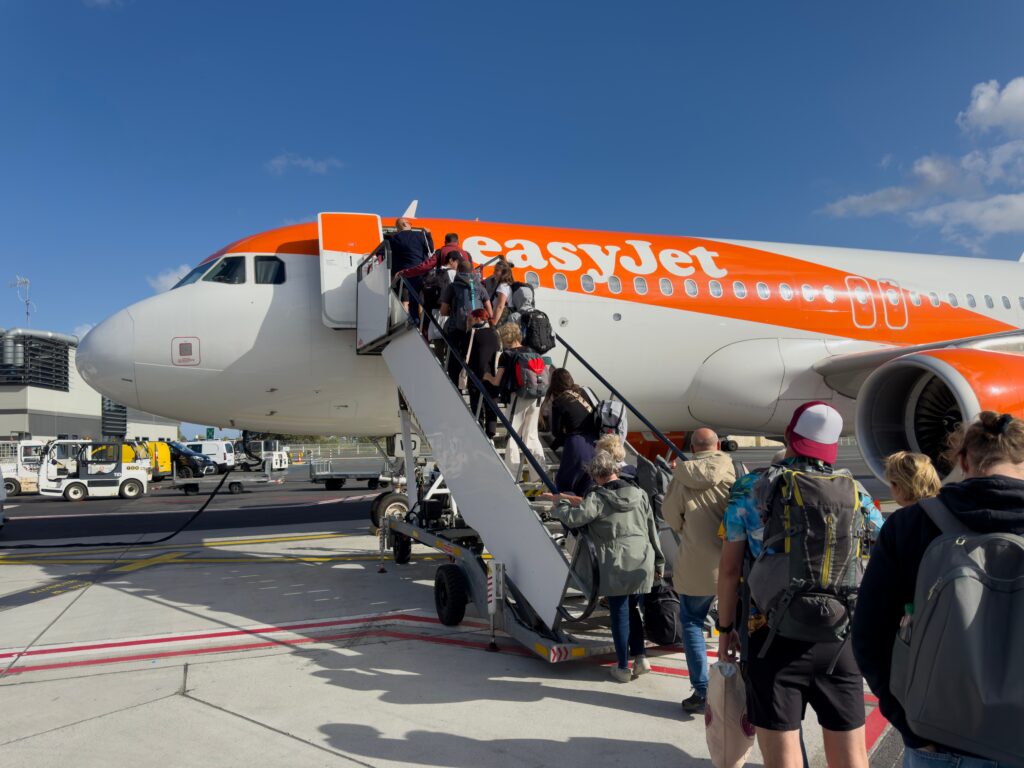
If the Castlelake transaction proceeds to completion, the family’s era of dominance will effectively conclude. The transition to private equity ownership suggests a move toward a more centralized, data-driven management style typical of large-scale investment firms. This shift could provide EasyJet with the capital flexibility required to compete more effectively with its low-cost rivals, such as Ryanair and Wizz Air, without the constant pressure of public market scrutiny and the specific demands of a founding family.
Castlelake’s Expanding Aviation Empire
Castlelake is no stranger to the complexities of the aviation industry. The firm manages an extensive portfolio of aviation assets worth billions of dollars and has a history of stepping in during periods of industry distress. Notably, Castlelake was a key player in the recent restructuring of Scandinavian Airlines (SAS). In that instance, the firm partnered with the Air France-KLM Group in a joint bid to rescue the carrier from bankruptcy. Although Castlelake has since divested its stake in SAS, the move demonstrated the firm’s appetite for large-scale, transformative investments in the sector.
Furthermore, Castlelake played a critical role in the financial stabilization of Virgin Atlantic, providing much-needed refinancing for a significant portion of the airline’s fleet during the height of the COVID-19 pandemic. The firm’s statement following the EasyJet announcement emphasized its "tremendous respect" for the airline’s workforce and its commitment to supporting a "future growth and transformation" strategy. Specifically, Castlelake highlighted EasyJet’s fleet modernization program as a cornerstone of its investment thesis. The airline is currently in the midst of a multi-year transition to more fuel-efficient Airbus A320neo family aircraft, a move essential for meeting sustainability targets and reducing operational overhead.
Market Implications and Strategic Analysis
The proposed takeover of EasyJet comes at a pivotal moment for the European low-cost carrier (LCC) market. The industry is currently witnessing a trend toward consolidation as airlines seek to achieve economies of scale in an environment of rising costs and environmental regulation. Taking EasyJet private could shield the company from the short-termism of the stock market, allowing management to focus on long-term structural improvements.
Financial analysts suggest that the £6.90 per share offer reflects a strategic bet by Castlelake that EasyJet is currently undervalued. The airline’s share price has suffered due to external factors beyond its control, most notably the regional instability in the Middle East which disrupted several of its high-yield routes. By acquiring the airline now, Castlelake is positioning itself to capitalize on a projected recovery in European tourism and the continued resilience of the LCC business model.
However, the path to completion is not without risks. The involvement of Peter Bellew may reignite tensions with the British Airline Pilots Association (BALPA) and other unions, who have historically been wary of management strategies that prioritize cost-cutting over labor stability. Furthermore, European regulators are expected to scrutinize the "control" aspect of the deal intensely to ensure that the partnership with EU executives is not merely a "shell" for American ownership.
Timeline Toward Completion
With the board’s agreement in principle secured, the clock is now ticking for the finalization of the deal. Castlelake has been given a deadline of August 3 to submit a formal, binding bid for the airline. During this period, the firm will conduct exhaustive due diligence, examining every facet of EasyJet’s operations, from its aircraft leasing contracts and maintenance schedules to its digital infrastructure and loyalty programs.
If the formal bid is submitted and subsequently approved by a majority of shareholders, the transaction will move into the regulatory approval phase. This process involves reviews by both UK and EU competition authorities to ensure that the takeover does not negatively impact market competition or breach national security protocols related to critical infrastructure.
As the August deadline approaches, the aviation industry will be watching closely. Should the deal succeed, it will represent one of the largest private equity takeovers in the history of European aviation, fundamentally altering the competitive dynamics of the continent’s skies and setting a new precedent for how legacy low-cost carriers are owned and operated in the 21st century. For now, EasyJet continues its daily operations from its Luton headquarters, awaiting a transformation that could redefine its future for decades to come.




 Chandra Hamzah
 Tatiana Tantri Indah Sari
 Anjar Salim

