
 Budi Mulyono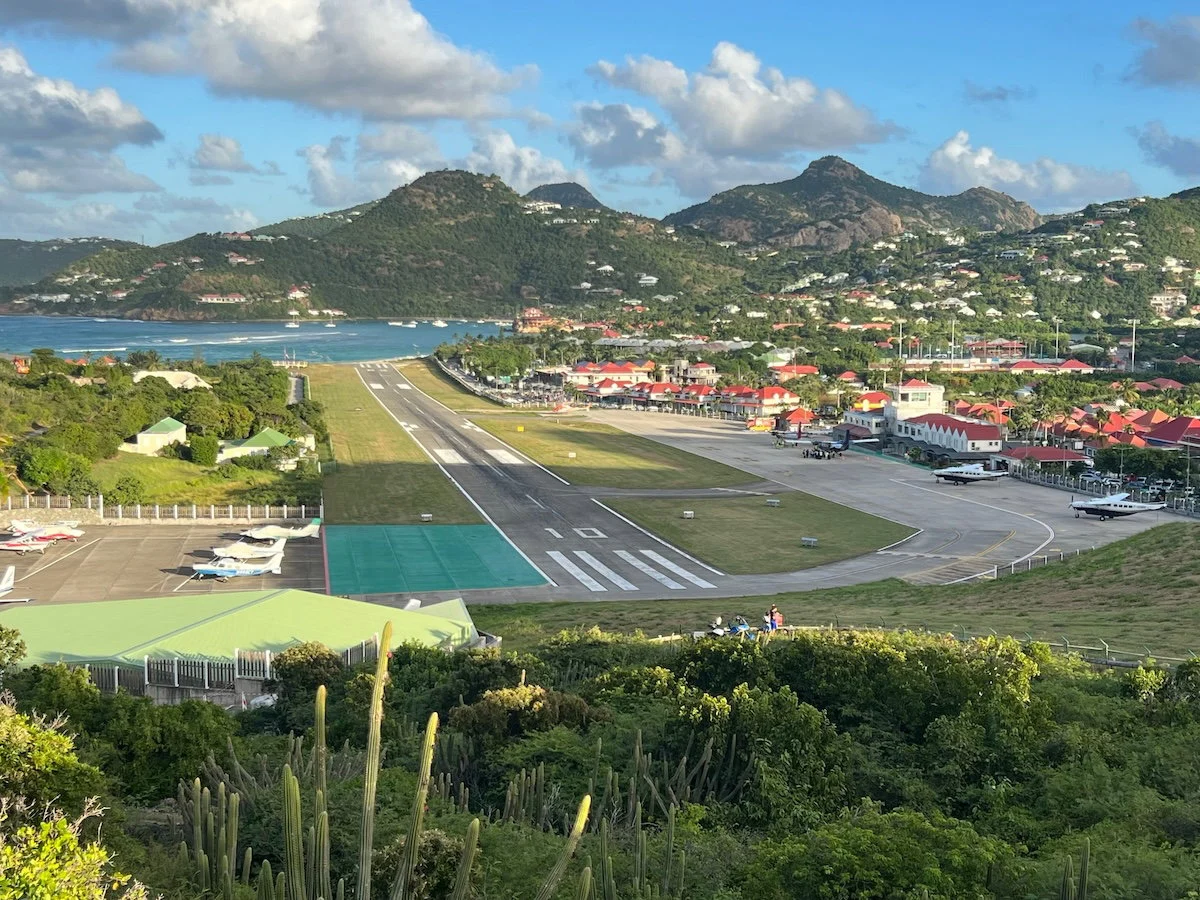
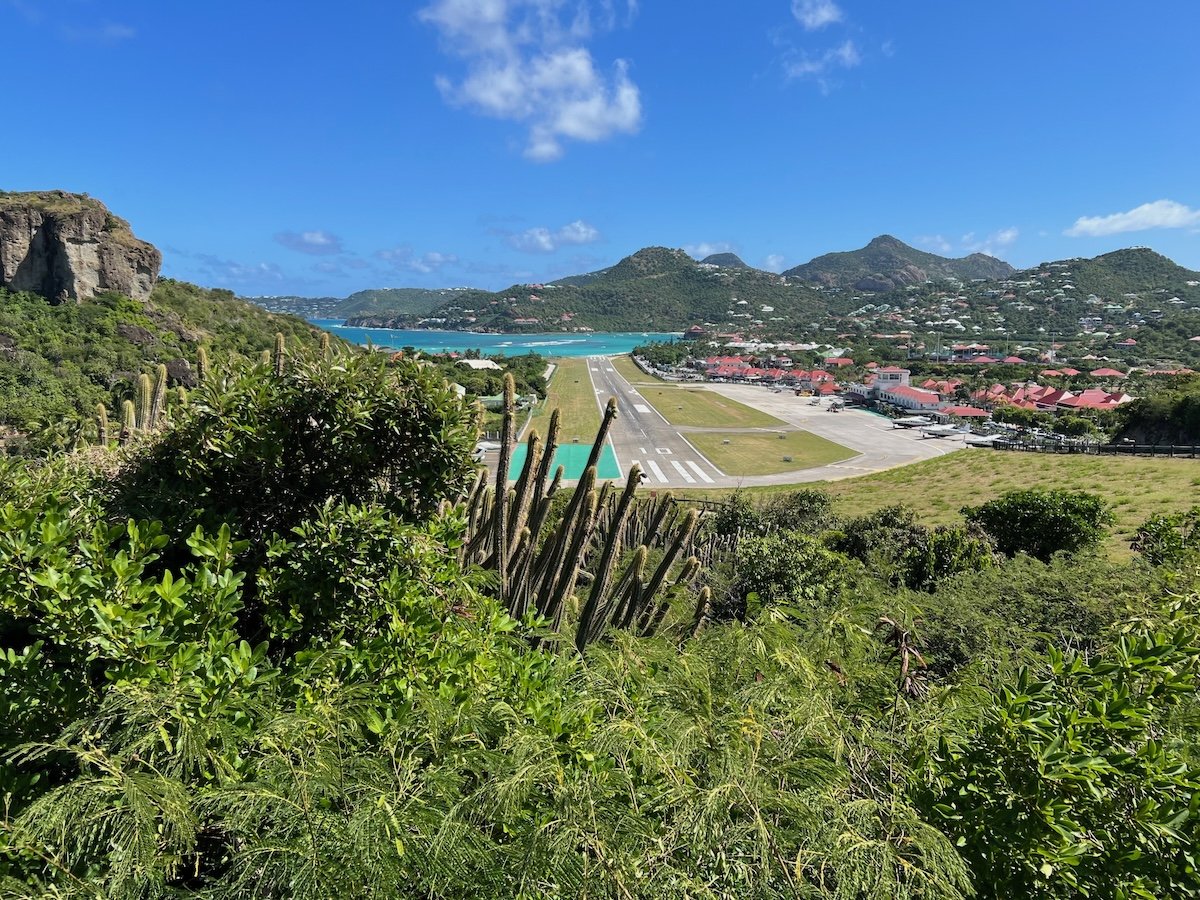
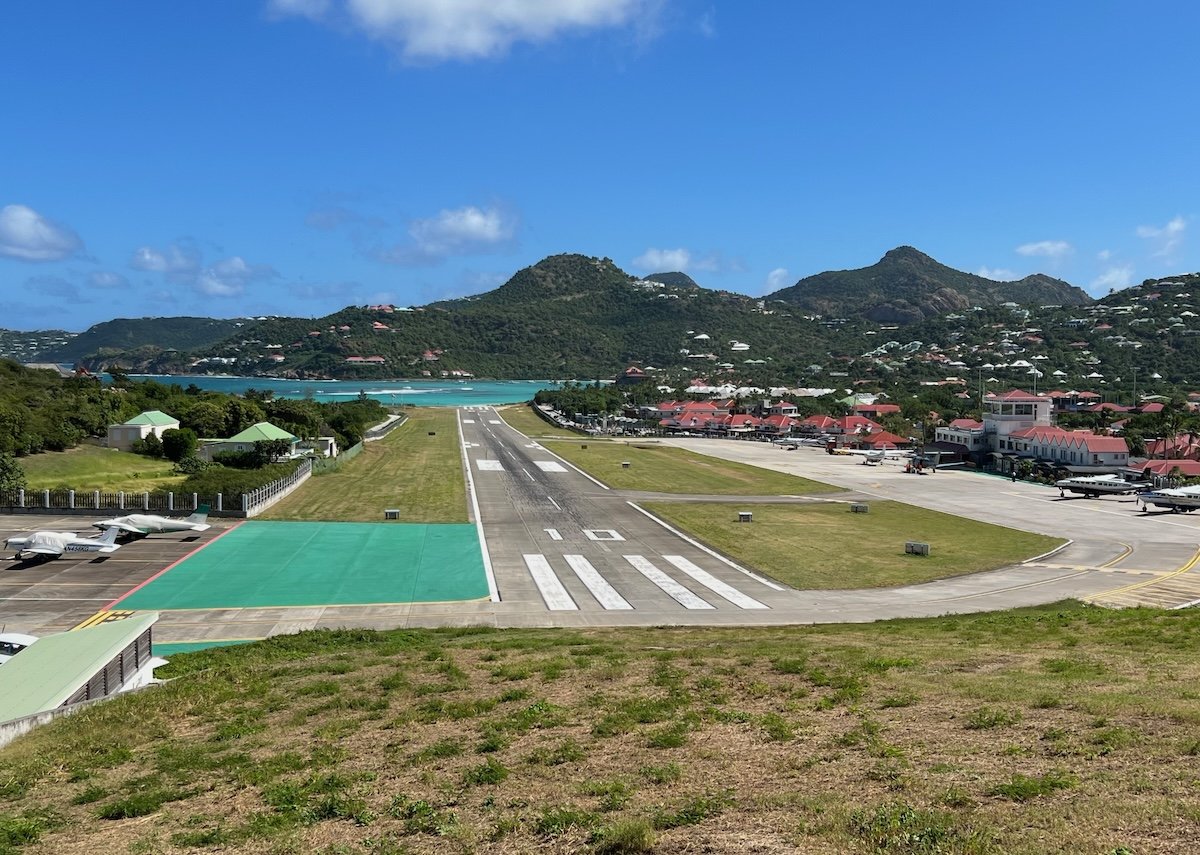
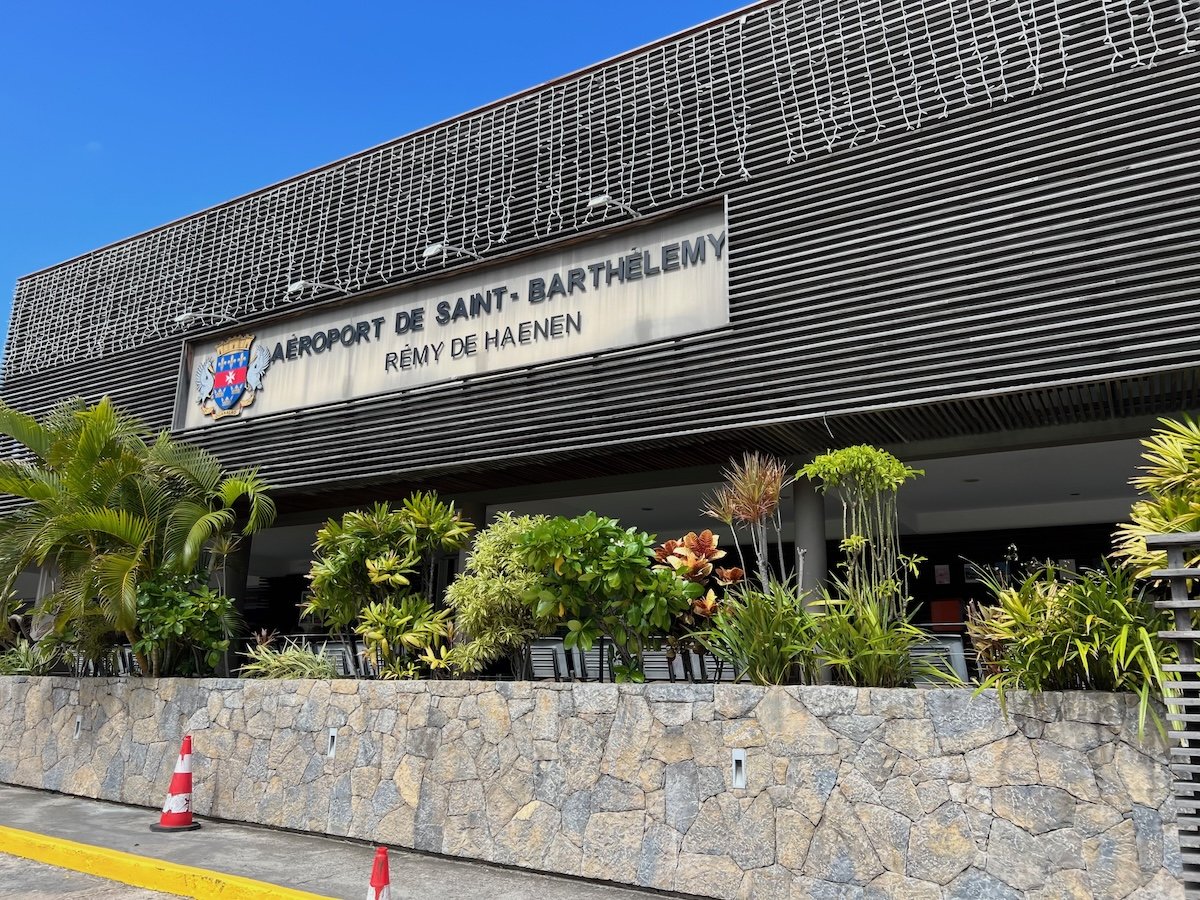
Gustaf III Airport, situated in the village of St. Jean on the French overseas collectivity of Saint Barthélemy, represents one of the most complex aeronautical environments in global civil aviation due to its extreme topographical constraints and specialized operational requirements. Known internationally by its IATA code SBH, the facility serves as the primary gateway for the island’s high-end tourism sector, facilitating transit for thousands of passengers annually who arrive via a network of regional shuttle services and private charters. The airport is characterized by a runway length of approximately 650 meters (2,133 feet), which is significantly shorter than the standard 2,500 to 3,000 meters found at typical commercial hubs. This physical limitation, combined with a steep approach over a public roadway and a termination point that leads directly into the waters of St. Jean Bay, necessitates a level of pilot proficiency and aircraft performance that exceeds standard regulatory benchmarks.
Technical Specifications and Topographical Challenges
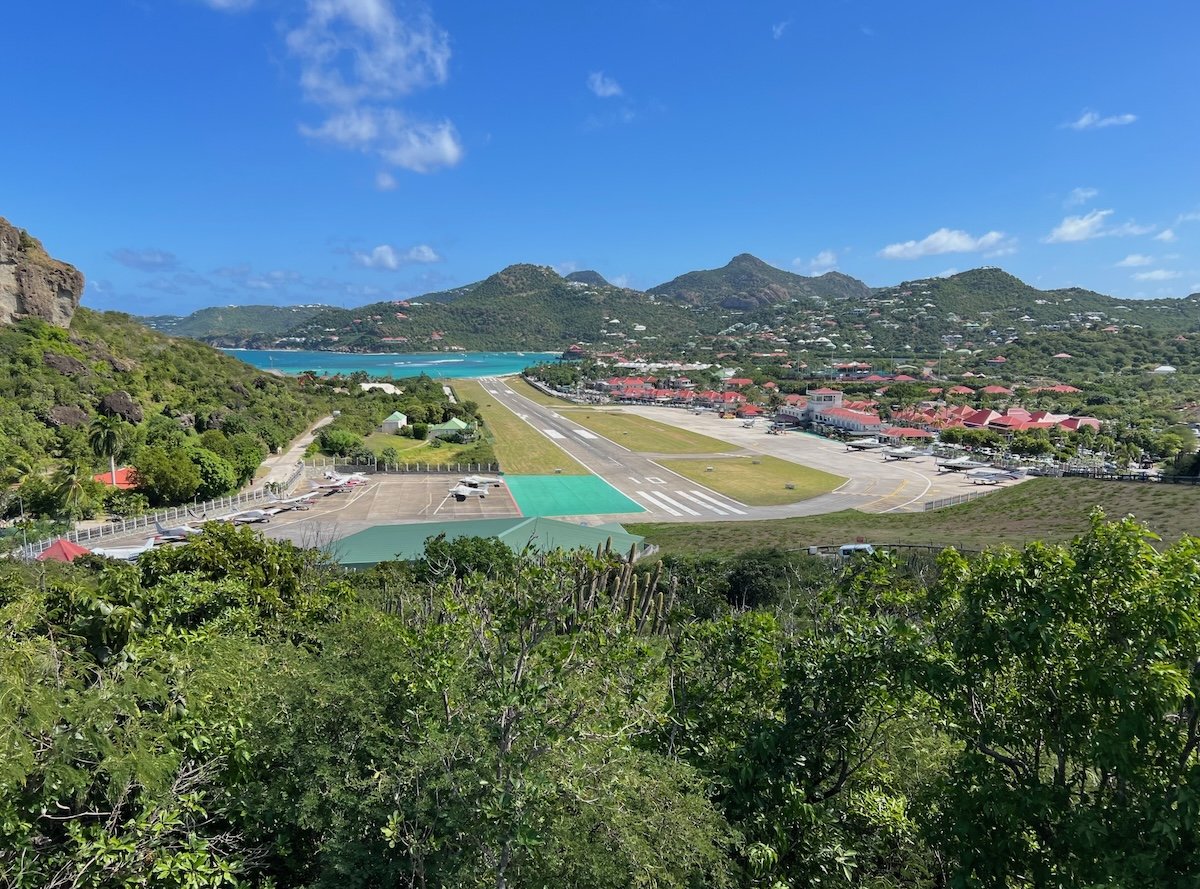
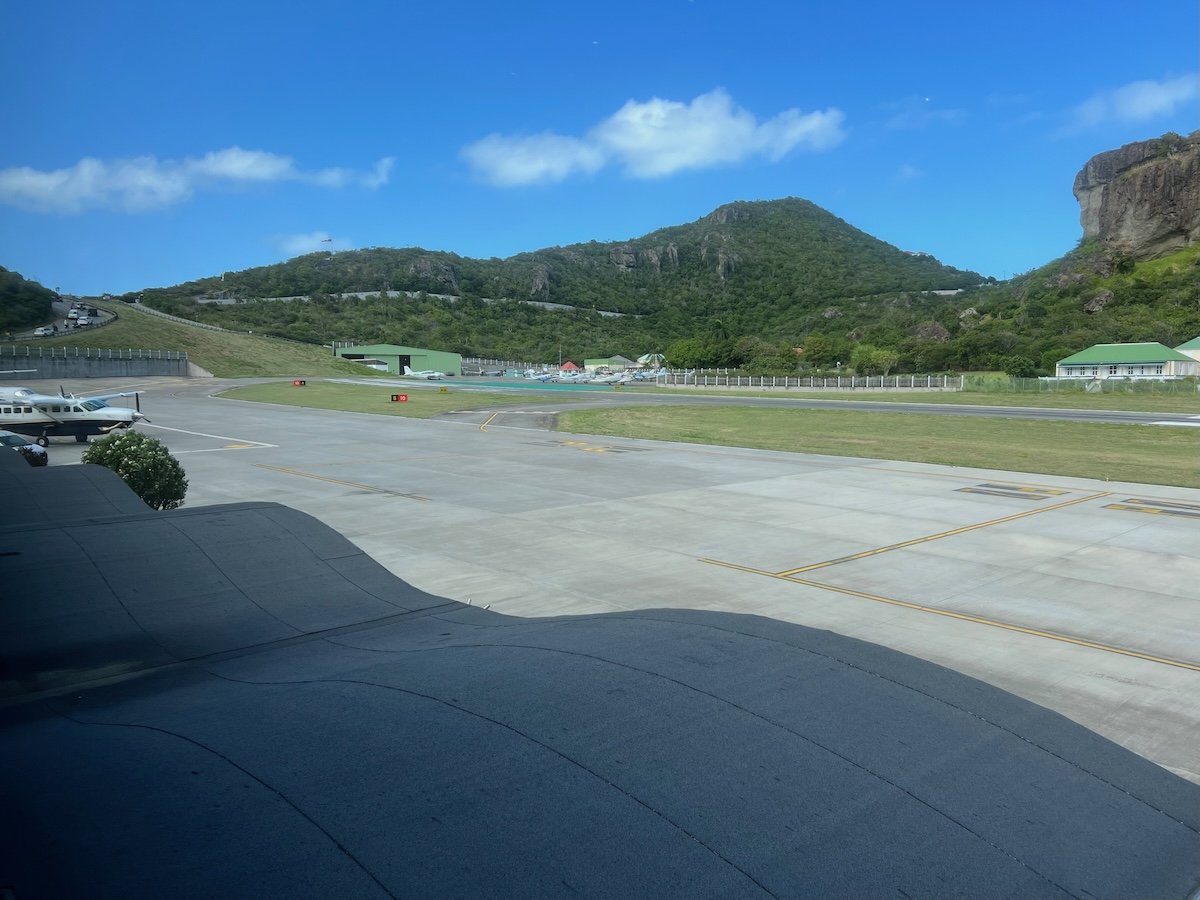
The infrastructure of Gustaf III Airport is defined by its integration into the island’s mountainous terrain. The airport’s single runway, 10/28, is flanked by steep hills on the landward side and the Caribbean Sea on the seaward side. The primary challenge for incoming flights on Runway 10 is the "Col de la Tourmente," a hill located at the head of the approach path. Pilots must execute a steep descent over this ridge, clearing a busy public road before touching down on a runway that offers very little margin for error.
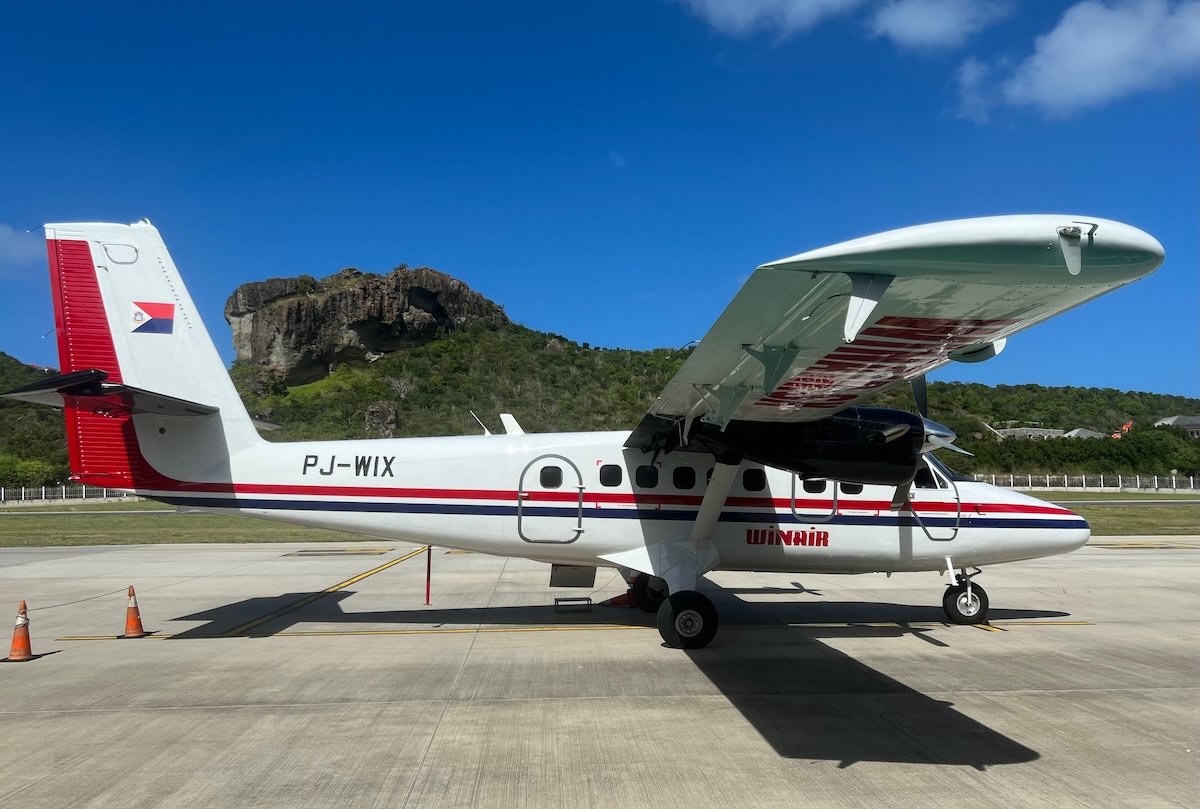
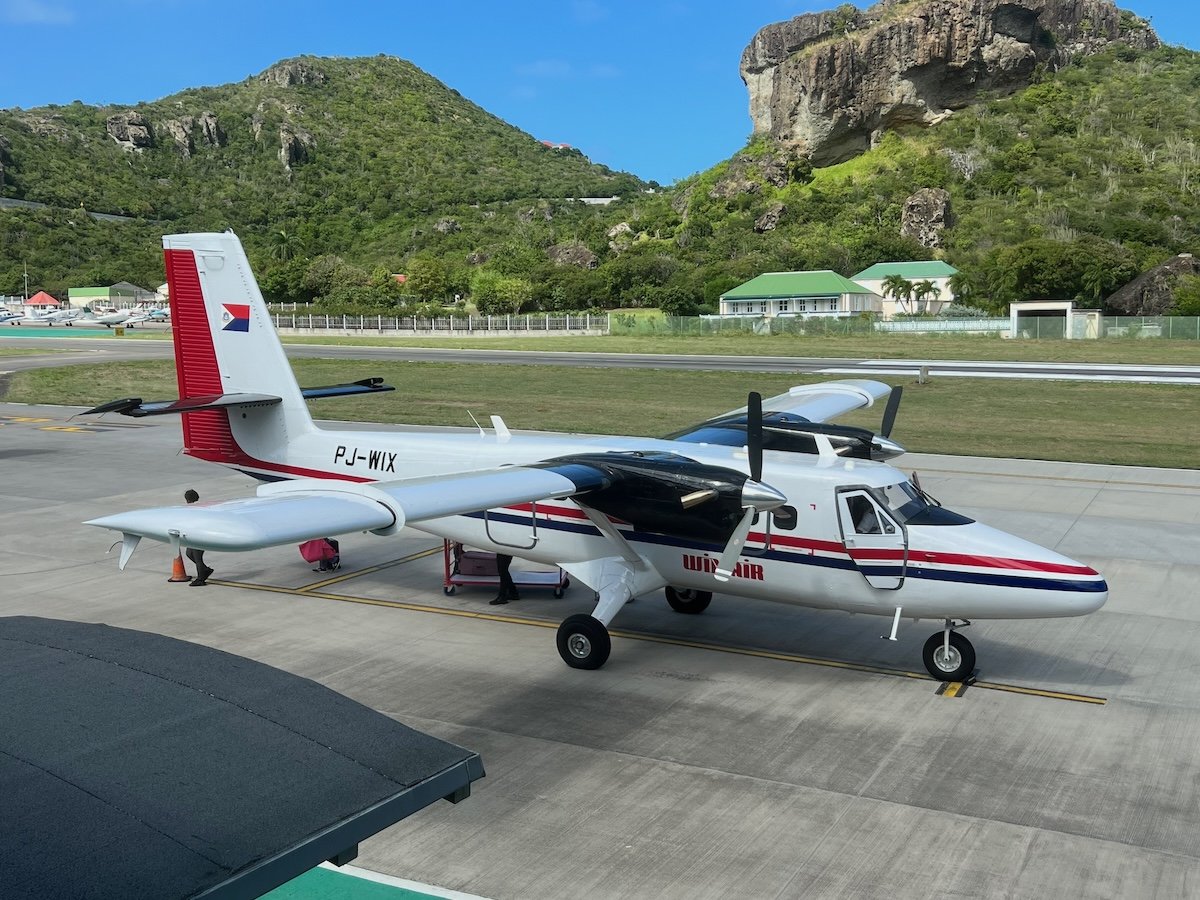
Because of these constraints, the airport is strictly limited to Short Takeoff and Landing (STOL) propeller-driven aircraft. Jet aircraft are prohibited from landing at SBH due to the runway’s insufficient length for high-speed braking and the specific climb gradients required for departure. The most common aircraft seen at the facility include the de Havilland Canada DHC-6 Twin Otter, the Pilatus PC-12, and the Cessna 208 Caravan. These airframes are selected for their high-performance engines and ability to achieve lift or come to a complete stop within very short distances.
Regulatory Framework and Pilot Certification
The French Civil Aviation Authority (Direction Générale de l’Aviation Civile, or DGAC) maintains stringent oversight of operations at St. Barthélemy. Unlike standard airports where any licensed pilot with the appropriate type rating may land, SBH requires a specialized "site qualification." Pilots must undergo specific training that includes both theoretical ground school and practical flight hours focused on the unique approach and departure maneuvers required for the island.
This certification process ensures that flight crews are prepared for the "sinking" sensation caused by the rapid descent over the hill and are trained to manage the wind shear often present in the valley. Aviation safety experts categorize the airport as a "Category C" facility, a designation reserved for airports that require specific training and experience due to unusual weather, terrain, or technical difficulties. This regulatory barrier serves as the primary safety mechanism for the island, ensuring that only the most experienced regional aviators operate the daily flight schedules.

Historical Safety Analysis and Incident Chronology
While Gustaf III Airport is frequently cited in popular media as one of the world’s most "dangerous" airports, a longitudinal analysis of its safety record suggests a high level of operational reliability. The most significant incident in the airport’s modern history occurred on March 24, 2001, involving an Air Caraïbes de Havilland Canada DHC-6 Twin Otter (Flight 1501). The aircraft crashed into a house during its approach, resulting in the loss of all 19 people on board and one person on the ground. The subsequent investigation by the Bureau of Enquiry and Analysis for Civil Aviation Safety (BEA) determined the cause to be pilot error, specifically regarding the improper management of engine thrust during the final approach phase.
Since the 2001 disaster, the airport has seen no major fatal commercial accidents. In August 2023, a light aircraft was involved in a non-fatal landing incident where it overshot the runway; however, all occupants were unharmed, and the aircraft was recovered. This 23-year period of relative safety, despite the high frequency of flights—sometimes exceeding 50 movements per day during the peak winter season—highlights the effectiveness of the DGAC’s specialized training mandates and the advancements in modern avionics used by regional carriers.
Regional Connectivity and Economic Impact
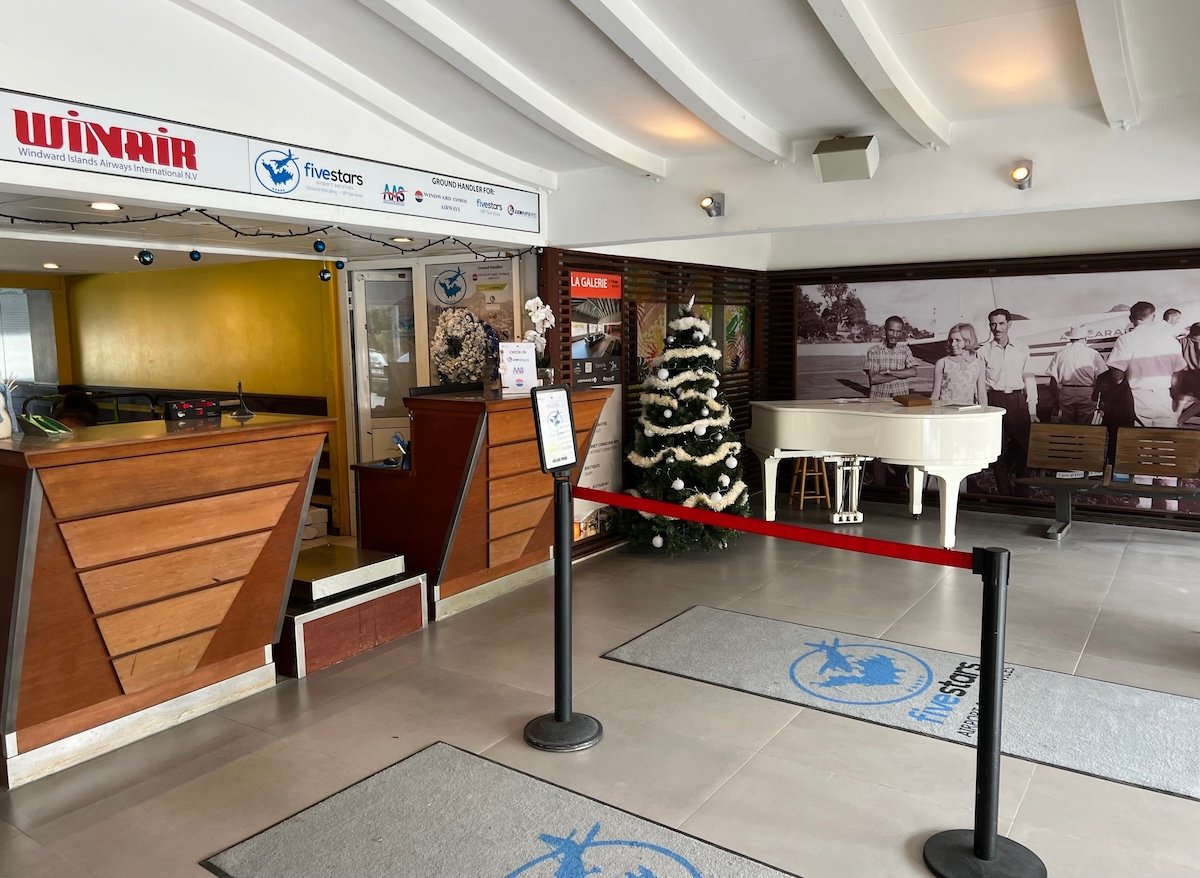
The airport functions as a vital economic artery for Saint Barthélemy. Given the island’s status as a premier luxury destination, the efficiency of the air bridge to larger regional hubs is critical. The primary feeder route is from Princess Juliana International Airport (SXM) in St. Martin, located approximately 20 miles away. Winair, the government-owned airline of St. Maarten, is the dominant carrier on this route, often operating "shuttle" style service where flights depart every 15 to 30 minutes.
Other key operators include:
- Tradewind Aviation: A U.S.-based carrier that operates premium scheduled service from San Juan (SJU), Antigua (ANU), and St. Thomas (STT) using the Pilatus PC-12.
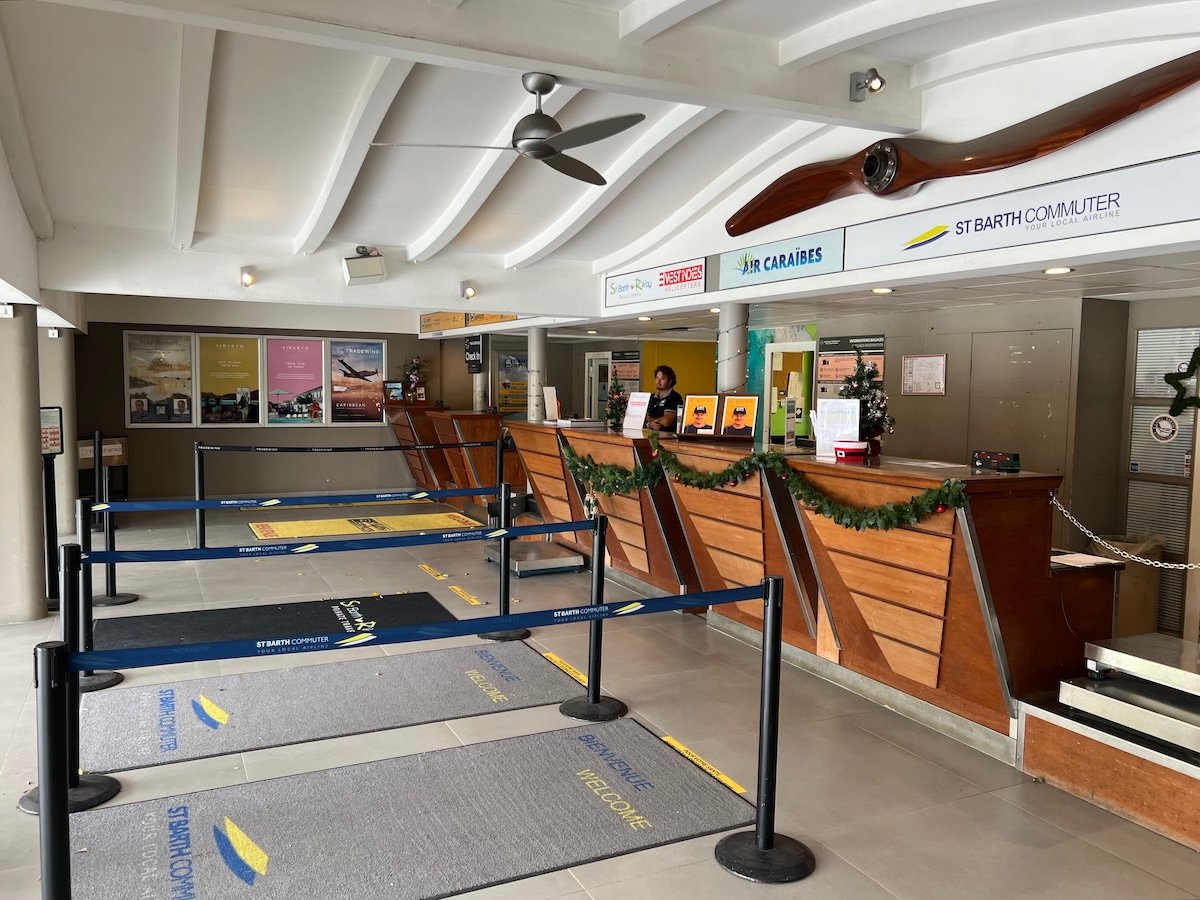
- St. Barth Commuter: A locally based airline providing both scheduled and charter flights to neighboring islands.
- Cape Air: Operates connections from San Juan and other Caribbean points.
- St. Barth Executive: Focuses on private charter and high-capacity medical evacuations.
The logistical reliance on these propeller aircraft creates a unique passenger flow. Travelers arriving from Europe or North America on long-haul jets must transfer at hubs like St. Martin or San Juan. For the local government, maintaining the airport’s throughput is a priority, as the ferry service from St. Martin, while functional, is subject to sea conditions and provides a less seamless experience for high-net-worth visitors.

Infrastructure and Terminal Operations
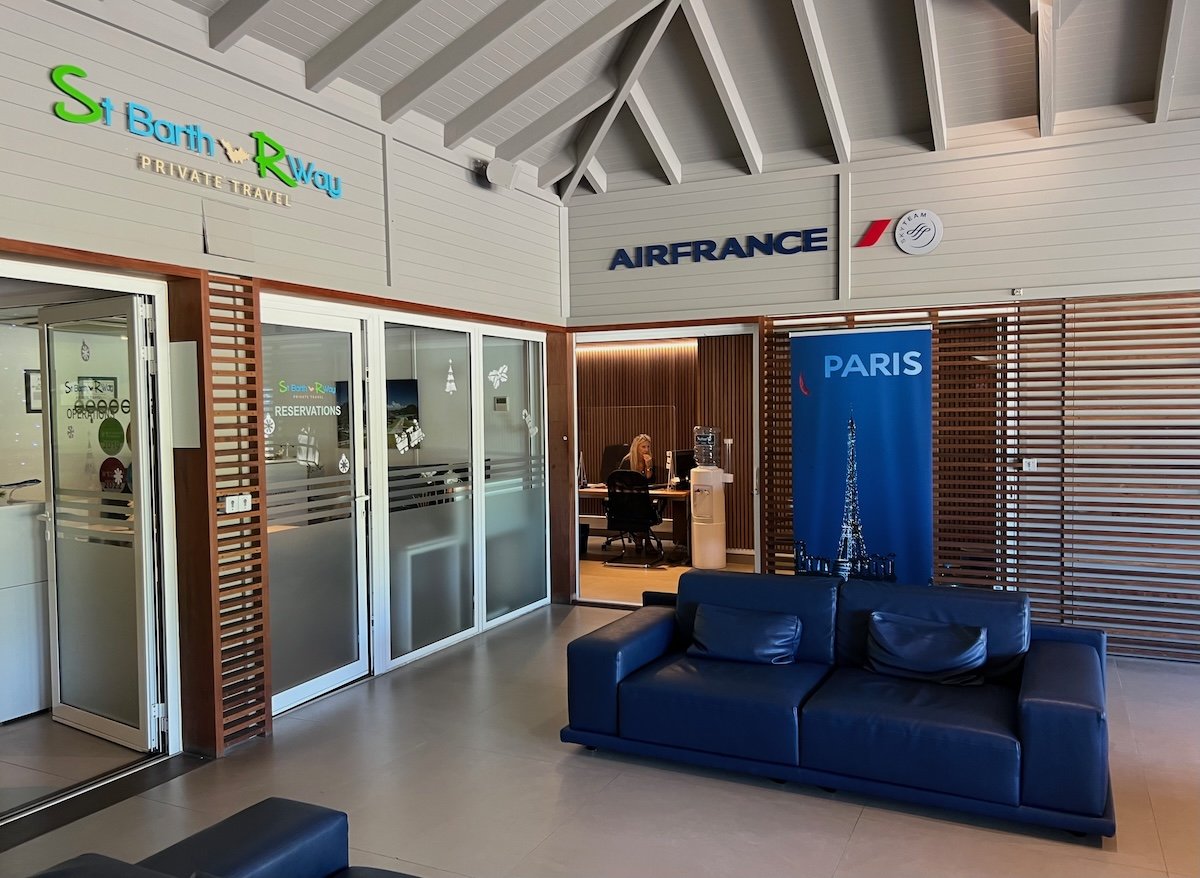
The Gustaf III Airport terminal was designed to reflect the island’s aesthetic while maximizing limited space. Unlike traditional international airports with vast concourses and jet bridges, the SBH terminal utilizes an open-air architecture for its landside operations. The check-in area is integrated with the tropical environment, reducing the need for heavy climate control in public transition zones.
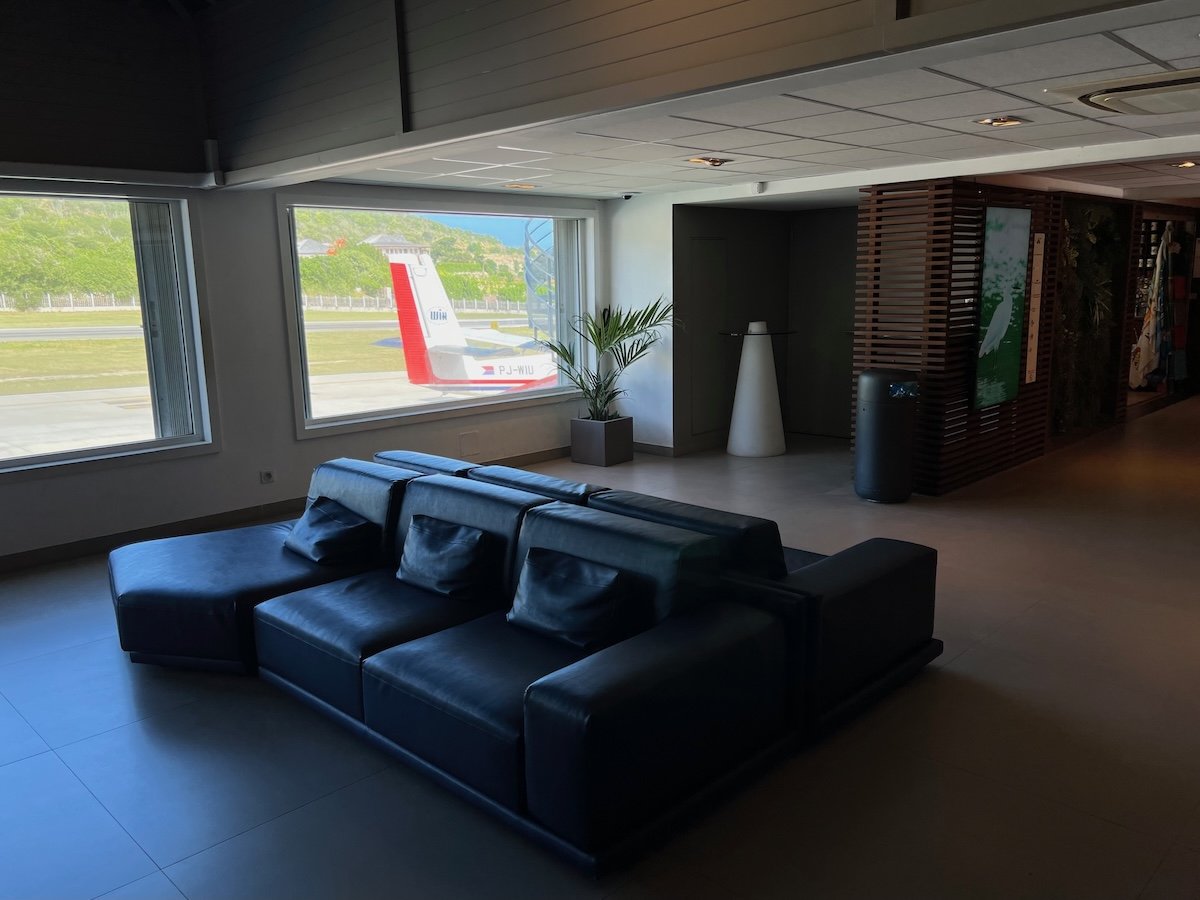
In recent years, the terminal has undergone upgrades to enhance the passenger experience. This includes the implementation of a centralized "lounge" area on the upper level, which serves as a departure holding room for all airlines. This facility is air-conditioned and provides panoramic views of the apron and runway, allowing passengers to observe aircraft movements in a controlled environment.
A notable feature of the airport’s operation is its streamlined security and immigration process. Because the vast majority of flights are regional "inter-island" hops, the security protocols are adapted to the specific risks of small-aircraft aviation. Passengers often find they can arrive at the airport much closer to their departure time than at larger international hubs, a factor that contributes to the island’s reputation for convenience.
Broader Implications for Aviation Safety and Tourism
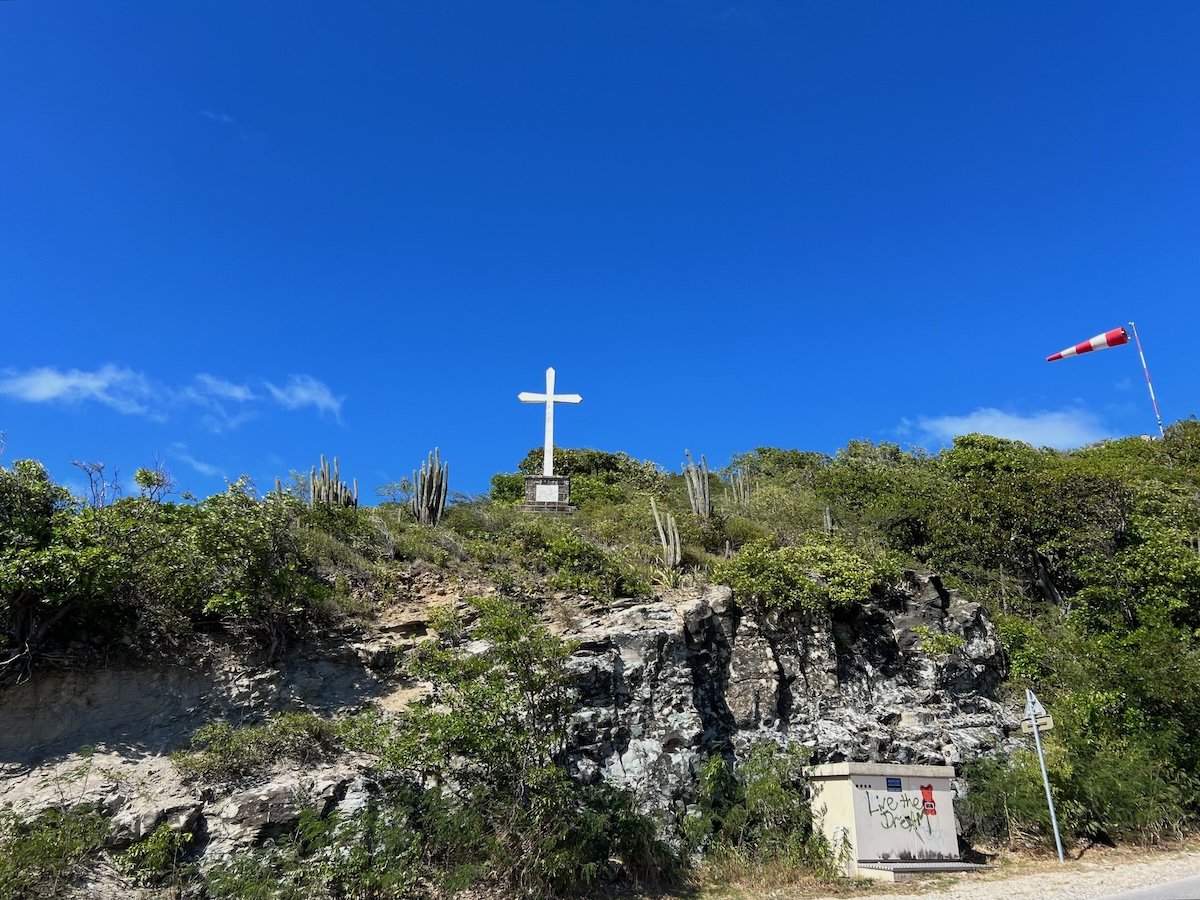
The continued success of Gustaf III Airport provides a case study in how topographical limitations can be mitigated through rigorous training and specialized equipment. The airport’s "spectator" culture—where tourists and aviation enthusiasts gather at the Col de la Tourmente to watch landings—has turned a technical challenge into a unique branding asset for the island. However, local authorities remain vigilant regarding public safety. Signs are prominently posted at the end of the runway and on the surrounding hills warning pedestrians of the dangers of jet blast and low-flying aircraft.
Looking toward the future, the airport faces the challenge of balancing increasing demand for luxury travel with the physical limits of its 650-meter runway. There is little room for physical expansion without significant environmental impact or astronomical costs associated with land reclamation. Consequently, the focus remains on operational efficiency and the adoption of next-generation STOL aircraft that offer quieter engines and more advanced flight management systems.

In summary, Gustaf III Airport is far more than a "dangerous" novelty; it is a sophisticated aviation ecosystem. The combination of French regulatory precision, specialized aircraft performance, and the economic necessity of regional connectivity ensures that SBH remains one of the most vital—and technically impressive—transportation hubs in the Caribbean. The safety record over the last two decades serves as a testament to the fact that with proper oversight and pilot skill, even the most daunting geographic obstacles can be navigated successfully on a daily basis.




 Anjar Salim
 Chandra Hamzah
 Tatiana Tantri Indah Sari
 Lukman Taruna Persada Ramadan
