
 Walid Sujud Trenggono
The resurgence of the maritime travel sector in the Southern Hemisphere has signaled a significant shift in consumer behavior, moving away from high-intensity itineraries toward "slow travel" experiences designed to foster mental clarity and physiological recovery. As the global travel industry recalibrates in the post-pandemic era, South Pacific cruise itineraries have emerged as a primary vehicle for this transition, blending logistical convenience with the proven psychological benefits of "blue space" immersion. Carnival Cruise Line, a dominant force in the Australian maritime market, has strategically positioned its South Pacific offerings to capitalize on this growing demand for wellness-centric travel, providing a structured yet flexible environment that addresses the modern epidemic of burnout and digital fatigue.
The Strategic Evolution of South Pacific Maritime Itineraries
The history of cruising in the South Pacific is rooted in the mid-20th century, but the modern iteration of these voyages represents a sophisticated evolution in logistics and guest experience. Initially characterized by brief port calls and a focus on onboard entertainment, contemporary South Pacific cruises now emphasize a deeper integration with the natural and cultural landscapes of Melanesia and Polynesia. This evolution is driven by a data-backed understanding of traveler motivations, which increasingly prioritize authentic cultural exchange and environmental connection over traditional sightseeing.
The South Pacific region, encompassing destinations such as Vanuatu, New Caledonia, and Fiji, offers a unique geographical advantage for cruise operators based in Australia. The proximity of these archipelagos to major ports like Sydney and Brisbane allows for itineraries that maximize time spent in tropical environments while minimizing the stresses associated with long-haul air travel. For many travelers, the journey begins the moment they board, as the ship serves as a mobile sanctuary that removes the logistical burdens of traditional multi-destination travel—such as repeated packing, airport security, and local transportation arrangements.
The Psychological Impact of Blue Space Immersion
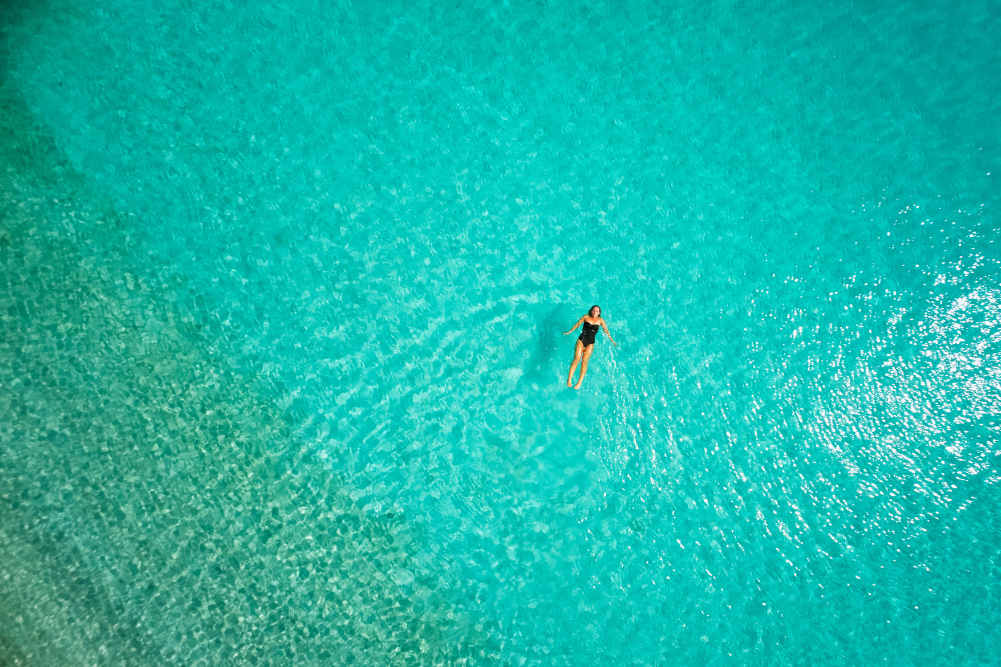
Central to the appeal of a South Pacific cruise is the concept of "blue space"—the scientifically documented positive impact that proximity to water has on human psychological health. Research conducted by various environmental psychology institutions suggests that viewing and being near large bodies of water can significantly lower cortisol levels, reduce heart rates, and improve overall mood. In the context of a maritime voyage, this immersion is constant.
The rhythmic nature of the ocean, combined with the expansive horizons visible from the deck, facilitates a state of "soft fascination." This cognitive state allows the brain to rest from the "directed attention" required by modern work environments and digital devices. As guests transition from the high-stress environment of urban life to the open sea, the absence of traditional stressors allows for a physiological reset. This is not merely a subjective experience of relaxation but a measurable shift in autonomic nervous system function, often resulting in improved sleep patterns and heightened mental clarity.
Chronology of the Modern Cruise Recovery and Expansion
To understand the current state of South Pacific cruising, one must examine the timeline of the industry’s recovery and its subsequent pivot toward wellness.

- 2020–2022: The Hiatus and Infrastructure Refinement. During the global cessation of cruise operations, major lines like Carnival invested in fleet upgrades and health protocol enhancements. This period allowed for a strategic reassessment of guest needs, identifying a latent demand for more meaningful, restorative travel.
- Late 2022: The Reopening of Australian Ports. The resumption of cruising from Australian hubs saw an immediate surge in bookings, particularly for short-to-medium-haul South Pacific routes. Initial passengers reported a primary desire for "disconnection" and "escape."
- 2023–2024: The Integration of Wellness Programming. Following the initial rebound, cruise lines began formalizing wellness offerings. This included the expansion of onboard spa facilities, the introduction of mindfulness and yoga programming, and the curation of shore excursions that emphasized nature and quietude.
- 2025 and Beyond: The Rise of Purposeful Exploration. Current trends indicate a move toward "purposeful exploration," where the cruise is viewed as a tool for personal development and cultural education, rather than just a vacation.
Economic and Cultural Synergy in Island Communities
The impact of South Pacific cruising extends far beyond the hull of the ship, playing a vital role in the regional economies of island nations. For many communities in Vanuatu and New Caledonia, the arrival of a cruise ship represents a significant influx of capital that supports local artisans, tour operators, and agricultural producers.
However, the modern approach to these visits is increasingly focused on sustainability and mutual respect. Guided shore excursions are now designed to provide context and education, moving beyond the "sun and sand" trope to include visits to local villages, participation in traditional cooking classes, and guided ecological tours. These interactions foster a genuine connection between the traveler and the host community. When a guest snorkels over a coral reef in a protected marine area or walks through a tropical garden with a local guide, the experience transcends mere tourism; it becomes an act of cultural and environmental witness.
Data from regional tourism boards suggest that cruise passengers who engage in these purposeful excursions report higher levels of satisfaction and a greater likelihood of returning to the region for longer land-based stays. This "sampling effect" is a critical component of the South Pacific’s broader tourism strategy, using the cruise industry as a gateway to long-term regional engagement.
Onboard Infrastructure: Balancing Activity and Stillness
The architecture of a modern Carnival cruise ship is a study in the balance of movement and calm. To accommodate the diverse needs of the contemporary traveler, the vessels are zoned to provide both high-energy communal spaces and secluded retreats.
The "rest and play" dynamic is facilitated by a range of amenities. For those seeking active recovery, outdoor games, swimming pools, and state-of-the-art fitness centers offer opportunities for physical exertion. Conversely, the Serenity Adult-Only Retreat and the Cloud 9 Spa provide dedicated spaces for silence and professional wellness treatments. This duality is essential; it acknowledges that for many, the path to relaxation requires an initial period of activity to "burn off" residual work stress before the mind can settle into true stillness.
The culinary experience also plays a role in this holistic approach. Moving away from the "all-you-can-eat" stereotypes of the past, modern cruise dining emphasizes variety, fresh ingredients, and regional flavors. The inclusion of island-inspired dishes allows guests to engage with the culture of their destinations through their palates, further deepening the sense of place.
Official Perspectives and Industry Analysis
Industry analysts note that the success of South Pacific cruising is largely due to its ability to offer a "curated autonomy." Unlike traditional tours, where every hour is scheduled, a cruise provides a framework within which the individual can choose their own pace.
A spokesperson for the Australian Cruise Association recently highlighted this trend, stating, "The modern cruiser is looking for more than just a destination; they are looking for a shift in perspective. The South Pacific provides the perfect canvas for this, and the cruise lines have become adept at providing the tools—whether that’s a quiet deck chair or a deep-sea snorkeling excursion—to facilitate that change."
Furthermore, environmental sustainability has become a cornerstone of official industry responses. As cruise lines navigate the pristine waters of the South Pacific, there is an increased focus on minimizing the ecological footprint. This includes advanced wastewater treatment systems, the elimination of single-use plastics, and strict adherence to international maritime regulations (MARPOL). These efforts are crucial for maintaining the very natural beauty that attracts wellness-seeking travelers to the region.
Broader Implications for the Future of Travel
The rise of wellness-focused South Pacific cruises reflects a broader societal shift toward valuing time and mental health over material accumulation. In a world characterized by "hyper-connectivity," the ability to step onto a vessel and sail into a region where the primary sounds are the wind and waves is increasingly viewed as the ultimate luxury.
This trend has significant implications for the future of the travel industry. It suggests that destinations and operators who prioritize the "human element"—the need for rest, reflection, and authentic connection—will outperform those who focus solely on spectacle. The South Pacific cruise model serves as a blueprint for this new era of travel, demonstrating that through careful planning and a respect for both the traveler and the environment, a holiday can become a transformative experience.
As travelers return from these journeys, the reported benefits are consistent: a sense of being "rested and clear-headed." This outcome validates the strategic pivot of companies like Carnival Australia, which have recognized that in the modern age, the most valuable service a travel provider can offer is the space to simply be. The South Pacific, with its clear lagoons, welcoming communities, and vast horizons, remains the ideal setting for this essential human reconnection.



 Anjar Salim
 Chandra Hamzah
 Tatiana Tantri Indah Sari
 Budi Mulyono
 Lukman Taruna Persada Ramadan
