
 Tatiana Tantri Indah Sari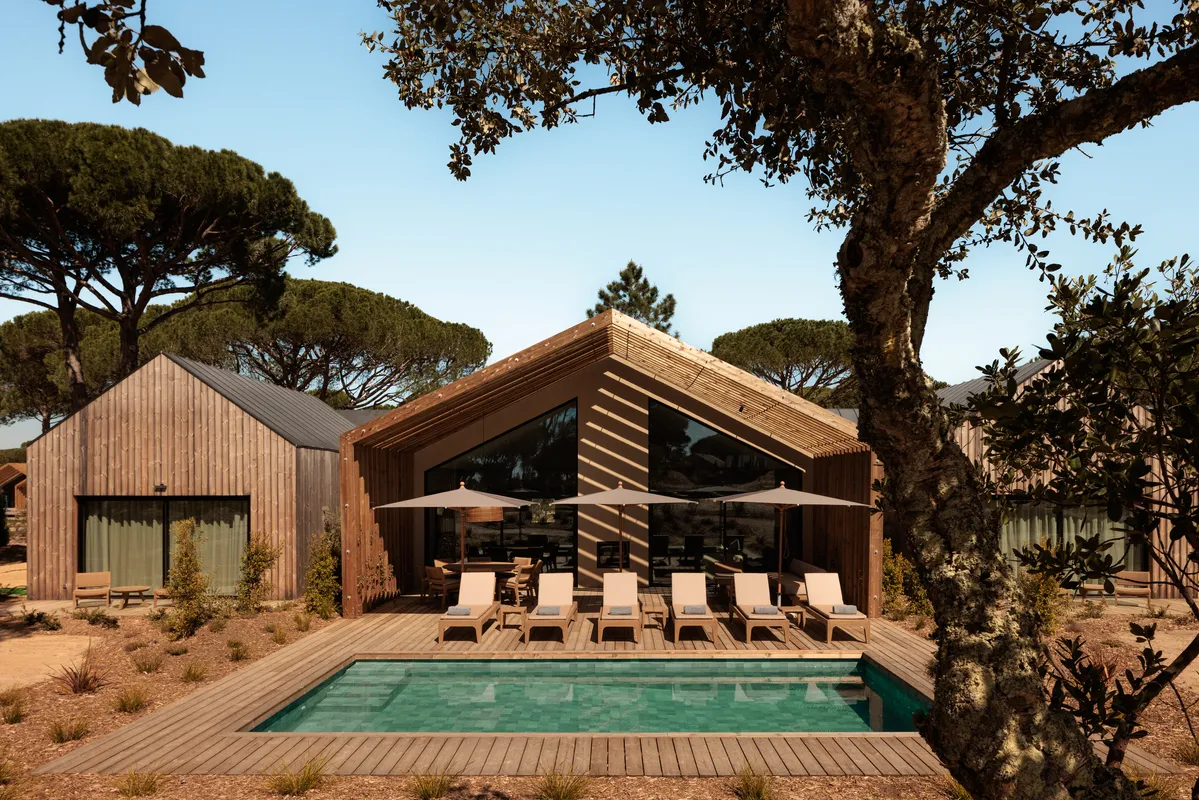
In the evolving landscape of global luxury hospitality, a distinctive pattern has emerged, revealing that some of the most innovative and successful independent hotel ventures are born not from seasoned industry veterans, but from visionary founders who had never previously worked in the sector. These individuals, unburdened by conventional wisdom and established paradigms, approach hotel development with an unparalleled freshness, an instinct for genuine experience, and a keen eye for unmet needs in a market often saturated with predictable offerings. They collect references and observe environments without the filter of what is "supposed" to work, noticing absences and arriving at destinations with fresh perspectives, asking fundamental questions that career hoteliers might have long ceased to consider. This phenomenon is not merely anecdotal but represents a significant force shaping the future of high-end travel.
The Genesis of Vision: Adrian Zecha and the Aman Legacy
Perhaps the most iconic example of this outsider brilliance is Adrian Zecha, the founder of Amanresorts. Before he launched what would become a global benchmark for ultra-luxury and discreet elegance, Zecha’s professional background was rooted in journalism. Born in Indonesia, his career began as a foreign correspondent, a role that honed his observational skills, cultivated an appreciation for diverse cultures, and fostered a deep understanding of storytelling—qualities that would later become hallmarks of the Aman brand.
In the late 1980s, Zecha, then a seasoned entrepreneur with ventures in publishing and property development, found himself searching for a different kind of luxury accommodation. He perceived a gap in the market for hotels that offered unparalleled privacy, understated elegance, exceptional service, and a profound sense of place, rather than overt opulence or standardized chain experiences. This insight led to the opening of Amanpuri ("place of peace") in Phuket, Thailand, in 1988. Amanpuri was revolutionary. It eschewed grand lobbies and sprawling resorts for intimate pavilions, personal service, and architectural designs that seamlessly blended with the natural environment. Its success wasn’t just about lavish amenities; it was about the feeling it evoked, the sense of escape and rejuvenation. Zecha’s journalistic instinct to delve deeper, to understand the essence of a location and translate it into an experience, fundamentally reshaped the definition of luxury travel. Aman’s philosophy, emphasizing seclusion, design integrity, and genuine local immersion, quickly garnered a cult following, influencing countless luxury brands that followed. The brand’s meticulous attention to detail, from the scent in the air to the quality of the linens, all stemmed from an outsider’s fresh, uncompromised vision of what true luxury should entail.
From Entrepreneurial Instincts: Kevin Wendell and Esencia
Another compelling narrative is that of Kevin Wendell, the founder of Esencia, a celebrated boutique hotel nestled along Mexico’s Riviera Maya. Wendell entered the hospitality sector as an entrepreneur, driven by instincts rather than industry training. His vision for Esencia was born from a desire to create a sanctuary that felt more like a private estate than a public resort, challenging the prevalent model of large, all-inclusive properties dominating the region.
Esencia, originally built as a private home for an Italian duchess, was transformed by Wendell into an intimate luxury retreat. His entrepreneurial approach focused on curated experiences, impeccable personalized service, and a deep reverence for the natural beauty of its beachfront location. Unlike many hotel developers who prioritize maximizing room count and operational efficiency, Wendell prioritized space, privacy, and an authentic connection to the environment. He understood that modern luxury travelers sought exclusivity and bespoke experiences over generic amenities. The resort’s design, integrating traditional Mexican elements with minimalist luxury, reflected a sophisticated understanding of aesthetics and comfort, unconstrained by typical hotel design briefs. Wendell’s success with Esencia underscored the idea that a profound understanding of the discerning traveler’s psyche, often gleaned from personal travel experiences and an entrepreneurial drive, could be more potent than years spent within the confines of hotel management.
Navigating New Waters: Tim Hartnoll’s Bawah Reserve
Tim Hartnoll, a Singapore-based shipping magnate, similarly charted an unconventional course into hospitality with the creation of Bawah Reserve. Located in the remote Anambas Islands of Indonesia, Bawah is a testament to what can be achieved when an individual from an entirely different industry applies their unique perspective to luxury travel. Hartnoll’s background in maritime logistics might seem distant from boutique hotels, yet it provided him with a profound understanding of remote operations, supply chains, and, crucially, an appreciation for untouched natural environments.
Hartnoll’s vision for Bawah was to create an ultra-exclusive, sustainable eco-resort that preserved the pristine beauty of its six islands, thirteen beaches, and three lagoons. This was not merely a business venture but a passion project rooted in a desire to protect and share a truly unspoiled paradise. The development timeline for Bawah was extensive, reportedly spanning five years to ensure minimal environmental impact during construction, utilizing local materials and sustainable practices. The resort officially opened in 2018, offering a distinct "no news, no shoes" philosophy, emphasizing digital detox and immersion in nature. Hartnoll’s outsider status allowed him to prioritize conservation and exclusivity above rapid commercialization, a decision that has resonated deeply with environmentally conscious luxury travelers. His entrepreneurial acumen, combined with a commitment to sustainability, enabled him to navigate the complexities of building a world-class resort in a remote, protected area, demonstrating that passion and an alternative skill set can yield extraordinary results.
The Pilot’s Perspective: Gonçalo Pessoa and Sublime Comporta
The story of Gonçalo Pessoa, founder of Sublime Comporta, offers yet another fascinating illustration of this phenomenon. Pessoa spent two decades as a captain for TAP Air Portugal, a career that involved meticulous attention to detail, precise execution, and extensive global travel. Unlike many of his colleagues who would simply rest at the crew hotel during layovers, Pessoa utilized his time between flights to explore. He actively sought out unique restaurants, observed the design of hotel lobbies, and absorbed architectural styles, building a comprehensive mental library of hospitality experiences without consciously knowing its future purpose.
"Other people just stayed at the crew hotel," Pessoa often remarks, highlighting his distinct approach. This active engagement with global hospitality, viewed through the discerning eyes of a frequent traveler and an individual accustomed to high standards and complex operations, proved invaluable. When he eventually decided to transition from aviation, his accumulated observations naturally gravitated towards creating a hotel experience. Sublime Comporta, nestled in the serene, unspoiled region of Comporta, Portugal, reflects this rich mental repository. Opened in 2014, it offers a rustic yet refined luxury, blending seamlessly with the surrounding pine forests and cork oaks. Pessoa’s background instilled in him a global perspective on service excellence and design, combined with a deep appreciation for the tranquility and authenticity he sought to replicate in his own venture. Sublime Comporta is characterized by its understated elegance, focus on farm-to-table dining, and integration with the natural landscape, offering guests a true escape that feels both luxurious and deeply rooted in its local environment.
The "Outsider Advantage": Why Fresh Eyes Succeed
The recurring success of these non-hospitality founders is not coincidental; it points to a significant "outsider advantage." These individuals typically share several key traits that allow them to innovate where industry insiders might adhere to established norms:
- Unfiltered Observation: Without pre-conceived notions of industry best practices, they observe the market and consumer needs with a fresh, unbiased perspective. They see gaps and opportunities that might be invisible to those entrenched in the day-to-day operations of traditional hotels.
- Customer-Centricity: Many of these founders were, first and foremost, discerning travelers themselves. They built properties they themselves would want to stay in, prioritizing authentic experiences, genuine comfort, and personalized service over standardized protocols. This inherent customer-centricity leads to more intuitive and thoughtful guest experiences.
- Willingness to Challenge Norms: Lacking a background in hotel management often means they are unafraid to defy conventional wisdom regarding design, service models, operational structures, or even financing. This freedom from dogma fosters genuine innovation.
- Strong Vision and Storytelling: Their unique journeys often equip them with a compelling narrative and a clear, unwavering vision for their property. This vision translates into a strong brand identity and a distinct "soul" for the hotel, attracting guests seeking authenticity.
- Focus on "Absence": As the original excerpt notes, they "noticed absence." This refers to their ability to identify market segments that are underserved or where existing offerings fall short of true potential. Whether it was Zecha’s desire for discreet luxury, Wendell’s quest for private sanctuaries, Hartnoll’s commitment to sustainable exclusivity, or Pessoa’s search for rustic elegance, each identified a void and filled it with a highly differentiated product.
Market Dynamics and Supporting Data
The success of these independent, founder-led hotels aligns with broader shifts in the global travel market. The past two decades have seen a significant pivot from standardized, brand-heavy accommodations towards unique, authentic, and experiential stays.
- Growth of Independent Hotels: While large chains still dominate in terms of sheer volume, the independent and boutique hotel sector has demonstrated robust growth. Data from various hospitality analytics firms consistently show that boutique hotels, which often share the characteristics of these founder-led properties, are a rapidly expanding segment, especially in the luxury and lifestyle categories. A 2023 report by CBRE Hotels Research indicated a growing preference among travelers for unique, experience-driven accommodations, fueling the demand for independent properties.
- Rise of Experiential Travel: The modern traveler, particularly in the affluent demographic, increasingly seeks experiences over possessions. They desire immersion in local culture, sustainable practices, wellness offerings, and a sense of discovery. Hotels founded by outsiders are often inherently designed with these experiential elements at their core, as they are not constrained by traditional ROI models that might deprioritize unique, less scalable offerings.
- Impact of Social Media and Online Reviews: Platforms like Instagram and TripAdvisor have amplified the visibility of unique properties. A visually stunning, story-rich independent hotel can gain significant traction through organic social media engagement and glowing guest reviews, often outperforming properties with larger marketing budgets but less distinctive offerings.
- Post-Pandemic Shift: The COVID-19 pandemic further accelerated the demand for secluded, nature-integrated, and health-focused retreats. Properties like Bawah Reserve and Sublime Comporta, with their emphasis on privacy and natural settings, were well-positioned to meet this evolving consumer need. The desire for genuine connection and escape from urban environments has reinforced the value proposition of these thoughtfully designed havens.
Challenges and Triumphs of the Unconventional Path
While the "outsider advantage" is clear, these founders also face significant challenges. Lacking a background in hospitality operations, they must quickly learn the intricacies of hotel management, from staffing and service standards to complex supply chains and regulatory compliance.
- Operational Expertise: This is often mitigated by hiring experienced general managers and operational teams who can translate the founder’s vision into seamless execution. The challenge lies in ensuring that the operational team understands and upholds the unique ethos of the property, rather than defaulting to conventional industry practices.
- Financing: Securing funding for a non-traditional hotel concept, especially from an individual without a hospitality track record, can be more challenging. It requires a compelling vision, robust business planning, and often significant personal investment or strong relationships with discerning investors who share the founder’s long-term vision.
- Scaling and Consistency: As some of these brands grow (e.g., Aman), maintaining the unique identity and high standards across multiple properties, each with its own local context, becomes a complex balancing act. The challenge is to scale the philosophy, not just the brand name.
Despite these hurdles, the triumphs of these unconventional hoteliers are undeniable. They have demonstrated that genuine passion, an uncompromised vision, and a deep understanding of the human desire for authentic connection and exceptional experience can disrupt an established industry and create enduring legacies.
The Broader Implications for Hospitality
The rise of the non-hospitality founder has profound implications for the wider industry:
- Innovation Imperative: It serves as a powerful reminder for established hotel chains and developers that innovation often comes from challenging assumptions. It pushes them to re-evaluate their offerings, move beyond standardization, and embrace more creative, localized, and experience-driven approaches.
- Redefining Luxury: These founders have helped redefine luxury itself, shifting the focus from overt grandeur and gold-plated fixtures to discreet elegance, unparalleled service, privacy, authenticity, and a profound sense of place. Luxury is now often about what isn’t there (crowds, noise, generic decor) as much as what is.
- Talent Diversity: The success stories encourage a more diverse talent pool to consider careers in hospitality development. It suggests that valuable skills and insights can come from any field—journalism, aviation, shipping, entrepreneurship—and that a fresh perspective can be a tremendous asset.
- Consumer Expectations: As more travelers experience these uniquely crafted properties, their expectations for all accommodations rise. This creates a virtuous cycle, compelling the entire industry to elevate its game.
In conclusion, the recurring character of the non-hospitality founder in the independent hotel narrative is more than a quirky anomaly; it is a fundamental driver of innovation and excellence. Visionaries like Adrian Zecha, Kevin Wendell, Tim Hartnoll, and Gonçalo Pessoa, by daring to question the status quo and build from a place of pure instinct and genuine observation, have not only created extraordinary places to stay but have also indelibly shaped the very definition of luxury and experiential travel for a new generation of global explorers. Their stories underscore a timeless truth: true innovation often springs from the fringes, unencumbered by the very traditions it ultimately transforms.



 Anjar Salim
 Chandra Hamzah
 Budi Mulyono

