
 Walid Sujud Trenggono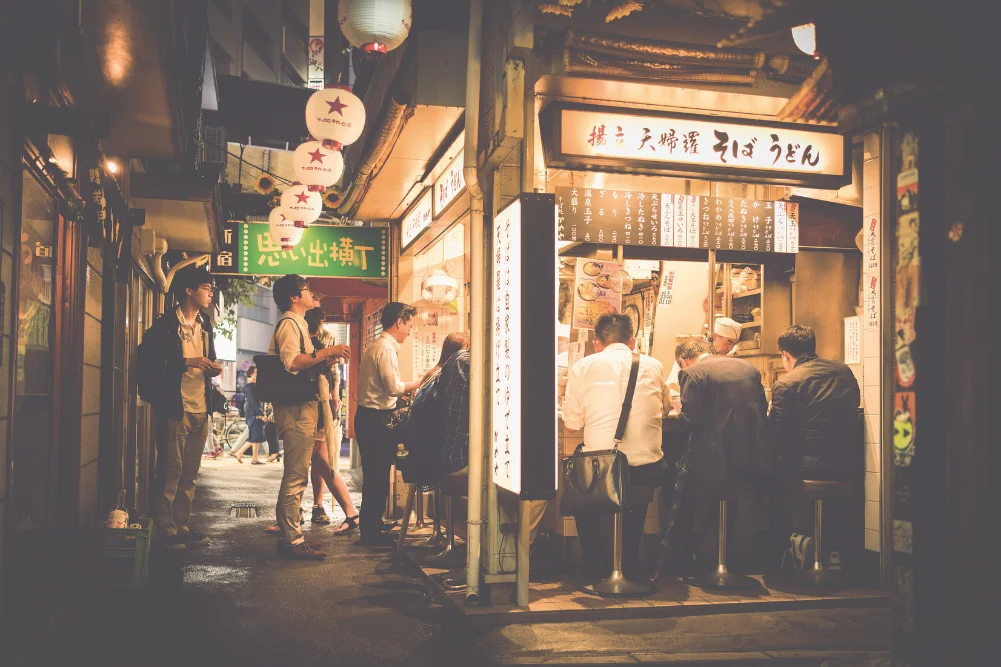
The phenomenon of solo female travel has undergone a significant transformation over the past four decades, evolving from a societal rarity to a mainstream pursuit of self-actualization and professional development. This evolution is particularly evident in the context of Japan, a nation that has transitioned from an insular economic powerhouse in the 1980s to a global hub for cultural exchange. A detailed examination of an expatriate’s multi-decade relationship with Japan—ranging from childhood residency to a high-stakes solo expedition on Mount Fuji—reveals the complexities of navigating foreign landscapes, the nuances of Japanese corporate etiquette, and the inherent risks associated with high-altitude trekking without adequate preparation.
Historical Context: The Expat Experience in the 1980s
The narrative of international relocation in the early 1980s was often defined by the "bubble economy" era in Japan. During this period, the country saw a massive influx of foreign professionals, particularly from Western nations, as Tokyo established itself as a primary global financial center. For the children of these expatriates, the experience was one of sensory immersion and early globalization.
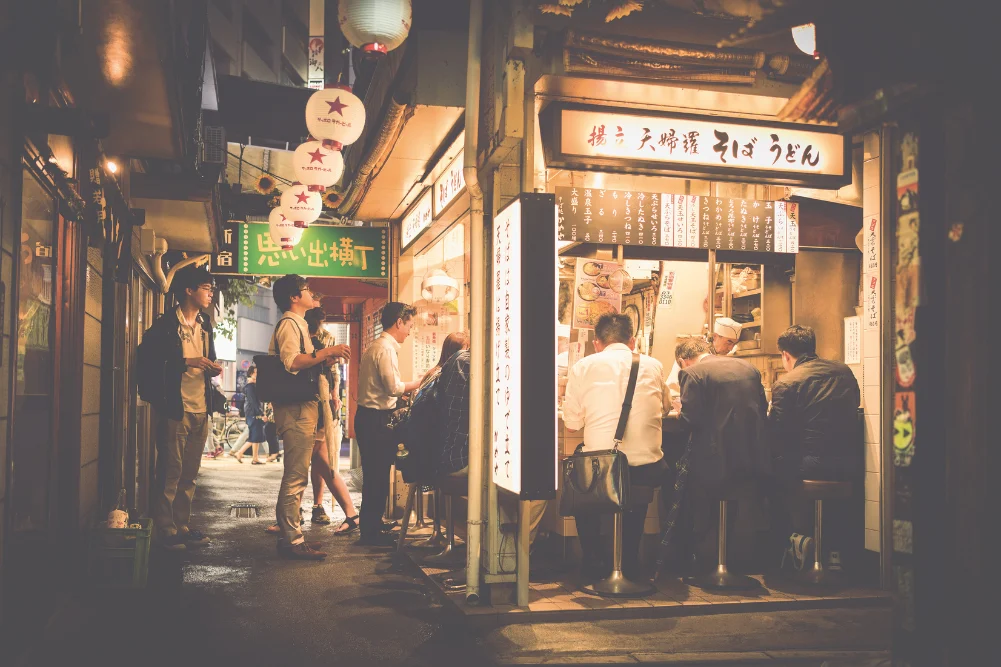
Data from the Japanese Ministry of Justice indicates that the number of registered foreign residents in Japan grew steadily throughout the 1980s, reaching nearly one million by the end of the decade. For many "third culture kids," the transition to Japan was characterized by a distinct sensory palette: the olfactory signature of yakitori smoke and concrete, the visual density of Tokyo’s urban architecture, and the linguistic rhythmic cadence of a language they were only beginning to grasp. This era established the foundational "seedling of adventure" for a generation that would later return to Japan as independent adults, seeking to reconcile childhood memories with adult realities.
The Shift in Solo Female Travel and Passport Regulations
By the mid-1990s, the landscape for female travelers had shifted dramatically. Historically, administrative barriers significantly restricted women’s mobility. In the mid-19th century, approximately 95 percent of passports were issued to men; women typically traveled under their husband’s protection and documentation. It was not until the late 20th century that solo female travel became a recognized and socially acceptable pursuit.
The 1990s represented a pivotal decade for young women seeking independent international experiences. For the returning expatriate, a four-week senior project in Japan served as a rite of passage. This period marked the transition from traveling as a dependent to navigating customs and immigration as an individual. The psychological weight of holding one’s own passport and signing official declarations became a symbol of personal sovereignty. During this era, Tokyo remained a city of contrasts—simultaneously familiar through the lens of nostalgia and daunting in its complexity. The logistical challenges of the time, including navigating narrow streets and managing heavy luggage without the aid of modern smartphone GPS or translation apps, underscored the physical and mental demands of solo exploration.
Corporate Culture and the ‘Gaijin’ Experience in the Late 1990s
In the late 1990s, Japan’s corporate environment was characterized by rigid hierarchies and deeply ingrained rituals, a setting that provided a rigorous training ground for international interns. The term gaijin, translated as "outside person," defined the status of many foreigners working within Japanese firms. While some perceived the term as exclusionary, it accurately reflected the reality of a homogenous society with thousands of years of tradition.
For a young professional interning at a multinational company in Tokyo, the experience required a mastery of keigo (honorific language) and an understanding of non-verbal cues. Key aspects of Japanese business etiquette during this period included:
- Meishi Koukan (Exchange of Business Cards): The ritual of presenting and receiving business cards with both hands, ensuring the card is oriented toward the recipient, and treating the card with the utmost respect.
- The Depth of Bowing: Understanding that the angle of a bow signifies the level of respect and social standing between the parties involved.
- Saving Face: A cultural imperative to avoid direct confrontation and maintain social harmony, often requiring "circuitous" communication styles.
For the solo traveler, this period was not merely about professional development but about "owning mistakes and progress." The ability to adapt one’s tone, gestures, and listening skills to fit the cultural context became a critical survival mechanism in the high-stakes world of international business.
The Mount Fuji Incident: A Case Study in Recreational Risk
The most significant challenge of this multi-decade journey occurred during a summer attempt to summit Mount Fuji (Fuji-san). Mount Fuji, a UNESCO World Heritage site, attracts between 200,000 and 300,000 climbers annually during the official climbing season (July to early September). Despite its accessibility, the mountain presents severe risks to those who are under-prepared.
In the late 1990s, the subject and a companion attempted a one-day climb from the base camp. Analysis of the incident highlights several critical failures in preparation that are common among recreational hikers:
- Inadequate Gear: The climbers utilized standard running shoes and makeshift layers, supplemented only by cheap plastic rain ponchos purchased at the base. Technical hiking boots and moisture-wicking layers are considered essential for Fuji’s volcanic terrain and unpredictable weather.
- Weather Miscalculation: While the climb began in joy and wonder, the environmental conditions quickly deteriorated. High-altitude winds and dense fog—often compared to "San Francisco fog"—can reduce visibility to near zero and lead to rapid hypothermia.
- The "Forbidden Forest" Hazard: Warnings from local colleagues regarding the "Forbidden Forest" (likely a reference to the Aokigahara forest or the dense woodland around the mountain’s base) were initially dismissed. Aokigahara is notorious for its density and the presence of magnetic iron in the volcanic soil, which can cause compasses to malfunction, leading hikers to lose their orientation.
Chronology of the Descent and Rescue
The descent proved more hazardous than the ascent. As the sun set and the terrain became slippery and steep, the climbers realized they had veered off the marked path. The psychological toll of being lost in a forest with "zero idea" of their location led to a breakdown in group morale.
- Hour 5 of Ascent: Reached the crater amidst heavy winds and cloud cover.
- Hour 2 of Descent: Onset of physical fatigue and knee pain due to improper footwear and the steep gradient.
- Hour 4 of Descent: Loss of light and orientation. The climbers began calling for help as they navigated the near-darkness.
- Resolution: The climbers were discovered by a local resident equipped with a flashlight. They were provided with food and shelter before being escorted to a bus, illustrating the "grace" and hospitality often found in rural Japanese communities.
Broader Impact and Implications for Modern Travel
The account of the Mount Fuji expedition serves as a cautionary tale for the modern "adventure tourism" sector. Since the late 1990s, Japanese authorities have significantly increased safety measures on Mount Fuji, including the introduction of "climbing coordinators," improved signage, and a voluntary 1,000-yen "Mt. Fuji Conservation Donation" to fund safety and environmental protection.
From a psychological perspective, the "Forbidden Forest" serves as a metaphor for the challenges encountered in solo travel. The experience of navigating a life-threatening situation fosters a unique form of resilience. According to travel psychologists, solo travel forces individuals to rely entirely on their own intuition and decision-making skills, leading to an increased "locus of control"—the belief that one can influence the outcomes of their life.
Conclusion: The Enduring Value of Cultural Literacy
The journey from a ten-year-old expatriate to a law student intern and survivor of Mount Fuji underscores the enduring value of cultural literacy and self-reliance. Japan remains a primary destination for those seeking to test their limits. However, the transition from being an "outside person" to an informed traveler requires more than just a passport; it requires a deep respect for the environment and the cultural nuances of the host nation.
The lessons learned in the "Forbidden Forest" of the mind—moving forward one step at a time and trusting one’s internal compass—remain applicable to both international travel and professional life. As solo female travel continues to grow, the integration of rigorous preparation with an openness to the "power of choosing one’s own path" remains the definitive standard for a successful global adventure.



 Anjar Salim
 Chandra Hamzah
 Tatiana Tantri Indah Sari
 Budi Mulyono
 Lukman Taruna Persada Ramadan
