
 Chandra Hamzah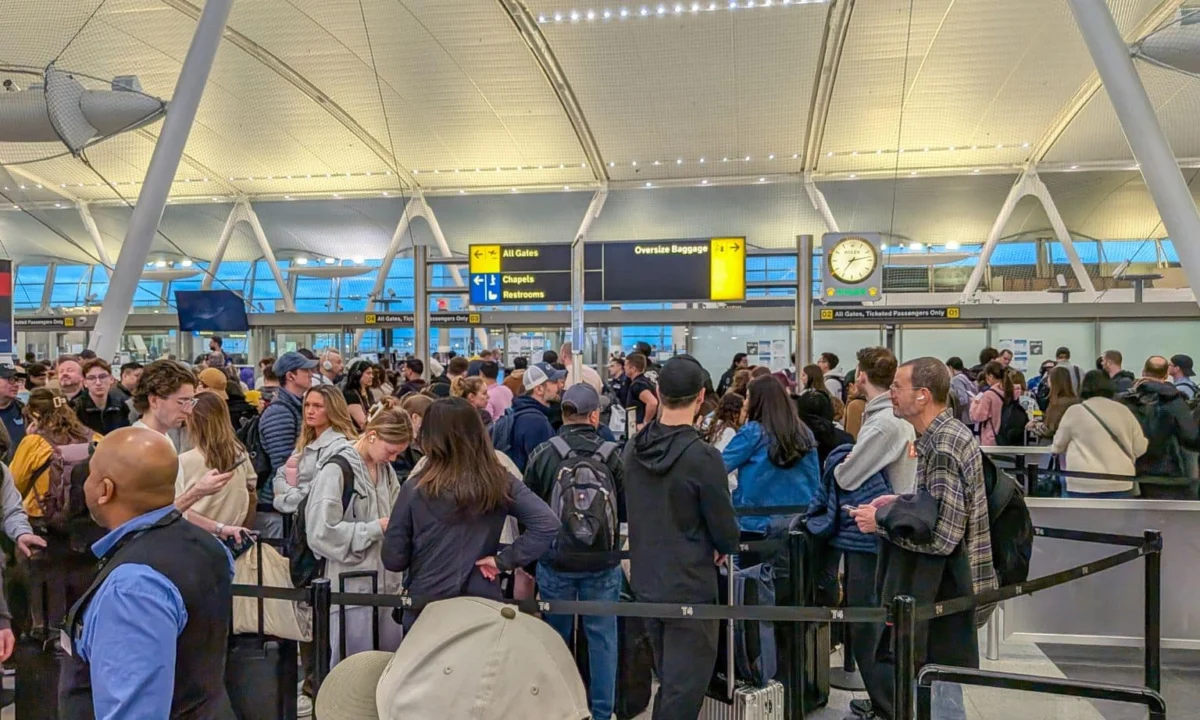
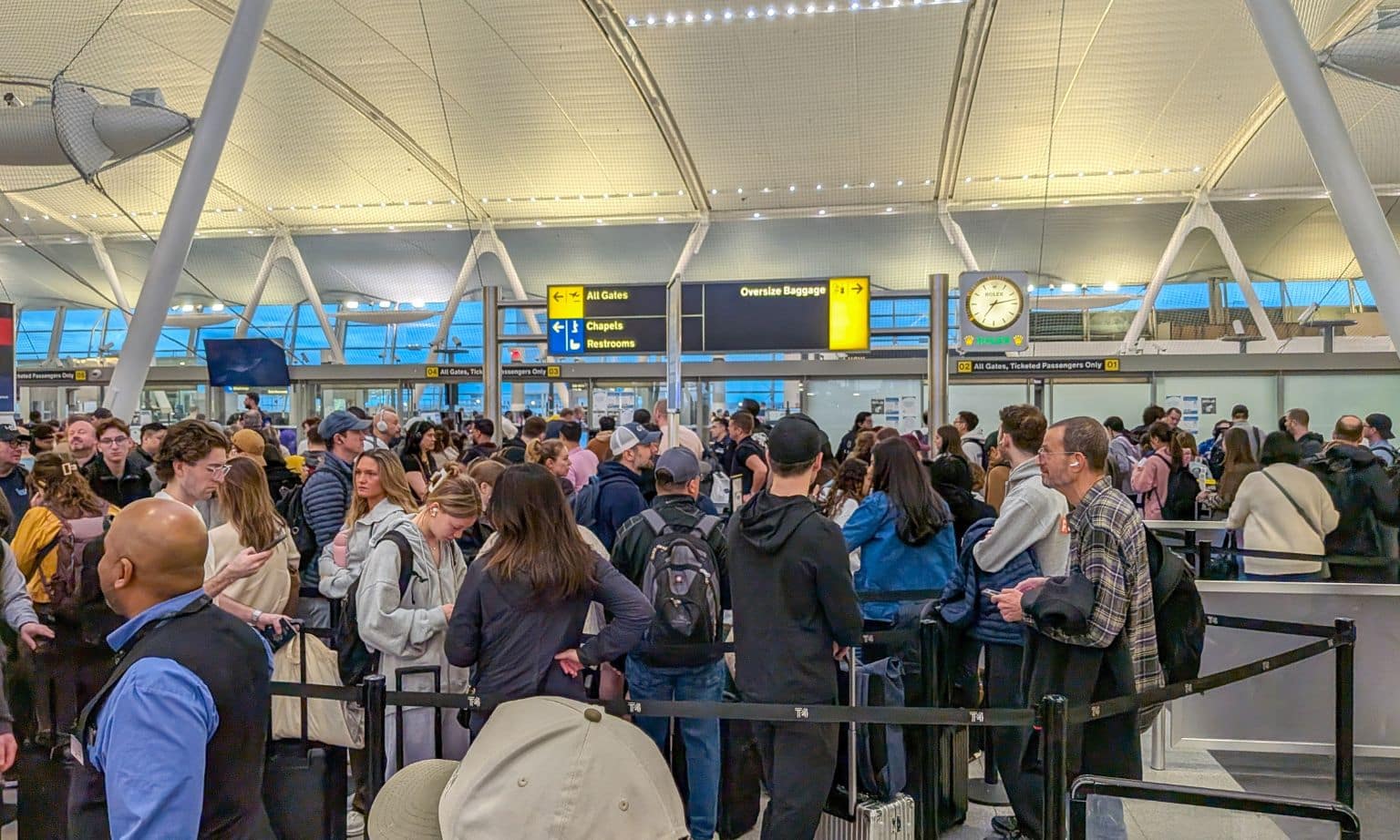
The European Union’s ambitious new Entry and Exit System (EES) has descended upon travelers with a disruptive force, triggering significant delays and logistical challenges at airports across the continent. As the peak summer tourism season reaches its zenith, compounded by unprecedented heatwaves, the EES implementation has plunged many into a state of travel disarray, with some passengers facing queues extending up to six hours. The system, designed to enhance border security by recording the entry and exit of non-EU nationals, requires the collection of biometric data, including fingerprints and facial images, alongside passport information, a process that is proving to be a bottleneck for many.
The Genesis and Scope of the Entry and Exit System (EES)
The EES is a cornerstone of the European Union’s strategy to modernize its border management and bolster security. It aims to replace the current system of manually stamping passports, which is both time-consuming and less secure, with an automated, digital process. The core principle behind the EES is to create a centralized database of all travelers entering and exiting the Schengen Area, which comprises 27 European countries. This data will be stored for a specified period, allowing border guards to track the duration of stays and identify any individuals who may have overstayed their visa-free allowance.
The system mandates that non-EU nationals, including tourists and business travelers, will have their fingerprints and facial images recorded upon their first entry. This biometric data, linked to their passport information, will then be used for subsequent entries and exits. The goal is to streamline border crossings in the long term by enabling automated self-service kiosks, but the initial rollout has revealed significant operational hurdles.
A Perfect Storm of Timing and Implementation
The timing of the EES launch has been particularly unfortunate. Europe is currently navigating the busiest period of its tourism calendar, a sector that is still recovering from the economic impact of the COVID-19 pandemic. Millions of travelers are flocking to popular destinations, eager to explore cultural landmarks, enjoy beach holidays, and experience the continent’s diverse offerings. Simultaneously, many regions are grappling with record-breaking heatwaves, adding an additional layer of discomfort and strain to already challenging travel conditions.
The confluence of these factors has amplified the impact of the EES delays. Long queues under the scorching sun, coupled with the uncertainty of missing connecting flights or important travel arrangements, have turned what should be a joyous occasion into a stressful ordeal for many.
The Mechanics of the Delays: Biometrics and Registration Bottlenecks
The root cause of the extensive delays lies in the intricate process of collecting biometric data and registering travelers. At numerous airports, the self-service kiosks, intended to expedite the process, are experiencing significant backlogs. Travelers are required to scan their passports, have their photograph taken, and provide fingerprints. This multi-step procedure, often requiring assistance from airport staff, is proving to be a considerable drain on resources and time.
The sheer volume of travelers during the peak season, combined with the novelty of the system, has overwhelmed the existing infrastructure and staffing levels at many border control points. Reports indicate that some travelers have missed connecting flights as a direct consequence of these prolonged waits. The situation has led to widespread concern among travel industry professionals and has prompted official warnings from government travel advisories.
Official Warnings and Traveler Guidance
Smart Traveller, an Australian government initiative providing travel advice and consular assistance, has issued explicit warnings regarding the EES-related delays. Their advisory highlights the current situation, stating: "The EES is currently causing delays of up to 4-6 hours in some European airports. Travellers have missed flights as a result. Take delays into account when booking your travel."
The advice further urges travelers to make practical adjustments to their travel plans:
- Allow Extra Time: Travelers are strongly advised to allocate significantly more time for transit, particularly for connecting flights. This buffer is crucial to mitigate the risk of missing subsequent journeys.
- Flexible Flight Options: Opting for flexible flight itineraries can provide a much-needed safety net. This could include choosing flights with longer layovers or airlines that offer more lenient rebooking policies.
- Early Airport Arrival: Arriving at the airport well in advance of the scheduled departure time is no longer a suggestion but a necessity. This provides a greater window to navigate potential queues and complete all necessary checks.
The Smart Traveller warning also offers practical advice for enduring the waiting periods: "Queues to access EES self-service kiosks are long. Be prepared to stand for an extended time. Take food and water if needed. If you have mobility or health concerns that limit how long you can stand, talk to airport support staff." This pragmatic guidance underscores the severity of the situation and the need for travelers to be self-sufficient during their wait.
The advisory also mentions the potential for a smoother process in countries that allow pre-registration via a mobile application: "The process may be quicker if the country you’re in lets you give your initial data using an EES mobile app. But still be prepared for delays." While this offers a glimmer of hope for some, it reinforces the overarching message of potential disruptions.
Reactions and Calls for Action
The travel industry has voiced its concerns and called for decisive action from EU member states. While some countries, such as Greece, have reportedly implemented temporary measures to alleviate pressure at certain airports, no comprehensive decision has been made to suspend or significantly alter the EES rollout. Industry bodies are urging a more coordinated and proactive approach to address the ongoing chaos.
The current situation is a stark illustration of the challenges associated with implementing large-scale, complex systems across multiple jurisdictions. While the long-term benefits of enhanced border security and efficiency are touted, the immediate consequences for travelers are significant and warrant urgent attention.
Understanding the EES and Its Implications
The EES is set to impact millions of non-EU citizens who travel to the Schengen Area for short stays, including tourists, business visitors, and those visiting family and friends. The system will eventually apply to citizens of countries like the United Kingdom, the United States, Canada, Australia, and New Zealand, among many others.
Timeline and Rollout: The EES has been in development for several years, with its full implementation subject to various delays. The current phase represents a critical stage in its operationalization. The system is designed to be fully integrated across all Schengen member states, though the pace of implementation and the specific procedures at individual airports can vary.
Data Privacy and Security: While the EES aims to enhance security, concerns regarding data privacy and the storage of biometric information have been raised. The EU assures that robust data protection measures are in place, adhering to the General Data Protection Regulation (GDPR). However, the long-term implications of such extensive data collection remain a subject of ongoing discussion.
Economic Impact: The tourism sector is a vital component of many European economies. Prolonged and significant delays at airports can deter travelers, potentially leading to a reduction in tourism revenue. This could have a ripple effect on businesses reliant on tourist spending, from hotels and restaurants to local attractions and transportation services.
Technological Readiness: The success of the EES hinges on the seamless functioning of its technological infrastructure. Issues with self-service kiosks, network connectivity, and the integration of different national border control systems can all contribute to operational inefficiencies. The current delays suggest that the system may not yet be fully optimized to handle the volume of travelers during peak periods.
Preparing for Your European Journey
For travelers planning a trip to the Schengen Area in the coming months, a proactive and prepared approach is essential. Beyond the immediate advice from travel advisories, understanding the nuances of the EES and its potential impact can help manage expectations and minimize stress.
Key Preparatory Steps for Travelers:
- Verify EES Applicability: Confirm whether your nationality and the purpose of your visit necessitate registration under the EES. While generally for short stays, specific visa requirements may alter the process.
- Pack Essentials for Delays: As advised, carry sufficient water and non-perishable snacks. Consider a portable power bank for electronic devices, as waiting times can be extended.
- Document Readiness: Ensure all travel documents, including passports and any required visas, are readily accessible and in good condition. Keep digital copies as a backup.
- Stay Informed: Monitor official travel advisories from your home country’s foreign affairs department and updates from your airline and the airports you will be transiting through.
- Consider Travel Insurance: Review your travel insurance policy to understand coverage for missed connections or trip disruptions caused by unforeseen circumstances like border delays.
- Embrace Flexibility: If possible, book flights with longer layovers, especially if connecting through major European hubs. Be open to adjusting travel plans if significant disruptions are anticipated.
- Patience and Preparedness: Approach the border control process with patience. The system is new, and its kinks are still being worked out. Being mentally prepared for longer waits can make the experience more manageable.
The introduction of the EES marks a significant shift in European border management. While the long-term objectives of enhanced security and efficiency are commendable, the immediate challenges underscore the complexities of large-scale technological and procedural implementation. Travelers are advised to brace for potential disruptions, remain informed, and adopt a flexible and patient approach to ensure their European journeys are as smooth as possible amidst these evolving border control measures. The coming weeks and months will likely see continued efforts to refine the system and mitigate the current delays, but for now, preparedness is paramount.




 Tatiana Tantri Indah Sari
 Budi Mulyono
 Anjar Salim
