
 Chandra Hamzah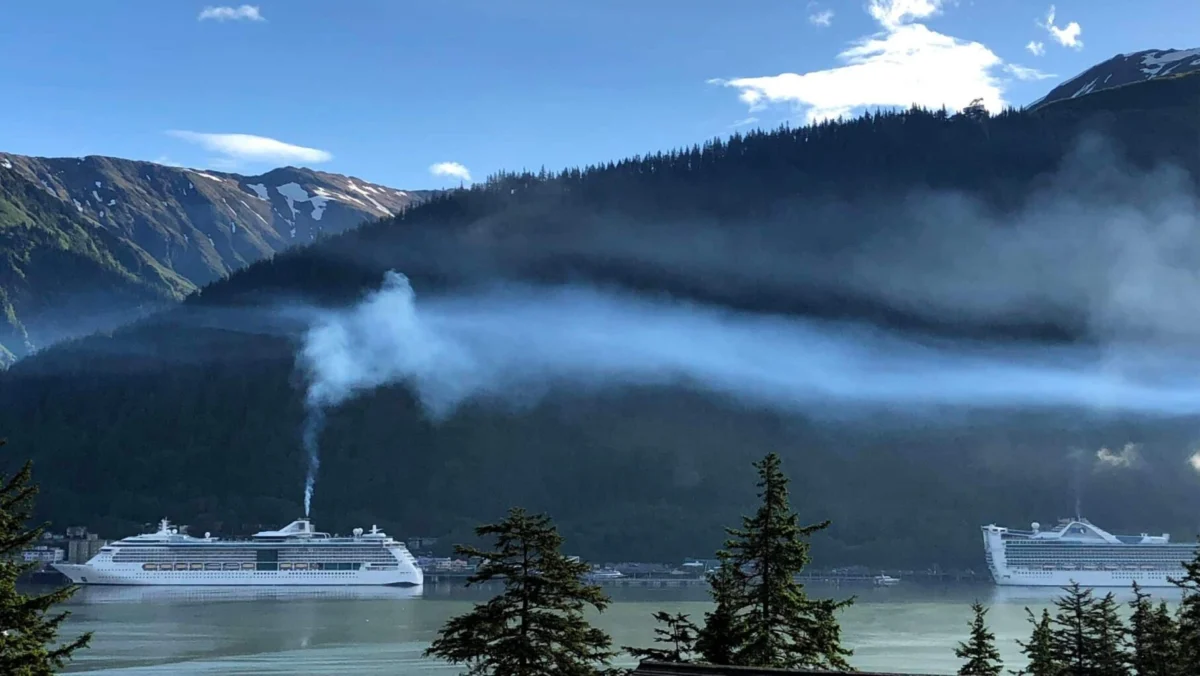
The tranquil waters of Alaska’s Inside Passage have become the backdrop for a heated environmental debate, ignited by the grim discovery of a dead fin whale impaled on the bow of the Royal Caribbean cruise ship, Ovation of the Seas, upon its arrival in Seward. This tragic incident has amplified calls from environmental advocacy groups for the immediate implementation of mandatory speed limits for cruise vessels navigating these ecologically sensitive waters, aiming to curb the alarming frequency of fatal whale strikes.
Tragic Discovery and Immediate Outcry
The Ovation of the Seas, a behemoth of the seas capable of carrying thousands of passengers, docked in Seward bearing undeniable evidence of a catastrophic collision. The lifeless body of an endangered fin whale was found secured to its forward hull, a stark and disturbing tableau that quickly galvanized conservationists. Cooper Freeman, Alaska director for the Centre for Biological Diversity, voiced his outrage in a strongly worded open letter addressed to Royal Caribbean. "I’m infuriated that this supersized cruise ship hit an endangered whale in such a horrific way," Freeman stated. "Royal Caribbean must be held accountable for this gruesome death and take immediate action to avoid this happening again."
The Centre for Biological Diversity, a long-standing proponent of enhanced protections for marine life in Alaskan waters, has been actively campaigning for reduced vessel speeds. Their advocacy is rooted in scientific consensus that ship speed is a critical determinant in both the likelihood of a whale strike and the severity of the resulting injuries. Freeman’s letter directly proposed a maximum speed of 10 knots for cruise ships, asserting that this measure would significantly enhance the safety of large whales, many of which are already teetering on the brink of extinction.
Scientific Basis for Speed Reduction
The scientific community widely acknowledges the correlation between vessel speed and whale mortality. Studies consistently demonstrate that as ship speeds increase, the probability of a collision with a whale rises, and in the unfortunate event of a strike, the chances of a fatal outcome escalate dramatically. The Centre for Biological Diversity cites "the best available science" which "establishes that vessel speed is the single most important factor affecting both the probability of a whale strike and the lethality of that strike." This emphasis on speed reduction is not merely an emotional plea but a data-driven strategy aimed at mitigating a preventable cause of whale deaths.
The organization’s commitment to this cause extends beyond public statements. The Centre for Biological Diversity has previously engaged in legal action, including a lawsuit against the U.S. Coast Guard, alleging a failure to adequately protect whales within established shipping lanes. Their persistent efforts underscore a deep concern that ship strikes have become a leading cause of mortality for whale populations in the region, many of which are classified as endangered.
The Victim: An Endangered Pregnant Fin Whale
Further investigation into the fatal incident by the National Oceanic and Atmospheric Administration (NOAA) revealed the profound tragedy of this particular whale strike. The deceased whale was identified as a pregnant fin whale, a species already facing significant conservation challenges. The post-mortem examination confirmed blunt force trauma as the cause of death, with injuries to multiple vital areas including the spine, ribs, and jaw. The loss of a pregnant whale represents not just the death of an individual but the potential loss of future generations, exacerbating concerns for the species’ long-term survival.
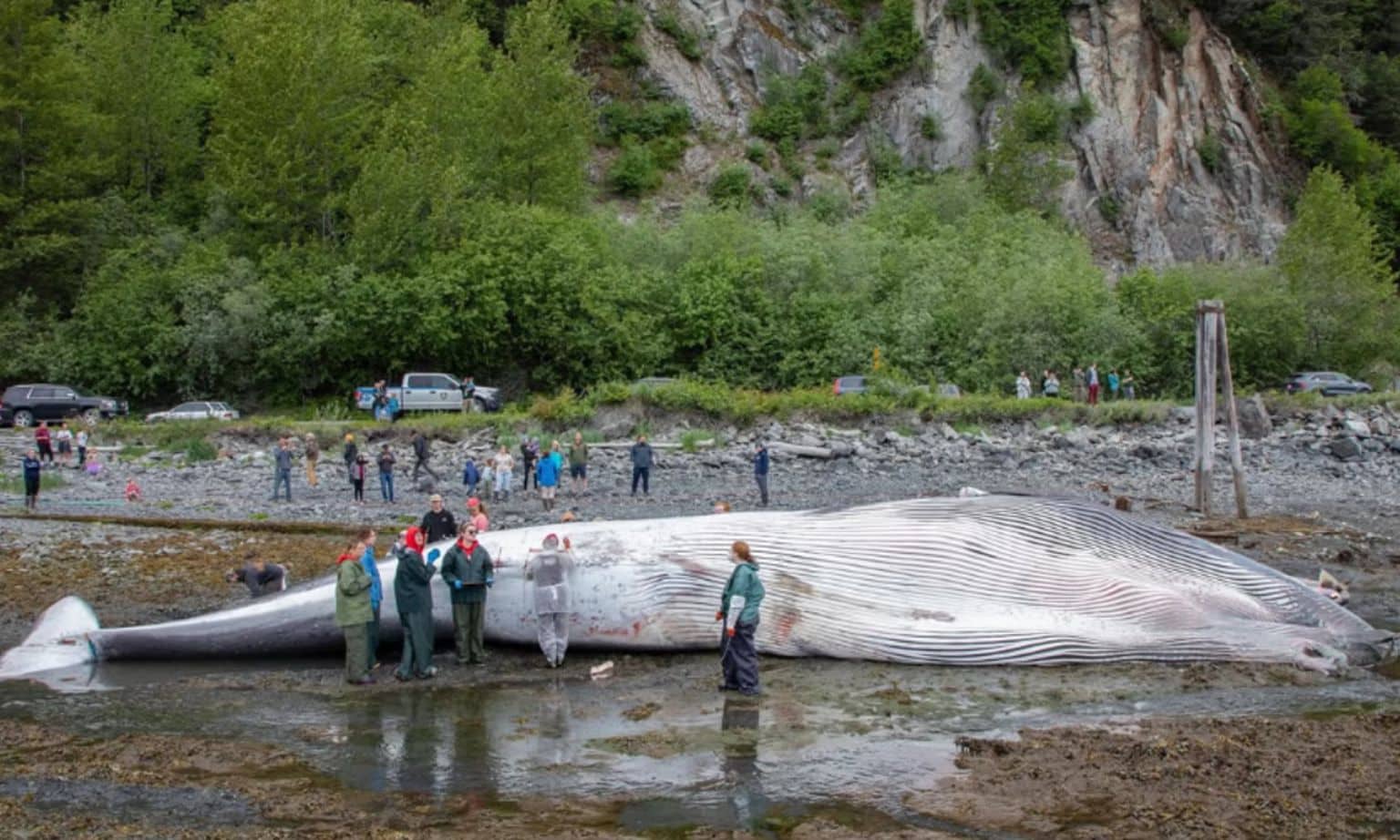
Alaska’s waters are a vital habitat for a diverse array of whale species, including humpbacks, orcas, grey whales, beluga whales, fin whales, and blue whales. Critically, several of these species, including sperm whales, North Pacific right whales, blue whales, and fin whales, are listed as endangered. The peak of the cruise season, coinciding with the northern hemisphere’s summer months, also aligns with the peak whale watching season, making these waters a bustling corridor for both commercial tourism and marine life. Whales typically migrate to Alaska during these months to feed, having spent the winter in warmer breeding grounds such as Hawaii, Mexico, or Central America. This temporal overlap intensifies the potential for conflict between human maritime activities and whale migration patterns.
A Recurring Problem: The MSC Meraviglia Incident
The incident involving the Ovation of the Seas is not an isolated event. Earlier this year, a similar tragedy occurred when an endangered Sei whale was discovered dead on the bow of the MSC Meraviglia after it docked in Brooklyn, New York. This earlier incident further highlights the pervasive nature of the whale strike problem within the cruise industry and underscores the urgency for comprehensive solutions. The recurring nature of these events suggests systemic issues that require more than individual company responses.
Broader Implications for Alaska’s Ecosystem and Tourism
The presence of a dead whale on a cruise ship’s bow sends a disturbing message about the impact of large-scale tourism on Alaska’s pristine environment. Alaska’s economy is heavily reliant on its natural beauty and abundant wildlife, with whale watching being a significant draw for tourists. The perception that cruise ships are a threat to these very attractions could have long-term economic consequences. Environmentalists argue that the continued high volume of large cruise ships, often operating at speeds that pose a risk to marine life, undermines the sustainability of Alaska’s tourism industry and its ecological integrity.
The debate also touches upon the effectiveness of current regulations. Environmental groups contend that existing state and federal laws are insufficient to prevent these collisions. The Centre for Biological Diversity’s past lawsuit against the U.S. Coast Guard signals a frustration with the perceived inaction or inadequacy of regulatory bodies in addressing the threat of ship strikes.
Potential Industry Responses and Future Outlook
While Royal Caribbean has not yet issued a formal public statement addressing the specific incident, the company, like other major cruise lines, operates under a complex web of environmental regulations and voluntary stewardship programs. The cruise industry has, in the past, invested in whale mitigation technologies and adopted voluntary speed reduction measures in certain sensitive areas. However, the repeated nature of these incidents suggests that voluntary measures and existing regulations may not be sufficient.
The call for mandatory speed limits, supported by scientific evidence, represents a significant push for more stringent oversight. If implemented, such regulations would necessitate adjustments in cruise ship schedules and potentially impact operational costs. However, proponents argue that the long-term benefits of protecting endangered marine populations and preserving Alaska’s natural heritage far outweigh these considerations.
The incident serves as a critical moment for reflection and action. It forces a re-evaluation of the balance between the economic benefits of cruise tourism and the imperative to protect Alaska’s vulnerable marine ecosystems. The coming weeks and months will likely see intensified discussions between environmental groups, regulatory agencies, and the cruise industry to determine the most effective path forward in preventing future tragedies and ensuring the long-term health of Alaska’s whales and its iconic coastal environment. The fate of endangered whale populations in this vital migration corridor hangs in the balance, awaiting decisive measures to mitigate the ongoing threat posed by maritime traffic.




 Anjar Salim
 Tatiana Tantri Indah Sari
 Budi Mulyono
