
 Diana Nuri Rohmawati
Madrid, the high-altitude capital of Spain, serves as the nation’s political, economic, and cultural epicenter. With a population of approximately 3.3 million within the city limits and over 6.7 million in the metropolitan area, it stands as one of the most populous and influential urban centers in the European Union. In 2023, the city saw a record-breaking influx of over 10 million international and domestic visitors, solidifying its reputation as a premier global destination. Unlike its coastal counterpart, Barcelona, Madrid is defined by a distinct "Castilian" character—a blend of grand imperial architecture, expansive green spaces, and a social rhythm that prioritizes late-night activity and communal dining.
The city’s allure is rooted in its ability to balance historical preservation with modern urbanity. From the narrow, winding alleys of the medieval "Madrid de los Austrias" to the wide, neo-classical boulevards of the Bourbon expansion, the city offers a chronological map of Spanish history. This five-day strategic itinerary is designed to provide an immersive experience that covers the essential landmarks, the UNESCO-recognized cultural landscapes, and the emerging culinary trends that define the modern Madrileño lifestyle.
Day 1: The Golden Triangle of Art and the Landscape of Light
The first stage of a comprehensive visit to Madrid centers on the "Paseo del Arte" (Art Walk), a concentrated area that hosts three of the world’s most significant art museums. In 2021, this area—along with the adjacent El Retiro Park—was designated a UNESCO World Heritage site under the title "Paisaje de la Luz" (Landscape of Light). This recognition highlights the site’s historical role as a space where nature, science, and art were integrated for the benefit of the public.
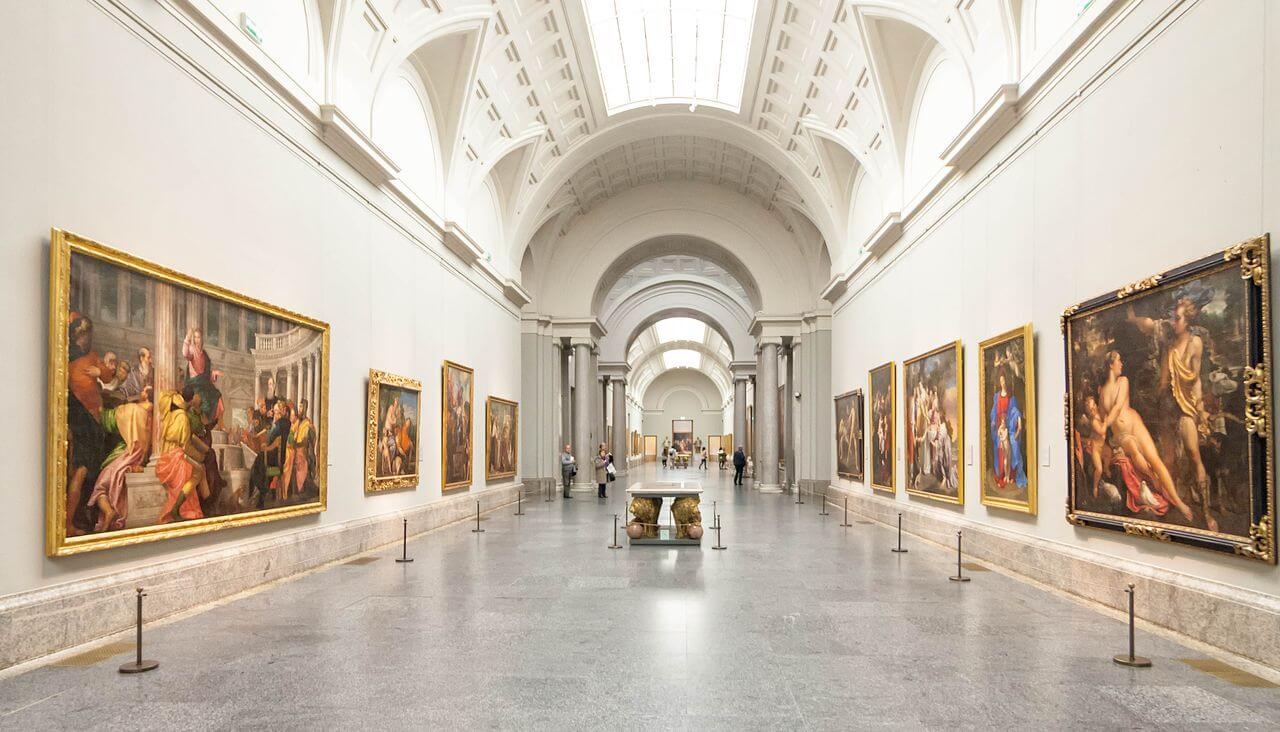
The Prado Museum serves as the cornerstone of this cultural district. Housing the former Spanish Royal Collection, it contains the most comprehensive collection of Spanish painting in the world. Visitors can trace the evolution of European art through the masterpieces of Velázquez, whose Las Meninas remains the museum’s most analyzed work, and Francisco Goya, whose "Black Paintings" provide a visceral look into the Spanish psyche during the Napoleonic era.
Following the Prado, the Thyssen-Bornemisza Museum offers a chronological survey of art from the 13th century to the late 20th century. Originally a private collection, it fills the gaps left by the Prado and the Reina Sofía, featuring works by Impressionists, Expressionists, and European and American movements that are otherwise scarce in Spanish institutions.
The day concludes at the Reina Sofía National Art Center, Madrid’s premier museum for modern and contemporary art. The museum’s most significant acquisition is Pablo Picasso’s Guernica, a monumental mural depicting the horrors of the Spanish Civil War. The museum also showcases extensive works by Salvador Dalí and Joan Miró, providing a deep dive into Surrealism and the avant-garde.
Day 2: The Habsburg Legacy and Bourbon Grandeur
On the second day, the focus shifts to the historical evolution of Madrid’s urban core. The journey begins at Puerta del Sol, the symbolic center of Spain. This plaza houses "Kilometer Zero," the point from which all radial roads in Spain are measured. It is also home to the iconic statue of the Bear and the Strawberry Tree, symbols derived from the city’s medieval coat of arms.
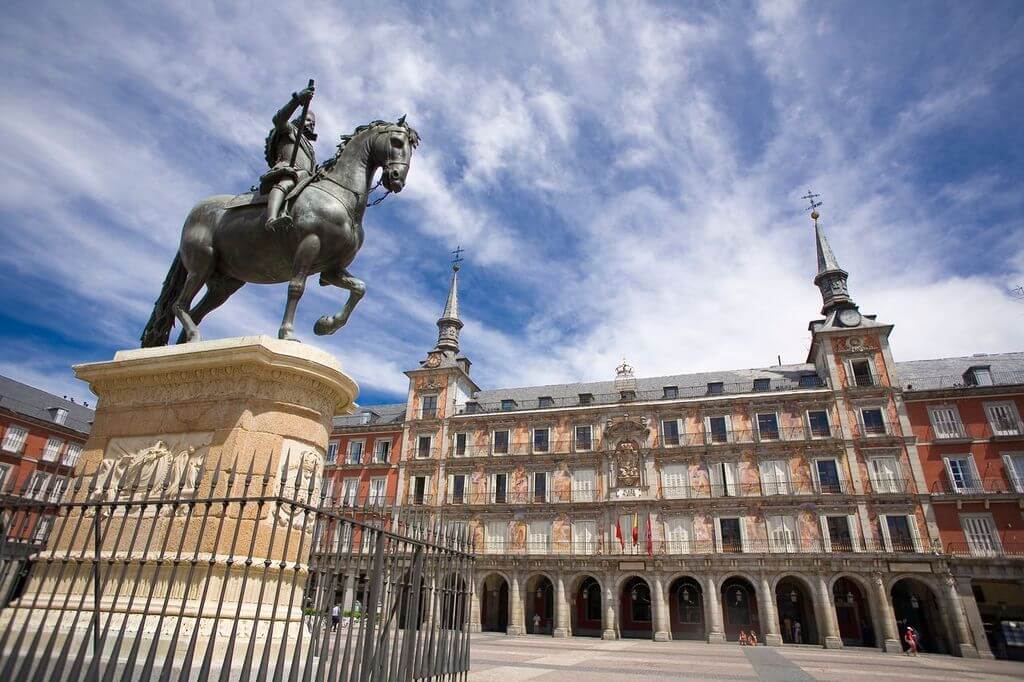
A short walk leads to the Plaza Mayor, a grand porticoed square completed in 1619 during the reign of Philip III. Historically, this space served as the stage for royal proclamations, bullfights, and inquisitorial trials. Today, it stands as a testament to the Habsburg (Austrias) architectural style, characterized by red brick and slate-capped spires.
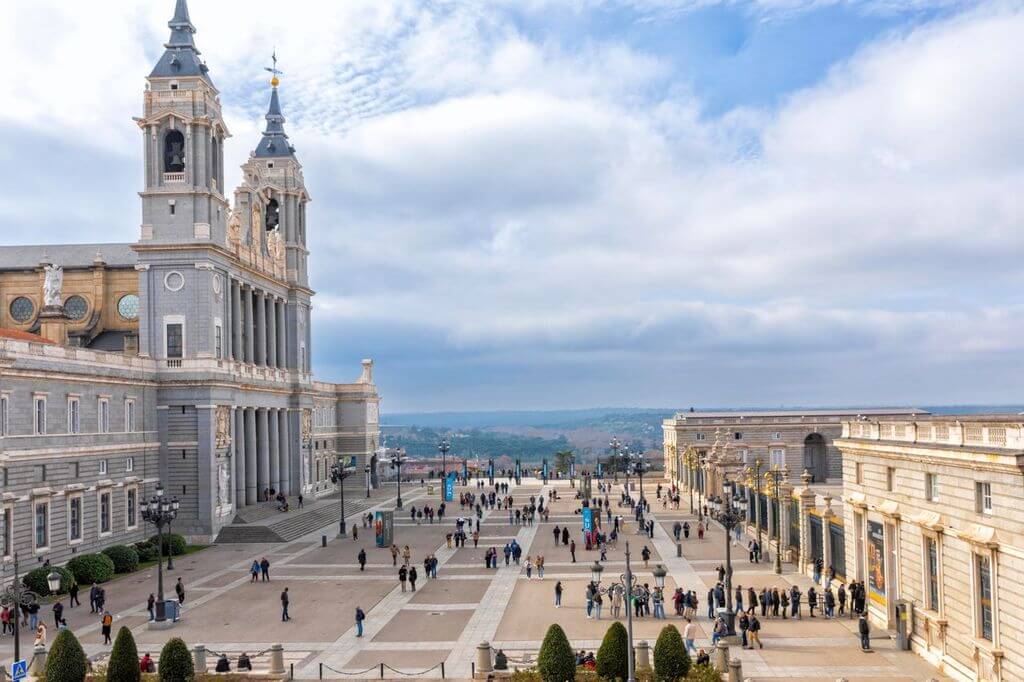
The narrative of the city continues westward toward the Royal Palace of Madrid. Constructed in the 18th century on the site of the former Muslim Alcázar, the palace is the largest royal residence in Western Europe by floor area, boasting over 3,400 rooms. While it remains the official residence of the Spanish Royal Family, it is now used exclusively for state ceremonies. The interior features a staggering array of frescoes, tapestries, and the world’s only complete Stradivarius string quintet.
Adjacent to the palace is the Almudena Cathedral. Although plans for the cathedral were initiated in the 16th century, construction did not begin until 1879 and was not completed until 1993. The result is a unique architectural hybrid: a neo-classical exterior that complements the Royal Palace, a neo-Gothic interior, and a neo-Romanesque crypt.
Day 3: Gastronomic Evolution and the Urban Skyline
Madrid’s culinary scene is a vital component of its cultural identity, reflecting the city’s role as a melting pot of regional Spanish flavors. The third day is dedicated to exploring both traditional and modern gastronomic hubs.
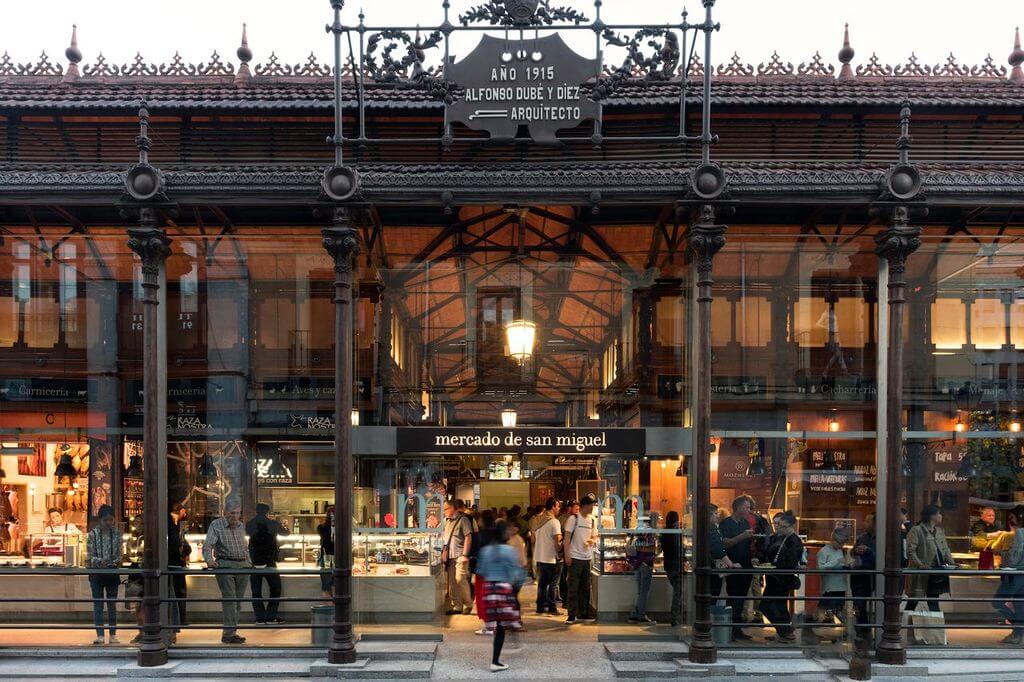
The Mercado de San Miguel, a 1916 iron-and-glass structure, has been transformed into a gourmet tapas destination. While it attracts a significant number of tourists, it remains a high-quality showcase for Spanish delicacies such as Iberian ham, Manchego cheese, and fresh seafood from the Galician coast. For a more localized experience, the Mercado de San Antón in the Chueca neighborhood and the Mercado de Vallehermoso offer a glimpse into how traditional neighborhood markets have adapted to modern tastes, including craft beer stalls and international fusion cuisine.
A visit to Madrid is incomplete without acknowledging Sobrino de Botín, founded in 1725 and recognized by Guinness World Records as the oldest continuously operating restaurant in the world. Its fame was further cemented by Ernest Hemingway, who frequently mentioned the restaurant and its signature roast suckling pig in his novels.
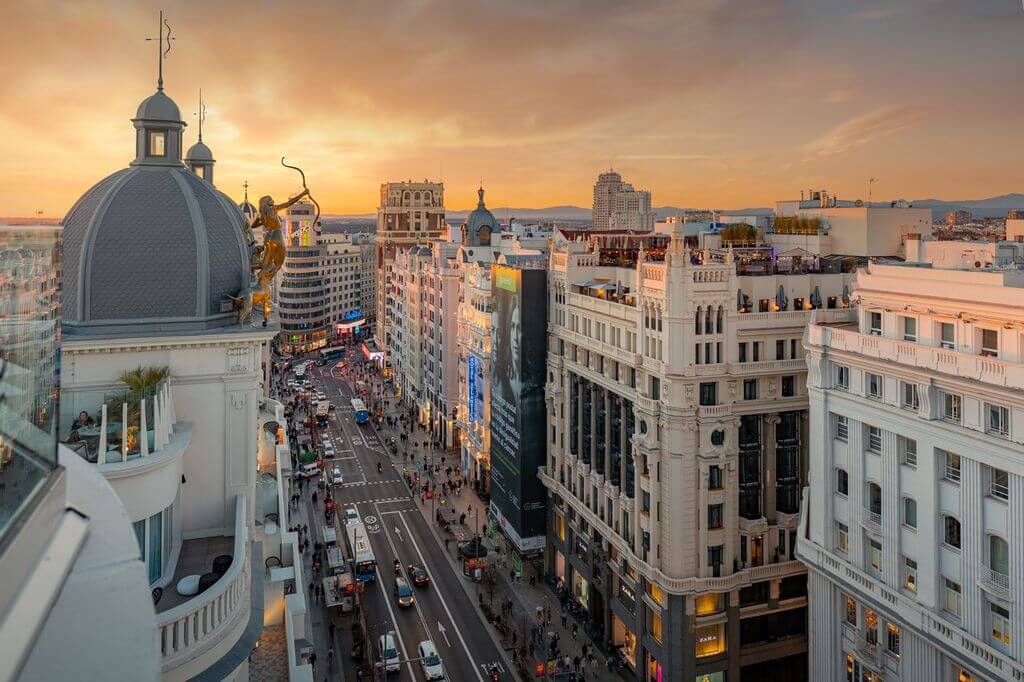
In the evening, the focus shifts to the Gran Vía, Madrid’s most famous thoroughfare. Developed in the early 20th century, the street is lined with "Madrid-style" Art Deco and Neo-Mudéjar skyscrapers. The rise of rooftop culture has become a defining feature of the Gran Vía, with venues like the RIU Plaza España offering 360-degree views of the city, illustrating Madrid’s transition into a modern, vertical metropolis.
Day 4: The UNESCO Heritage Sites of the Madrid Region
Madrid’s influence extends beyond its city limits into the surrounding "Comunidad de Madrid," which hosts several UNESCO World Heritage sites. The fourth day allows for an exploration of the imperial and intellectual history of the region.
San Lorenzo de El Escorial, located about 45 kilometers from the city, is a massive complex that serves as a royal palace, monastery, and pantheon for Spanish monarchs. Built by Philip II in the 16th century, its austere architecture was intended to reflect Spain’s role as the center of the Catholic world. The library, with its vaulted ceiling and collection of over 40,000 volumes, is considered one of the most important historical archives in Europe.
Alternatively, the town of Alcalá de Henares offers a different perspective on Spanish heritage. As the birthplace of Miguel de Cervantes, the author of Don Quixote, the city is a bastion of Spanish literature. Its university, founded in 1499, was the first planned university city in the world and served as a model for many academic institutions in the Americas.
A third option is Aranjuez, the former spring residence of the Bourbon monarchy. The Royal Palace of Aranjuez is celebrated for its sprawling gardens and its "Porcelain Cabinet," a room entirely decorated with detailed porcelain plaques, reflecting the 18th-century obsession with Eastern aesthetics.
Day 5: Hidden Monasteries and Green Urbanism
The final day of the itinerary explores the "hidden" side of Madrid, focusing on cloistered history and expansive public parks. The Monastery of Las Descalzas Reales and the Royal Monastery of La Encarnación are two of the city’s best-kept secrets. These active convents house extraordinary art collections donated by noblewomen who joined the orders. Because they remain active religious sites, access is limited to guided tours, preserving an atmosphere of quietude that contrasts with the bustling city outside.
To conclude the visit, the Casa de Campo offers a vast natural escape. Covering over 1,700 hectares, it is five times the size of New York’s Central Park. Originally a royal hunting ground, it was opened to the public in 1931. The park features a large lake, an amusement park, and a zoo, but its most impressive feature is the cable car (Teleférico) that connects the park to the city center, providing a final panoramic view of the Royal Palace and the sprawling urban landscape.
Analysis of Tourism Impact and Future Outlook
The strategic development of Madrid’s tourism sector has shifted significantly in recent years. The local government has moved away from promoting mass tourism in favor of "high-impact" tourism, focusing on the city’s status as a capital of luxury, culture, and gastronomy. The opening of several five-star international hotel chains, such as the Four Seasons and the Mandarin Oriental Ritz, signals a move toward attracting affluent travelers who contribute more to the local economy per capita.
However, this growth brings challenges. The rise of short-term vacation rentals has sparked debates regarding housing affordability for local residents, particularly in central neighborhoods like Malasaña and La Latina. In response, the Madrid City Council has begun implementing stricter regulations on tourist apartments to preserve the social fabric of these historic districts.
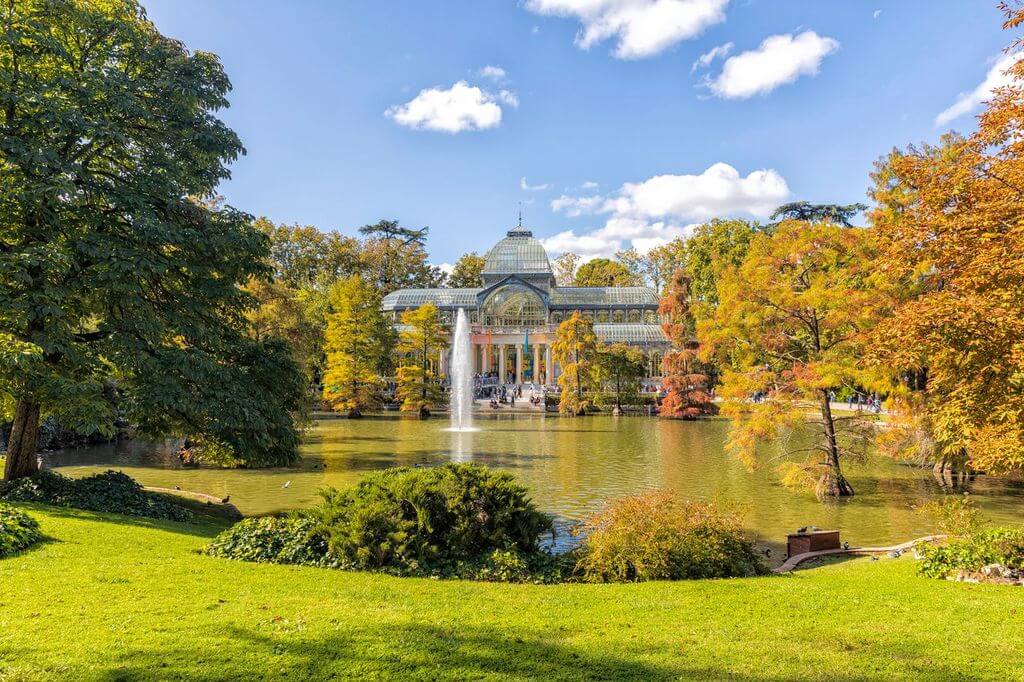
From a sustainability perspective, the "Madrid Río" project—which reclaimed the banks of the Manzanares River by burying a major highway—and the expansion of the "Bosque Metropolitano" (Metropolitan Forest) demonstrate the city’s commitment to green urbanism. These initiatives aim to mitigate the urban heat island effect and provide residents and visitors with more recreational space.
In conclusion, Madrid is a city in a state of sophisticated evolution. It remains deeply respectful of its imperial past and its role as the guardian of Spanish tradition, yet it is aggressively pursuing a future as a sustainable, modern European hub. For the traveler, a five-day immersion reveals a city that is not merely a collection of museums and monuments, but a living, breathing entity where history is integrated into the daily rhythm of life. Through its art, its food, and its people, Madrid continues to assert its place as one of the world’s most compelling cultural capitals.




 Anjar Salim
 Chandra Hamzah
 Tatiana Tantri Indah Sari
 Budi Mulyono
 Lukman Taruna Persada Ramadan
