
 Gabriela Annisa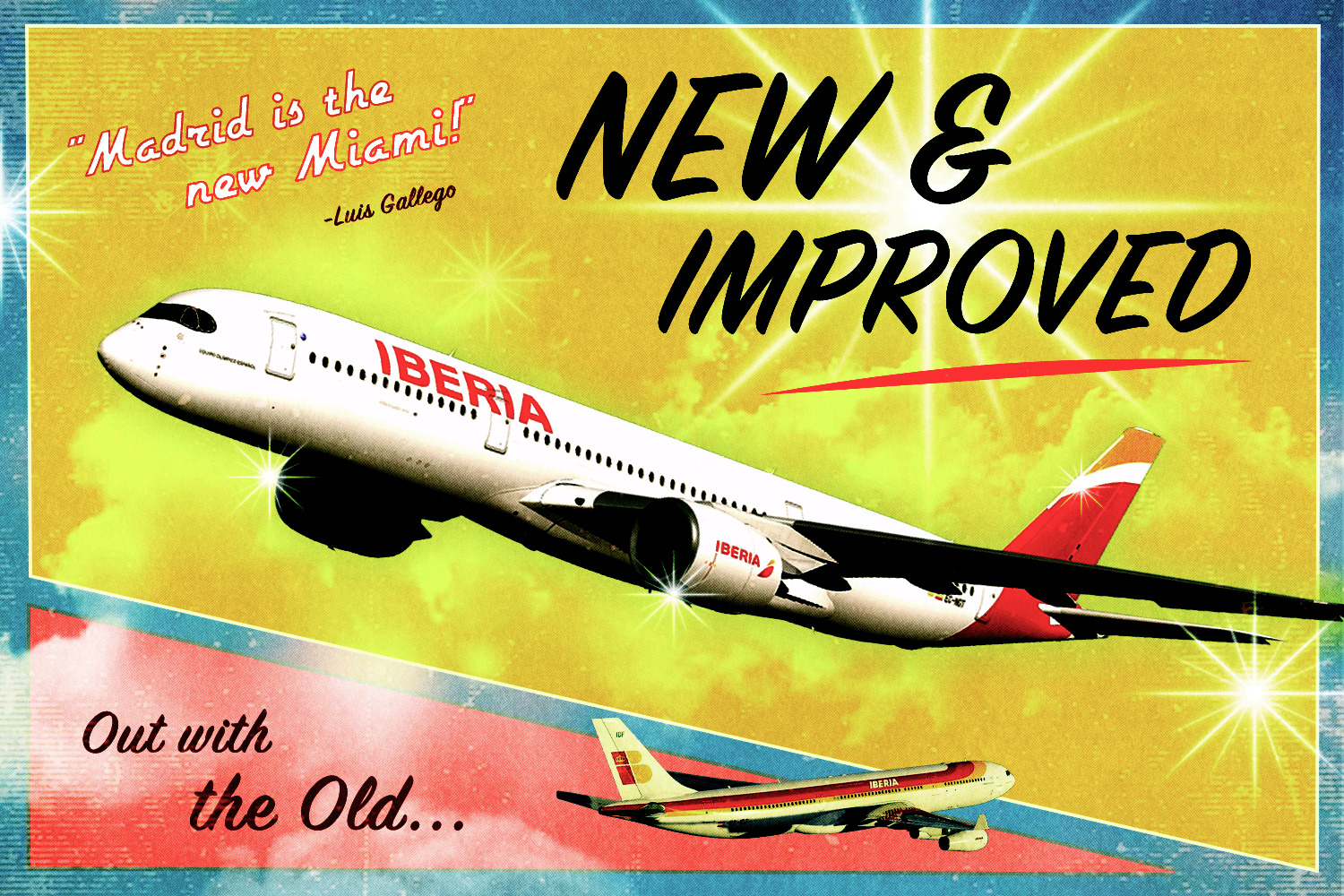
Not long ago, the very survival of Iberia, Spain’s venerable flag carrier, hung precariously in the balance. Today, the airline stands as a remarkable testament to strategic restructuring and unwavering resolve, boasting profitability metrics that rival even the most efficient low-cost carriers like Ryanair. This dramatic transformation has seen Iberia evolve from a perennial loss-making legacy laggard into a formidable margin machine, redefining what is possible for traditional airlines in a fiercely competitive global market. This week, we delve into the intricate journey of Iberia’s extraordinary comeback, exploring the critical decisions, the relentless implementation, and the factors that now position it as a benchmark for airline turnaround success, while also examining the sustainability of this newfound prosperity.
The Brink of Collapse: Iberia’s Pre-Turnaround Struggles
Before its phoenix-like ascent, Iberia was embroiled in a profound crisis that threatened its very existence. Throughout the late 2000s and early 2010s, the airline consistently posted significant losses, grappling with a myriad of systemic issues endemic to many legacy carriers. Its cost base was notoriously high, burdened by antiquated labor agreements, an inefficient fleet, and cumbersome operational structures. Industrial relations were frequently strained, leading to disruptive strikes that further eroded passenger trust and financial performance.
The Spanish economic downturn, particularly severe after the 2008 financial crisis, compounded these challenges, reducing demand for both business and leisure travel. Simultaneously, Iberia faced intense pressure from rapidly expanding low-cost carriers such as Ryanair and easyJet on its short-haul routes, and from well-capitalized Gulf carriers and other European legacy airlines on its lucrative long-haul network, particularly to Latin America. Its market share dwindled, and its reputation for service and reliability suffered. Analysts widely considered Iberia a prime example of a legacy carrier trapped in a downward spiral, seemingly incapable of adapting to the modern airline landscape. Operating margins consistently remained in negative territory, bleeding hundreds of millions of euros annually, making it a severe drag on any potential parent company.
The Catalyst for Change: The IAG Merger and a New Mandate
A pivotal moment in Iberia’s trajectory was the 2011 merger with British Airways, which led to the formation of International Airlines Group (IAG). While the merger offered potential synergies, it also placed Iberia under intense scrutiny from its new parent company, which demanded immediate and drastic action to stem the losses. IAG’s then-CEO, Willie Walsh, made it unequivocally clear that Iberia’s chronic underperformance was unsustainable and that a radical restructuring was imperative.
Initially, the proposed changes met with fierce resistance from unions and various stakeholders, accustomed to decades of established practices. However, the existential threat was undeniable, and the alternative — potential liquidation — loomed large. Under the leadership of Luis Gallego, who was appointed CEO of Iberia in 2013, a comprehensive and aggressive transformation plan, dubbed the "Future Plan," was initiated. This plan was not merely about incremental adjustments; it was a fundamental overhaul of every aspect of the airline’s operations, driven by a singular focus on cost reduction, efficiency, and revenue optimization. Gallego, later rising to become CEO of IAG, proved to be the architect of this unprecedented turnaround, navigating complex negotiations and implementing unpopular but ultimately vital reforms.
A Chronology of Transformation: Key Initiatives and Milestones
Iberia’s turnaround unfolded in distinct phases, each building upon the previous one, characterized by bold strategic moves and rigorous execution.
Phase 1: Aggressive Cost Cutting and Operational Efficiency (2012-2015)
The initial phase was dominated by a relentless focus on slashing costs and improving operational efficiency. This involved several critical components:
- Labor Reforms: This was arguably the most contentious but necessary element. Iberia embarked on a significant workforce reduction, shedding thousands of jobs through voluntary redundancy schemes and early retirement packages. Crucially, new collective bargaining agreements were negotiated, introducing greater flexibility in working conditions, modernizing pay scales, and linking remuneration more closely to productivity. These reforms were met with widespread strikes and protests but were ultimately pushed through, fundamentally altering the airline’s labor cost structure.
- Fleet Modernization: A systematic program was launched to retire older, less fuel-efficient aircraft, particularly the Airbus A340s. These were replaced with newer generation, more economical models such as the Airbus A330s and later, the state-of-the-art A350s for long-haul routes. This not only reduced fuel burn and maintenance costs but also enhanced the passenger experience. The average age of Iberia’s fleet significantly decreased, contributing to operational reliability and environmental performance.
- Network Rationalization: Unprofitable routes were unceremoniously cut, and the network was meticulously optimized to focus on core strengths, particularly the high-yield long-haul routes to Latin America, where Iberia traditionally held a strong competitive advantage. The airline also reinforced its Madrid-Barajas Adolfo Suárez Airport hub, streamlining connections and enhancing its attractiveness as a gateway between Europe and the Americas.
- Ground Operations and IT Overhaul: Investments were made in modernizing ground handling processes, improving baggage systems, and upgrading IT infrastructure. Digitalization efforts aimed at improving efficiency in areas like flight planning, crew management, and maintenance, reducing manual processes and associated costs.
Phase 2: Revenue Enhancement and Strategic Market Positioning (2015-Present)
Once the bleeding had stopped and a leaner cost structure was in place, Iberia shifted its focus towards growing revenue and strategically positioning itself in the market.
- Launch of Iberia Express: To effectively compete with low-cost carriers on short- and medium-haul routes, Iberia launched its own low-cost subsidiary, Iberia Express, in 2012. Operating with a more flexible cost base and a distinct brand, Iberia Express successfully recaptured market share from competitors like Vueling (also an IAG subsidiary) and Ryanair, feeding passengers into Iberia’s long-haul network at its Madrid hub. This dual-brand strategy proved crucial in segmenting the market and maximizing profitability across different passenger profiles.
- Premium Product Enhancements: While focusing on cost efficiency, Iberia did not neglect its premium offering. Significant investments were made in improving business class products, including lie-flat seats, enhanced in-flight entertainment, and upgraded catering. Lounges at Madrid and other key airports were renovated, aiming to attract and retain high-value corporate and premium leisure travelers.
- Digital Transformation and Customer Experience: The airline invested heavily in improving its digital touchpoints, from a revamped website and mobile app to enhanced online check-in and self-service options. The goal was to streamline the customer journey, improve satisfaction, and reduce the need for costly call center interactions.
- Strengthening Alliances and Partnerships: Iberia deepened its existing joint ventures and forged new partnerships, notably with LATAM Airlines Group and American Airlines. These alliances allowed for expanded network reach, coordinated scheduling, and shared revenues on key trans-Atlantic and Latin American routes, further solidifying Madrid’s position as a vital intercontinental hub.
Supporting Data and Performance Metrics
The results of Iberia’s arduous transformation are striking and quantifiable:
- Profitability: From consistent annual operating losses in the hundreds of millions of euros, Iberia returned to profitability in 2014, a mere year after Gallego’s full implementation of the Future Plan. By the mid-2010s, its operating margins began to consistently hover in the 8-12% range, a significant achievement for a legacy carrier and comparable to, or even exceeding, some low-cost rivals. This dramatic swing in profitability demonstrated the effectiveness of its cost-cutting and revenue growth strategies.
- Passenger Numbers and Load Factors: Post-turnaround, Iberia saw a steady increase in passenger traffic, with load factors (the percentage of seats filled) regularly exceeding 80%, indicating efficient capacity utilization. This was a marked improvement from earlier periods of underutilized aircraft.
- Fleet Efficiency: The average age of Iberia’s fleet decreased significantly, leading to substantial reductions in fuel consumption and maintenance expenditures. For example, the introduction of the Airbus A350-900, one of the most fuel-efficient long-haul aircraft, contributed to a double-digit percentage reduction in fuel burn per seat compared to older models.
- Employee Productivity: While initial job cuts were painful, the remaining workforce operated under more productive agreements. Revenue per employee and capacity per employee saw notable improvements, reflecting a more efficient and flexible labor force.
- Market Position: Iberia not only halted its decline but began to reclaim market share, particularly in its strategic Latin American routes and in the competitive European short-haul market through Iberia Express. Madrid-Barajas firmly re-established itself as a leading European hub for transatlantic travel.
Statements and Reactions
The dramatic turnaround did not go unnoticed, drawing commendation from various quarters.
IAG Leadership: Willie Walsh, then CEO of IAG, frequently cited Iberia as a "shining example of what can be achieved with decisive leadership and a clear strategy." He acknowledged the "tough, often unpopular decisions" that were necessary but underscored their long-term benefit, stating, "Iberia’s transformation proves that legacy airlines can not only survive but thrive by adapting to modern market realities." Luis Gallego, upon his promotion to IAG CEO, continued to champion the Iberia model, attributing its success to "the unwavering commitment of our employees and a relentless focus on efficiency and customer value."
Iberia Management: Current Iberia CEO, Fernando Candela, has emphasized the "culture of continuous improvement" instilled during the turnaround. "Our success is a testament to the dedication of every single employee who embraced change and worked tirelessly to rebuild our airline," Candela remarked in a recent industry conference. "We are now focused on innovation, sustainability, and delivering an exceptional experience while maintaining our cost discipline."
Industry Analysts: Aviation analysts have lauded Iberia’s resurgence as a blueprint for legacy airline restructuring. John Strickland, an independent aviation consultant, noted, "Iberia’s comeback is one of the most impressive in recent aviation history. It demonstrated that even heavily unionized legacy carriers, given the right strategic imperative and leadership, can shed their inefficiencies and become formidable competitors. It’s a case study in resilience and adaptation." Another analyst from CAPA Centre for Aviation highlighted, "The judicious use of a low-cost subsidiary like Iberia Express, combined with premium product upgrades, allowed Iberia to effectively ‘segment and conquer’ its market, a strategy many full-service carriers are now trying to emulate."
Employee Representatives (inferred perspective): While the initial phase of the turnaround involved significant sacrifices from employees, including job losses and changes to working conditions, the sustained profitability and job security that followed have arguably validated the difficult decisions. Representatives have since focused on ensuring fair conditions and sharing in the company’s success, recognizing the importance of a viable airline for long-term employment.
Broader Impact and Implications
Iberia’s miracle turnaround extends far beyond its balance sheet, creating significant ripple effects across IAG, the Spanish economy, and the broader global aviation industry.
For IAG: Iberia’s consistent profitability has become a vital contributor to IAG’s overall financial strength, diversifying the group’s revenue streams and providing a robust operational model that can be potentially applied to other IAG subsidiaries or future acquisitions. It demonstrated IAG’s capability to effectively manage complex restructuring efforts within its portfolio.
For the Spanish Economy: A revitalized Iberia has been a boon for the Spanish economy. As a major employer and a key driver of tourism, its stability ensures thousands of direct and indirect jobs. The strengthening of Madrid-Barajas as a global aviation hub attracts increased business and tourism, bolstering Spain’s international connectivity and economic competitiveness. It provides essential air links for Spanish businesses and promotes cultural exchange.
For the Airline Industry: Iberia’s transformation serves as a powerful case study and a beacon of hope for other struggling legacy carriers worldwide. It debunks the notion that traditional airlines are inherently doomed to be outmaneuvered by low-cost competitors. Instead, it demonstrates that a combination of aggressive cost rationalization, strategic network optimization, fleet modernization, labor flexibility, and a nuanced approach to market segmentation (e.g., through LCC subsidiaries) can lead to sustainable profitability. It has encouraged other airlines to rethink their strategies, inspiring similar reform efforts.
Future Outlook: While Iberia has achieved remarkable success, the aviation industry remains inherently volatile. Challenges persist, including fluctuating fuel prices, geopolitical instabilities, the ongoing need for decarbonization and sustainable aviation, and intense competition. The post-pandemic recovery has presented new hurdles, but Iberia’s robust financial health and agile operational model, forged in the crucible of its turnaround, position it well to navigate these complexities. Sustaining its "Ryanair-like profitability" will require continuous innovation, vigilance over costs, and an unwavering commitment to customer satisfaction.
In conclusion, Iberia’s journey from the brink of collapse to a paragon of airline profitability is a powerful narrative of strategic vision, courageous leadership, and relentless execution. It underscores that even the most entrenched legacy issues can be overcome with a comprehensive and decisive approach. The Spanish flag carrier has not merely survived; it has redefined success, offering a compelling blueprint for adaptation and resilience in an ever-evolving global aviation landscape.




 Anjar Salim
 Chandra Hamzah
 Tatiana Tantri Indah Sari
 Budi Mulyono
 Lukman Taruna Persada Ramadan
