
 Chandra Hamzah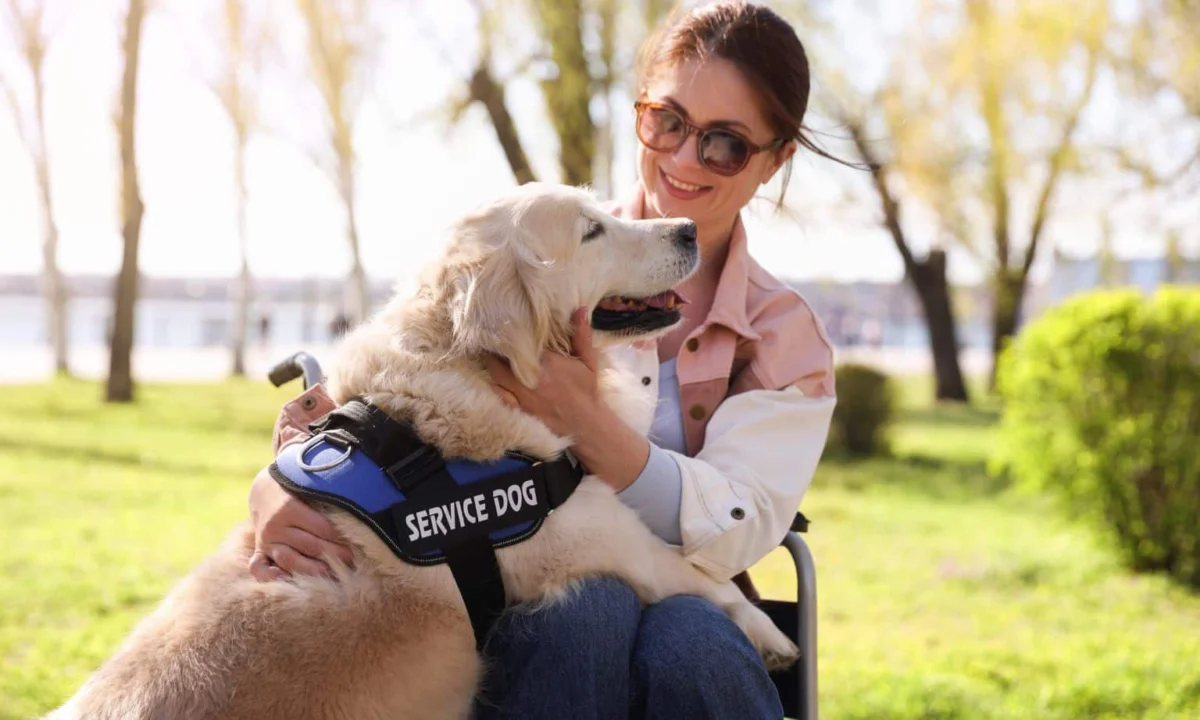
A growing debate among cruise passengers, particularly those sailing in Australian waters, centers on the increasingly complex issue of whether and under what circumstances service dogs should be permitted aboard cruise ships. While there is broad consensus that genuine, medically necessary service dogs are a vital accommodation for individuals with serious conditions, a significant portion of the cruising community expresses concern over the perceived blurring of lines between legitimate service animals and emotional support animals, leading to calls for stricter regulations and a clearer distinction between the two.
The core of the contention lies in the distinction between a trained service dog and an emotional support animal. Cruise lines, adhering to regulations that mirror those in both Australia and the United States, generally permit only medically approved service dogs. However, many passengers feel that the current approval processes are too lenient, allowing individuals to bring animals that they believe do not meet the stringent criteria for a service dog. This sentiment is amplified by the fact that cruise lines, bound by legal obligations, are often unable to deny access based on a passenger’s stated condition, placing the onus on passengers to self-regulate and encouraging those who do not genuinely require a service animal to refrain from bringing one.
Passenger Voices: A Spectrum of Opinions
Online forums and social media platforms have become arenas for impassioned discussions on this topic. Passengers frequently voice their frustration with what they perceive as the misuse of service animal policies.
Olive Corgi, commenting on a popular cruise forum, articulated a common sentiment: "If they falsely claim their dog is a true service dog, professionally trained, then they should be banned from the cruise line for not following the rules." This statement reflects a desire for accountability and adherence to established guidelines.
Beth Rich echoed this concern, stating unequivocally, "Emotional support dogs do NOT belong on a cruise ship! A trained service dog is fine." This distinction between the roles and training of service animals and emotional support animals is a recurring theme in the passenger discourse.
Jo-Anne Emille provided a vivid anecdotal example: "Real service dogs are more than welcomed. Pets on the other is a different story, pets should not be allowed on cruises. There was a pet on our cruise, a big friggen dog sitting on a chair in the MDR [Main Dining Room]. Service dogs don’t sit on MDR chairs." This observation highlights how perceived breaches of etiquette and appropriate behavior by animals are interpreted as indicators of their status, or lack thereof, as legitimate service animals.
Gina Edmondson further elaborated on the distinction: "If it is an actual trained licensed service dog, it should be allowed. An emotional support animal is not a licensed or trained service dog and should not be allowed. Emotional support animals that are not licensed service animals should not be allowed on the cruise. I hate to be that person but if you need an emotional support animal with you at all times but not a licensed service animal, a cruise is not a good place for you." This perspective emphasizes the need for a clear, objective standard for animal access, independent of emotional reliance.
The Impact on Genuine Service Dog Users
A significant concern raised by many passengers is the detrimental effect that the proliferation of improperly designated animals has on individuals who genuinely rely on trained service dogs.
Steve Sokulski powerfully articulated this point: "Pretending that an emotional support animal is a service animal does serious harm to the experience of those guests who actually rely on properly trained service animals. The kind of selfishness that turns ‘I like my dog’ into ‘I’m going to make this other people’s problem’ is so insanely frustrating to me." This highlights the frustration of legitimate users who feel their needs are being undermined by others’ perceived exploitation of the system.
Kim Haskell, a service dog owner herself, shared her experiences: "I have a service dog who helps me in so many ways. We have run into a number of pretend service dogs on ships. This makes it more difficult for people with real service dogs. As an owner, I would welcome more screening." Haskell’s statement underscores the practical challenges faced by those with genuine service animals, suggesting that increased scrutiny could benefit the community.
Sue Claxton recounted similar observations: "I have sailed with REAL service dogs and never knew they were onboard. I have also sailed with ‘service dogs’ who SHOULD have been left at home. Leave your damn fake ‘service dogs’ at home! Especially those who ‘need’ a stroller. We all love our animals but a cruise ship isn’t the place to be." The mention of a stroller for an animal further fuels the perception of animals being treated as pets rather than essential assistants.
Denise Basti added another anecdote: "I knew of someone who had 2 Yorkies and said they were service dogs, even had the vest for them. They clearly were not. Definitely need stricter laws and they do not belong on a cruise ship unless they are indeed a service animal. A dog begging for food at a table is not a service animal." This illustrates a perceived lack of understanding of what constitutes service dog behavior, further contributing to the demand for stricter enforcement.
Navigating Nuance: The Unseen Needs and the Challenge of Identification
While the frustration with perceived misuse is palpable, some passengers offer a more nuanced perspective, emphasizing the difficulty of identifying legitimate service animals and the importance of not making hasty judgments.
Pam Hilton made a crucial point about the diversity of service dog roles: "Sometimes, it’s hard to tell whether it’s a service dog and it’s not up to the passengers to determine that. Not all service dogs are for the blind or obviously impaired. Some are trained to ‘alert’ to medical conditions. Years ago, a friend cruised with a service dog and because she wasn’t blind or looked impaired, people complained behind her back that she’d brought her pet and that shouldn’t be allowed. Her dog was trained to be alert for seizures. She was fortunate to be able to cruise and live a relatively normal life thanks to her dog." This highlights the fact that the visibility of a disability does not always correlate with the need for a service animal, and that many critical functions of service dogs are not outwardly apparent.
Mark Flynn underscored the vital nature of trained medical alert canines: "A trained medical alert canine is basically a vital medical appliance on four legs. Would you restrict someone’s oxygen bottles? Blood glucose monitor? CPAP machine? Of course not. If it is a legitimately trained service dog, the cruise line should make whatever reasonable accommodations are necessary." This powerful analogy frames service dogs as essential medical equipment, demanding the same level of respect and accommodation as other medical devices.
The Regulatory Tightrope: Balancing Access and Safety
The challenge for cruise lines and regulatory bodies lies in crafting policies that are both inclusive and effective in preventing misuse. Em Williamson acknowledged the complexity: "I wish they would be stricter. However, I’m not sure how to do it in a fair manner. As a disabled individual who had to retire a service dog after a fake attacked it in a store, I have personal knowledge of the damage fakes can do both physically to our SDs and to the reputation of the SD community. On the other side, many of the offered solutions can lead to gatekeeping that keeps disabled individuals away from businesses and activities. They can also lead to financial and other barriers blocking a disabled individual’s ability to utilize helpful accommodation." This statement encapsulates the dual challenge: preventing abuse without creating undue burdens for those with legitimate needs.
The current legal framework in many jurisdictions, including Australia and the US, relies on self-declaration and the general understanding that service animals are trained to perform specific tasks related to a disability. However, the rise of emotional support animals, which do not require the same level of task-specific training and are often prescribed for comfort, has created a significant grey area. This has led to a situation where the responsibility for distinguishing between a true service animal and an emotional support animal often falls on the public, a task for which they are neither trained nor equipped.
Broader Implications and Future Considerations
The intensifying debate on cruise ships mirrors similar discussions occurring in public spaces globally, from airlines to restaurants and retail establishments. The core issue revolves around the definition of a service animal, the efficacy of current identification and verification methods, and the impact of misrepresentation on legitimate users and the broader public.
For cruise lines, the implications are multifaceted. Beyond the operational challenges of accommodating animals and ensuring hygiene and safety protocols are met, there are reputational risks associated with mishandling these situations. Inconsistent application of policies or perceived unfairness can lead to negative publicity and customer dissatisfaction. Furthermore, the legal landscape surrounding service animals is continually evolving, requiring cruise lines to stay abreast of and adapt to changing regulations.
The sentiment expressed by passengers suggests a growing demand for clearer guidelines and more robust verification processes. This could involve a more standardized approach to documentation, potentially requiring verifiable proof of training and a specific disability-related task. However, as Em Williamson rightly pointed out, any such measures must be carefully considered to avoid creating insurmountable barriers for individuals with genuine needs.
The conversation initiated by Cruise Passenger readers highlights a critical need for continued dialogue among passengers, cruise lines, and disability advocacy groups. Finding a balance that upholds the rights of individuals with disabilities while ensuring the comfort and safety of all passengers remains the paramount objective. As the cruise industry continues to navigate this complex terrain, the voices of its passengers will undoubtedly play a significant role in shaping future policies and practices regarding service animals at sea. The desire for a more equitable and well-defined approach is clear, and the industry’s response will be closely watched by all stakeholders.
Your Voice Matters: Continuing the Conversation
Cruise Passenger values the insights and perspectives of its readership. The ongoing discussion about service animals on cruise ships is a testament to the engaged and informed nature of the cruising community. We encourage readers to continue sharing their thoughts, experiences, and suggestions on this and other relevant topics. Your comments provide invaluable context and contribute to a richer understanding of the issues shaping the future of cruising. Please continue to share your feedback on our stories, and the most compelling contributions will be featured in upcoming editions of "Your Say."



 Anjar Salim
 Tatiana Tantri Indah Sari
 Budi Mulyono
