
 Hendra Ismail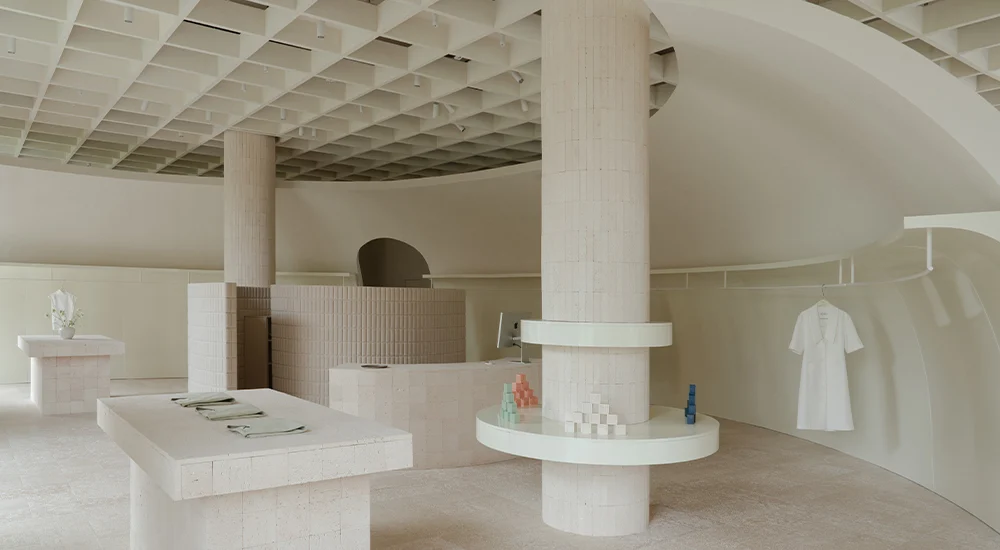
Messa House in Almaty, Kazakhstan, is redefining the contemporary retail landscape by embracing a philosophy of slowness, quietude, and profound atmospheric immersion. Developed by the Almaty-based architectural firm UP2DATE Architects, this 3,767-square-foot space eschews the frenetic energy often associated with commercial environments, instead offering a refined journey through interconnected rooms where materiality and light are paramount. The design intention, as articulated by Akhat Baimenov, founder and lead architect of UP2DATE Architects, is to allow the products, the flow of patrons, and the overall ambiance of the store to command attention through their inherent qualities, amplified by a deliberate architectural calmness. "When the architecture is calm and precise, the products, the movement through the space, and the overall feeling of the store become more noticeable," Baimenov stated. "In that sense, the quietness is not a lack of character—it is what gives the space its strength and memorability."
A Deliberate Design for Deliberate Engagement
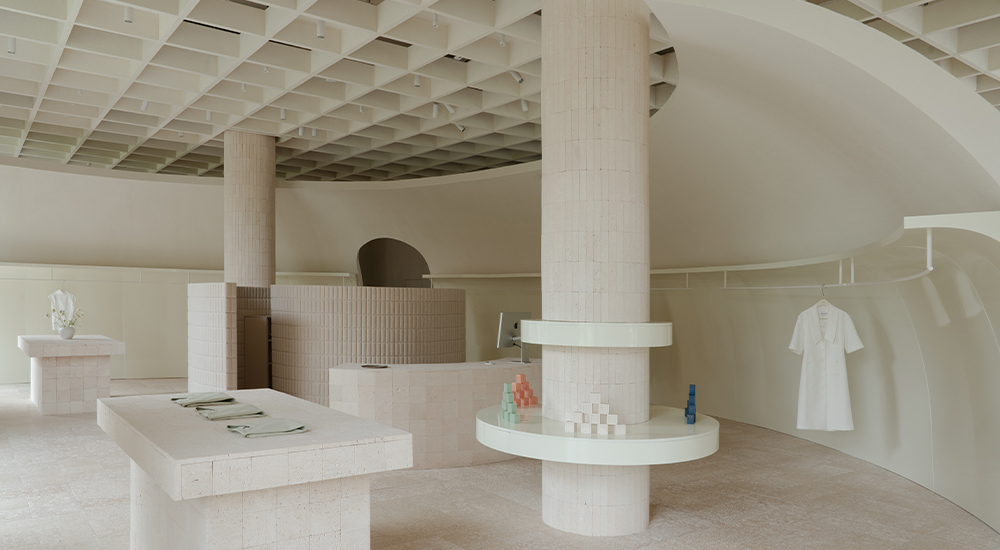
The architectural strategy employed at Messa House prioritizes a seamless integration of functional zones, moving beyond conventional retail layouts. Upon entering, visitors are guided through a fluid transition encompassing retail areas, fitting rooms, a dedicated packaging zone, a cafe, and a vestibule. These spaces are not demarcated by stark divisions but rather by subtle shifts in form, material, and illumination, fostering a continuous and contemplative experience. Baimenov elaborated on this nuanced approach, explaining that the distinctive atmosphere is not the result of a singular, dramatic gesture, but rather a carefully orchestrated series of subtle design decisions. "The atmosphere of the space is created not by one dramatic feature, but by a series of small decisions: changes in height, the way light enters, the rhythm of the volumes, and the balance between solidity and softness," he observed. This meticulous attention to detail cultivates an environment that encourages patrons to slow down, engage more deeply with the merchandise, and appreciate the spatial qualities of the environment.
Echoes of Tradition, Embracing Modernity
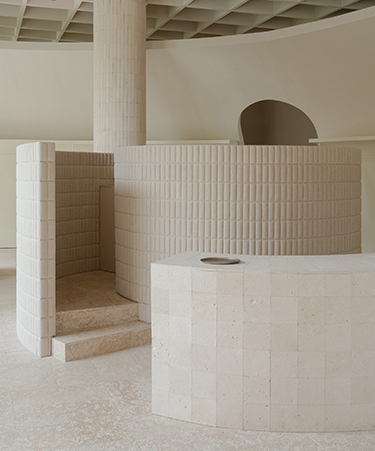
Despite its minimalist aesthetic, Messa House is deeply rooted in its Kazakh context. A central design element is an abstracted interpretation of the traditional Kazakh yurt. This form is translated into a simplified, truncated volume integrated within the interior architecture. Far from being a literal representation, this architectural motif serves to introduce a sense of enclosure and intimacy, subtly referencing the yurt’s historical role as a home and a focal point for community. This connection to place is further reinforced through the material palette. The pervasive use of Mangystau shell limestone, a naturally occurring material indigenous to the Mangystau Region of Kazakhstan, wraps walls, columns, and custom-designed furniture. This choice infuses the otherwise pared-back interior with organic texture and a profound sense of warmth, grounding the contemporary design in the geological and cultural heritage of the region. The selection of local materials not only enhances the aesthetic appeal but also supports regional economies and promotes sustainable building practices, a growing consideration in contemporary architectural projects globally.
Beyond Retail: An Infrastructure for Daily Life
The overarching vision for Messa House extends beyond its function as a retail establishment. Baimenov articulated this ambition, stating, "We wanted Messa House to feel less like a store and more like quiet infrastructure for daily life, a place that supports everyday routines, but also lifts them through atmosphere, material, and spatial care." This sentiment suggests a paradigm shift in how commercial spaces can contribute to the well-being and daily rhythms of individuals. By providing an environment that is both functional and aesthetically enriching, Messa House aims to elevate the mundane into moments of mindful engagement. This approach resonates with broader trends in urban design and retail, where the emphasis is increasingly placed on creating multi-functional spaces that foster community, offer respite, and enhance the quality of everyday life.
Design and Development Timeline
The conceptualization and realization of Messa House represent a significant investment in thoughtful design and construction. While specific project initiation dates are not publicly detailed, the project’s completion and opening mark a culmination of UP2DATE Architects’ design process, which typically involves extensive research, schematic design, detailed design, and construction phases. The firm’s portfolio, which includes a range of residential, commercial, and public projects, demonstrates a consistent commitment to innovative and contextually relevant architectural solutions. The selection of Messa House for inclusion in the May/June 2026 issue of Hospitality Design magazine underscores the project’s perceived significance and its contribution to evolving design discourse within the hospitality and retail sectors. The publication of such projects often serves as a benchmark, influencing future design directions and inspiring other developers and architects to explore similar concepts.
Supporting Data and Market Context
The retail industry, particularly in urban centers like Almaty, is undergoing a period of significant transformation. E-commerce continues to grow, placing pressure on brick-and-mortar retailers to offer experiences that online platforms cannot replicate. Data from Statista indicates that the global e-commerce market is projected to reach over $8.1 trillion by 2026. In response, a growing number of physical retail spaces are prioritizing experiential design, aiming to create destinations that offer more than just transactional opportunities. Concepts like Messa House, which focus on atmosphere, materiality, and a slower pace, are part of this broader strategy to attract and retain customers in an increasingly digital world. The market for curated retail experiences that emphasize quality, craftsmanship, and a sense of place is expanding, particularly among discerning consumers who value authenticity and thoughtful design. Almaty, as a rapidly developing regional hub, is well-positioned to embrace such innovative retail concepts, reflecting a growing sophistication in consumer preferences and urban development.
Reactions and Implications for the Retail Sector
The approach taken by Messa House has the potential to influence the broader retail landscape. By demonstrating the commercial viability of a less conventional, more atmospheric retail model, it offers a compelling alternative to hyper-commercialized and fast-paced shopping environments. Industry observers and potential collaborators, such as other designers, retailers, and developers, are likely to take note of Messa House’s success in creating a unique and memorable customer experience. The emphasis on local materials and cultural references also aligns with a global trend towards authenticity and a rejection of generic, mass-produced aesthetics. This can have positive implications for local economies, supporting artisans and material suppliers within Kazakhstan.
Furthermore, the integration of a cafe within the retail space speaks to the growing trend of creating hybrid retail-hospitality environments. This model, often referred to as "retail-tainment" or experiential retail, seeks to maximize dwell time and enhance customer engagement by offering a range of amenities and activities. The success of such integrated models can lead to increased sales and customer loyalty.

The thoughtful design of Messa House, prioritizing a tranquil and tactile experience, suggests a future where retail spaces are not merely points of sale but integral components of a more mindful and aesthetically enriched urban fabric. The project serves as a testament to the power of intentional design to shape consumer behavior and foster a deeper connection between people, products, and their environment. The quiet strength of its architecture, as described by Baimenov, promises a lasting impact, offering a model for retail that prioritizes quality of experience over sheer volume.


 Anjar Salim
 Chandra Hamzah
 Tatiana Tantri Indah Sari
 Budi Mulyono
 Lukman Taruna Persada Ramadan
