
 Hendra Ismail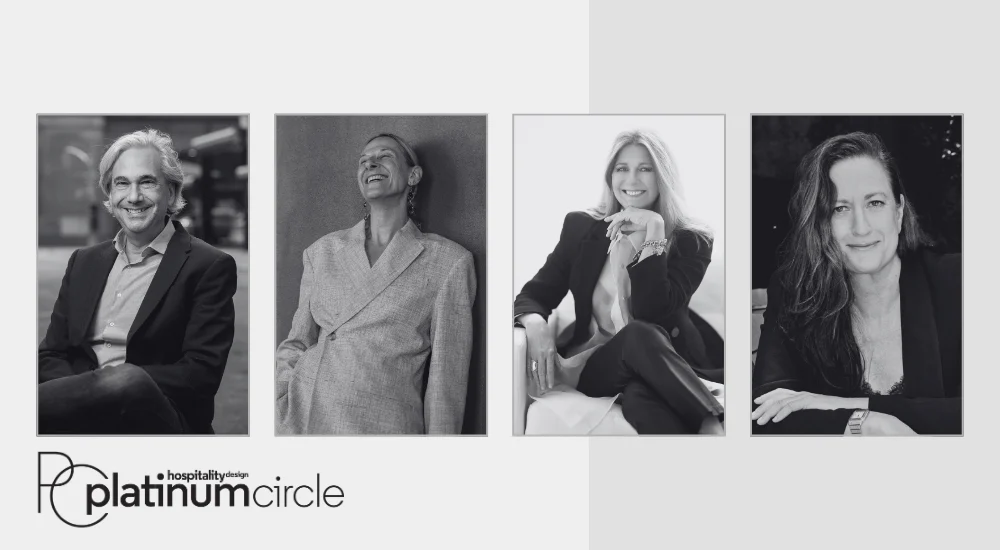
The world of architecture, urban development, and cultural leadership is buzzing with significant developments this week, spanning from the unveiling of a groundbreaking sustainable presidential library in North Dakota to a precarious construction emergency in the heart of Midtown Manhattan, and the appointment of a new figurehead to shape Boston’s artistic future. These stories, alongside initiatives to redefine global landmarks and honor industry pioneers, paint a dynamic picture of progress, challenge, and innovation.
Midtown Manhattan Faces Structural Crisis Amidst Ambitious Office-to-Residential Conversion
A critical structural failure has brought a high-profile conversion project in Midtown Manhattan to a standstill, raising urgent questions about construction safety and the integrity of large-scale urban redevelopment. The former Pfizer building at 235 East 42nd Street, a cornerstone of a planned transformation into the United States’ largest office-to-residential conversion, experienced a terrifying incident on Tuesday morning. Support beams on the 21st floor began to buckle, creating a palpable fear of a potential collapse that necessitated the immediate evacuation of the building and surrounding structures.
The ambitious project, spearheaded by the architecture firm Gensler, aims to introduce 1,600 residential units across the footprint of 235 East 42nd Street and its adjacent property at 219 East 42nd Street. This conversion is a significant undertaking, reflecting a broader trend in urban centers to repurpose underutilized commercial spaces into much-needed housing. However, the structural distress has halted all work and cast a shadow over the project’s future.
Emergency response teams were deployed swiftly, and traffic in the immediate vicinity was rerouted to ensure public safety. Fortunately, by Wednesday, the building was declared stabilized, a crucial step in averting a catastrophic event. The immediate aftermath saw the installation of emergency beams and columns designed to provide temporary support to the compromised structure. Despite these measures, the precise cause of the structural failure remains under official investigation.
Initial speculation from sources within the construction trades suggests potential issues with the amount of steel used to support new structural elements, including additional floors being integrated into the building’s design. A representative from a steamfitters union anonymously indicated that the steel reinforcement might have been insufficient for the expanded load. Further reports, cited by Curbed, suggest that excavation work may have exceeded the scope outlined in the approved construction plans. This raises concerns about oversight and adherence to building codes during the development process.
Adding to the complexity of the situation are the building’s existing violation records. Since 2020, the address has accumulated at least 22 building violations, many of which pertain to the failure to file necessary elevator inspection and testing reports. These existing issues, combined with the recent structural emergency, highlight a pattern of compliance concerns that warrant thorough examination. The incident serves as a stark reminder of the inherent risks in large-scale construction, particularly in densely populated urban environments, and underscores the critical importance of rigorous safety protocols and regulatory enforcement. The immediate implication for residents and businesses in the area is a period of continued disruption, with a palpable sense of caution advising avoidance of the Midtown district for the time being.
Snøhetta Unveils Theodore Roosevelt Presidential Library: A Sustainable Landmark Emerges
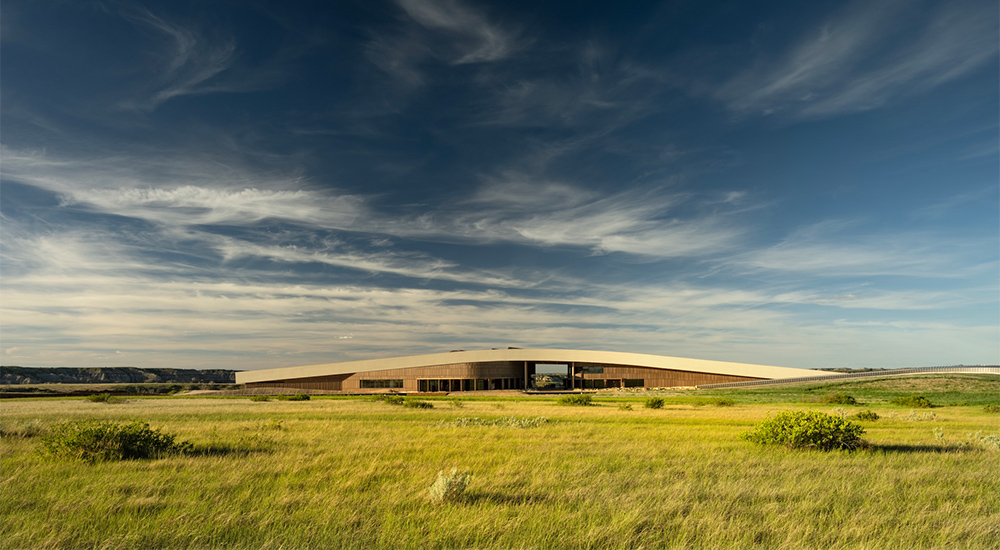
In stark contrast to the construction challenges in New York, the Theodore Roosevelt Presidential Library has been unveiled in Medora, North Dakota, presenting a model of sustainable design and architectural harmony with its natural surroundings. Designed by the renowned architecture firm Snøhetta, this 95,000-square-foot institution is envisioned not just as a repository of history but as a testament to ecological responsibility.
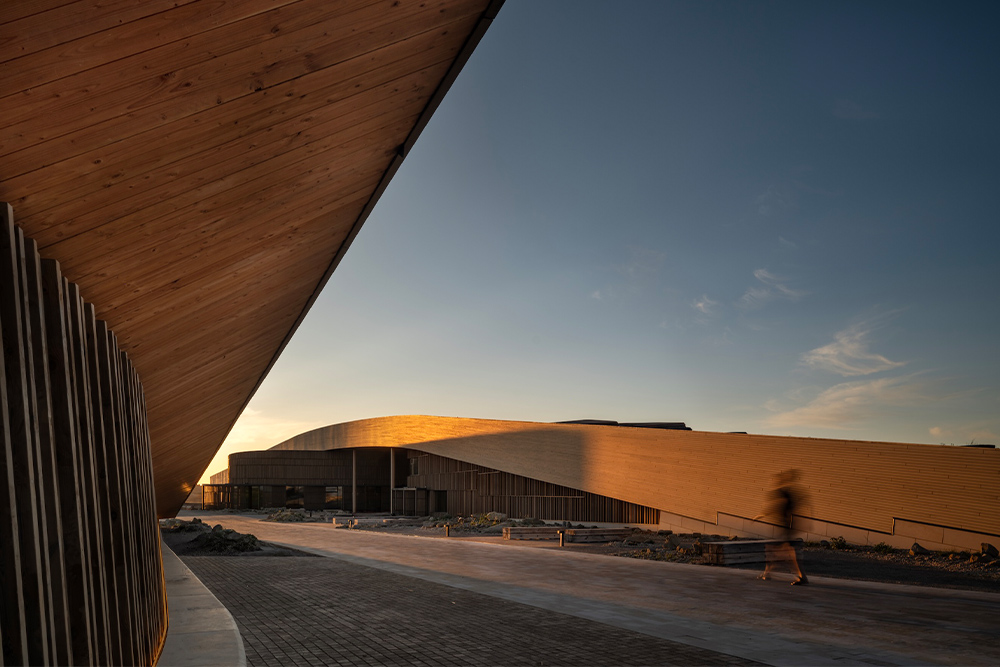
The library’s design masterfully echoes the undulating landscapes of the Badlands, employing a sustainable composition of mass timber and low-carbon concrete. The building’s sloping, vernacular form appears to emerge organically from the terrain. Interior elements, such as wood soffits and rammed-earth walls constructed from local soil, further enhance this deep connection to place, imbuing the space with an organic sense of belonging.
Contemporary design sensibilities are evident in the strategic use of skylights to maximize natural light, efficient lighting systems, and striking Corten steel elements. Beyond aesthetics, the library is a paragon of environmental stewardship. It features onsite solar and geothermal power generation, advanced wastewater recycling systems, and a green roof planted with native flora, designed to support local biodiversity and manage stormwater.
Theodore Roosevelt, an ardent conservationist and the 26th President of the United States, would likely have approved of the library’s commitment to sustainability. It is important to note that this is not an officially government-sanctioned presidential library. The project was realized through the support of private donors. Nevertheless, its inauguration earlier this month was a significant event, attended by former President Trump, as reported by Dezeen. The library’s existence and its forward-thinking design represent a unique approach to memorializing a presidential legacy, prioritizing environmental consciousness and community integration. The successful realization of such an innovative and eco-conscious project highlights a growing trend towards sustainable practices in architectural design, particularly for institutions dedicated to public figures and historical preservation.
Joseph Henry Appointed to Lead Boston’s Cultural Renaissance
Boston is poised to redefine its cultural landscape with the official appointment of Joseph Henry as the city’s new Chief of Arts and Culture in May. Henry steps into this pivotal role with a mandate to advance the city’s inaugural cultural infrastructure plan, a comprehensive strategy aimed at fostering a more vibrant and equitable arts ecosystem.
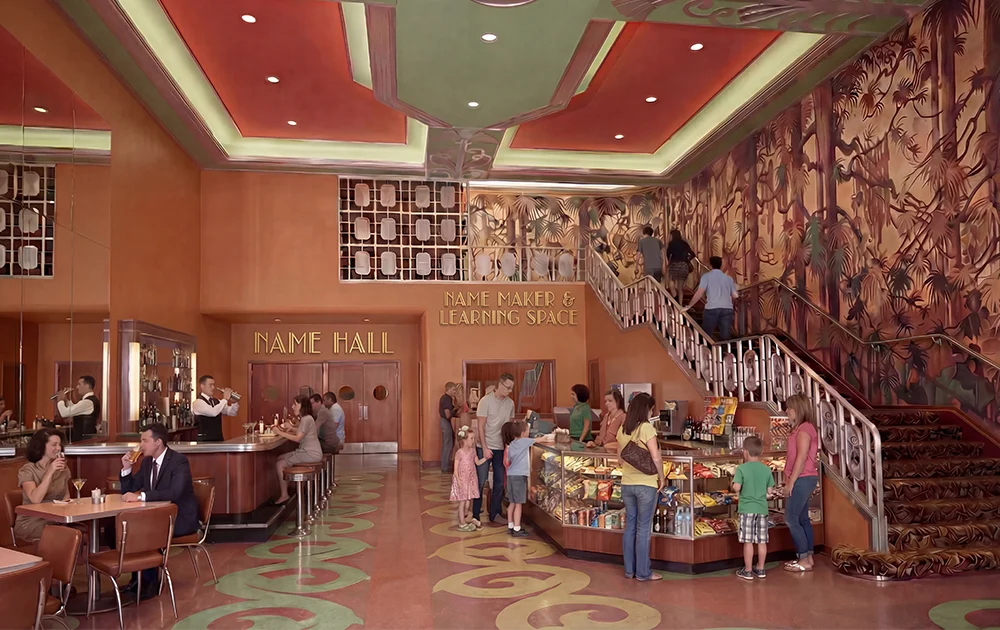
His responsibilities are extensive and multifaceted. Henry is tasked with forging strategic partnerships, notably with the Boston Center for the Arts, to bolster the city’s creative sector. A key initiative under his purview is collaboration with the locally based architecture studio Utile on the development of "Creative Space Typologies Design Guidance." This guidance is intended to inform the creation of spaces that are not only functional for artists but also accessible and integrated within the urban fabric. Furthermore, Henry will champion the development of projects like 290 North Beacon, a mixed-use development that promises to provide much-needed affordable music rehearsal spaces alongside public housing units. This dual-purpose development exemplifies a holistic approach to urban planning, recognizing the intrinsic link between cultural vitality and community well-being.
Henry brings a wealth of experience from his previous roles. He honed his expertise working alongside London Mayor Sadiq Khan within the city’s Culture and Creative Industries Unit, where he contributed to shaping policy and fostering growth in the creative sector. His academic background includes teaching at Columbia GSAPP (Graduate School of Architecture, Planning and Preservation), indicating a deep understanding of the intersection between design, urbanism, and cultural policy.
In a recent conversation with The Architect’s Newspaper, Henry articulated his vision for reinvigorating Boston’s arts scene and empowering local artists. His plans emphasize accessibility, inclusivity, and the cultivation of new creative talent. The appointment signifies a deliberate effort by the city administration to prioritize the arts as a critical component of Boston’s identity and economic development. The implications of his leadership are significant, potentially ushering in a new era of artistic innovation and cultural enrichment for the city and its residents.
A Global Call to Identify the Seven Contemporary Wonders of the World
In an ambitious initiative designed to celebrate human ingenuity and its impact on global travel and tourism, the World Travel & Tourism Council (WTTC) has launched a quest to designate the "Seven Contemporary Wonders of the World." This global undertaking seeks to identify and honor landmarks and buildings that have demonstrably shaped the trajectory of travel and tourism since the dawn of the 19th century, specifically from 1801 onwards.
The call is open to travelers worldwide, inviting them to nominate destinations that have not only become iconic but have also spurred significant economic development, set new precedents in architectural and urban design, and profoundly defined the modern age of travel. The scope of potential nominations is vast, encompassing beloved landmarks such as the Eiffel Tower, the architecturally significant Grand Egyptian Museum, and even seemingly more localized, yet culturally impactful, sites like the Myrtle-Broadway subway stop in Brooklyn’s Bushwick neighborhood.
The nomination period is currently open, with a crucial deadline approaching. In January 2027, a curated list of 70 nominees will be unveiled, marking the commencement of the public voting phase. This democratic approach to defining contemporary wonders aims to capture a diverse range of perspectives on what constitutes a truly transformative and impactful human-made achievement in the realm of travel and tourism. The initiative is expected to generate considerable discussion and engagement, highlighting the enduring power of architecture and infrastructure to connect people, cultures, and economies across the globe.

Introducing the 2026 Platinum Circle Honorees: Celebrating Hospitality Industry Trailblazers
Hospitality Design magazine has announced the distinguished individuals who will be inducted into the prestigious Platinum Circle in 2026. This annual award recognizes trailblazers who have made indelible contributions and left a significant mark on the hospitality industry, encompassing advancements in architecture, interior design, management, and purchasing.
The four honorees for 2026 represent a spectrum of expertise and influence: David Ashen, from Saguez & Dash; Verena Haller, representing Hyatt Lifestyle Group; Mary Alice Palmer of ROAM Interior Design; and the acclaimed chef and restaurateur Missy Robbins. These individuals have, through their careers, consistently pushed boundaries and set new standards within the dynamic and ever-evolving hospitality sector.
The industry will gather to celebrate these luminaries at the 37th annual Platinum Circle gala, scheduled to take place on November 6th at the iconic Cipriani Wall Street in New York City. This event serves as a vital platform to acknowledge their achievements and inspire future generations of professionals in the hospitality field. The recognition of these honorees underscores the critical role of design, innovation, and leadership in shaping memorable guest experiences and driving the success of the global hospitality industry.


 Anjar Salim
 Chandra Hamzah
 Tatiana Tantri Indah Sari
 Budi Mulyono
 Lukman Taruna Persada Ramadan
