
 Budi Mulyono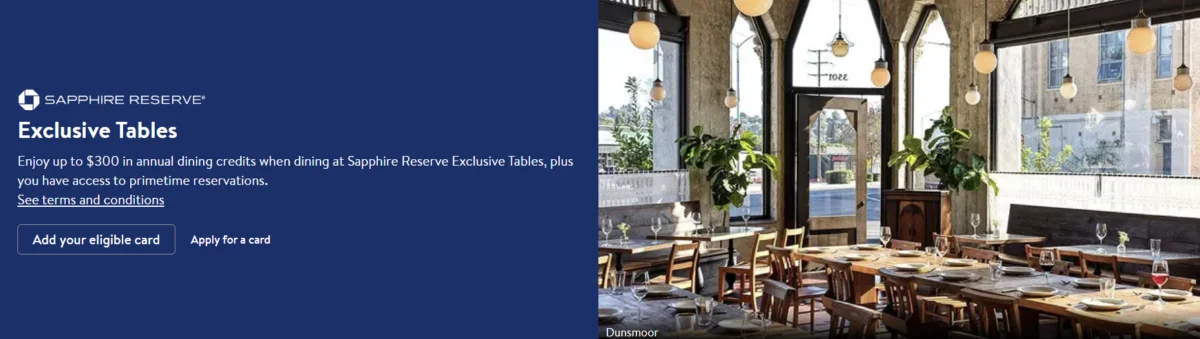
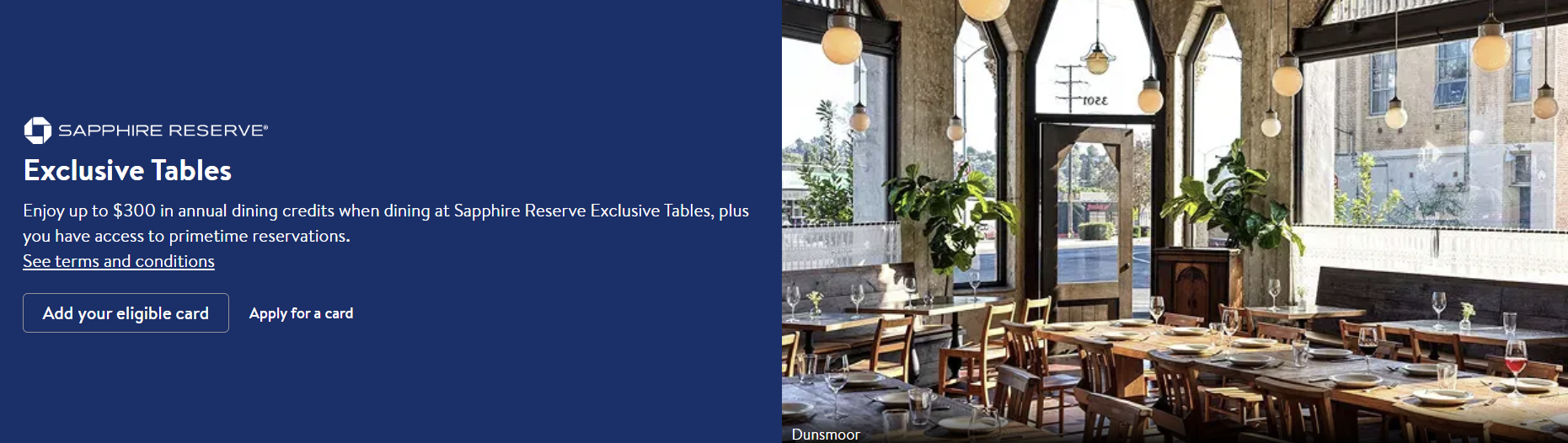
The Chase Sapphire Reserve credit card has implemented a sweeping series of changes to its Exclusive Tables dining benefit, a signature perk that offers cardholders a total of $300 in annual statement credits for dining at a curated selection of high-end restaurants. This latest update, coordinated through the card’s partnership with the reservation platform OpenTable, represents a dual-edged development for premium cardholders: while the network has expanded with over 90 new restaurant additions, it has simultaneously seen the unannounced removal of more than 60 established venues. These changes significantly alter the geographical utility of the benefit, particularly in high-traffic travel destinations such as Las Vegas and Miami, where the number of eligible establishments has plummeted.
The Exclusive Tables benefit is structured as two $150 credits per year, issued in six-month intervals from January through June and July through December. Unlike many other travel-related credits that require booking through a specific portal, the Chase Sapphire Reserve rebate is designed for ease of use; cardholders simply need to use their physical or digital card at a participating location to trigger the statement credit. However, the recent volatility in the restaurant list has introduced a layer of complexity for users who plan their dining itineraries months in advance to maximize the value of their $550 annual fee.
Evolution and Context of the Sapphire Reserve Dining Perk
The introduction of the Exclusive Tables credit was widely viewed by industry analysts as a strategic move by JPMorgan Chase to compete in the increasingly crowded premium credit card market. For years, the American Express Platinum Card and the Capital One Venture X have engaged in an "amenities arms race," offering various lifestyle, travel, and dining credits to justify high annual fees. Chase’s decision to pivot toward a high-end dining credit was aimed at capturing the "foodie" demographic—travelers who prioritize culinary experiences as much as luxury accommodations.
The Exclusive Tables program utilizes a specialized version of the OpenTable platform to identify eligible restaurants. By curating a list that includes Michelin-starred venues and critically acclaimed local favorites, Chase positions the Sapphire Reserve as a lifestyle tool rather than just a transaction vehicle. The recent update marks one of the largest shifts in the program’s history, indicating an aggressive attempt to refresh the portfolio, even at the cost of stability in certain markets.
Regional Shifts and Geographic Disparities
The data from the latest update reveals a stark contrast in how different metropolitan areas are being served by the program. While major hubs like New York City, Los Angeles, and Chicago continue to see robust representation, other cities have been nearly entirely stripped of their eligible venues.

The Decline of Las Vegas and Miami
The most significant impact of the recent removals is felt in Las Vegas. Previously a stronghold for the program with nine participating restaurants, the city has seen its roster reduced to a single eligible outlet: Esther’s Kitchen. Iconic destinations such as Nobu and Hell’s Kitchen at Caesars Palace, as well as the high-profile Delilah at Wynn Las Vegas, have been removed. This reduction is particularly notable given that Las Vegas is a primary destination for the affluent travelers who typically carry the Sapphire Reserve card.
Similarly, Miami and San Diego experienced heavy losses. In Miami, the removal of Michelin-recognized spots like L’Atelier de Joël Robuchon and Ariete has reduced the local list to nine venues. San Diego saw the departure of popular mainstays like Kettner Exchange and Coasterra, leaving the city with 13 options.
Expansion in New York and the Mid-Atlantic
Conversely, the New York City metropolitan area has solidified its position as the center of the Exclusive Tables universe. With 50 participating restaurants, including new additions like Sailor and Strange Delight, NYC cardholders have the highest probability of utilizing their credits organically. The Baltimore and Washington D.C. markets also saw substantial growth, with each now hosting 21 eligible restaurants, including high-end destinations such as Jont and Xiquet by Danny Lledó.
Chronology of Changes and the 60-Day Grace Period
The removal of over 60 restaurants occurred without prior notification to cardholders, a move that drew immediate criticism from the points-and-miles community and consumer advocacy groups. In response to the sudden nature of these changes, Chase has established a grace period for those with existing reservations.
According to official communications from Chase representatives, cardholders who booked a reservation at a participating restaurant before it was removed from the program remain eligible for the $150 credit for up to 60 days following the removal date. This policy is intended to mitigate the financial impact on users who selected specific dining venues based on the expectation of a rebate. However, the onus remains on the consumer to verify the current status of a restaurant before dining, as the grace period only applies to pre-existing bookings.
Updated National Directory of Eligible Establishments
The following list represents the current state of the Sapphire Reserve Exclusive Tables network as of the most recent update. Venues that have been recently added are included in the counts, while those that were previously eligible but have been removed are no longer considered active for new reservations.
- New York (50): Includes Altro Paradiso, Aska, Blue on the Hudson, Ci Siamo, Estela, and the highly-regarded Modern and Gramercy Tavern locations.
- Los Angeles (28): Features Bavel, Bestia, chi SPACCA, Providence, and Republique. Notably, Gjelina and Somni have been removed.
- Chicago (26): Includes Boka, Elske, Ever, Kasama, and Lula Cafe. Significant removals include Moody Tongue and The Publican.
- Washington D.C. / Baltimore (21 each): High-density markets featuring Amazonia, Bresca, Causa, and Old Ebbitt Grill.
- Denver (16): Includes Alma Fonda Fina, El Five, and Tavernetta.
- Houston (15): Features BCN Taste & Tradition, Bludorn, and March.
- Philadelphia (15): Includes Friday Saturday Sunday, Vetri Cucina, and My Loup.
- Austin (14): Features Birdie’s, Comedor, and Hestia.
- San Diego (13): Includes Animae, Herb & Wood, and Juniper and Ivy.
- Atlanta (10): Features Canoe, Lazy Betty, and Mujo.
- Portland, Oregon (10): Includes Coquine, LangBaan, and Nodoguro.
- Dallas (9): Features Mister Charles, Tei-An, and Town Hearth.
- Phoenix (9): Includes Bacanora, Chilte, and Lom Wong.
- New Orleans (7): Features Brennan’s, GW Fins, and Restaurant August.
Other cities with emerging or stabilized representation include Charlotte (6), Oklahoma City (6), Orlando (6), Sacramento (4), Salt Lake City (5), and Tampa (4). Markets like Richmond and San Antonio currently feature only one or two participating venues, suggesting room for future growth or a potential phase-out if engagement remains low.
Strategic Implications and Consumer Considerations
The restructuring of the Exclusive Tables program suggests a shift in Chase’s curation strategy. By rotating restaurants in and out of the program, Chase and OpenTable may be attempting to keep the benefit "fresh" and prevent it from becoming a static discount for a small number of local regulars. However, the lack of transparency regarding removals presents a challenge for the "set it and forget it" consumer.
From a financial perspective, the $300 annual value of this benefit is a significant offset to the Sapphire Reserve’s $550 annual fee, particularly when combined with the card’s $300 annual travel credit. For a cardholder who maximizes both, the effective annual fee drops into negative territory. However, the utility of the dining credit is now heavily dependent on the cardholder’s location or travel schedule. A cardholder living in Las Vegas, for instance, now faces a significantly harder path to extracting the full $300 in value than one living in Manhattan or Chicago.
Industry experts suggest that cardholders should check the OpenTable "Exclusive Tables" portal within the Chase mobile app or website immediately before dining to ensure their chosen restaurant remains active. Because the 60-day grace period requires proof of a prior reservation, walk-in diners at recently removed restaurants are unlikely to receive the credit.
Looking Ahead: The Future of Premium Card Benefits
As Chase continues to refine the Sapphire Reserve’s value proposition, the Exclusive Tables benefit will likely remain a centerpiece of its lifestyle branding. The expansion into mid-sized markets like Oklahoma City and Greenville indicates a desire to make the benefit useful to a broader geographic base, even as it scales back in traditional luxury hubs.
The partnership with OpenTable provides Chase with granular data on where its most affluent customers are dining, allowing for highly targeted network adjustments. While the recent "purge" of 60 restaurants caused temporary frustration, the addition of 90 new venues suggests that Chase is committed to the longevity of the program. For the consumer, the takeaway is clear: in the world of premium credit card perks, benefits are rarely permanent, and vigilance is required to ensure that the "exclusive" nature of the program does not result in an excluded credit.




 Anjar Salim
 Chandra Hamzah
 Tatiana Tantri Indah Sari
 Lukman Taruna Persada Ramadan
