
 Chandra Hamzah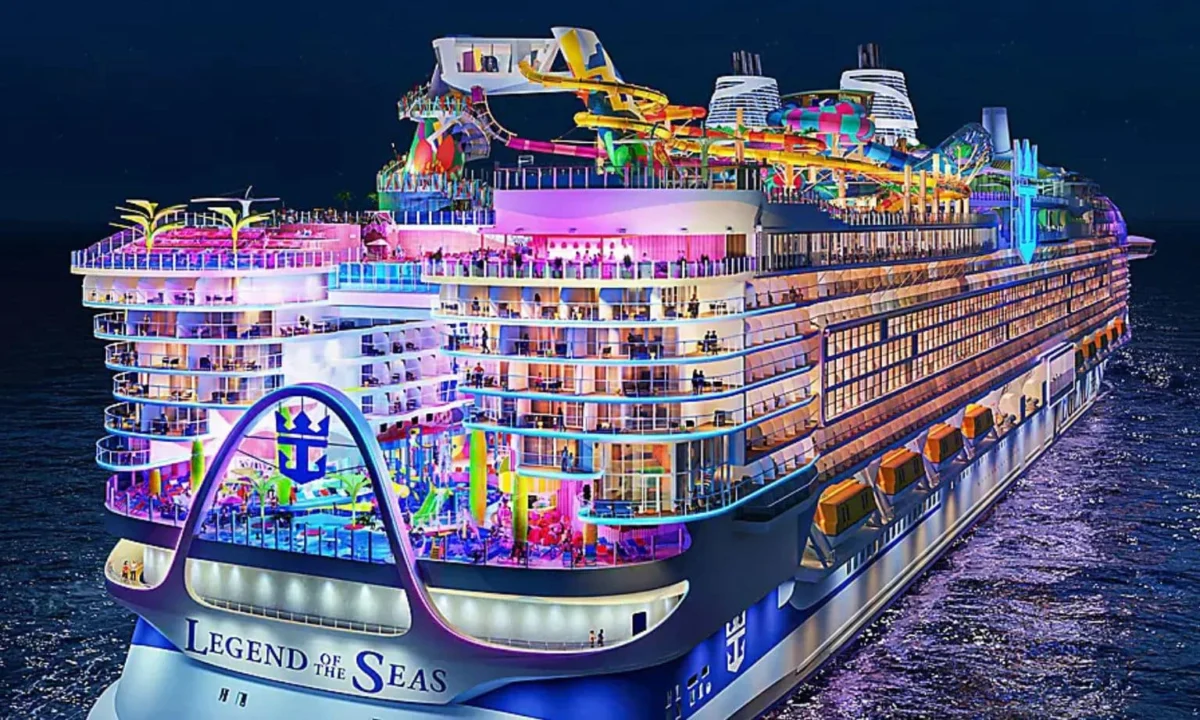
The World Travel and Tourism Council (WTTC) has issued a strong appeal to Barcelona’s political leaders, urging them to reconsider a proposed significant increase in taxes levied on the cruise industry. The city council’s current proposal outlines a dramatic escalation of the cruise passenger tax, potentially raising it from the current €6 (approximately AU$10) to as much as €30 (approximately AU$50) per passenger. This ambitious increase is slated to be implemented in phases, with an initial rise to €12 (approximately AU$20) per passenger planned for the short term. This proposed levy would specifically target cruise ships that visit Barcelona as a port of call, rather than those that embark or disembark passengers in the city.
The WTTC, a prominent global organization representing the travel and tourism sector, has voiced serious concerns about the potential economic repercussions of such a substantial tax increase. Gloria Guevara, President and Chief Executive of the WTTC, has explicitly warned that the move could trigger a negative economic impact on Barcelona. "Additional costs to visitors to Barcelona would likely reduce the overall economic contribution generated by the cruise industry as tourists adjust their spending habits ashore," Guevara stated. "This, in turn, would potentially lead to job losses, impacting local employment and job creation within the city’s service sectors." Her statement highlights a potential ripple effect, where increased costs for cruise passengers could lead to reduced spending on local goods and services, ultimately affecting businesses and employment opportunities within Barcelona’s vibrant tourism ecosystem.
Furthermore, Guevara pointed to a broader trend observed in other destinations. "Evidence WTTC has gathered from other destinations shows that sudden tax hikes rarely produce the intended outcomes," she added, suggesting that the proposed Barcelona tax might not achieve its desired objectives and could instead create unintended negative consequences. This statement implies that past experiences in similar tourist hubs have demonstrated that aggressive taxation of the cruise sector can lead to a decrease in visitor numbers or spending, without necessarily yielding the projected revenue gains.
This contentious proposal emerges against a backdrop of significant activity in Barcelona’s cruise sector. The city is preparing for the arrival of the Legend of the Seas, a colossal new ship from Royal Caribbean. Set to debut this July, the Legend of the Seas is poised to make over ten port calls in Barcelona in the coming months. Notably, this vessel is set to join Royal Caribbean’s Icon-class ships, positioning it among the largest ships globally. With a capacity to accommodate nearly 8,000 passengers, and a total occupancy including crew reaching up to 9,900 individuals, the Legend of the Seas will undoubtedly be a prominent presence in Barcelona’s port, dwarfing many other vessels that frequent the city.
The Economic Significance of Cruise Tourism in Barcelona
To fully understand the context of this tax debate, it is crucial to examine the economic contribution of cruise tourism to Barcelona. The city typically welcomes around four million cruise passengers annually. While this figure represents a substantial segment of its tourism market, it is important to note that Barcelona’s overall tourist influx is far greater, reaching an estimated 25 to 30 million visitors per year. This sheer volume of tourism has, in recent years, fueled considerable local protests and concerns regarding overtourism, with the city’s infrastructure and housing stock reportedly struggling to adequately accommodate the demand generated by such a large number of visitors.
Despite the significant numbers of cruise passengers, their direct economic contribution to the GDP of Catalonia, the region in which Barcelona is located, is substantial. Cruise activity alone adds an estimated €413.2 million annually to the region’s GDP. However, when compared to the total tourism expenditure in Catalonia, which surpasses €10 billion, the cruise sector’s direct GDP contribution represents a more modest proportion, approximately four percent. This statistic suggests that while cruise tourism is a valuable economic driver, it is not the sole or even dominant pillar of Barcelona’s broader tourism economy.
This dynamic is increasingly observed across various popular European destinations. Many European cities, facing the challenges of managing high visitor numbers and their impact on local communities, are finding themselves in a position where they can afford to limit or manage cruise tourism without jeopardizing their overall economic stability. This is in stark contrast to regions like the Caribbean, where cruise tourism often constitutes a much larger and more critical component of the regional tourism expenditure.
A Wider European Trend of Cruise Regulation
Barcelona’s proposed tax hike is not an isolated incident but rather part of a broader trend of increased regulation and taxation of the cruise industry emerging in prominent European tourist hotspots. Destinations such as Santorini, Amsterdam, and Venice have already implemented or are considering similar measures, including increased taxes, restrictions on port calls, and limitations on passenger numbers. These actions reflect a growing sentiment among European cities to better manage the impact of mass tourism, particularly from large cruise ships, on their infrastructure, environment, and local quality of life.
The future of cruise tourism in Europe appears to be one of strategic adaptation rather than unchecked expansion, a stark contrast to the booming cruise markets seen in areas like the Caribbean and parts of the United States, including Alaska and the Californian coast. In these regions, the industry has experienced significant growth in capacity and ship inventory.
For the cruise industry to thrive in the evolving European landscape, it will likely need to adopt a multi-pronged strategy. This could involve pivoting to explore and develop new or less-crowded European itineraries, strategically repositioning ships to cater to different market demands, or, crucially, engaging in more robust dialogue with European cities to effectively demonstrate and articulate the value proposition that cruise tourism brings to their local economies and communities. This necessitates a shift from a volume-based approach to one that emphasizes sustainable growth and mutual benefit.
Background and Context of the Proposed Tax
The impetus behind Barcelona’s proposed tax increase appears to stem from a confluence of factors, primarily driven by concerns over overtourism and its strain on the city’s resources. Barcelona has long been a sought-after destination, drawing millions of tourists annually. While tourism is a vital economic engine, the sheer volume has led to tangible challenges, including increased pressure on public transportation, housing affordability, and waste management. Cruise ships, with their high passenger capacity, are often seen as significant contributors to this density, particularly in the port areas and central tourist zones.
Historically, cruise passenger taxes in Barcelona have been relatively modest, designed to contribute a small fee towards the upkeep and management of port facilities and related public services. The current €6 tax has been in place for some time, and the proposed jump to potentially €30 represents a significant policy shift, aiming to capture a larger share of the economic benefit derived from each cruise passenger visiting the city.
The timing of this proposal is also noteworthy, coinciding with the anticipated arrival of a new generation of ultra-large cruise ships. The Legend of the Seas, with its immense size and passenger capacity, exemplifies the scale of vessels now entering the market. This raises questions about the capacity of existing port infrastructure to handle such behemoths and the potential environmental impact of increased ship traffic. For city officials, the tax hike could be seen as a mechanism to generate revenue to offset these impacts and potentially invest in sustainable tourism initiatives.
Analyzing the Potential Implications
The WTTC’s warning about job losses and reduced economic contribution warrants careful consideration. If the proposed tax significantly deters cruise lines from including Barcelona as a port of call, or if passengers opt for destinations with lower associated costs, the direct economic benefits to the city could indeed diminish. This could impact businesses that rely heavily on cruise passenger spending, such as souvenir shops, restaurants, and tour operators. The service sectors, which Guevara highlighted, are often characterized by a high proportion of local employment, making job losses a particularly sensitive issue.
However, proponents of the tax might argue that the revenue generated could be reinvested in local infrastructure, environmental protection, or initiatives aimed at mitigating the negative impacts of tourism. They might also contend that a more selective approach to tourism, even if it means fewer visitors, could lead to a higher quality of tourism experience for both residents and visitors, and a more sustainable economic model in the long run. The debate hinges on finding a balance between maximizing economic benefits and preserving the quality of life for Barcelona’s residents and the integrity of its urban environment.
The WTTC’s reference to "sudden tax hikes rarely producing the intended outcomes" suggests that a more gradual and consultative approach might be more effective. This could involve engaging in dialogue with cruise lines to understand their operational constraints and to collaboratively develop solutions that address Barcelona’s concerns without causing undue economic disruption. Such collaboration could lead to mutually beneficial arrangements, where cruise lines contribute more significantly to the local economy in ways that align with Barcelona’s sustainability goals.
The future of cruise tourism in popular European destinations like Barcelona is clearly at a crossroads. The industry, and the cities it serves, will need to navigate a path that acknowledges the challenges of mass tourism while ensuring the continued economic viability of this important sector. The outcome of Barcelona’s proposed tax increase will likely be closely watched by other European cities grappling with similar issues, potentially setting a precedent for how cruise tourism is managed in the years to come.




 Anjar Salim
 Tatiana Tantri Indah Sari
 Budi Mulyono
 Lukman Taruna Persada Ramadan
