
 Susilo Edi Turonggo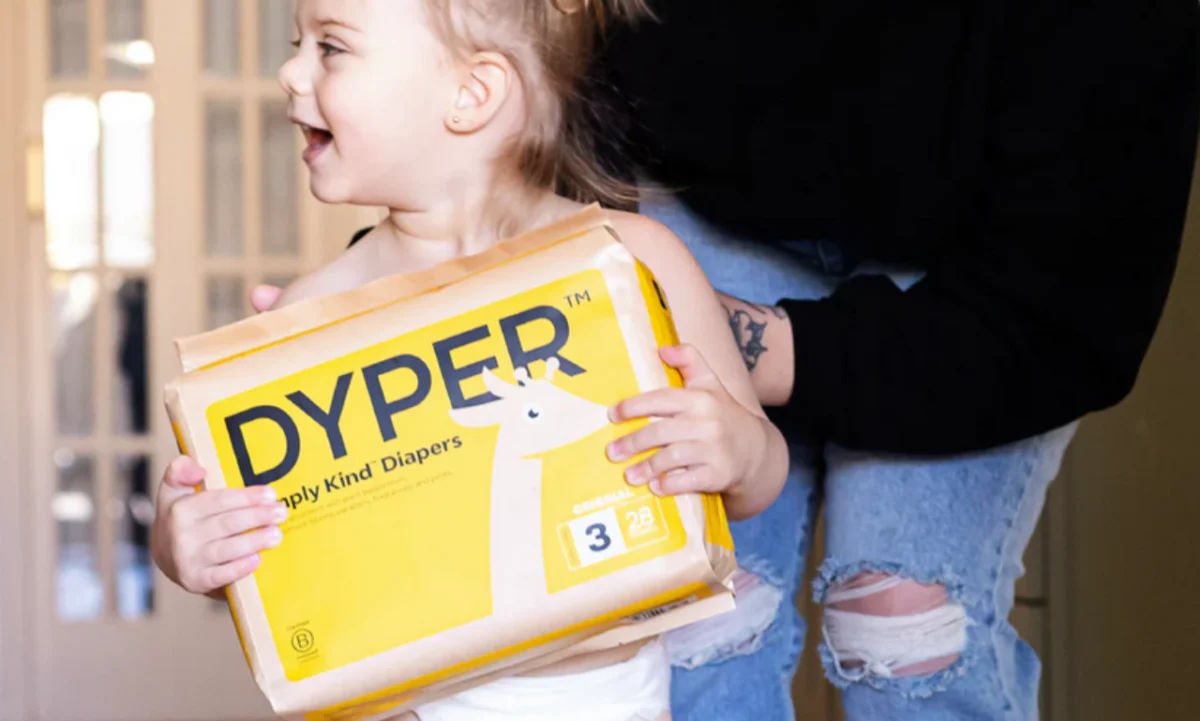
The sheer volume of waste generated by infants is a significant environmental concern, often underestimated by new parents. On average, a single baby will utilize approximately 6,000 diapers within their first two years of life, contributing substantially to landfill accumulation. While reusable cloth diapers present an alternative, their practical demands—including frequent washing, specialized cleaning, and significant upfront investment—often render them unfeasible for the demanding schedules of many modern families. This leaves traditional single-use disposable diapers as the dominant choice, despite their well-documented environmental and potential health drawbacks.
The Environmental Footprint of Conventional Diapers
The environmental impact of conventional disposable diapers is multifaceted and severe. Predominantly constructed from petroleum-derived plastics, synthetic absorbent polymers, and wood pulp, these diapers are designed for convenience but not for decomposition. Once discarded, they contribute to the ever-growing mountains of municipal solid waste in landfills, where they can persist for an estimated 200 to 500 years, slowly breaking down into microplastics that contaminate soil and water systems. Annually, billions of disposable diapers are landfilled globally, representing a significant portion of household waste by volume and weight. The manufacturing process itself is also resource-intensive, requiring considerable amounts of crude oil, timber, and water, alongside energy consumption that contributes to greenhouse gas emissions.
Unpacking the Health Concerns: A Chemical Conundrum
Beyond the environmental burden, the chemical composition of many conventional disposable diapers raises substantial health questions. Consumers are increasingly scrutinizing product ingredients, particularly for items in prolonged contact with sensitive skin. Traditional diapers often contain a cocktail of substances that have been linked to various adverse health outcomes. These can include:
- Phthalates: Used to make plastics more flexible, phthalates are endocrine-disrupting chemicals associated with reproductive disorders, developmental issues, and altered hormonal function. Studies have suggested links between phthalate exposure and conditions like testicular cancer later in life.
- Volatile Organic Compounds (VOCs): Chemicals like toluene, xylene, and ethylbenzene, often emitted from synthetic materials and fragrances, can contribute to respiratory irritation and other health problems.
- Fragrances: While seemingly innocuous, artificial fragrances are complex mixtures of chemicals, many of which are known allergens and irritants. They can cause acute skin rashes, allergic reactions, and even exacerbate respiratory conditions. The lack of full disclosure for fragrance ingredients due to trade secret protections further complicates consumer awareness.
- Chlorine: Used in the bleaching process for wood pulp, chlorine can produce dioxins, highly toxic environmental pollutants and known carcinogens. While elemental chlorine-free (ECF) or totally chlorine-free (TCF) processes are becoming more common, their prevalence varies.
- Latex, Parabens, Dyes: These are additional common irritants and potential allergens found in some diaper formulations, posing risks for sensitive infants.
Alarmingly, regulatory oversight for baby diapers in the United States is notably lax. The Consumer Product Safety Commission (CPSC) primarily mandates testing only for lead content, leaving a wide array of other potentially harmful chemicals, including carcinogens and endocrine disruptors, largely unregulated and untested in these everyday products. This regulatory gap places the onus on manufacturers to prioritize safety and transparency, and on consumers to seek out brands committed to rigorous testing and natural ingredients.
Dyper’s Genesis: A Solution Born from Frustration
The catalyst for Dyper’s creation emerged from a deeply personal and relatable experience. Tony Patron, a new father and an engineer by profession, found himself confronted weekly by overflowing trash bins, predominantly filled with plastic-laden disposable diapers. This tangible evidence of waste accumulation sparked a realization: a fundamental change was urgently needed in the infant care industry. This moment of clarity, shared with his business partner, initiated a journey to develop a product that could alleviate both household waste burdens and environmental impact.

Patron, leveraging his engineering background, initially explored partnerships with existing companies focused on compostable diaper technologies. This collaborative spirit eventually led to the formation of Dyper, a company singularly dedicated to engineering high-performance, non-toxic, and biodegradable diapers designed to significantly reduce both household and environmental waste. The company’s mission crystallizes around the ethos of "plants over plastic for happy babies," aiming to offer parents a sustainable choice without compromising on quality or convenience.
Innovating with Nature: Dyper’s Plant-Based Approach
Dyper’s commitment to sustainability is evident in its meticulous selection of materials and rigorous testing protocols. The company’s product development team is dedicated to maximizing biodegradability across its product lines, acknowledging the current technological limitations for certain components like Velcro fasteners, which are not yet widely available in fully biodegradable forms. The core objective, as articulated by Patron, is to deliver a diaper that performs equivalently to leading conventional brands in critical areas such as absorbency, fit, and comfort, while crucially eliminating skin irritation.
Dyper utilizes primarily plant-based resources, with a significant reliance on FSC-certified bamboo and eucalyptus fibers sourced from the United States. The viscose bamboo employed by the company originates from an Oeko-Tex certified supplier, ensuring it is free from harmful substances and produced in an environmentally responsible manner. Transparency is a cornerstone of Dyper’s philosophy; the brand meticulously labels each layer of its diapers with specific component details, providing conscious parents with full visibility into what touches their baby’s skin.
The brand’s dedication to natural composition is reflected in its certifications: Dyper diapers are Certified USDA BioPreferred 55% Product, while its wipes achieve an even higher standard as a Certified USDA BioPreferred 95% Product. Furthermore, the diaper products meet stringent Oeko-Tex standards, signifying they are tested for harmful substances. Most recently, Dyper obtained the coveted DermaTest 5-Star Certification, an independent dermatological seal of approval guaranteeing that the diapers will not cause any skin reactions, offering peace of mind to parents concerned about sensitive skin and allergies. This comprehensive approach, including third-party lab testing for non-toxicity and compostability, underscores Dyper’s commitment to product integrity and consumer trust.
The REDYPER Program: Closing the Loop on Diaper Waste
A cornerstone of Dyper’s holistic sustainability model is its pioneering REDYPER program. Recognizing that even plant-based diapers require a specialized disposal solution to achieve their full environmental potential, REDYPER offers an optional, subscription-based service for the collection and commercial composting of used diapers and wipes. This innovative initiative directly addresses the critical challenge of diverting diaper waste from landfills.
The REDYPER program operates by partnering with regional composting facilities, leveraging existing infrastructure to process the organic components of the diapers. After collection, the materials are transported to these facilities where they undergo a controlled composting process. The plant-based elements are designed to break down efficiently within 14 to 16 weeks, transforming into nutrient-rich compost. Non-compostable elements, such as the aforementioned Velcro, are removed during the process and disposed of responsibly.
The impact of the REDYPER program has been substantial. As of today, it has successfully diverted over 14 million pounds of waste from landfills, demonstrating the viability and scalability of such circular economy initiatives within the consumer goods sector. This program offers a practical, convenient solution for busy parents who desire to minimize their environmental footprint but lack access to local municipal composting services or the time for home composting. It represents a crucial step towards a more sustainable future for infant care, transforming what was once a linear waste stream into a more circular model.
Beyond the Diaper: A Holistic Commitment to Sustainability
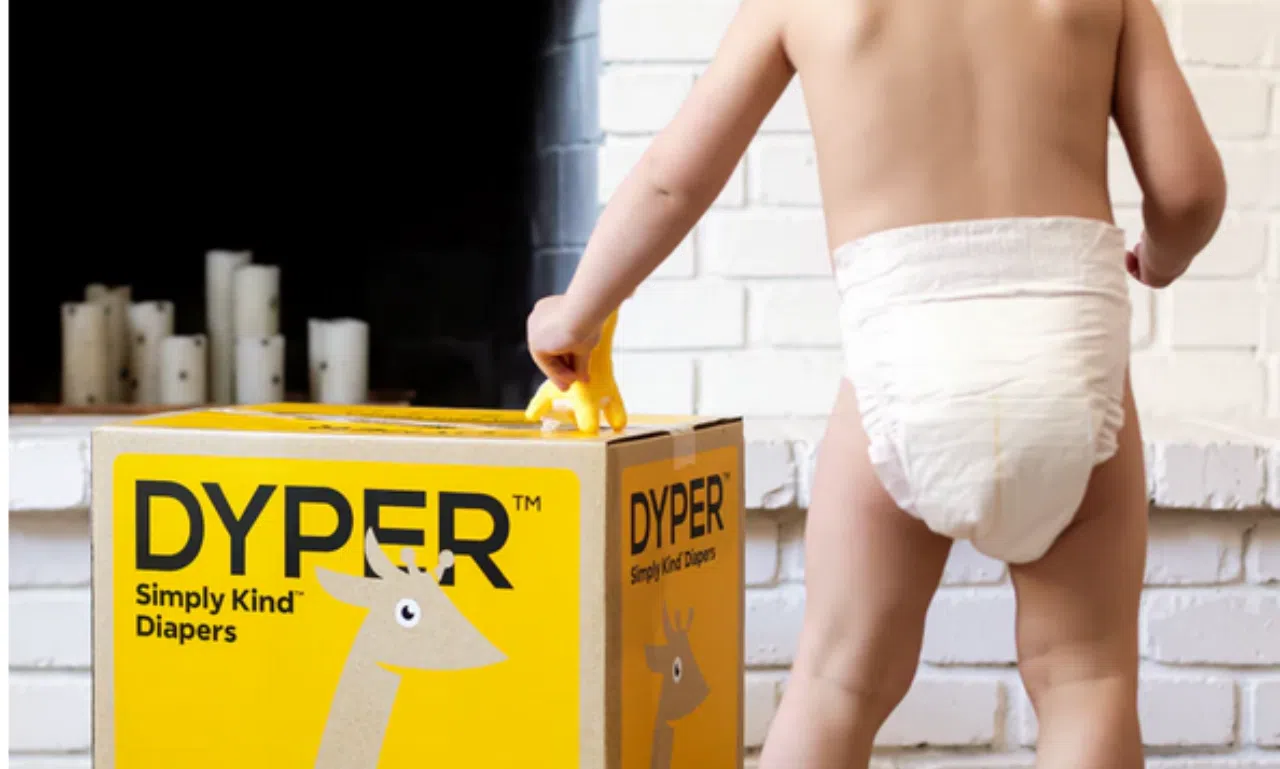
Dyper’s "plants over plastic" philosophy extends beyond the diaper itself, encompassing its packaging and broader operational practices. The company actively seeks out sustainable packaging materials wherever possible, further reducing its environmental impact throughout the supply chain. This comprehensive approach reflects a deep-seated commitment to minimizing ecological footprint at every stage of the product lifecycle.
The convenience factor for parents remains paramount. Dyper offers flexible subscription models and one-time purchasing options for its wide range of diaper sizes. The integration of the REDYPER pickup service, available in specific regions, simplifies the disposal process, removing a significant barrier to sustainable living for many families. By offering high-performing diapers that are gentle on baby’s skin, prevent leaks and rashes, and are backed by robust environmental programs, Dyper demonstrates that parents do not have to choose between functionality and sustainability.
The Road Ahead: Shaping the Future of Infant Care
Dyper’s emergence and success signify a broader shift in consumer demand and industry responsibility. As environmental awareness grows and the health implications of conventional products become more widely understood, companies that prioritize sustainability, transparency, and product integrity are increasingly gaining market traction. Dyper is not merely selling a product; it is offering a comprehensive solution that aligns with the values of environmentally conscious parents.
The long-term implications of Dyper’s model are significant. It challenges the conventional linear economy of "take-make-dispose" by demonstrating a viable circular alternative for a product category notorious for its waste generation. Should such models gain wider adoption, they could drive further innovation in biodegradable materials, expand commercial composting infrastructure, and ultimately reshape regulatory landscapes to encourage more sustainable practices across the consumer goods industry.
In a world grappling with plastic pollution and climate change, companies like Dyper are vital. They illustrate that through innovative engineering, a commitment to natural materials, and the establishment of robust waste management programs, it is possible to provide essential consumer products that are both effective and environmentally responsible. Dyper stands as a testament to the idea that superior baby care can, and should, go hand-in-hand with a commitment to a healthier planet for future generations.



 Anjar Salim
 Chandra Hamzah
 Tatiana Tantri Indah Sari
 Budi Mulyono
 Lukman Taruna Persada Ramadan
