
 Chandra Hamzah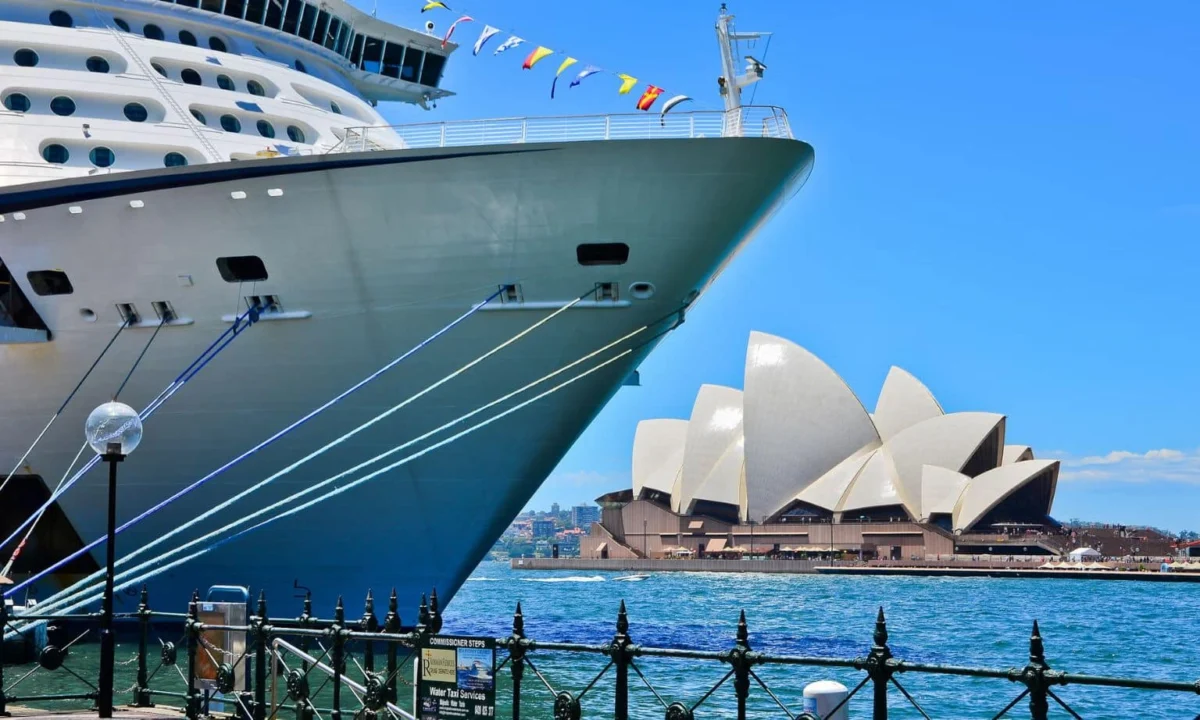
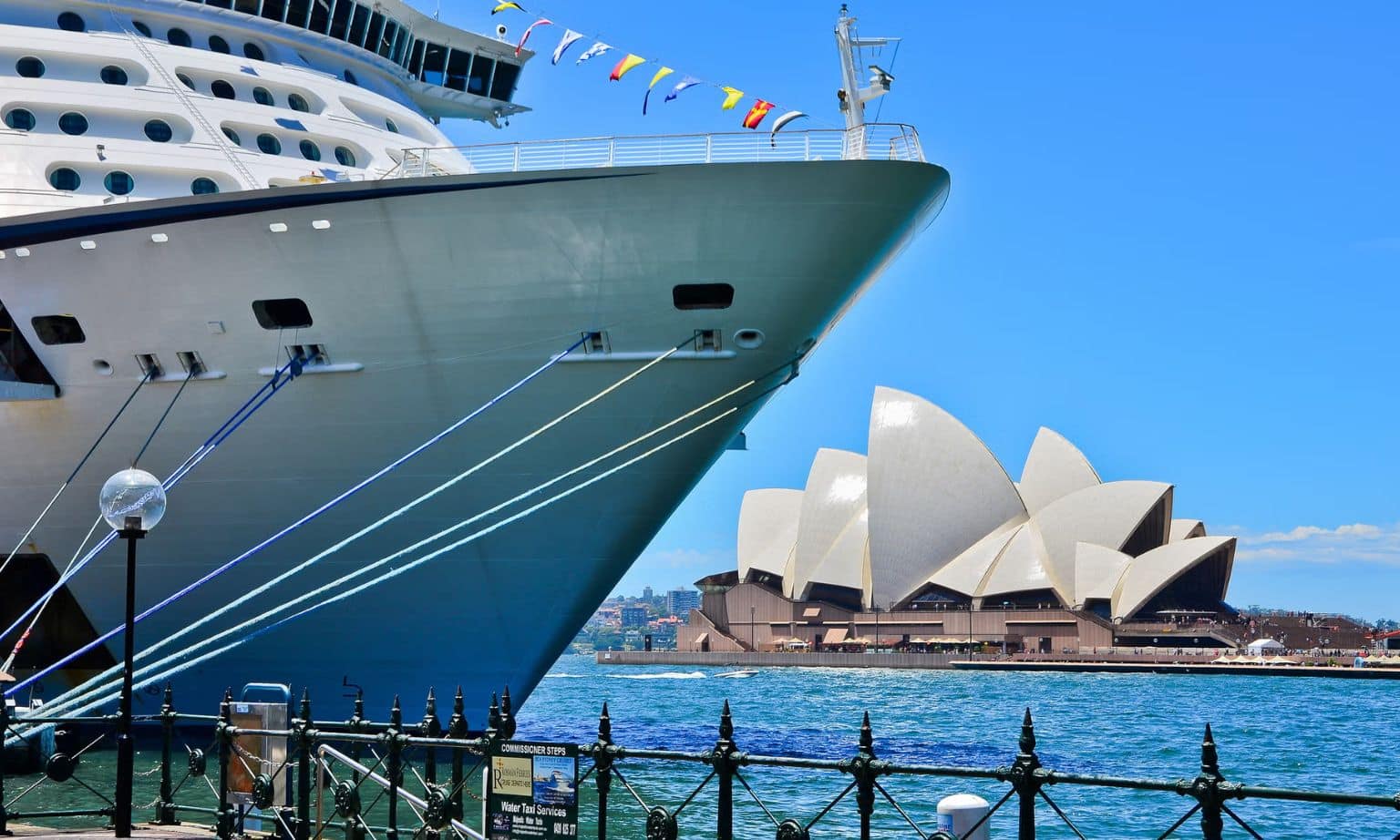
Sydney is widely regarded as the world’s most expensive port. Cruise industry groups have long argued that Sydney’s combination of passenger charges, pilotage, berth fees, and government levies makes it among the highest-cost destinations globally. The financial burden for cruise lines can be substantial, with estimates suggesting it can cost as much as $184,000 for a single visit by a large vessel like Royal Caribbean’s Anthem to Sydney’s Overseas Passenger Terminal. A significant contributor to this steep cost is the passenger-based terminal charge, which industry figures have cited at approximately A$45 per passenger, in addition to navigation, pilotage, and other port fees. This financial pressure has been identified by numerous cruise lines as a primary reason for the observed shrinkage in the fleet of homeported ships in Australian waters over the past four years.
In a significant strategic shift, New South Wales (NSW) ports are introducing off-season pricing incentives designed to attract cruise ships to visit during the traditionally quieter winter and off-peak months. If this initiative proves successful, it has the potential to inject an additional $1 billion into the Australian economy. These pricing incentives, slated to commence from July 1, 2027, are specifically aimed at encouraging cruise operators to schedule more ship calls during Sydney’s cooler winter months. The overarching goal is to foster a more consistent, year-round cruise market, thereby maximizing economic benefits for New South Wales and Australia as a whole. While the precise details of the discount amounts remain undisclosed, the introduction of such a program represents a considerable change in port strategy.
Addressing the Decline in Cruise Capacity
This proactive move by NSW ports comes at a critical juncture for Australia’s cruise industry, which has been grappling with a notable decline in cruise capacity in recent years. The exodus of major cruise lines and the reduction of local deployments by others have significantly impacted the sector. Notably, Virgin Voyages, Cunard, and Disney Cruise Line have all withdrawn from the Australian market. Furthermore, P&O Australia, a long-standing presence, has ceased operations in the region. Even prominent players like Royal Caribbean, Carnival Cruise Line, and Princess Cruises have scaled back their commitments to local deployments. Industry leaders widely believe that extending the cruising season through the winter months presents the most significant opportunity to reverse this concerning trend.
The Appeal of Winter Cruising in Australia
While Carnival Cruise Line currently offers year-round Australian sailings, much of Australia’s most popular cruise region, encompassing Queensland and the South Pacific, remains warm and attractive during the winter. Crucially, this period also falls outside the region’s cyclone season, a factor that significantly reduces the likelihood of weather-related disruptions and enhances itinerary reliability for both cruise lines and passengers. This improved reliability is a key selling point for extending operations into the winter.
A spokesperson for the Port Authority of NSW elaborated on the initiative, stating to Cruise Passenger that the program would "encourage cruise lines to schedule ship calls during the off-peak season in Sydney, helping to smooth demand and maximise economic benefit." The spokesperson further emphasized NSW’s commitment, noting that the state was "investing strongly to support sustainable year-round growth of cruise as part of the visitor economy." This strategic investment underscores the long-term vision for developing a robust, year-round cruise industry.
Industry Perspectives and Potential Economic Windfalls
Gladis Mahfoud, a CLIA-certified travel agent at Investing In Memories, has observed industry discussions surrounding winter cruising and expressed optimism about its potential. She views it as a crucial next step for growing the cruise sector in Australia. Mahfoud highlighted the current challenges faced by travelers due to tight capacity within the Australian market, where finding preferred cabins and sailings can be difficult. Winter cruising, she believes, could alleviate these pressures.
"Another challenge we’re seeing, particularly in the cruise sector, is capacity within the Australian market," Mahfoud explained. "During a recent industry discussion, including insights shared by the CLIA, Cruise Lines International Association, there was recognition that Australia would benefit from more cruise lines committing ships to our waters during the winter season." She added, "While Carnival Cruise Line continues to be a very popular and affordable choice for many Australian families, travellers are increasingly looking for a wider range of cruise experiences. Some are seeking premium, luxury, expedition or destination-focused voyages and would welcome greater local availability rather than having to travel overseas to access those options. Expanding cruise capacity in Australia would provide travellers with more choice while supporting the broader tourism industry."
The potential economic impact of successfully extending the cruise season is substantial. Industry projections suggest that if Australian winter cruising incentives could attract just three new ships to sail year-round, this could significantly accelerate cruise growth and inject billions into the economy. To illustrate this potential, consider the example of Royal Caribbean. With their new private destination at Lelepa, the cruise giant might be more inclined to consider year-round cruising in Australian waters. Over a typical six-month season, Royal Caribbean generally sails approximately 26 cruises, with each cruise averaging about seven days.
If a ship like the Quantum of the Seas were to add an additional 26 sailings per year, accommodating its capacity of 4,905 passengers, this would translate to an additional 127,530 cruise passengers annually. Extending this to other cruise lines, Celebrity Cruises, also owned by Royal Caribbean, could similarly enhance its offerings. If the Celebrity Edge, with a capacity of 2,918 passengers, were to add another six months of sailings, at the same average of seven days per sailing, this would contribute an additional 75,868 passengers per year.
Furthermore, if Princess Cruises were to commit to year-round operations in Australia and extend its season by just an additional three months, for example with the Grand Princess, this could add another 33,826 cruise passengers. Cumulatively, these hypothetical additions alone would offer capacity for an impressive 237,000 extra cruisers each year, representing a significant boost for the industry. This calculation is conservative, as it only considers a few hypothetical additions; if other lines were enticed to establish a year-round presence, the growth potential would be even more substantial.
Economic Projections and the Path Forward
In 2025, a total of 1.37 million people cruised in Australia, contributing approximately $7.32 billion in total economic output. The addition of an estimated 237,000 extra passengers would increase the total number of cruisers to approximately 1.61 million, marking a substantial 17.5% increase. Assuming the economic output per passenger remains consistent, this surge in cruise activity could elevate the total economic output to $8.6 billion, representing an increase of $1.3 billion. This injection of capital into the Australian economy through extended winter cruising would be transformative. The winter months, traditionally viewed as a period of reduced activity, could evolve into a crucial window for cruise lines to deploy additional capacity and for the Australian cruise industry to achieve significant growth.
Chronology of Key Developments
- Past Four Years: Cruise industry groups have consistently highlighted Sydney’s high port costs as a deterrent, contributing to a reduction in homeported ships in Australia.
- Recent Years: Several major cruise lines, including Virgin Voyages, Cunard, and Disney Cruise Line, have withdrawn from the Australian market. P&O Australia ceased operations, and Royal Caribbean, Carnival Cruise Line, and Princess Cruises reduced their local deployments.
- Pre-July 1, 2027: Discussions and planning by NSW ports and the cruise industry regarding strategies to extend the cruising season and address capacity issues.
- July 1, 2027: Commencement of off-season pricing incentives by NSW ports, aimed at attracting cruise ships during winter and shoulder months.
- Future Projections: Potential for significant economic growth, with estimates suggesting an additional $1 billion in economic output if the initiative successfully attracts new year-round cruise deployments.
The success of this initiative hinges on effective collaboration between government bodies and the cruise industry. As the industry rallies behind this strategic move and NSW ports provide tangible support, coupled with a broader governmental push and robust collaboration, the vision of year-round cruising in Australia has a strong possibility of becoming a reality. The timing is opportune, and a coordinated effort could unlock substantial economic benefits and revitalize the Australian cruise sector for years to come.



 Anjar Salim
 Tatiana Tantri Indah Sari
 Budi Mulyono
