
 Chandra Hamzah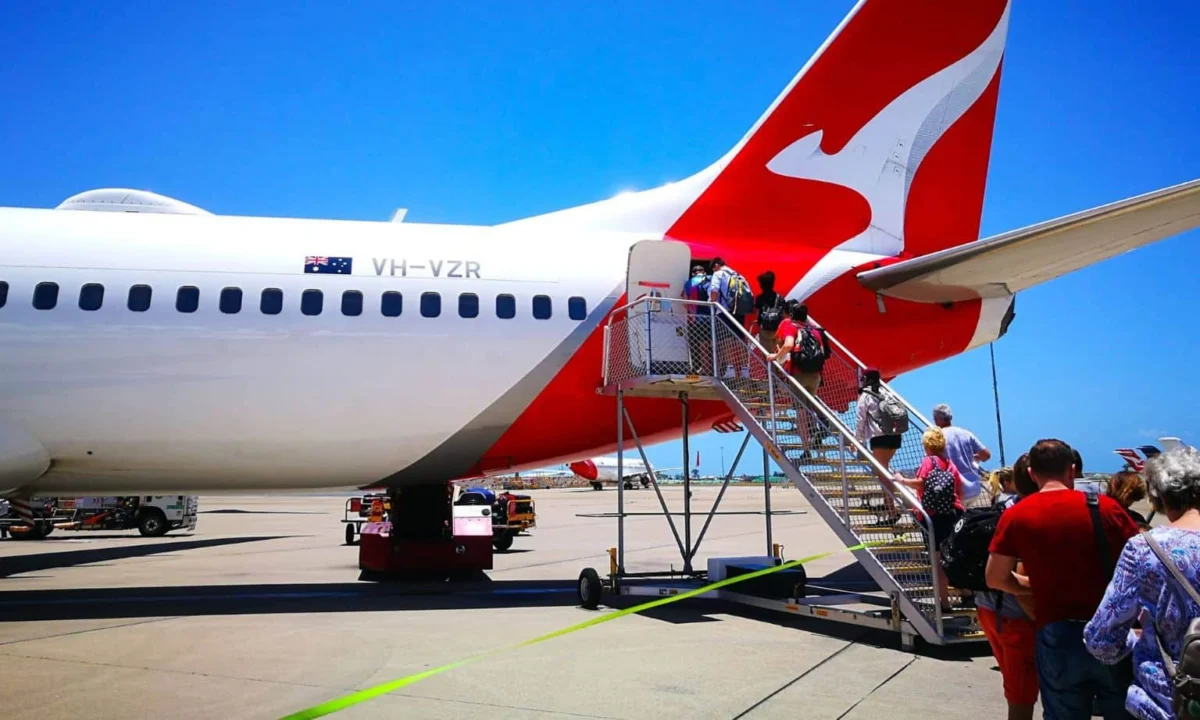
Australia is embarking on a significant modernisation of its border control system, investing $56.1 million to transition from traditional paper passenger cards to a digital alternative. This strategic shift aims to streamline the arrival process for millions of international travellers, enhance national security, and bolster biosecurity measures. The initiative, which has already seen a successful trial, signifies a move towards a more efficient and technologically advanced approach to managing Australia’s borders.
The familiar orange Incoming Passenger Card (IPC), a staple for travellers entering Australia for decades, is set to become a relic of the past. This transition is being driven by the introduction of the Australia Travel Declaration (ATD), a digital platform designed to capture essential passenger information more efficiently. The successful pilot program, involving over 450,000 passengers on eligible Qantas flights arriving in Brisbane, Sydney, and Melbourne, has provided a robust foundation for the nationwide rollout. This trial demonstrated the system’s capability to handle large volumes of travellers and gather crucial data for border agencies.
The phased implementation of the ATD is scheduled to expand to Perth and Adelaide by the end of 2026. Following this, a comprehensive rollout across all Australian international airports and seaports is anticipated within the subsequent 12 to 18 months. This phased approach allows for systematic integration and ensures that operational adjustments can be made based on real-world performance.
Initially accessible via a web form, the digital declaration is planned to evolve further, with the government exploring integration into a dedicated mobile application. This future development aims to further enhance the traveller experience, making the process even more seamless and convenient. The government has indicated a commitment to collaborating with industry stakeholders, including airlines and travel technology providers, to ensure the ATD is user-friendly and effectively integrated into the broader travel ecosystem.
Australia’s embrace of digital arrival systems aligns it with a growing international trend. Nations such as Singapore, the United Kingdom, Japan, and New Zealand have already implemented similar digital platforms for passenger processing. This global adoption underscores the recognised benefits of digital declarations in improving efficiency, data accuracy, and traveller convenience.
Minister for Trade and Tourism, Senator Don Farrell, highlighted the economic and experiential benefits of the digital shift. "Making arrivals simpler and quicker means visitors can spend less time filling out forms and more time enjoying everything Australia has to offer," Senator Farrell stated. He further emphasised the positive impact on the tourism sector, noting, "This is a win for tourists and a win for our tourism operators, helping make Australia an even easier and more welcoming place to visit."
Beyond enhancing the traveller experience, the ATD is poised to deliver significant improvements in national security and biosecurity. The digital system is expected to generate higher quality data for risk assessments, enabling border agencies to respond more swiftly and effectively to potential threats. This includes the early detection and management of biosecurity risks, such as invasive pests and diseases, which could have devastating consequences for Australia’s unique environment and agricultural industries.
Minister for Agriculture, Fisheries, and Forestry, Julie Collins MP, underscored the biosecurity advantages. "The Australia Travel Declaration will strengthen Australia’s biosecurity by providing better quality information earlier, helping us identify and respond to potential biosecurity risks before they reach our shores," Minister Collins explained. She added, "This investment ensures Australia’s border keeps pace with growing traveller numbers and emerging global biosecurity threats." This proactive approach is crucial given the increasing volume of international travel and the persistent global threat of biosecurity incursions.
The investment of $56.1 million signifies the government’s commitment to modernising critical infrastructure and systems that underpin Australia’s economic prosperity and national resilience. This funding will support the development, implementation, and ongoing maintenance of the digital declaration system, as well as training for border agency personnel and necessary technological upgrades.
Background and Chronology of the Transition
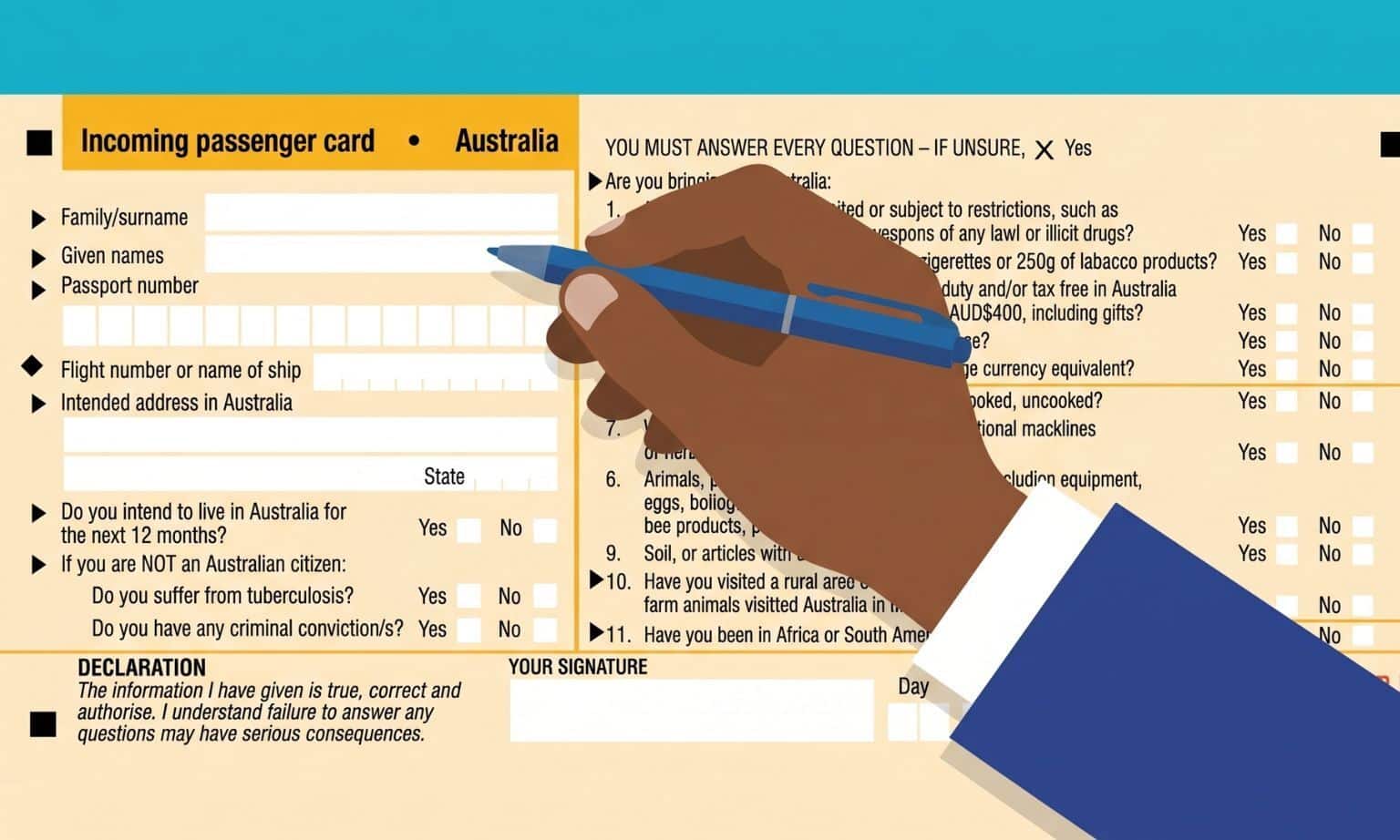
The move away from paper-based passenger cards has been a topic of discussion within border management circles for some time. The traditional IPC, a handwritten form requiring travellers to declare items they are bringing into the country and provide personal details, has been in use for decades. While it has served its purpose, the digital age necessitates a more efficient and data-rich approach.
The successful trial conducted with Qantas flights provided crucial insights into the operational feasibility and user acceptance of the ATD. This trial phase allowed the Department of Home Affairs and the Australian Border Force to identify potential challenges and refine the system before a wider deployment. The positive outcomes of this pilot have paved the way for the current expansion plans.
The timeline for the full transition is as follows:
- Current Phase: Successful trial completed with Qantas flights into Brisbane, Sydney, and Melbourne.
- Upcoming Expansion: Rollout to Perth and Adelaide airports by the end of 2026.
- Nationwide Implementation: Phased deployment across all Australian international airports and seaports over the subsequent 12 to 18 months.
- Future Enhancements: Potential integration of the ATD into a dedicated mobile application and further streamlining with industry partners.
This structured approach ensures that the transition is managed effectively, minimising disruption to travellers and operational staff.
Supporting Data and International Benchmarks
The decision to adopt a digital passenger declaration is supported by global trends and the demonstrable benefits seen in other countries. For instance, the International Air Transport Association (IATA) has been a strong advocate for digital travel documentation, highlighting the inefficiencies and environmental impact of paper-based processes.
Data from countries that have implemented similar systems often shows a significant reduction in processing times at the border. While specific figures for Australia’s ATD rollout are yet to be released, anecdotal evidence from the pilot program suggests a smoother passenger flow. The ability to pre-complete declarations before arrival means that upon landing, travellers can proceed more directly to immigration and customs, reducing queues and overall waiting times.
In terms of data quality, digital systems allow for structured input, reducing errors associated with handwritten forms. This structured data is invaluable for advanced analytics and risk profiling, enabling border agencies to better identify potential security and biosecurity threats. For example, by digitising declarations, authorities can more easily cross-reference information with other watchlists and intelligence databases.
The environmental impact of eliminating millions of paper forms annually is also a significant, albeit secondary, benefit. This aligns with broader government initiatives aimed at reducing waste and promoting sustainability.
Official Responses and Stakeholder Perspectives
The announcement has garnered positive reactions from key government ministers and industry representatives.
Senator Don Farrell, Minister for Trade and Tourism, has been a vocal proponent of the initiative, focusing on its role in boosting Australia’s appeal as a tourist destination. His statements underscore the government’s commitment to enhancing the visitor experience and supporting the vital tourism sector.
Minister Julie Collins, Minister for Agriculture, Fisheries, and Forestry, has emphasized the critical role of the ATD in safeguarding Australia’s biosecurity. Her focus on improved data quality and earlier threat detection highlights the dual benefits of the system: facilitating legitimate travel while strengthening national biosecurity defences.
Felicity Burke, APAC Director of FCM Travel’s Consulting business, offered a pragmatic perspective from the travel industry. She described the move as a "practical win for travellers," noting that the paper card was "one of the last bits of friction left in an otherwise fast, digital travel experience." Burke specifically highlighted the value of time saved, stating, "Digital declarations get done before you land, which means faster movement through arrivals and shorter queues at immigration. For families starting a holiday or business travellers racing to a meeting, every minute counts."
However, Burke also raised an important point regarding accessibility. She cautioned that the ultimate success of the rollout would depend on ensuring the system is inclusive. "The real test is accessibility. Not every traveller is glued to an app. Families, older travellers and those without reliable data still need a simple option that works," she advised. The government has acknowledged this concern, confirming that existing paper forms will remain available for travellers who cannot access or are unable to use the digital declaration. This commitment to a dual-track approach ensures that no traveller is left behind.
The collaboration with industry partners, including airlines like Qantas, is crucial for the seamless integration of the ATD. Airlines play a pivotal role in informing passengers about the new requirements and facilitating the digital declaration process prior to departure.
Broader Impact and Implications
The transition to a digital passenger declaration represents more than just a procedural change; it signifies a broader shift in how Australia manages its borders in an increasingly interconnected and technologically advanced world.
Economic Benefits:
- Enhanced Tourism: A smoother, faster arrival process can significantly improve the first impression for international visitors, encouraging repeat travel and positive word-of-mouth. This is vital for an industry that contributes billions of dollars to the Australian economy.
- Increased Efficiency for Businesses: For business travellers, reduced waiting times at the border can mean more productive use of their time, potentially leading to increased economic activity.
- Streamlined Trade: While primarily focused on passenger cards, the broader modernisation of border systems can contribute to more efficient cargo processing and trade facilitation in the long term.
National Security and Biosecurity:
- Proactive Risk Management: The enhanced data quality and real-time processing capabilities of the ATD allow border agencies to be more proactive in identifying and mitigating risks, from potential terrorist threats to the introduction of harmful pests and diseases.
- Improved Incident Response: In the event of a biosecurity outbreak or security incident, the ATD will provide authorities with rapid access to comprehensive passenger data, enabling a more effective and targeted response. This could be critical in containing the spread of diseases or apprehending individuals of interest.
- Data-Driven Policy Making: The rich dataset generated by the ATD will provide valuable insights for informing future border management policies, resource allocation, and threat assessment strategies.
Technological Advancement and Innovation:
- Digital Transformation: This initiative is a key component of the Australian government’s broader digital transformation agenda, aiming to modernise public services and leverage technology for improved outcomes.
- Future-Proofing: By embracing digital solutions, Australia is positioning its border control system to handle future growth in international travel and adapt to evolving global security and health challenges. The potential for app integration and further technological enhancements ensures the system remains adaptable.
Traveller Experience:
- Convenience and Speed: The primary benefit for travellers is a more convenient and quicker arrival process, reducing the stress and time associated with traditional paperwork.
- Accessibility Considerations: While the focus is on digital, the commitment to maintaining paper options for those who need them is crucial for ensuring an inclusive transition, reflecting a thoughtful approach to user needs.
In conclusion, Australia’s move to a digital passenger declaration is a forward-thinking strategy that promises to enhance efficiency, bolster security, and improve the overall experience for millions of travellers. By investing in modern border technology, Australia is reinforcing its commitment to being an accessible, secure, and welcoming destination while simultaneously strengthening its defences against emerging global threats. The success of this initiative will hinge on effective implementation, ongoing technological development, and a continued focus on traveller accessibility.




 Anjar Salim
 Tatiana Tantri Indah Sari
 Budi Mulyono
