
 Budi Mulyono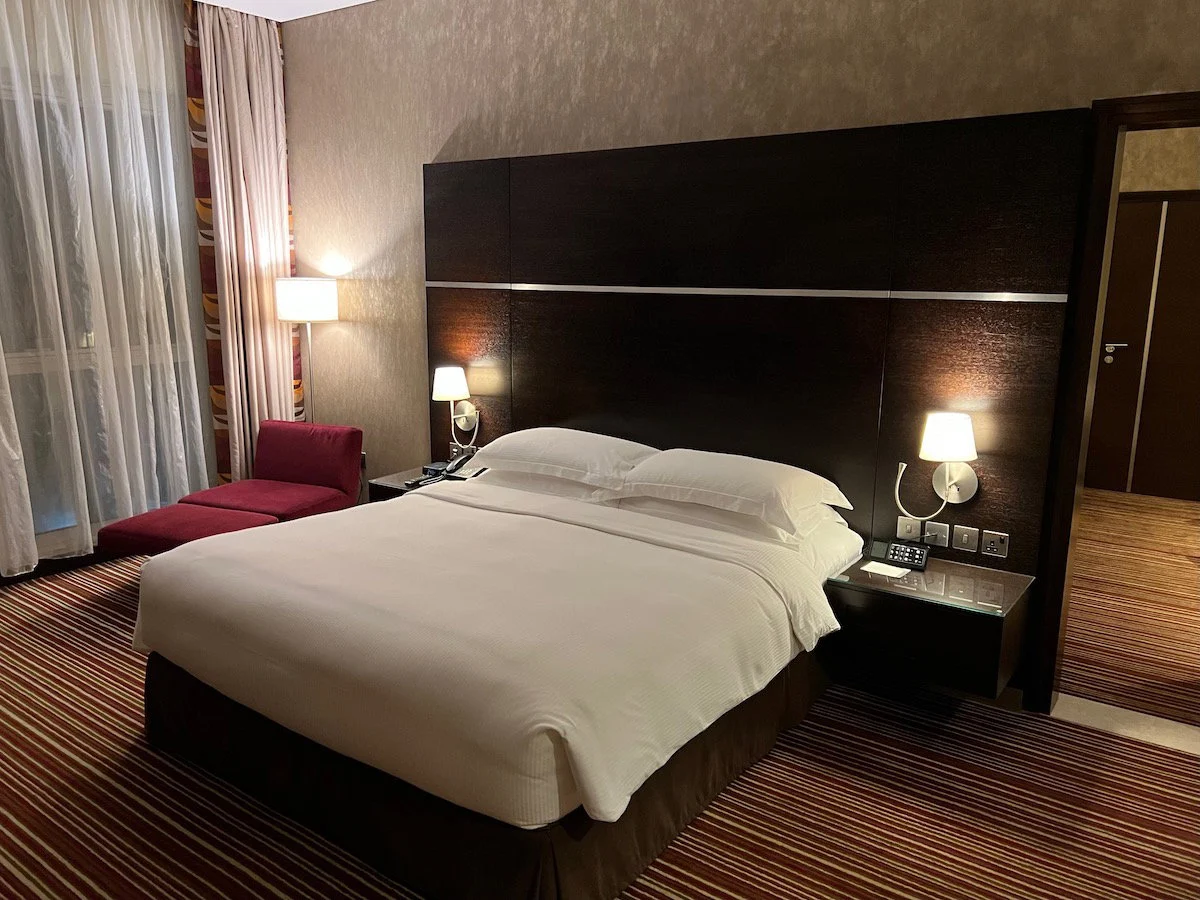
Turkish Airlines, the national flag carrier of Turkey, has solidified its position as a global aviation leader by leveraging its strategic geographical location at the crossroads of Europe, Asia, and Africa. Operating from its primary hub at Istanbul Airport (IST), the airline currently serves more countries than any other carrier in the world, a feat facilitated by a fleet of over 400 aircraft and a route network spanning more than 340 destinations. Given the complexity of this hub-and-spoke model, passengers frequently encounter extended layovers between connecting flights. To mitigate the inconvenience of long transit times and to promote Turkish tourism, the airline maintains a robust "Hotel Service" program, providing complimentary accommodations for eligible passengers. This initiative is part of a broader strategy to enhance the passenger experience and maintain competitiveness against other major Middle Eastern and European carriers.
The Strategic Framework of the Transit Hotel Program
The Turkish Airlines transit hotel program is designed to support passengers whose itineraries necessitate a long wait in Istanbul due to the airline’s scheduling. Unlike voluntary stopovers, where a passenger chooses to stay in the city for several days, the transit hotel service—often referred to in industry terms as STPC (Stopover Paid by Carrier)—is an operational provision for those with no shorter connection available.
The eligibility for this service is strictly governed by the duration of the layover and the class of service. Economy class passengers are eligible for a complimentary hotel stay if their transit time in Istanbul is 12 hours or more. For those traveling in Business Class, the threshold is reduced to nine hours. These durations are calculated based on the scheduled arrival time of the first flight and the scheduled departure time of the connecting flight.
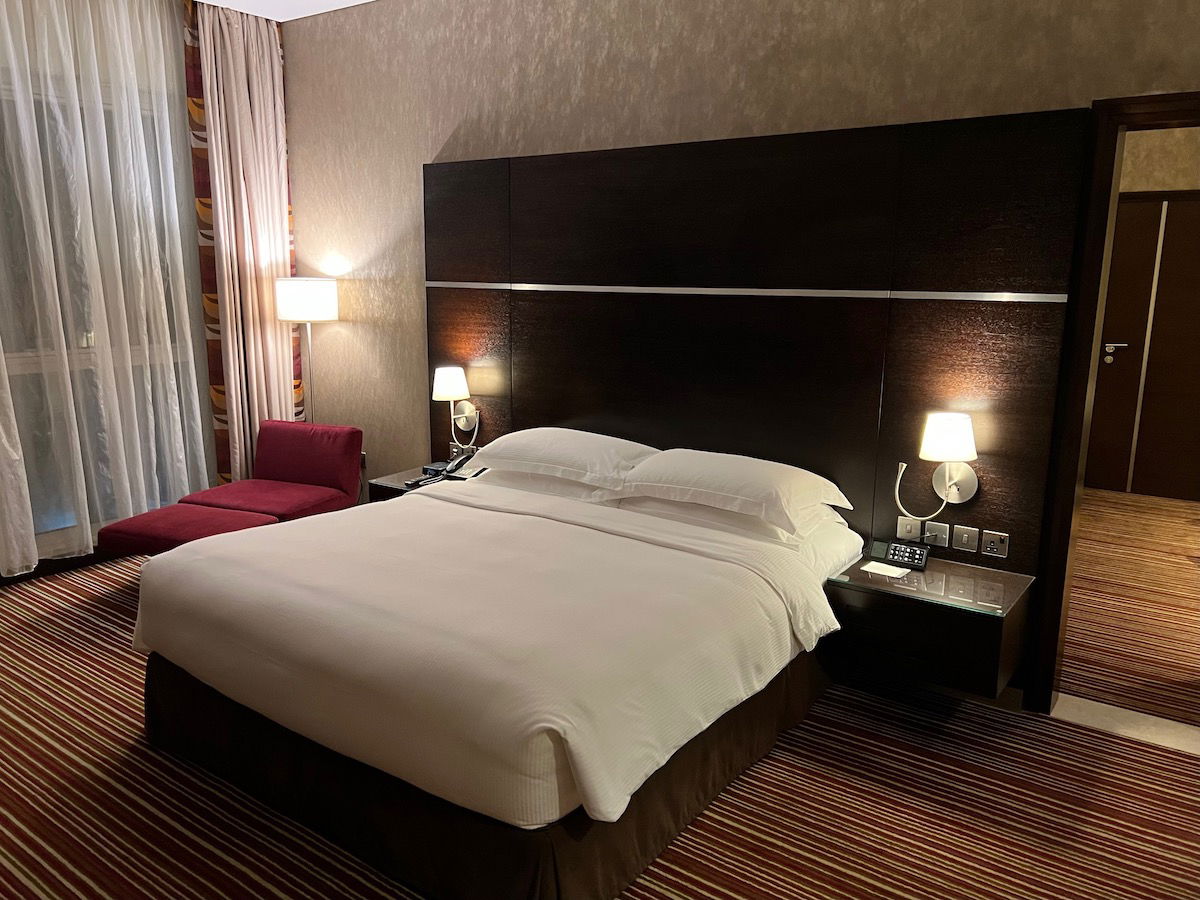
A critical caveat of this program is the "next available flight" rule. The airline only provides complimentary accommodation if there are no earlier connecting flights to the passenger’s destination. If a passenger intentionally selects a flight with a longer layover when a shorter connection was available, they forfeit their eligibility for the free hotel. This ensures that the program serves its intended purpose as a remedial service for logistical gaps rather than a general perk for all transiting travelers.
Operational Logistics and the Istanbul Airport Infrastructure
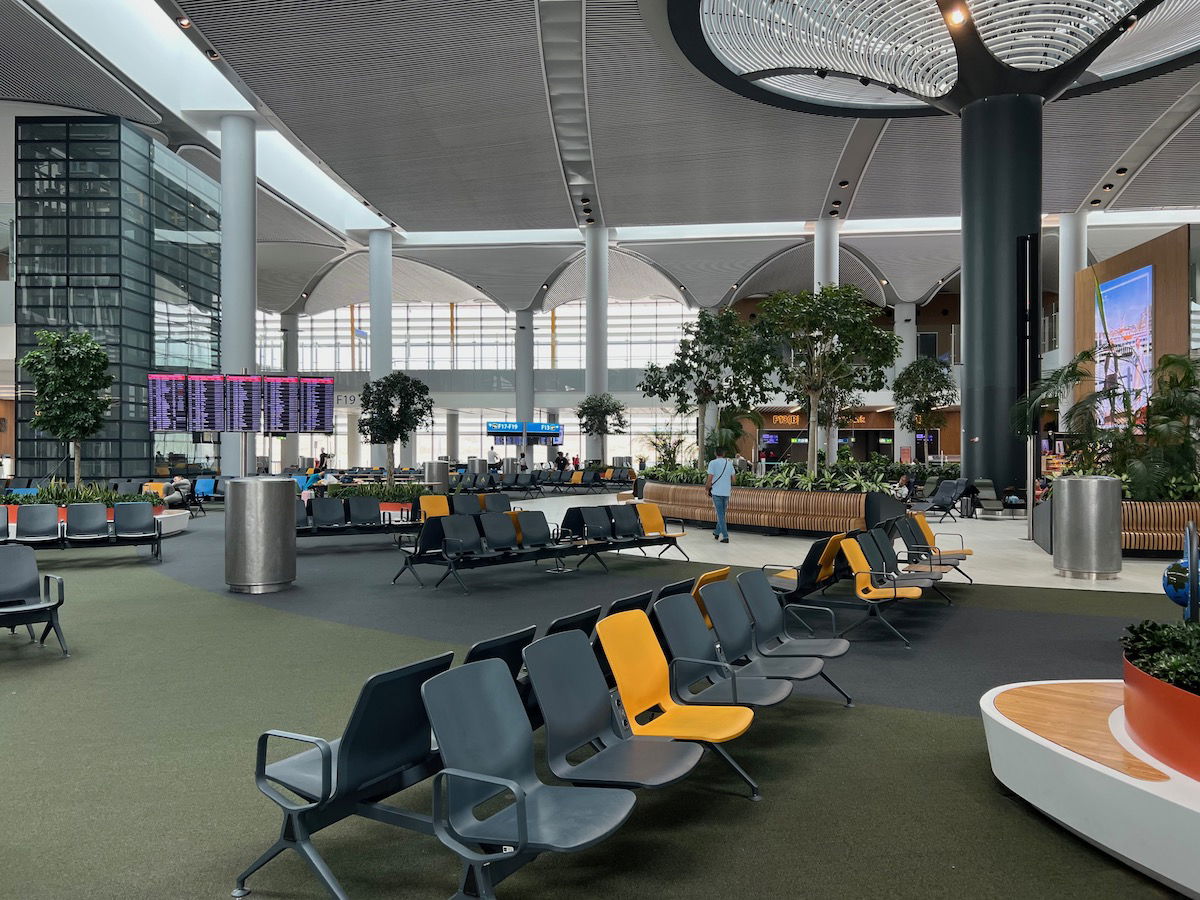
Following the transition from the aging Atatürk Airport to the massive, state-of-the-art Istanbul Airport in 2019, the logistics of the transit hotel program have evolved. Istanbul Airport is one of the largest in the world, designed to eventually handle up to 200 million passengers annually. However, its peripheral location—approximately 40 kilometers from the city center—presents unique challenges for transit passengers.
To access the complimentary hotel service, passengers do not need to book in advance. Upon landing at Istanbul Airport and clearing passport control, travelers must proceed to the "Hotel Desk" located in the arrivals hall, past the customs area. The airline’s staff verify the ticket’s eligibility and arrange for a hotel assignment. Because the hotels used for this program are located outside the airport perimeter (landside), passengers must be legally eligible to enter the Republic of Turkey.
The airline provides complimentary shuttle services to transport passengers to their assigned hotels. These accommodations are typically four-star or five-star properties. Given the distance of the new airport from the traditional hotel districts like Taksim or Sultanahmet, many of the contracted hotels are located in the Arnavutköy or Başakşehir districts, though some passengers may still be sent to hotels closer to the city center depending on availability and the length of the layover.
Regulatory Requirements: Visa and Entry Protocols
Because the transit hotel program requires passengers to exit the terminal, compliance with Turkish immigration laws is mandatory. The cost of a Turkish visa, if required, is the responsibility of the passenger and is not covered by Turkish Airlines.
Turkey has simplified its entry process for many nationalities through the e-Visa system, which allows travelers to obtain authorization online prior to their journey. Citizens of several countries, including many European nations and some South American states, enjoy visa-free entry for short stays. Conversely, others must pay a fee that varies based on nationality. If a passenger is unable to obtain a visa or is denied entry by Turkish authorities, the airline cannot provide the transit hotel service, and the passenger must remain in the airside transit area of the airport.
Comparative Analysis: Turkish Airlines vs. Global Competitors
The provision of free transit hotels is a competitive tool used by several major airlines that operate high-volume hubs. A comparison with other carriers highlights the strengths of the Turkish Airlines offering:
- Emirates (Dubai Connect): Emirates offers a similar service in Dubai for passengers with layovers between 8 and 26 hours. Like Turkish Airlines, it requires the passenger to be on the best available connection.
- Qatar Airways (Transit Accommodation): Based in Doha, Qatar Airways provides "STPC" for connections between 8 and 24 hours. They also offer a separate "Stopover" program where passengers can book luxury hotels for a nominal fee if they choose to stay in Qatar for 1-4 nights.
- Ethiopian Airlines: At Addis Ababa, Ethiopian Airlines provides transit hotels for connections over 8 hours, often including vouchers for meals, reflecting the hub’s role as a gateway to Africa.
Turkish Airlines distinguishes itself by having a relatively high threshold for Economy passengers (12 hours) compared to the 8-hour standard at Emirates or Qatar. However, Turkish Airlines often compensates for this with its "Stopover in Istanbul" program, which is distinct from the transit hotel service. The Stopover program allows passengers with a layover of at least 20 hours to receive free accommodation even if a shorter connection was available, specifically to encourage tourism. Under this separate scheme, Economy passengers receive one night in a 4-star hotel, and Business Class passengers receive two nights in a 5-star hotel.
In-Lounge Amenities: The Business Class Nap Rooms
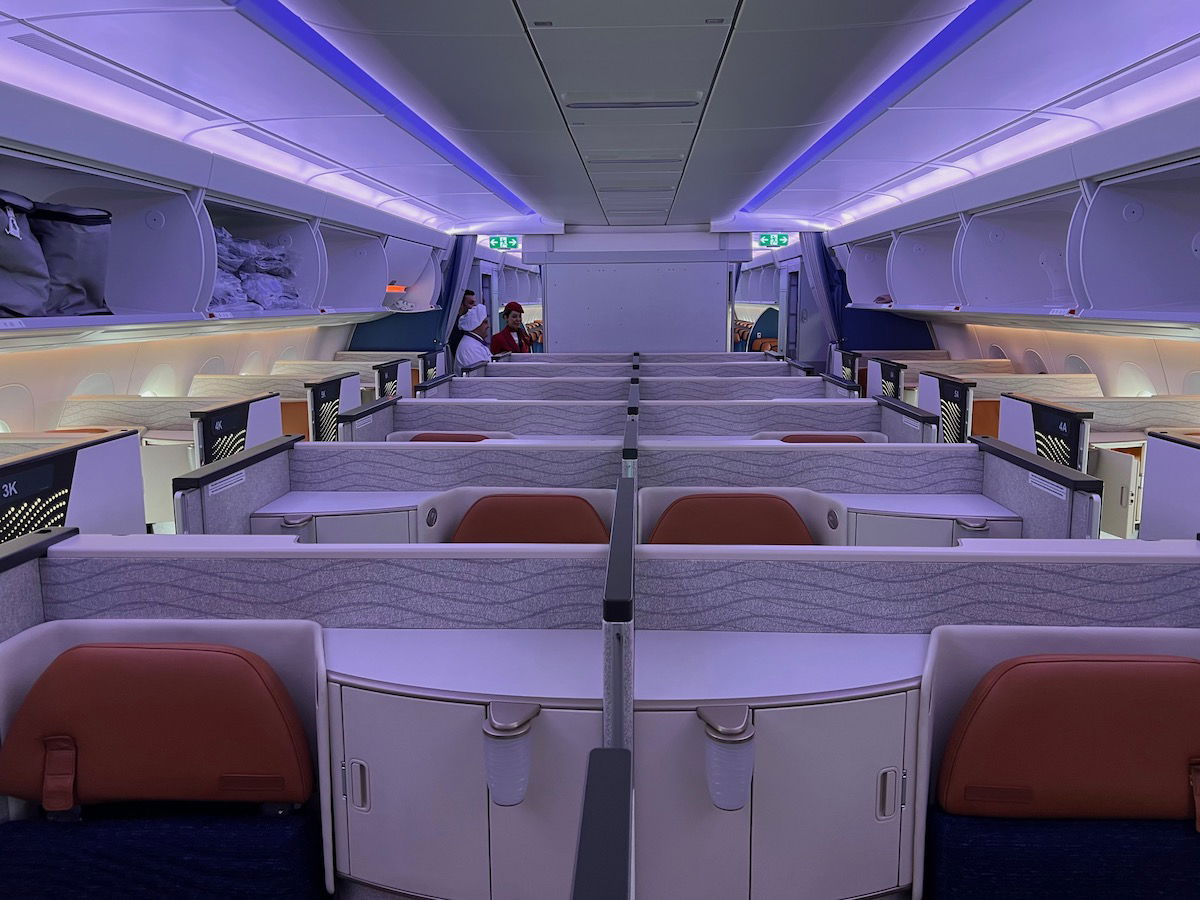
For Business Class passengers who do not meet the nine-hour requirement for a transit hotel, or for those who prefer to remain within the airport terminal, Turkish Airlines offers an alternative luxury: the nap rooms in the Turkish Airlines Business Lounge.
The Business Lounge at Istanbul Airport is frequently cited as one of the best in the aviation industry, covering over 5,600 square meters. The private nap rooms are available to passengers with a layover between four and nine hours. To qualify, at least one of the flight segments (either the arriving or departing flight) must exceed eight hours in duration.
These nap rooms provide a bed and a quiet environment, though they lack ensuite bathrooms; shower facilities are located separately within the lounge. This service bridges the gap for long-haul travelers who need rest but whose layover is too short to justify the time required for immigration, transit to a hotel, and the subsequent return to the airport.
Economic and Tourism Impact of Transit Programs
The free transit hotel and the "TourIstanbul" program—which provides free guided city tours for passengers with layovers between 6 and 24 hours—are significant drivers of the Turkish economy. According to data from the Turkish Ministry of Culture and Tourism, the "Stopover" and transit initiatives have successfully converted hundreds of thousands of transit passengers into short-term tourists annually.
These programs serve several strategic purposes:
- Brand Loyalty: By providing a high level of care during long transits, Turkish Airlines increases the likelihood of repeat bookings.
- Revenue Diversification: Even "free" programs generate revenue through airport taxes, visa fees, and discretionary spending by passengers on food, shopping, and local services.
- Soft Power: Showcasing Istanbul’s historical and modern infrastructure to a global audience enhances Turkey’s international image.
Conclusion and Future Outlook
The Turkish Airlines transit hotel program remains a cornerstone of the airline’s value proposition. As the aviation industry continues to recover from global disruptions and as Istanbul Airport moves toward its final phases of construction, these services are expected to expand. The airline has recently hinted at integrating more digital solutions, such as allowing passengers to book their transit hotel or city tour via the mobile app before landing, further streamlining the process.
For the international traveler, understanding the nuances of these offerings is essential for maximizing comfort. Whether through a 5-star hotel stay in the city or a private nap room in the lounge, Turkish Airlines has effectively turned the traditional "layover" from a period of exhaustion into an opportunity for rest and cultural engagement. As competition in the long-haul market intensifies, the ability to provide seamless, high-quality transit support will remain a defining factor in the success of global mega-hubs like Istanbul.




 Anjar Salim
 Chandra Hamzah
 Tatiana Tantri Indah Sari

