
 Tatiana Tantri Indah Sari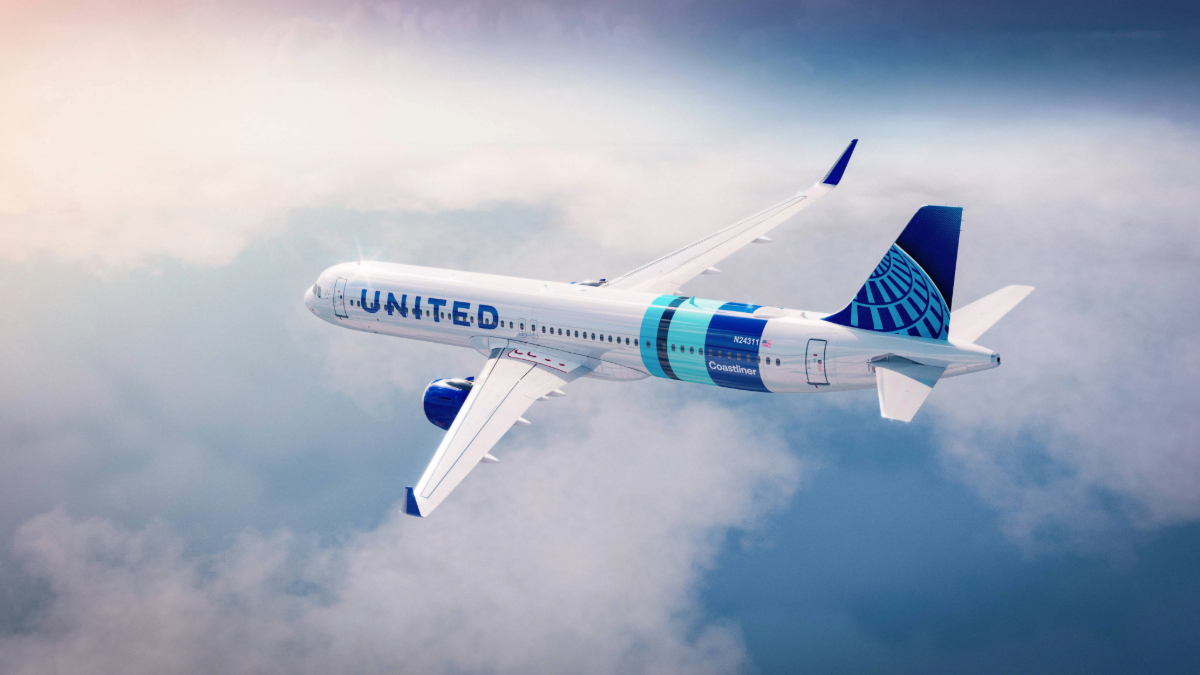
United Airlines CEO Scott Kirby recently asserted that the significant surge in airfares is not solely a consequence of escalating fuel prices but rather a symptom of broader, structural shifts in airline operating costs and a strategic recalibration of domestic capacity. Speaking to analysts during a recent investor briefing, Kirby emphasized that a pervasive increase in non-fuel expenses, coupled with a notable reduction in the ultra-low-cost segment of the market, are the primary drivers compelling airlines to adjust their pricing strategies upwards. This perspective challenges the conventional wisdom that often places fuel costs as the singular or dominant factor behind ticket price fluctuations, pointing instead to a more complex interplay of economic forces.
The Broader Economic Landscape and Post-Pandemic Recovery
The airline industry has navigated an exceptionally tumultuous period, marked first by the unprecedented collapse in demand during the COVID-19 pandemic and subsequently by a robust, albeit uneven, recovery. In early 2020, as global lockdowns took effect, air travel nearly ceased, pushing airlines worldwide to the brink of financial collapse. Governments intervened with substantial aid packages, such as the CARES Act in the United States, which provided billions in payroll support to prevent mass layoffs and ensure the industry’s readiness for eventual recovery. This period saw airlines grounded, fleets idled, and unprecedented losses reported across the sector.
However, as vaccination efforts progressed and travel restrictions eased in late 2021 and throughout 2022, pent-up demand for leisure travel exploded. Consumers, eager to reconnect with family, explore new destinations, and experience deferred vacations, flocked back to airports. This surge in demand, coupled with a constrained supply side due to various factors, created an environment ripe for price increases. Kirby’s argument places this post-pandemic recovery within a larger inflationary economic context. Global inflation, driven by supply chain disruptions, increased money supply, and geopolitical events, has permeated nearly every sector, from consumer goods to energy, and the airline industry is far from immune.
Dissecting the "Structural Cost Change"
Kirby’s assertion that "cost inflation is what is driving fares higher" goes beyond the easily quantifiable fluctuations of jet fuel. He highlighted several key areas where non-fuel operational costs have seen significant, and often structural, increases:
- Labor Costs: The airline industry, like many others, has faced intense labor pressures. Years of understaffing and early retirements during the pandemic created a deficit of pilots, flight attendants, mechanics, and ground staff. As demand returned, airlines found themselves competing for talent in a tight labor market, leading to substantial wage increases and improved benefits packages negotiated with unions. For instance, pilot contracts across major carriers have seen double-digit percentage increases in pay, and these new agreements are often multi-year, locking in higher costs for the foreseeable future. These aren’t temporary spikes but rather fundamental adjustments to the cost base.
- Maintenance and Parts: The global supply chain disruptions have had a pronounced effect on the availability and cost of aircraft parts and maintenance services. Delays in receiving components can ground aircraft, leading to lost revenue and increased maintenance expenses. Furthermore, the cost of specialized labor and materials for aircraft upkeep has also climbed, adding another layer to the operational expenditure.
- Airport Fees and Infrastructure: Airports globally have also faced their own rising costs for security, operations, and infrastructure development. These costs are often passed on to airlines in the form of increased landing fees, gate rentals, and other operational charges. As airports invest in modernization and expansion to handle growing passenger volumes, these fees are likely to continue their upward trend, becoming a permanent fixture in airline cost structures.
- Technology and Compliance: Investments in new technologies for passenger experience, operational efficiency, and cybersecurity are ongoing. Additionally, regulatory compliance requirements, particularly concerning environmental standards and safety, can also entail significant costs for airlines.
These non-fuel expenses, while individually smaller than fuel on a per-gallon basis, collectively represent a substantial and growing portion of an airline’s overall operating budget. Unlike fuel prices, which can be hedged or fluctuate with global oil markets, these "structural costs" are often long-term commitments, making them a more enduring factor in pricing decisions.
The Role of Capacity Readjustment: The "Spirit Effect"
Another critical component of Kirby’s argument is the "readjustment in domestic capacity," specifically citing the "disappearance of Spirit Airlines’ rock-bottom fares." This refers to the ongoing consolidation trend within the U.S. airline industry, particularly the attempts by larger carriers to acquire ultra-low-cost carriers (ULCCs) like Spirit Airlines.
For years, ULCCs such as Spirit and Frontier Airlines played a crucial role in driving down fares across the board. Their business model relies on offering incredibly low base fares, often unbundling services like baggage, seat selection, and even carry-on bags, allowing passengers to customize their travel experience. This competitive pressure forced legacy carriers to offer more competitive pricing on certain routes, especially those served by ULCCs.
The proposed merger between JetBlue and Spirit Airlines, though ultimately blocked by regulators, highlighted the industry’s move towards consolidation. While that specific deal did not materialize, the broader trend suggests that the era of aggressive price competition from a multitude of independent ULCCs might be diminishing. Even without direct mergers, the overall domestic capacity has not returned to pre-pandemic levels at the same pace as demand. Airlines have been more disciplined in their capacity deployment, focusing on profitability over market share, which means fewer seats are available relative to the number of eager travelers. This reduction in supply, particularly at the lower end of the market, naturally leads to higher average fares. The absence of the "Spirit effect" – where even the threat of ULCC competition kept prices in check – allows all airlines more pricing power.
Fuel’s Enduring Influence
While Kirby downplayed fuel’s sole responsibility, he acknowledged it remains an important factor. Indeed, jet fuel typically represents 25-35% of an airline’s operating costs, making it a significant variable. The past few years have seen remarkable volatility in global oil markets. Following a dip during the initial pandemic lockdowns, crude oil prices surged dramatically, exacerbated by geopolitical events like the Russia-Ukraine conflict in early 2022. This led to corresponding spikes in jet fuel prices, which airlines inevitably passed on to consumers. For instance, the average price of jet fuel per gallon more than doubled from late 2020 to mid-2022. Even if these prices have somewhat stabilized or slightly decreased since their peak, they remain elevated compared to historical averages.
United, like other airlines, has implemented "broad fare increases" that undoubtedly factor in these elevated fuel costs. Kirby’s point is not that fuel is irrelevant, but that it is one of several significant cost pressures, and that the non-fuel elements are exerting a more structural and long-term influence on pricing strategy. The ability of airlines to implement these broad fare increases, even for fuel, is itself a testament to the increased pricing power they now possess due to other factors like strong demand and reduced competition.
A Timeline of Rising Airfares
The trajectory of airfares provides a clear illustration of these dynamics:
- Early 2020: Fares plummeted as travel demand evaporated during the initial COVID-19 lockdowns. Airlines offered unprecedented deals to entice any remaining travelers.
- Late 2020 – Mid-2021: Fares remained relatively low as the industry slowly began to recover, with significant government support preventing widespread bankruptcies but capacity still heavily constrained.
- Late 2021 – Early 2022: As vaccination rates increased and travel restrictions eased, a surge in demand began. Simultaneously, fuel prices started their upward climb, and labor shortages became more apparent. Fares began a steady ascent.
- Mid-2022: Fuel prices peaked following the Russia-Ukraine conflict, and pent-up demand reached its zenith. Airfares, across the board, saw their most significant increases. Data from the U.S. Bureau of Labor Statistics showed that airline fares within the Consumer Price Index (CPI) climbed by over 20% year-over-year at various points during this period, far outstripping general inflation rates in some months.
- Late 2022 – Present: While the rate of increase might have moderated slightly, fares have largely remained elevated. The structural cost changes, particularly in labor and reduced capacity discipline, continue to underpin these higher price points, making the new baseline for air travel significantly higher than pre-pandemic levels.
Industry Reactions and Expert Perspectives
Kirby’s statements are largely echoed, implicitly or explicitly, by other airline executives and industry analysts. Leaders from Delta Air Lines and American Airlines have also spoken about the sustained strength of travel demand and the necessity of passing on increased operational costs to consumers. They frequently highlight the return to profitability after years of losses, suggesting that current pricing is a function of a healthier, albeit more expensive, operating environment.
Aviation analysts largely agree that the industry has entered a new phase characterized by more disciplined capacity management and a greater focus on profitability. Helane Becker, an airline analyst at Cowen, for example, has noted that airlines are no longer chasing market share at any cost but are prioritizing sustainable margins. This shift allows them to better absorb higher costs and still deliver shareholder value. Consumer advocacy groups, however, express growing concern over the increasing unaffordability of air travel, particularly for budget-conscious travelers, and the potential for reduced competition to further exacerbate these trends. They often call for greater regulatory oversight to protect consumers from potentially anti-competitive practices.
Consumer Impact and Market Dynamics
The implications of these structural changes are profound for consumers. The 20% increase in airfares across the board translates directly into higher travel budgets for individuals and families. This could lead to several behavioral shifts:
- Reduced Frequency of Travel: Some consumers may opt to travel less often.
- Shorter Trips: Travelers might choose shorter-duration trips or destinations closer to home to save on overall costs.
- Shift to Alternative Transportation: For shorter domestic routes, some might revert to driving or taking trains if the cost differential becomes too significant.
- Increased Scrutiny of Bundles: Travelers may become even more selective about purchasing ancillary services, trying to minimize costs where possible.
- Impact on Business Travel: While leisure travel has rebounded strongly, business travel remains somewhat below pre-pandemic levels, partly due to the rise of remote work and virtual meetings. Higher fares could further deter companies from sending employees on non-essential trips.
From a market dynamics perspective, the increased pricing power gives airlines greater control over their revenue streams. It suggests a more mature industry that has learned from past cycles of aggressive price wars that often led to razor-thin margins or losses. The focus on profitability over market share indicates a potentially more stable financial future for carriers, but one that comes at a cost to consumers.
Regulatory Scrutiny and Future Outlook
The rising fares and consolidation trends have not gone unnoticed by regulators. The U.S. Department of Justice, for instance, successfully challenged the proposed JetBlue-Spirit merger on antitrust grounds, arguing that it would lead to higher fares and reduced choices for consumers. This indicates a heightened awareness of the potential for reduced competition to harm the public. Future merger attempts or even current pricing practices could face increased scrutiny.
Looking ahead, the airline industry faces a complex environment. While demand remains robust, the persistent inflationary pressures, coupled with the long-term nature of labor contracts and infrastructure costs, suggest that the "new normal" for airfares will likely remain elevated. Airlines will continue to balance the need to recover costs and generate profits with the imperative to attract and retain passengers. Furthermore, the industry faces the significant challenge of decarbonization, requiring massive investments in sustainable aviation fuels (SAFs) and new aircraft technologies. These environmental mandates will likely introduce another layer of cost pressure that will eventually find its way into ticket prices, making the future of affordable air travel a subject of ongoing debate and innovation. The era of persistently low fares, heavily influenced by intense ULCC competition and lower structural costs, appears to be firmly in the rearview mirror.




 Anjar Salim
 Chandra Hamzah
 Budi Mulyono

