
 Tatiana Tantri Indah Sari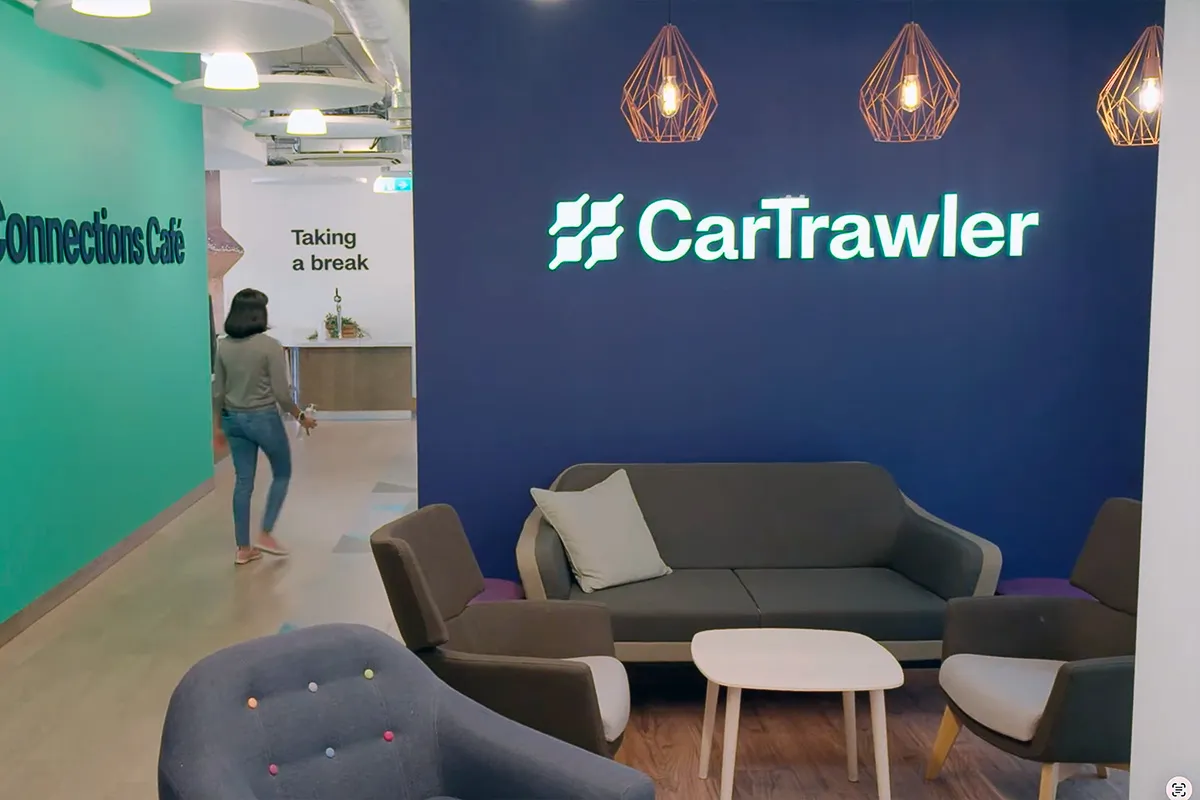
Airbnb has officially entered the online car rental market, partnering with the Ireland-based B2B ground transport provider CarTrawler to offer vehicle rentals in key global markets. This strategic move, initially uncovered by Skift through the terms and conditions of a credit program and subsequently confirmed by Airbnb, marks a significant escalation in the home-sharing giant’s ambition to evolve into a comprehensive online travel agency (OTA). The new service is currently live in the United States, France, Italy, Spain, and Australia, providing users with a more integrated travel planning experience directly through the Airbnb platform. This development unfolds against a backdrop of intense industry consolidation and reports that CarTrawler itself is on the verge of being acquired by Airbnb’s major competitor, Expedia, creating a complex and potentially contentious competitive landscape.
Airbnb’s Expanding Horizon: From Homes to Full-Service Travel
For years, Airbnb has been synonymous with alternative accommodation, disrupting the traditional hotel industry with its peer-to-peer lodging model. However, the company’s strategic trajectory has increasingly pointed towards becoming a full-fledged travel platform, offering a broader suite of services beyond just stays. This pivot began in earnest with the launch of "Trips" in 2016, which introduced "Experiences" and later "Restaurants," aiming to provide an end-to-end travel itinerary for its users. The integration of car rentals represents the latest, and perhaps most significant, step in this evolution, directly challenging established OTAs like Expedia, Booking.com, and Google Travel.
The rationale behind Airbnb’s diversification is multi-faceted. The global online travel market is projected to reach an astounding value, with forecasts often exceeding a trillion dollars annually in the coming years. Capturing a larger share of a traveler’s total spend – from accommodation to transport and activities – is crucial for sustained growth and increased customer lifetime value. By offering car rentals, Airbnb aims to streamline the travel planning process, encouraging users to remain within its ecosystem for all their booking needs. This strategy not only enhances user convenience but also allows Airbnb to collect more data on travel patterns, optimize recommendations, and potentially increase commission revenues.
Industry analysts have long speculated about Airbnb’s potential move into flights, the last major component missing from a comprehensive OTA offering. While car rentals are a less complex integration than flights, requiring a robust B2B partnership rather than direct airline integrations, they signal a clear intent. “Airbnb’s entry into car rentals is not just about adding a new service; it’s about fortifying its position as a travel ecosystem,” stated Sarah Jenkins, a travel industry consultant. “They are moving aggressively to own more of the travel funnel, which is a defensive play against rivals and an offensive move to unlock new revenue streams.”
CarTrawler: A Pivotal Player in Ground Transport
At the heart of Airbnb’s new offering is CarTrawler, a Dublin-based company recognized as a leading B2B technology provider for car rental and ground transport solutions. CarTrawler operates a sophisticated platform that connects travel companies with a vast network of over 1,600 car rental and ground transport suppliers across more than 174 countries. Its white-label technology allows partners to seamlessly integrate car rental booking engines into their own websites and apps, offering a wide array of vehicles and competitive pricing without the need for direct supplier relationships.
CarTrawler’s established infrastructure, extensive supplier network, and proven technological capabilities make it an attractive partner for any company looking to quickly scale a car rental offering. Its B2B model has historically allowed it to serve a diverse range of clients, from airlines and hotel chains to smaller travel agencies, maintaining a relatively neutral position in the broader OTA landscape. This neutrality, however, is now under intense scrutiny given the swirling acquisition rumors involving Expedia.
The Expedia Conundrum: A Timeline of Conflict and Competition
The timing of Airbnb’s partnership with CarTrawler introduces a significant layer of complexity and potential conflict, largely due to a report from Skift in May that indicated Expedia was in advanced stages to acquire CarTrawler for approximately $350 million. If this acquisition proceeds, it would mean that Airbnb’s new car rental service would effectively be powered by a subsidiary of one of its fiercest competitors.
- May 2023: Skift reports that Expedia Group is poised to acquire CarTrawler for around $350 million. The report cites anonymous sources close to the deal, suggesting an imminent completion. This potential acquisition was seen as a strategic move for Expedia to further solidify its position in the ground transport sector, complementing its existing travel offerings under brands like Expedia.com, Hotels.com, and Rentalcars.com (which is part of Booking Holdings, not Expedia, but highlights the competitive nature). Correction: Rentalcars.com is part of Booking Holdings, not Expedia. Expedia’s primary car rental integration is through its own platform and partners. Expedia’s acquisition of CarTrawler would bolster its internal car rental capabilities significantly.
- Summer 2023: Silence from both Expedia and CarTrawler regarding the acquisition reports. Industry observers speculate on the progress of the deal, potential regulatory hurdles, or negotiation complexities.
- Late 2023/Early 2024: Airbnb’s partnership with CarTrawler for car rentals goes live, confirmed by Skift and Airbnb. This public launch comes months after the Expedia acquisition rumors surfaced, raising questions about the status of those talks and CarTrawler’s strategy.
This chronology sets up a fascinating competitive dynamic. If the Expedia acquisition of CarTrawler is still on track, or has even been quietly finalized, Airbnb would find itself in the unusual position of relying on a technology provider owned by a direct rival. This scenario could lead to several implications:
- Data Sharing Concerns: While CarTrawler operates a B2B model, an acquisition by Expedia could raise concerns for Airbnb regarding data privacy and competitive intelligence. Although contracts typically safeguard such issues, the optics of supporting a rival’s ecosystem are not ideal.
- Strategic Vulnerability: Airbnb’s car rental offering could become strategically vulnerable if Expedia decides to limit CarTrawler’s services to competitors post-acquisition, or if it prioritizes its own brands.
- CarTrawler’s Position: CarTrawler, as a B2B company, historically prides itself on serving a wide range of partners. Partnering with Airbnb after the Expedia acquisition rumors could indicate that the deal is either not finalized, has fallen through, or that CarTrawler is fulfilling pre-existing contractual obligations. Alternatively, it could be a strategic move by CarTrawler to increase its value or maintain its neutrality as long as possible.
Inferred Statements and Industry Reactions
While direct statements from all parties regarding the intricate situation are scarce, we can infer likely positions:
- Airbnb’s Perspective: A spokesperson for Airbnb, when asked about the car rental launch, would likely emphasize the company’s unwavering focus on enhancing the traveler experience. They would highlight the convenience of a unified platform, stating something to the effect of: "Our goal is to create an end-to-end travel journey that is seamless and enjoyable for our guests. Partnering with CarTrawler allows us to deliver a comprehensive car rental solution, meeting a critical need expressed by our community and further solidifying our position as a holistic travel platform." They would likely avoid any direct mention of Expedia or the acquisition rumors, maintaining a focus on customer benefits.
- CarTrawler’s Stance: Facing questions about the dual dynamics, CarTrawler’s leadership would likely underscore its commitment to its B2B model and its diverse client base. A hypothetical statement might read: "CarTrawler remains dedicated to providing best-in-class ground transport technology to all our partners, enabling them to offer superior car rental options to their customers. Our partnership with Airbnb is a testament to the strength and flexibility of our platform, and our mission to connect travelers with the best transport solutions worldwide." They would likely remain tight-lipped on any ongoing acquisition discussions, citing confidentiality.
- Expedia Group’s Reaction: Expedia, if the acquisition of CarTrawler is indeed pending or finalized, would likely monitor the situation closely. Their public response might be measured, acknowledging the competitive nature of the travel industry without directly addressing the CarTrawler-Airbnb partnership. An inferred statement could be: "The online travel market is highly dynamic and competitive. Expedia Group remains focused on delivering exceptional value and choice across all segments of travel to our customers through our strong portfolio of brands and strategic investments." If the acquisition is completed, they might later comment on how CarTrawler’s capabilities will integrate into their ecosystem, potentially implying a future where such third-party partnerships are re-evaluated.
- Industry Analysts: Industry experts are keenly observing these developments. "This move by Airbnb signals a full-throttle charge into the OTA space, directly challenging the incumbents," noted Alex Thorne, a senior analyst at a travel intelligence firm. "The CarTrawler situation adds a layer of intrigue. If Expedia acquires CarTrawler, it creates a fascinating scenario where a competitor is effectively supplying infrastructure to a rival. This could either be a temporary arrangement or force CarTrawler to maintain a degree of operational independence even under new ownership, which is rare in such competitive environments." Thorne also highlighted the broader trend: "The battle for the ‘super app’ of travel is intensifying. Every major player wants to be the single point of contact for a traveler’s entire journey, and ground transport is a crucial piece of that puzzle."
Broader Impact and Future Outlook
Airbnb’s foray into car rentals, particularly with a partner potentially entangled with Expedia, carries significant implications for the online travel industry:
- Increased Competition: The car rental booking segment, already competitive with players like Rentalcars.com, Kayak, and direct rental company websites, will see intensified rivalry. Airbnb’s massive user base and brand loyalty could quickly capture market share.
- Consolidation Pressure: This move could accelerate the trend of consolidation in the travel tech space, as companies seek to acquire capabilities rather than build them from scratch. Smaller B2B providers might become even more attractive targets.
- The "Super App" Race: Airbnb’s actions underscore the strategic importance of becoming a one-stop shop for travel. This "platformification" aims to increase customer stickiness, reduce churn, and maximize revenue per user. The next logical step for Airbnb, if it truly aims for a full OTA model, would be flights.
- Operational Challenges: Integrating new services requires robust customer support, seamless technology integration, and managing supplier relationships. Airbnb will need to ensure its car rental offering meets the high standards its users expect, particularly if it’s relying on a potentially rival-owned provider.
- Strategic Flexibility: The CarTrawler situation highlights the complexities of B2B partnerships in a consolidating industry. Companies like CarTrawler must balance serving their diverse client base with the strategic interests of potential or actual parent companies. This could lead to a re-evaluation of how such B2B providers operate or how their services are structured post-acquisition.
In conclusion, Airbnb’s partnership with CarTrawler for car rentals is a pivotal moment in its evolution, clearly signaling its intent to become a comprehensive online travel agency. While the move offers significant benefits in terms of customer convenience and revenue diversification, it is inextricably linked to the unresolved question of CarTrawler’s potential acquisition by Expedia. This intertwining of partnerships and rivalries sets the stage for a compelling and highly competitive chapter in the global online travel market, where the lines between collaborators and competitors are increasingly blurred.



 Chandra Hamzah
 Budi Mulyono
 Anjar Salim
