
 Chandra Hamzah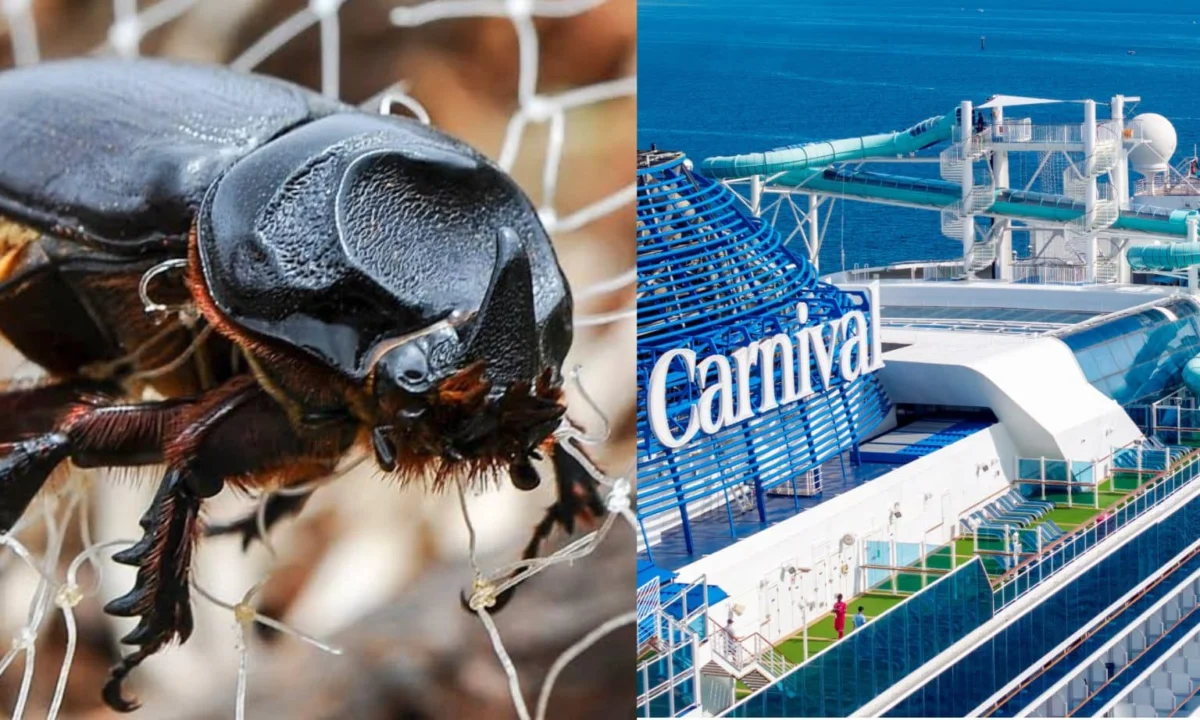
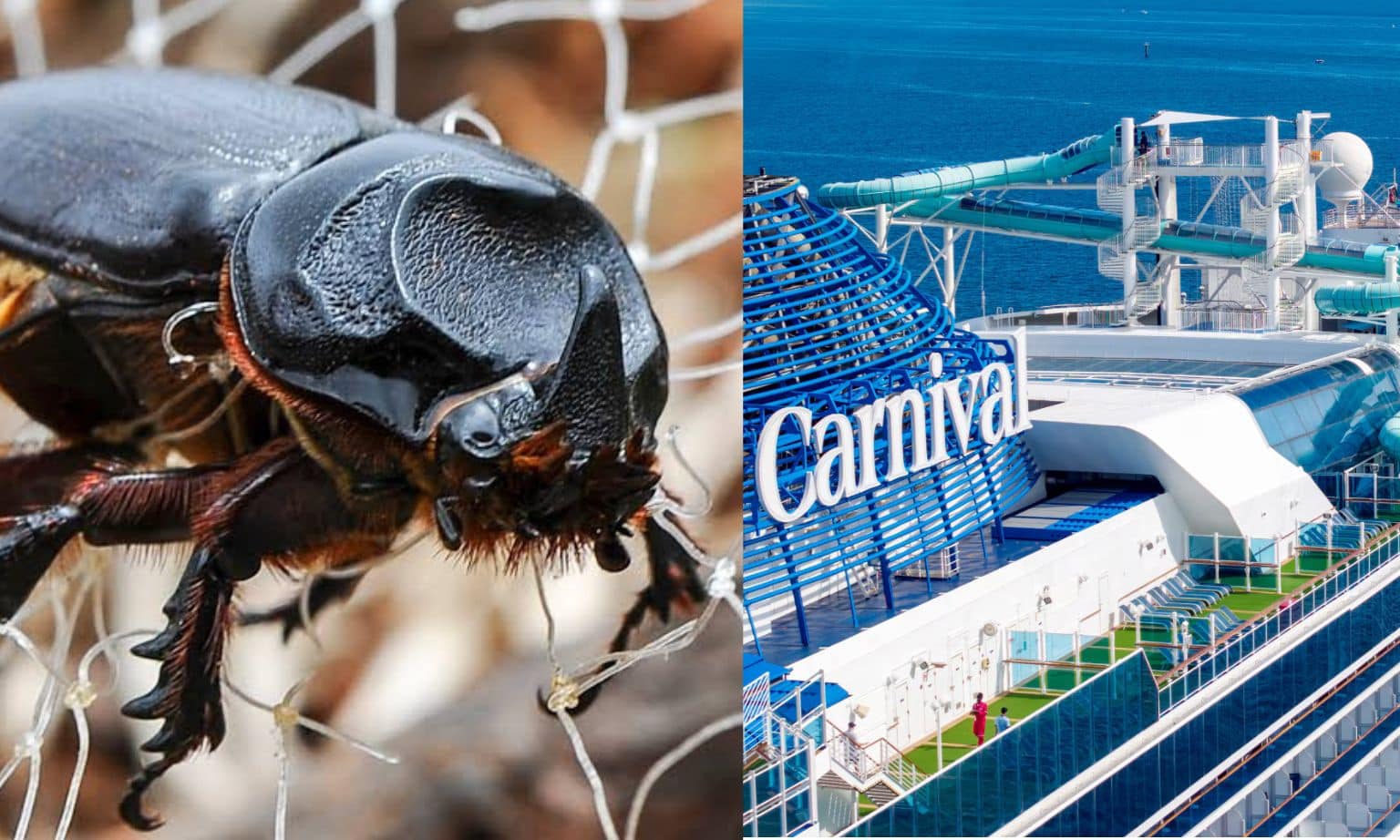
Australian cruise passengers aboard the Carnival Adventure experienced an unusual itinerary change when their planned visit to Mystery Island, a popular destination in Vanuatu, was cancelled. The disruption stemmed not from typical weather-related issues, which frequently impact South Pacific itineraries, but from stringent biosecurity regulations aimed at preventing the spread of an invasive insect pest: the Coconut Rhinoceros Beetle (CRB). This incident highlights the growing challenges faced by the cruise industry in balancing passenger expectations with critical environmental protection measures in sensitive island nations.
The Carnival Adventure, estimated to be carrying over 3,000 passengers, was en route to Mystery Island following a stop in Port Vila, Vanuatu’s capital. However, a delay in departing Port Vila meant the vessel was unable to reach Mystery Island within the stipulated timeframes set by Vanuatu’s biosecurity authorities. Passengers were informed of the cancellation via a letter, which explained the rationale behind the decision.
"Vanuatu’s biosecurity regulation states that vessels are unable to travel to another island within Vanuatu after dark because of the potential risk of transporting a beetle that can damage coconut trees," the letter stated, as quoted in reports. "We appreciate your understanding of the importance of these measures in protecting the local environment and economy."
The Threat of the Coconut Rhinoceros Beetle
The Coconut Rhinoceros Beetle, scientifically known as Oryctes rhinoceros, is an invasive species that poses a significant threat to coconut palms and other palm species, which are vital to the economy and ecosystem of many Pacific island nations. First identified in the South Pacific in 2019, the beetle has since spread to numerous islands in the region, causing considerable damage to agricultural sectors, particularly those reliant on coconut and palm oil production.
These formidable beetles burrow into the crown of palm trees, feeding on the sap and debilitating the trees. This feeding behaviour can lead to severe damage, often resulting in the tree’s inability to produce coconuts or other valuable products. The economic impact can be substantial, affecting livelihoods and local economies that depend on these agricultural resources.
How Cruise Ships Become Vectors
A primary concern for biosecurity officials is that the bright lights emitted by cruise ships at night can attract these nocturnal beetles. Once attracted, the beetles may alight on the vessel, inadvertently becoming transported to new islands when the ship departs. This mechanism of dispersal is precisely what Vanuatu’s biosecurity regulations aim to prevent.
To mitigate this risk, Vanuatu has implemented strict departure time protocols for all vessels, including cruise ships. These regulations stipulate that vessels must depart Vanuatu’s ports no later than 4:00 PM, especially during the night-serving period, which is typically from April to September. This timeframe is crucial for preventing the transfer of the beetles to other pristine islands within the archipelago.
Official Statements and Biosecurity Directives
The Biosecurity Vanuatu Department issued a directive on April 14, 2026, specifically addressing the adjusted departure times. The statement, aimed at all vessels, underscored the urgency of the situation: "To help stop the spread of Coconut Rhinoceros Beetle (CRB) from Port Vila and Luganville to other islands, vessel departure times have been adjusted during the night serving period in Vanuatu from April to September."
The department emphasized the collective responsibility in safeguarding the nation’s natural resources. "Your cooperation is essential to protect Vanuatu from the spread of pests and diseases, including the Coconut Rhinoceros Beetle," the statement continued. "Protecting Vanuatu is everyone’s responsibility – let’s work together to keep our islands safe!"
This proactive stance by Vanuatu highlights the growing awareness and commitment of Pacific island nations to protect their unique biodiversity and vital agricultural industries from the devastating impacts of invasive species.
Passenger Compensation and Future Implications
In the case of the Carnival Adventure, the delay in Port Vila meant that the ship would have been unable to complete its visit to Mystery Island within the permitted departure window. Consequently, passengers who had anticipated a day of exploration and relaxation on the island found themselves enjoying an unscheduled day at sea. To acknowledge the inconvenience and disappointment, Carnival Cruise Line reportedly compensated passengers with $100 Onboard Credit (OBC) per stateroom.
The incident raises pertinent questions about the future of cruise tourism in the South Pacific. While port cancellations due to adverse weather are a common occurrence, the imposition of strict, time-sensitive biosecurity regulations adds another layer of complexity. Cruise lines and their operations teams will need to exert even greater diligence in adhering to schedules and mitigating potential operational delays.
The potential for further itinerary disruptions due to biosecurity measures is a significant consideration. As invasive species continue to pose a threat across the globe, more stringent regulations may be implemented by vulnerable nations. This necessitates a collaborative approach between the cruise industry, local authorities, and passengers to ensure that tourism activities do not inadvertently contribute to the spread of harmful pests and diseases.
Balancing Tourism and Environmental Stewardship
The cancellation of the Mystery Island visit, while disappointing for passengers, underscores a critical point: the imperative of environmental stewardship. The economic and ecological importance of healthy coconut and palm tree populations for Vanuatu cannot be overstated. Allowing the unchecked spread of the Coconut Rhinoceros Beetle could have long-lasting and detrimental consequences for the island nation.
Cruise lines play a vital role in the economies of many island destinations. However, this role comes with a responsibility to operate in a manner that respects and protects the local environment and communities. Passengers, too, have a part to play by adhering to guidelines and understanding the rationale behind conservation efforts, even when they lead to unforeseen itinerary changes.
The incident involving the Carnival Adventure serves as a valuable case study, illustrating the evolving landscape of international travel and the increasing importance of biosecurity protocols. As the cruise industry continues to navigate these challenges, finding a sustainable balance between delivering memorable passenger experiences and upholding rigorous environmental protection measures will be paramount for the long-term viability of tourism in sensitive regions like the South Pacific. The commitment to protecting these pristine environments, even at the cost of a single port call, is a testament to the shared responsibility of preserving these natural treasures for future generations.



 Anjar Salim
 Tatiana Tantri Indah Sari
 Budi Mulyono
 Lukman Taruna Persada Ramadan
