
 Walid Sujud Trenggono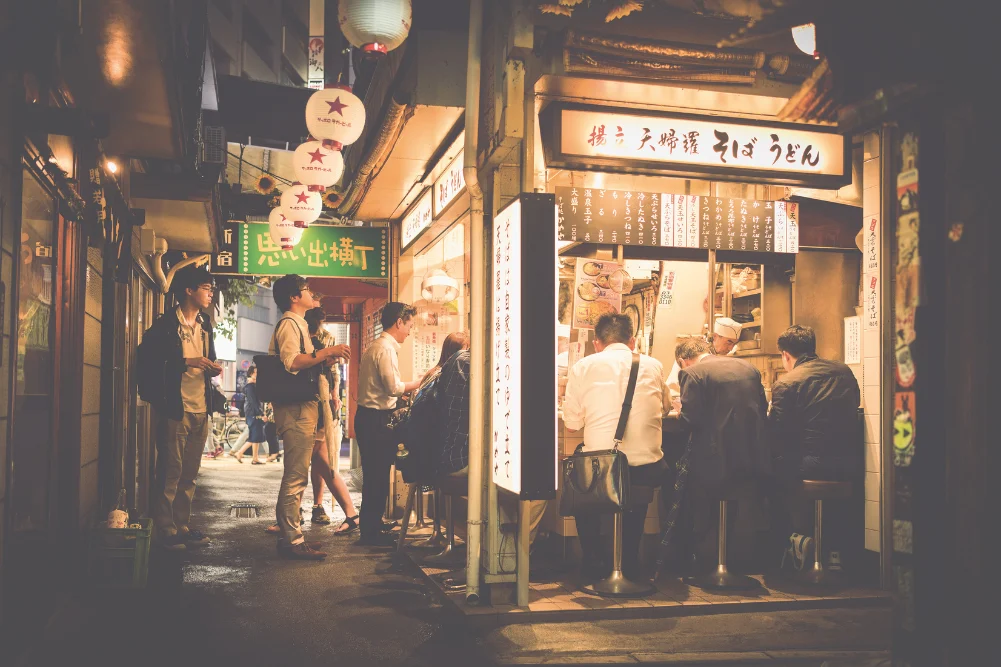
The trajectory of the expatriate experience is often defined by a series of cultural immersions, logistical challenges, and psychological adaptations. For many who spent their formative years in the "bubble economy" era of 1980s Japan, the return to the archipelago as an adult represents more than a simple visit; it is a rigorous testing of personal limits and professional competence. A recent retrospective analysis of a long-term expatriate’s journey through Japan highlights the intersection of cultural navigation, the evolution of solo female travel, and the critical importance of mountain safety during expeditions on Mount Fuji. By examining the transition from a "Third Culture Kid" to a solo professional intern, and finally to a survivor of a navigational error in the dense forests of the Fuji-Hakone-Izu National Park, we gain insight into the broader implications of cross-cultural resilience and the unpredictable nature of Japan’s high-altitude environments.
The Historical Context of the Expatriate Boom (1982–1990)
The narrative of international relocation in the early 1980s was heavily influenced by the rapid globalization of the corporate sector. In 1982, Japan was solidifying its position as a global economic powerhouse, leading to a surge in foreign direct investment and a corresponding increase in the Western expatriate population. For the families of multinational executives, this move often meant a total immersion in a society that was both technologically advanced and deeply rooted in millennia of tradition.
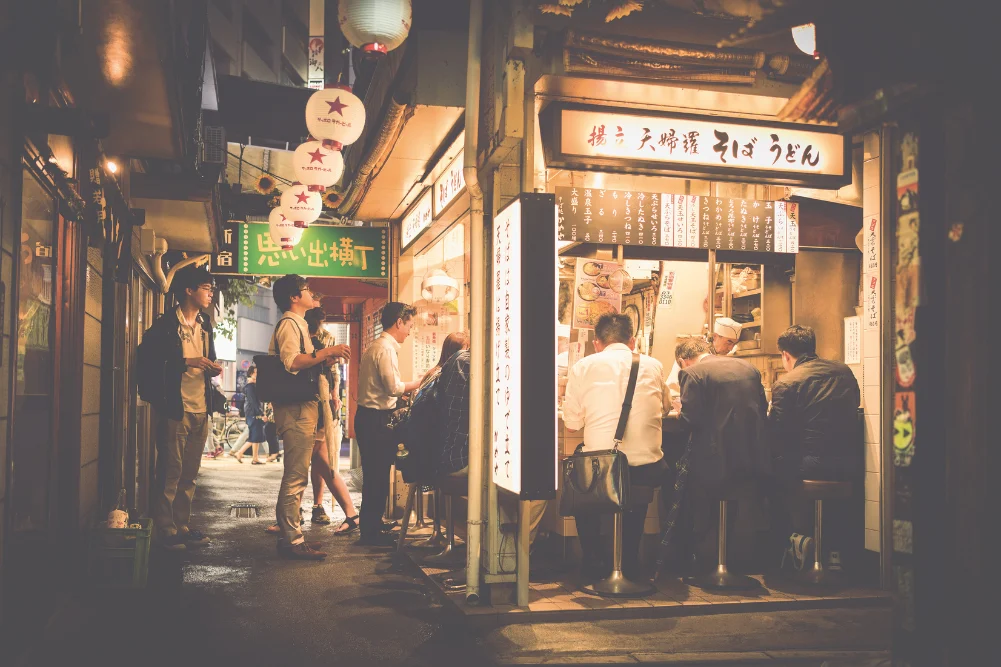
During this period, the experience of "expat kids" was characterized by a unique duality: the luxury of international air travel—an era when smoking was still permitted in pressurized cabins and "soft, glutinous" dinner rolls were a staple of long-haul service—contrasted with the profound "discomfort" of navigating a language and social structure that was entirely foreign. This era planted the seeds for a "life of adventure" for many young foreigners, as they learned to navigate Tokyo’s "concrete jungle" and its rhythmic, circulatory system of public transport and pedestrian throngs.
The Evolution of Solo Female Travel in the 1990s
By the mid-1990s, the landscape of international travel had shifted significantly. A historical review of travel documentation reveals that as late as the mid-19th century, 95 percent of passports were issued to men, with women typically traveling under their husband’s protection. By the late 20th century, however, solo female travel had become a symbol of independence and a rite of passage for young women entering the workforce.
In the 1990s, the subject of this case study returned to Japan for a senior project, marking a transition from a protected family member to an autonomous traveler. This shift was underscored by the bureaucratic "declaration of independence" found in the signing of one’s own customs forms and the navigation of Tokyo’s narrow, mirror-lined streets without a familial safety net. The psychological weight of this independence is often manifested in the physical exertion of managing one’s own logistics—symbolized by the "heaving" of heavy luggage up narrow apartment stairs—and the adoption of a "can because I have to" mentality.
Professional Integration and the "Gaijin" Dynamic
The late 1990s saw a further evolution in the expat experience as young professionals sought internships in Tokyo’s multinational firms. This period required a deeper understanding of Japanese business etiquette, or reigi, which includes the nuances of the meishi (business card) exchange, the depth of bows, and the maintenance of "saving face."
The term gaijin, literally translating to "outside person," remains a point of sociological interest. While some foreigners perceive the label as exclusionary, many long-term residents view it as a factual reflection of a homogenous society’s boundaries. Success in this environment, as demonstrated by the subject’s internship, requires a softening of Western assertiveness and a heightening of observational skills. Learning to speak Japanese involves more than vocabulary; it involves a change in tone and gesture to ensure that the speaker is "more understood" within the local cultural context.
Chronology of the Mount Fuji Ascent and Navigational Crisis
The most critical phase of this expatriate retrospective involves a solo-planned ascent of Mount Fuji (Fuji-san). Despite the mountain’s iconic status and its perception as a "postcard" destination, it remains a formidable geological feature that demands rigorous preparation.
Phase 1: The Decision and Initial Ascent
Motivated by a perceived peak in physical fitness (mastering 8km on a treadmill), the subject and a companion attempted a one-day climb from the base camp. Their preparation was notably insufficient, consisting of makeshift layers and standard running shoes rather than technical mountaineering gear.
Phase 2: Weather Deterioration and Summit
As is common on Mount Fuji, weather conditions shifted rapidly. The climbers were forced to purchase plastic rain ponchos and traditional walking sticks at higher stations. Upon reaching the crater, they encountered high-velocity winds that required "belly-crawling" to maintain stability.
Phase 3: The Descent and Loss of Orientation
The descent proved more hazardous than the climb. The "unforgiving, steep, and slippery" terrain, combined with waning light and dense fog, led to a total loss of orientation. The climbers inadvertently entered an area frequently referred to by locals as the "Forbidden Forest." This term is often used to describe the Aokigahara forest or the dense, treacherous woodlands surrounding the mountain’s base, notorious for their ability to disorient travelers due to the density of the trees and magnetic anomalies in the volcanic soil.
Analysis of Mountain Safety Data and Local Response
The incident on Mount Fuji reflects a broader trend in mountain rescue statistics. According to data from the Shizuoka and Yamanashi Prefectural Police, hundreds of climbers require assistance on Mount Fuji annually, with a significant percentage of incidents involving "bullet climbing" (attempting the ascent without overnight rest) and inadequate equipment.
In this instance, the climbers were rescued not by official search and rescue teams, but by the traditional Japanese concept of Omotenashi—wholehearted hospitality. A local resident, described as "grace embodied," discovered the disoriented pair and provided them with food (hot ramen), hydration, and transport back to a bus line. This interaction highlights a critical safety net in rural Japan: the vigilance and kindness of local populations who live on the fringes of dangerous natural landmarks.
Broader Implications and Sociological Conclusions
The experience of getting lost in the "Forbidden Forest" serves as a powerful metaphor for the challenges of adult life and cross-cultural navigation. The subject’s eventual realization—that the "needle of your compass points back to you"—suggests that resilience is a cultivated trait derived from surviving high-stakes errors.
Key Takeaways for Modern Expatriates:
- Preparation vs. Bravado: Physical fitness in a controlled environment (a gym) does not equate to readiness for high-altitude, technical environments.
- Cultural Humility: The willingness to accept help and the use of even limited language skills can be life-saving in foreign territories.
- The Value of Discomfort: The "seedling of adventure" is often grafted to a "stalk of discomfort." Growth occurs when individuals are forced to navigate situations where they cannot "differentiate coming from going."
Official Recommendations for Solo Travelers in Japan
Based on the logistical failures and eventual success of the narrative, travel experts and safety officials recommend several protocols for those exploring Japan’s wilderness:
- Equipment Standards: Proper hiking boots with ankle support are mandatory for Fuji’s volcanic scree.
- Navigational Tools: While modern travelers have access to GPS, the dense canopy of forests like Aokigahara can interfere with signals. Physical maps and compasses remain essential.
- Communication: Notifying local authorities or "station" attendants of a planned route is a critical safety step that was bypassed in the 1990s incident.
In summary, the journey from an expat child in the 1980s to a survivor of Mount Fuji’s "Forbidden Forest" underscores the enduring complexity of the Japanese experience. It is a land that offers both extreme danger in its natural landscapes and extreme grace in its social fabric. For the solo traveler, the ultimate lesson is one of trust: trust in the process of learning, trust in the kindness of strangers, and, most importantly, trust in one’s own capacity to move forward, one step at a time.



 Anjar Salim
 Chandra Hamzah
 Tatiana Tantri Indah Sari
 Budi Mulyono
 Lukman Taruna Persada Ramadan
