
 Susilo Edi Turonggo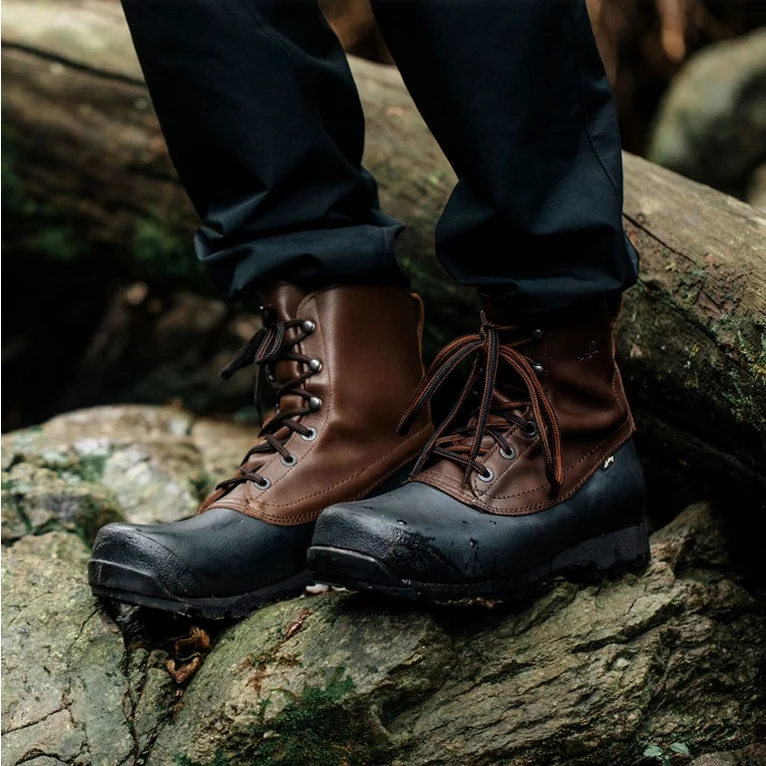
When preparing for the harsh realities of winter, selecting appropriate footwear extends beyond mere comfort and warmth; it now encompasses a critical environmental and health consideration: the presence of per- and polyfluoroalkyl substances (PFAS). These synthetic chemicals, widely employed for their water and stain-repellent properties in numerous consumer products, including winter boots, pose significant long-term risks to both ecosystems and human health. A truly sustainable winter boot must therefore not only withstand snow and slush but also be durable, responsibly manufactured, and, crucially, free of these "forever chemicals."
The Pervasive Threat of "Forever Chemicals": Understanding PFAS in Footwear
The discourse surrounding environmental and health-conscious consumer goods has increasingly highlighted PFAS, a group of thousands of synthetic chemicals recognized for their exceptional ability to repel water, oil, and stains while maintaining material breathability. Within the fashion and outdoor industries, these substances are commonly referred to as Durable Water Repellents (DWR) and are particularly prevalent in performance gear, including outdoor clothing, ski equipment, and, notably, snow-proof winter boots. Their chemical structure, characterized by exceptionally strong carbon-fluorine bonds, renders them highly stable and resistant to degradation, earning them the moniker "forever chemicals" among scientists and environmental advocates.
The primary concern with PFAS lies in their environmental persistence. Once these chemicals flake off products, whether through wear, washing, or disposal, they enter the environment. Their robust chemical bonds prevent them from breaking down naturally over significant periods, leading to their accumulation in water bodies, soil, and even the atmosphere. This pervasive contamination has been widely documented, with studies by the U.S. Geological Survey (USGS) revealing PFAS in tap water across the United States. The environmental implications are far-reaching, affecting wildlife and the delicate balance of ecosystems.
Beyond environmental contamination, PFAS exposure presents a demonstrable public health risk. The chemicals can migrate from products into indoor environments, affecting air quality and household dust, leading to human exposure. Scientific research, as detailed by the Environmental Protection Agency (EPA) and the Agency for Toxic Substances and Disease Registry (ATSDR) at the Centers for Disease Control and Prevention (CDC), has linked PFAS exposure to a range of adverse health outcomes. These include increased risk of certain cancers (kidney and testicular), reproductive issues, developmental delays in children, compromised immune system function, liver damage, and elevated cholesterol levels. Given the severity of these potential impacts, discerning the presence of PFAS in consumer products, especially those with direct and prolonged contact like footwear, has become an urgent consumer responsibility. As a general guideline, unless a brand explicitly states its waterproofing finish is PFAS-free, PFC-free, or free of fluorinated chemicals, consumers should assume these persistent chemicals are present.
The Evolution of Sustainable Footwear: A Market Response
The growing scientific consensus on PFAS risks, coupled with increasing consumer awareness and regulatory pressures, has spurred a significant shift within the footwear industry. Brands are now under pressure to innovate and adopt alternative waterproofing solutions that deliver performance without the environmental and health burden of "forever chemicals." This paradigm shift reflects a broader movement towards genuinely sustainable manufacturing practices, where product efficacy is balanced with ecological stewardship and consumer well-being.
The European Union and several U.S. states have initiated or are considering bans and restrictions on PFAS in various product categories, further accelerating the industry’s transition. This regulatory momentum, combined with an informed consumer base actively seeking responsible choices, creates a compelling market incentive for brands to not only eliminate PFAS but also to embrace comprehensive sustainability criteria across their entire supply chain.
Defining Truly Sustainable Winter Boots: Key Criteria for Informed Choices
Selecting a pair of winter boots that aligns with sustainability principles requires evaluating several factors beyond just being PFAS-free. The longevity, material sourcing, manufacturing ethics, and end-of-life considerations all contribute to a product’s overall environmental and social footprint.
-
Safe & Sustainable Materials: The foundation of a sustainable boot lies in its constituent materials.
- PFAS-Free Waterproofing: This is the paramount criterion. Consumers should look for explicit declarations of "PFAS-free," "PFC-free," or "fluorine-free" waterproofing technologies. These alternatives often involve bio-based DWRs or advanced membrane technologies that achieve water resistance without harmful chemicals.
- Natural Water-Resistant Materials: For naturally water-resistant options, leather remains a popular choice. However, the environmental impact of leather production varies significantly. Consumers should prioritize boots made with leather certified by the Leather Working Group (LWG). LWG certification signifies that tanneries adhere to strict environmental standards regarding water usage, energy consumption, and chemical management.
- Recycled Materials: The incorporation of recycled content, such as recycled polyester for insulation or fabric uppers, reduces reliance on virgin resources and minimizes waste. Verification through certifications like the Global Recycled Standard (GRS) ensures that recycled claims are legitimate and traceable throughout the supply chain.
- Chemical Management and Restricted Substances Lists (RSLs): Beyond PFAS, a truly sustainable brand will have robust chemical management policies. Certifications like bluesign indicate that chemicals, dyes, and processes used in manufacturing are safe for the environment, workers, and consumers. Brands that publish or adhere to a Restricted Substances List (RSL) demonstrate a proactive commitment to avoiding hazardous chemicals.
- Vegan Alternatives: For consumers seeking animal-free options, the landscape of vegan leather is evolving. While some older "vegan leathers" are predominantly plastic-based (e.g., polyurethane, PVC) with their own environmental concerns, newer innovations include bio-based materials derived from plants (e.g., apple, pineapple, mushroom mycelium). Transparency regarding the composition of vegan leather is crucial to making an informed choice.
-
Transparent Supply Chain and Ethical Production: The ethical dimension of sustainability ensures that environmental benefits are not achieved at the cost of human exploitation.
- Traceability: Brands should demonstrate awareness of their entire supply chain, from the sourcing of raw materials to the final assembly of the boot. This includes identifying Tier 1 (final assembly), Tier 2 (components), and even Tier 3 (raw materials) suppliers.
- Worker Welfare: Look for brands that partner with organizations like the Fair Wear Foundation, which works to improve labor conditions in the garment industry. Brands that share their factory locations, conduct independent audits, and uphold a comprehensive code of conduct are typically more committed to fair wages, safe working environments, and human rights.
-
Durability and After-Market Repair Services: A fundamental principle of sustainability is to extend product lifespan, thereby reducing consumption and waste.
- Design for Longevity: Sustainable boots are designed with durability in mind, using high-quality components and robust construction methods.
- Repairability: Brands that actively support the repair of their products contribute to a circular economy. This can manifest as offering replacement parts (laces, soles, insoles), providing detailed repair guides, or operating full-service repair shops. Such services not only extend the life of the product but also foster a more responsible consumer mindset, moving away from a disposable culture.
Leading the Charge: Brands Offering PFAS-Free Winter Boots
A growing number of brands are demonstrating a commitment to producing winter boots that meet these stringent sustainability criteria. Here’s a closer look at some pioneers and leaders in the field:
-
Keen: A trailblazer in the outdoor footwear industry, Keen was among the first major brands to completely eliminate PFAS from its manufacturing processes, sharing its journey and methodologies with the broader industry to encourage widespread adoption. This initiative, often dubbed the "Keen Effect," underscored their commitment to environmental responsibility. Keen’s winter boot range, spanning from stylish urban designs to heavy-duty expedition-ready models, features proprietary PFAS-free Durable Water Repellent (DWR) technologies, ensuring both performance and safety. The brand rigorously vets its leather suppliers, exclusively partnering with Leather Working Group (LWG)-certified tanneries to guarantee sustainable processing. Keen also maintains a comprehensive Restricted Substances List (RSL) to control the use of hazardous chemicals. Operationally, Keen is notable for manufacturing at least one in three pairs of its shoes in its own factories, allowing for direct control over labor practices and quality. Furthermore, the brand conducts regular audits of its Tier 1 and Tier 2 suppliers to ensure adherence to its stringent code of conduct, encompassing fair labor practices and environmental standards.
-
Jack Wolfskin: This German outdoor brand has established itself as a leader in PFAS-free innovation, consistently developing eco-conscious gear designed for longevity and performance. Jack Wolfskin’s winter boots frequently incorporate its custom Texapore technology, a proprietary membrane that provides robust water and wind protection without relying on PFAS. The brand exemplifies supply chain transparency, publicly listing all its manufacturing partners. A significant number of these partners are bluesign-approved, a certification that guarantees the absence of hazardous substances throughout the textile production process and promotes responsible resource use. Jack Wolfskin further ensures ethical working conditions by regularly deploying independent inspectors to audit its supplier factories.
-
Lundhags: With a heritage dating back to 1932, this Swedish outdoor brand is renowned for its durable, high-quality leather boots, often handcrafted in Europe. Lundhags prioritizes a short and transparent supply chain, sourcing its premium leather from a specialized German tannery. Their boot collection features shell, one-layer, and three-layer designs, engineered for diverse winter conditions and built for exceptional longevity. A cornerstone of Lundhags’ sustainability strategy is its commitment to product lifespan extension. The brand operates an after-market repair shop, where skilled shoemakers can mend and refurbish boots, significantly prolonging their utility and reducing waste. Furthermore, Lundhags ensures ethical working conditions in its factories by adhering to the comprehensive code of conduct established by Brav, its parent company, which emphasizes social and environmental responsibility.
-
Vaude: This German brand is a paragon of sustainability, with its winter boots featuring a high-performance, PFAS-free recycled polyester membrane that offers superior water and wind protection. Vaude’s commitment to local sourcing is evident in its use of leather uppers from a tannery in Germany, minimizing transportation emissions and supporting regional economies. The brand excels in supply chain transparency, allowing customers to view the specific manufacturing location of each boot directly on its product pages. Vaude actively champions a circular economy model through its extensive after-market support, offering a wide array of affordable replacement parts and providing comprehensive full-service repair options, empowering customers to maintain and extend the life of their footwear rather than replacing it prematurely.
-
Forsake: Forsake offers a versatile range of waterproof boots, from stylish sneaker-boots to rugged heeled hiking boots, all designed with functionality and sustainability in mind. The brand predominantly uses LWG-certified leather, ensuring environmentally responsible tanning practices. Forsake’s parent group enforces a strict code of conduct for all its suppliers, which is rigorously upheld through regular independent audits, guaranteeing ethical labor and environmental standards across its manufacturing base. While the brand is transparent about its leather sourcing, consumers should inquire about the origin and composition of its memory foam insoles, as the sustainability profile of foam materials can vary widely.
-
EcoAlf: As a certified B-Corp, EcoAlf stands out for its deep commitment to sustainability, particularly in its innovative use of recycled materials. The brand produces vegan PFAS-free boots crafted from GRS-certified recycled polyester and a blend of new and recycled rubber for soles. EcoAlf’s dedication to supply chain visibility is demonstrated by its tracking of materials down to Tier 3 suppliers, offering a detailed understanding of its product’s journey. While their commitment to recycled content is strong, further clarity on the initial sourcing of all raw materials, particularly the virgin rubber components, would enhance their transparency profile.
-
Will’s Vegan Store: This UK-based brand specializes in high-quality vegan footwear, manufacturing its boots in Italy and Portugal with a strong emphasis on ethical and sustainable practices. Will’s Vegan Store utilizes innovative bio-based leathers (often derived from plants) and recycled polyester insulation, offering animal-free alternatives without compromising on performance. The brand prides itself on tracing every step of its production process, ensuring that its ethical and environmental standards are met. While many of their waterproof shoes feature PFAS-free uppers, consumers are advised to carefully check individual product descriptions, as not all waterproof models are explicitly designated PFAS-free. It’s also worth noting that some unspecified vegan leathers may still contain synthetic plastics like PU, which, while animal-free, have their own environmental considerations regarding production and biodegradability.
-
Poppy Barley: Known for its commitment to ethical production and quality craftsmanship, Poppy Barley offers a selection of LWG-certified water-resistant ankle and calf-length boots. The brand maintains a transparent supply chain, with its audited factories strategically located in Europe and Mexico, ensuring adherence to fair labor practices and environmental standards. While many of their boots carry the LWG certification, consumers are encouraged to verify the certification status on individual product pages, as material sourcing can vary. This diligence ensures that the leather used meets the highest environmental processing standards.
-
REI Used Gear: Embracing the principles of the circular economy, REI Used Gear provides an invaluable platform for consumers to purchase, sell, and trade pre-owned outdoor equipment, including winter boots. This initiative offers a sustainable alternative to buying new, providing access to discounted gear from reputable brands. While REI itself is actively working to eliminate PFAS from its proprietary products, consumers shopping on the used gear platform should exercise due diligence. It is crucial to check the product details and specifications of each item, as not all brands or older models available through REI Used may be explicitly PFAS-free. This platform represents an excellent opportunity for sustainable consumption, provided careful attention is paid to the individual product’s environmental attributes.
The Path Forward: Empowering Consumers for a Sustainable Future
The transition to PFAS-free and genuinely sustainable winter boots represents a significant step forward in responsible consumerism and industrial practice. As scientific understanding of chemical impacts grows and consumer demand for ethical products intensifies, brands are increasingly motivated to innovate and transparently communicate their sustainability efforts.
For consumers, making informed choices means going beyond superficial claims. It involves actively seeking out brands that provide clear information about their materials, manufacturing processes, and supply chain. Prioritizing products with recognized third-party certifications (LWG, GRS, bluesign, Fair Wear Foundation) offers an added layer of assurance. Furthermore, supporting brands that offer repair services or opting for second-hand gear through platforms like REI Used helps to foster a more circular economy, reducing waste and extending the life of valuable products.
The collective impact of these individual choices is substantial. By consciously opting for PFAS-free and sustainably produced winter boots, consumers not only protect their own health and the environment but also send a powerful message to the industry, accelerating the shift towards a more responsible and sustainable future for fashion and outdoor gear. The journey towards truly sustainable footwear is ongoing, but with increasing transparency and innovation, navigating the winter landscape with integrity is becoming an achievable reality.



 Anjar Salim
 Chandra Hamzah
 Tatiana Tantri Indah Sari
 Budi Mulyono

