
 Chandra Hamzah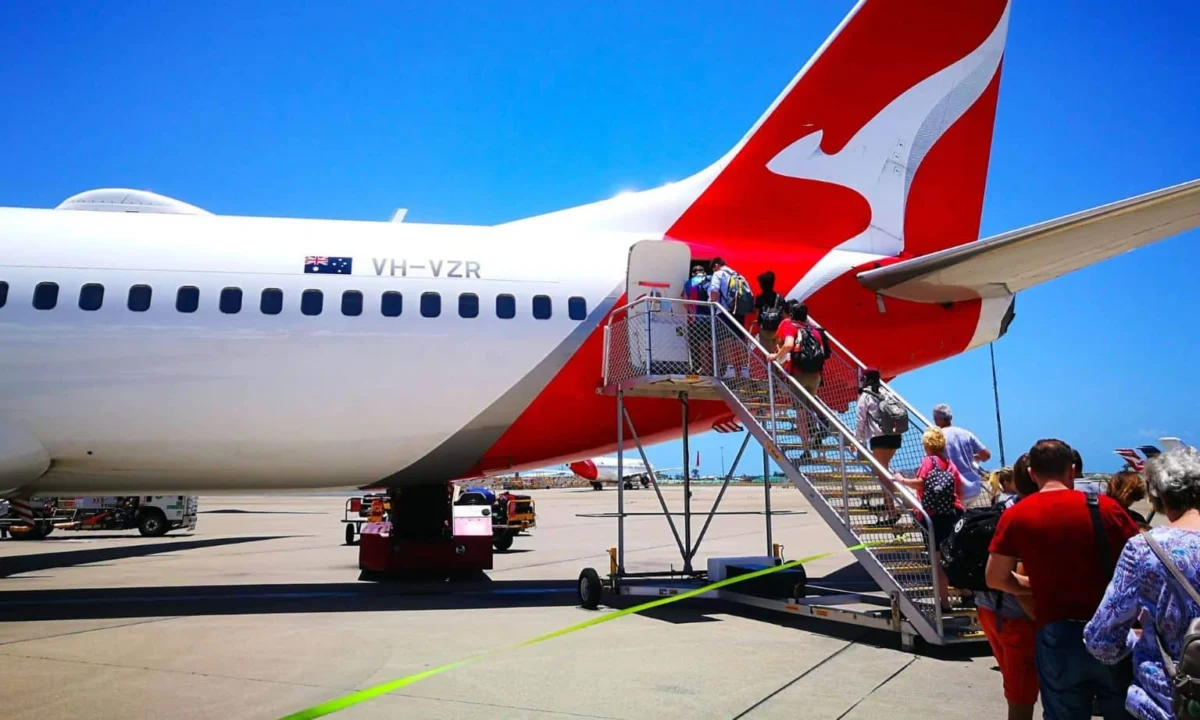
Australia is embarking on a significant transformation of its border control system with a $56.1 million investment aimed at phasing out traditional paper passenger cards in favour of a streamlined digital alternative. This move, heralded as a modernisation initiative, seeks to enhance efficiency for travellers and bolster national security capabilities. The shift away from the familiar, often last-minute scramble for a pen and paper during the descent of an aircraft marks a pivotal moment in the nation’s approach to international arrivals.
The new digital system, known as the Australia Travel Declaration (ATD), has undergone successful trials involving over 450,000 passengers on select Qantas international flights into major hubs like Brisbane, Sydney, and Melbourne. This pilot program’s positive outcomes have paved the way for an expanded rollout. The ATD system is designed to replace the Incoming Passenger Card (IPC), a long-standing fixture of international travel to Australia.
The trial’s success is a testament to the government’s commitment to modernising its border processes, aligning Australia with an increasing number of countries that have already adopted digital arrival systems. Nations such as Singapore, the United Kingdom, Japan, and New Zealand have successfully implemented similar technologies, demonstrating the global trend towards digitalising traveller declarations.
A Phased Rollout Towards a Digital Border
The ATD system is set to expand its trial phase to Perth and Adelaide by the end of 2026. Following this, a comprehensive, phased rollout across all Australian international airports and seaports is anticipated over the subsequent 12 to 18 months. This carefully planned expansion aims to ensure a smooth transition for travellers and operational readiness for border agencies.
Initially accessible via a web form, the digital declaration is envisioned to evolve further. The government is exploring the potential integration of the ATD into a dedicated mobile application, signalling a commitment to a fully digital and seamless traveller experience. This forward-looking approach involves collaboration with industry stakeholders to continuously refine and enhance the system, ensuring it meets the dynamic needs of modern travel.
Enhancing Traveller Experience and National Security
The overarching objective of this digital transformation is to simplify and expedite the arrival process for all international travellers. Minister for Trade and Tourism, Senator Don Farrell, articulated the benefits, stating, "Making arrivals simpler and quicker means visitors can spend less time filling out forms and more time enjoying everything Australia has to offer." He further emphasised the positive impact on the tourism sector, adding, "This is a win for tourists and a win for our tourism operators, helping make Australia an even easier and more welcoming place to visit."
Beyond the immediate convenience for travellers, the digital ATD system is poised to deliver significant advantages for national security and biosecurity. The enhanced quality and accessibility of data collected through the digital platform are expected to improve the effectiveness of risk assessments. This, in turn, will enable border agencies to respond with greater agility to emerging threats, including potential biosecurity outbreaks.
Minister for Agriculture, Fisheries, and Forestry, Julie Collins MP, highlighted the biosecurity implications: "The Australia Travel Declaration will strengthen Australia’s biosecurity by providing better quality information earlier, helping us identify and respond to potential biosecurity risks before they reach our shores." She underscored the strategic importance of the investment, noting, "This investment ensures Australia’s border keeps pace with growing traveller numbers and emerging global biosecurity threats."
The transition to a digital declaration system is anticipated to significantly reduce the manual processing of information, freeing up resources and allowing border officials to focus on higher-risk activities. The improved data accuracy will provide a more comprehensive picture of traveller movements and potential risks, thereby bolstering the nation’s defence against biosecurity incursions, which can have devastating economic and environmental consequences.
Industry Perspectives and Accessibility Considerations
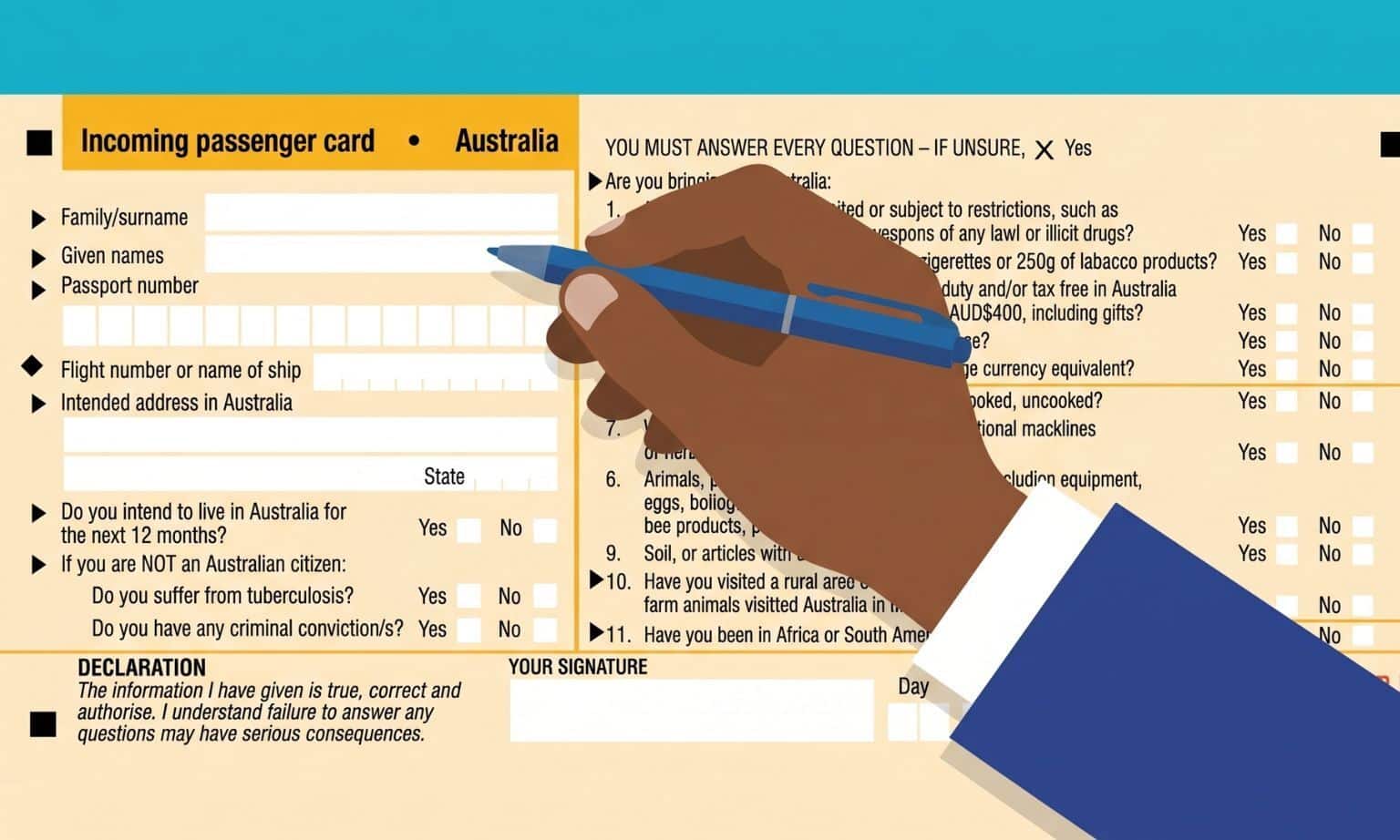
Industry stakeholders have largely welcomed the move towards a digital declaration system. Felicity Burke, APAC Director of FCM Travel’s Consulting business, described the initiative as a "practical win for travellers." She noted, "It is a small piece of paperwork, but it has been one of the last bits of friction left in an otherwise fast, digital travel experience."
Burke elaborated on the tangible benefits: "Time is the real win here. Digital declarations get done before you land, which means faster movement through arrivals and shorter queues at immigration. For families starting a holiday or business travellers racing to a meeting, every minute counts." The elimination of a manual task at the end of a journey is expected to contribute to a more positive and efficient arrival experience.
However, Burke also raised a crucial point regarding the success of the rollout: accessibility. She cautioned, "The real test is accessibility. Not every traveller is glued to an app. Families, older travellers and those without reliable data still need a simple option that works. Get that right, and this is a genuine win, not just a win on paper." This highlights the importance of ensuring that the digital system does not inadvertently exclude or disadvantage certain traveller demographics.
The government has acknowledged these concerns, assuring that provisions will be made for travellers who may not have access to the digital platform. Existing paper forms will remain available for those who cannot access or complete the web-based declaration. This commitment to maintaining a dual system aims to ensure that the transition is inclusive and does not create barriers for any segment of international arrivals. For the vast majority of travellers, however, the need to carry and complete a physical card will soon become a relic of the past.
Background and Broader Implications
The introduction of the Incoming Passenger Card dates back to a time when international travel was significantly less frequent and complex. Over the decades, it has served as a vital tool for customs, immigration, and biosecurity agencies to gather essential information from travellers. However, in an era of advanced digital capabilities and escalating global travel volumes, its paper-based format has become increasingly anachronistic and inefficient.
The $56.1 million investment underscores the Australian government’s recognition of the need to modernise its border infrastructure to meet current and future challenges. This includes not only managing the growing numbers of international visitors but also adapting to evolving global health and security landscapes. The COVID-19 pandemic, in particular, highlighted the vulnerabilities of traditional border control systems and the importance of agile, data-driven approaches.
The ATD system is expected to provide a more robust and granular dataset than the current paper-based system. This enhanced data will be invaluable for a range of government agencies, not only for immediate border processing but also for long-term planning, threat intelligence, and policy development. For instance, improved data on traveller movements can inform public health responses to outbreaks or assist in tracking the spread of invasive species.
The financial commitment also reflects a strategic decision to invest in technology that can yield long-term efficiencies and cost savings. While the initial investment is substantial, the ongoing operational efficiencies gained from reduced paper handling, automated data entry, and improved risk targeting are expected to provide a significant return. Furthermore, a smoother and more welcoming arrival experience can contribute to Australia’s reputation as a desirable tourist and business destination, thereby boosting the national economy.
Future Developments and Ongoing Evolution
The phased rollout of the Australia Travel Declaration is just the beginning of a broader digital transformation of Australia’s border management. The government’s commitment to working with industry suggests a continuous improvement cycle, where feedback and technological advancements will shape the future evolution of the ATD and related border systems. The potential integration with other digital identity solutions or travel platforms could further enhance the traveller journey.
The success of this initiative will be measured not only by its technical implementation but also by its impact on traveller satisfaction, operational efficiency, and national security. By embracing digital solutions, Australia is positioning itself to navigate the complexities of international travel in the 21st century, ensuring its borders remain secure, efficient, and welcoming. The era of the paper passenger card is drawing to a close, ushering in a new chapter in Australia’s border control history.




 Anjar Salim
 Tatiana Tantri Indah Sari
 Budi Mulyono
