
 Susilo Edi Turonggo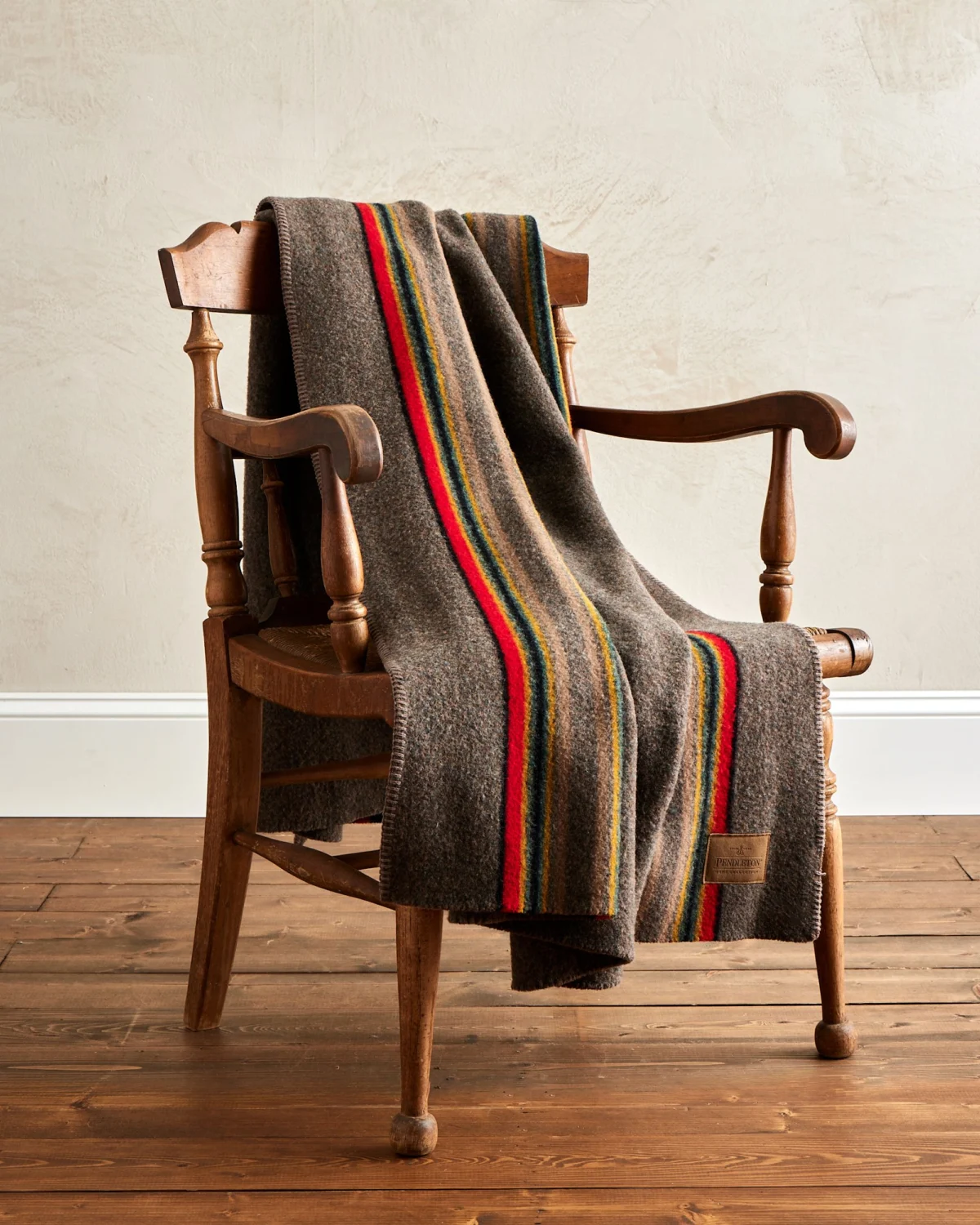
The quest for comfort, particularly during colder months, often leads consumers to seek out the perfect blanket – a warm throw for evenings by the fire, a cozy quilt for snowy days, or a thoughtful gift for a loved one. However, a growing segment of the market is now looking beyond mere aesthetics and warmth, prioritizing the environmental and social impact of these ubiquitous home textiles. This shift reflects a broader consumer movement towards conscious consumption, where the provenance, materials, and manufacturing processes of products are scrutinized with increasing rigor. The selection of a well-made, long-lasting blanket has evolved from a simple purchase to an intentional investment in quality, durability, and ethical production.
The Hidden Costs of Conventional Textile Production
The textile industry, globally, is a significant contributor to environmental degradation and social inequities. Traditional manufacturing processes for home textiles, including blankets, frequently involve practices that are unsustainable and harmful. Understanding these impacts is crucial for appreciating the value proposition of ethically sourced alternatives.
- Chemical Pollution from Dyes: A primary concern in textile production is the widespread use of synthetic dyes. Many conventional blankets are dyed with azo-benzene disperse dyes, a class of chemicals known for their vibrant colors but also for their immuno-sensitizing properties. When these blankets are used, these chemical compounds can leach into the environment during washing, contaminate water sources, and even break down into airborne dust within homes. Studies have linked exposure to certain azo dyes to skin reactions, allergic responses, and even more serious health implications for both consumers and, critically, the textile workers who handle them daily. The discharge of dye effluents into rivers and waterways, particularly in developing countries where environmental regulations may be lax, causes severe aquatic pollution, impacting biodiversity and rendering water unusable for communities.
- The Environmental Burden of Synthetic Fibers: While the original article primarily focuses on dyes, it is important to contextualize the materials themselves. Many inexpensive blankets are made from synthetic fibers like polyester, acrylic, or nylon. These materials are derived from petrochemicals, a non-renewable resource, and their production is energy-intensive. Furthermore, synthetic textiles shed microplastic fibers during washing, which then enter aquatic ecosystems, posing a threat to marine life and ultimately the human food chain. Unlike natural fibers, most synthetics are not biodegradable, contributing significantly to landfill waste, where they can persist for hundreds of years.
- Resource Intensive Cultivation: Even natural fibers can have substantial environmental footprints if not managed sustainably. Conventional cotton, for instance, is notorious for its high water consumption and reliance on pesticides and herbicides, which can deplete soil health and contaminate water and air. The monoculture practices often associated with conventional cotton farming also reduce biodiversity.
A Call for Transparency and Ethical Sourcing
The rising awareness of these issues has spurred a demand for greater transparency and ethical sourcing within the home textile sector. Consumers are increasingly seeking products that are not only comfortable and stylish but also align with their values concerning environmental stewardship and social justice.
- Skin-Safe Materials and Dyes: The fundamental principle of an ethical blanket begins with its raw materials. Natural fibers offer a superior alternative to synthetics, being generally biodegradable and less reliant on harsh chemicals. Organic cotton, for example, is grown without synthetic pesticides or fertilizers, significantly reducing its environmental impact and promoting healthier soil. Alpaca and merino wool are prized for their warmth, softness, and natural anti-odor properties, often requiring less frequent washing. Linen, derived from flax, is a highly sustainable fiber known for its durability and breathability, requiring minimal water and pesticides. Hemp, another robust and fast-growing plant, offers exceptional strength and grows with little water or chemical input. Tencel (lyocell) is a regenerated cellulosic fiber made from sustainably sourced wood pulp, produced in a closed-loop system that recycles water and solvents, making it an environmentally responsible choice.
- Certifications as Consumer Guarantees: To provide verifiable assurance regarding material safety and dye processes, several certifications have emerged as industry benchmarks.
- Oeko-Tex Standard 100: This widely recognized certification ensures that textiles have been tested for harmful substances and are safe for human use. It covers a broad spectrum of chemicals, including azo dyes, formaldehyde, heavy metals, and allergenic dyes.
- bluesign®: Going a step further, bluesign® is a holistic system that aims to eliminate harmful substances from the very beginning of the manufacturing process. It sets standards for environmentally friendly and safe production, covering everything from raw materials to energy consumption, water usage, and air emissions, promoting sustainable chemical management throughout the supply chain.
- Global Organic Textile Standard (GOTS): For organic fibers, GOTS is the leading standard, ensuring organic status of textiles from harvesting of the raw materials through environmentally and socially responsible manufacturing up to labeling. It includes strict criteria for chemical inputs and social standards.
- Durability and Timeless Design: A truly sustainable product is one that lasts. Fast fashion and disposable consumption models have permeated home goods, leading to items that quickly wear out or go out of style. Ethical brands prioritize durability by selecting high-quality materials and employing robust construction techniques. For instance, wool blankets are not only warm but also naturally resilient, moisture-wicking, and anti-microbial, meaning they don’t need to be washed as often as synthetic alternatives, further extending their lifespan and reducing resource consumption. Furthermore, designing blankets with timeless aesthetics ensures they remain cherished pieces in a home for years, reducing the need for frequent replacements and minimizing waste. Proper care instructions are also critical, empowering consumers to maximize the life of their investment.
- Traceable and Ethical Supply Chains: Beyond environmental considerations, the ethical treatment of workers and communities involved in textile production is paramount. Many global supply chains are notoriously opaque, making it difficult to verify labor practices. Ethical brands commit to full transparency, ensuring that artisans and factory workers are paid fair wages, work in safe conditions, and are treated with respect. This often involves building direct, long-standing relationships with producers, many of whom are skilled artisans preserving traditional craftsmanship.
- Fair Trade Certifications: Certifications like Fair Trade USA and the World Fair Trade Organization (WFTO) provide independent verification of ethical labor practices. Fair Trade standards ensure fair prices, safe working conditions, environmental protection, and community development. WFTO, in particular, focuses on the entire organization’s commitment to Fair Trade principles, not just individual products.
- B Corp Certification: For companies demonstrating high standards of verified performance, accountability, and transparency on factors from employee benefits and charitable giving to supply chain practices and input materials, B Corp certification offers a comprehensive endorsement of their social and environmental commitments.
The Evolution of the Ethical Home Goods Market: A Chronology
The movement towards sustainable home textiles has gained significant momentum in recent decades:
- Late 20th Century: Early environmental awareness begins to highlight the impact of industrial production, including textiles. Organic cotton cultivation starts to emerge as a niche alternative.
- Early 2000s: Consumer interest in "eco-friendly" products grows. Certifications like Oeko-Tex Standard 100 gain wider recognition, providing a benchmark for chemical safety.
- Mid-2000s: The concept of "Fair Trade" extends beyond food products to include handicrafts and textiles, emphasizing ethical labor practices. Organizations like WFTO expand their reach.
- 2010s: The rise of conscious consumerism accelerates. Social media and documentaries expose the environmental and social costs of fast fashion and mass production, leading to increased demand for transparency. B Corp certification becomes a recognized mark for socially responsible businesses. Innovations in sustainable fibers like Tencel gain traction.
- 2020s and Beyond: The focus expands to circular economy principles, regenerative agriculture, and fully traceable supply chains. The market for sustainable home goods, including blankets, is projected for continued strong growth, driven by consumer demand and regulatory pressures.
Leading the Charge: Brands Defining Ethical Blanket Production
The market now features a growing number of brands that exemplify these principles, offering consumers choices that combine luxury with a clear conscience. These companies are not just selling blankets; they are selling a commitment to a better future.
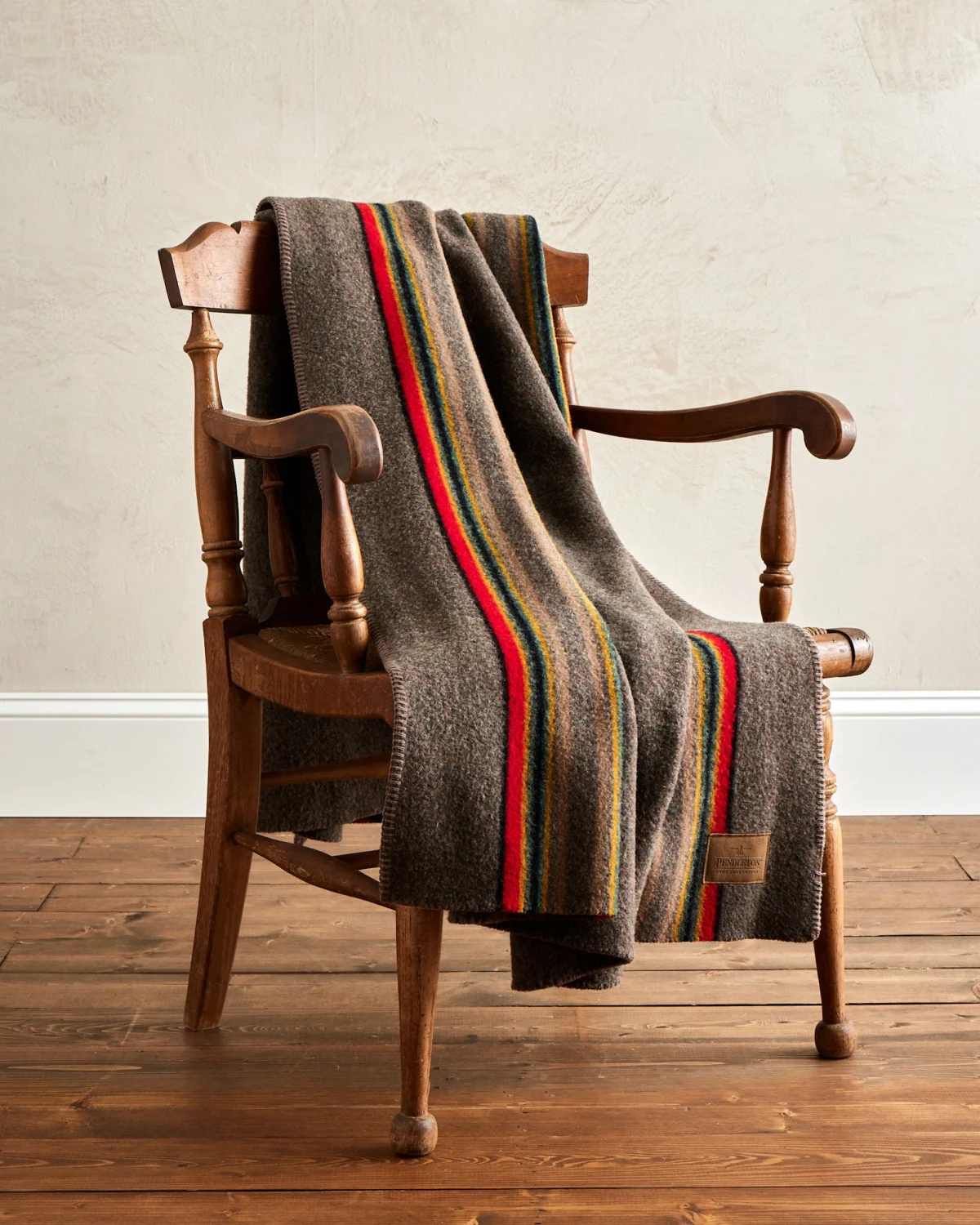
- Pendleton: With a heritage dating back to 1909, Pendleton stands as a testament to enduring craftsmanship. Operating two of the last woolen mills in the U.S., the company maintains meticulous control over its production, from scouring and dyeing to spinning and weaving. Their commitment extends to fostering long-standing relationships with local wool farmers and indigenous artists, whose iconic patterns are intricately woven on looms, ensuring cultural preservation and fair compensation. Their blankets are Oeko-Tex-certified, underscoring their dedication to material safety. Priced from $60-$529, Pendleton blankets are primarily available in the U.S.
- Minna: A certified B Corp and queer-led business based in Upstate New York, Minna marries contemporary abstract patterns with ethical production. Their blankets, featuring minimalist designs, are handmade in small batches using alpaca, Oeko-Tex-certified cotton, and merino wool. Minna’s dedication to an ethical supply chain is evident in its direct relationships with artisan partners in Central and South America, transparently listing the maker of each blanket on its product pages. With prices ranging from $165-$398, Minna ships to most countries.
- April Notes: This brand focuses on creating soft, earth-friendly home linens, including a collection of blankets crafted from linen, cotton, and merino wool. Certified free of harmful chemicals and synthetic dyes, their products are naturally breathable and hypoallergenic. April Notes champions sustainability by producing on-demand to minimize textile waste and overproduction. They work closely with a boutique atelier in Lithuania, ensuring high craftsmanship, fair wages, and safe working conditions. Their blankets, priced between $149-$180, are available in the U.S., Canada, the U.K., Australia, New Zealand, Mexico, Norway, Switzerland, Gibraltar, and all European Union countries.
- Avocado: A Los Angeles-based certified B Corp, Avocado is renowned for its eco-conscious bedroom stylings. Their throw blankets are made with Oeko-Tex-certified organic cotton, alpaca wool, cashmere, merino wool, and recycled cotton. Notably, the alpaca wool throws feature naturally occurring colors, eliminating the need for dyes, while other blankets utilize azo-free dyes. Avocado sources its wool ethically from Northern India, with a regularly audited supply chain. Their price range is $39-$349, and products are available in the U.S.
- Coyuchi: Committed to high-quality home goods with minimal environmental impact, Coyuchi sources organic cotton and wool from India. Their blankets are woven in Fair Trade-certified factories across Turkey, Portugal, and Germany, ensuring ethical labor practices. Coyuchi also provides a comprehensive blanket guide to assist customers in making informed choices. Their offerings span $58-$478 and are available in the U.S.
- Savvy Rest: This certified B Corp bedding brand specializes in organic cotton, dye-free blankets. Emphasizing domestic production, their cotton is grown and woven into blankets within the United States, supporting local economies and reducing transportation footprints. Savvy Rest offers sizes from throw to king, with prices from $89-$198, available exclusively in the United States.
- Under the Canopy: Under the Canopy crafts durable, intentional designs using Oeko-Tex-certified low-impact dyes. Their blankets are produced in India, Pakistan, Turkey, and China, utilizing merino wool from Argentina and organic cotton from Turkey. This global sourcing strategy focuses on responsible production to create lasting pieces. Priced between $178-$212, their blankets are available in the U.S.
- Boll & Branch: As a Fair Trade Certified bedding company, Boll & Branch prioritizes non-toxic processes. Their throws are made by artisans in India, Turkey, and Pakistan using traceable, Oeko-Tex-certified organic cotton and alpaca. This commitment ensures both environmental safety and ethical treatment of workers. With a price range of $149-$699, Boll & Branch products are available in the U.S. and Canada.
- Bearaby: Specializing in weighted blankets for sleep and anxiety, Bearaby also offers comfortable and lightweight throws. Their materials include Tencel from Austria, organic cotton from India, and Oeko-Tex-certified recycled polyester, available in various weights and sizes. While focusing on sustainable materials, consumers sensitive to synthetics should note the use of recycled polyester in some products. Bearaby blankets cost $149-$309 and are available in the U.S.
- Cold Picnic: Transforming home goods into art, Cold Picnic uses domestically-sourced, Oeko-Tex-certified recycled cotton for many of its blankets. Designed in Brooklyn and produced in small batches by a family-owned company in the U.S., their quilts are handmade by artisans in India. It is important for consumers to verify material details, as some blankets may contain polyester. Prices range from $130-$560, and Cold Picnic ships worldwide.
- Parachute: A direct-to-consumer brand, Parachute is known for its quality and durable home goods with a timeless modern design. Their blankets feature Oeko-Tex-certified materials, including cotton, alpaca wool, and linen. Parachute partners with Fair Trade manufacturers in Portugal and Turkey, maintaining an ethical supply chain. Some blankets may contain a small percentage of polyester, so material details should be checked. Priced from $99-$289, Parachute is available in the U.S. and Canada.
- The Citizenry: This Fair Trade brand offers warm and lightweight blankets, quilts, and throws made from ethically sourced, Oeko-Tex-certified materials such as alpaca wool, mohair, linen, and cotton. The Citizenry provides full transparency by listing all international partners and the specific locations where each blanket was handwoven or loomed. Similar to other brands, some products may include a small amount of polyester. Their price range is $189-$299, available in the U.S. and Canada.
- Made Trade: As an online marketplace, Made Trade rigorously vets every product for sustainability and transparency. It empowers consumers to shop by values, allowing filters for USA Made, handcrafted, or Fair Trade items, and preferred materials like cotton, recycled polyester, hemp, linen, and merino and alpaca wool. Consumers seeking to avoid synthetics should utilize the filter settings. Prices range from $40-$719, with availability in the U.S., Australia, Canada, the U.K., and most European and Asian countries.
The Broader Impact and Future Implications
The rise of the ethical blanket market signifies more than just a trend; it represents a fundamental shift in consumer values and industry practices.
- Consumer Empowerment: By making informed choices, consumers directly support businesses committed to environmental protection and social equity, driving market demand for more sustainable products. This collective action has a powerful ripple effect across the global supply chain.
- Economic Impact and Artisan Support: Investing in ethically sourced blankets often means supporting small businesses, traditional craftspeople, and communities in various parts of the world. This helps preserve cultural heritage, provides stable livelihoods, and fosters economic development in regions that might otherwise be exploited by fast fashion giants.
- Health and Well-being: Choosing blankets made with non-toxic, natural materials reduces exposure to harmful chemicals for both consumers and textile workers. This contributes to healthier homes and safer working environments, mitigating risks associated with chemical sensitivities and long-term exposure.
- Driving Innovation: The demand for sustainable textiles encourages innovation in material science, production processes, and circular economy models. Researchers and manufacturers are continually exploring new eco-friendly fibers, cleaner dyeing techniques, and methods for recycling and upcycling textile waste, pushing the industry towards a more regenerative future.
In conclusion, the journey to finding the perfect blanket is now intertwined with a deeper consideration of its journey from raw material to finished product. As consumers become more educated and discerning, the market for home textiles will continue to evolve, moving towards greater transparency, sustainability, and ethical responsibility, ensuring that comfort truly comes with a clear conscience.



 Anjar Salim
 Chandra Hamzah
 Tatiana Tantri Indah Sari
 Budi Mulyono
 Lukman Taruna Persada Ramadan
