
 Lukman Taruna Persada Ramadan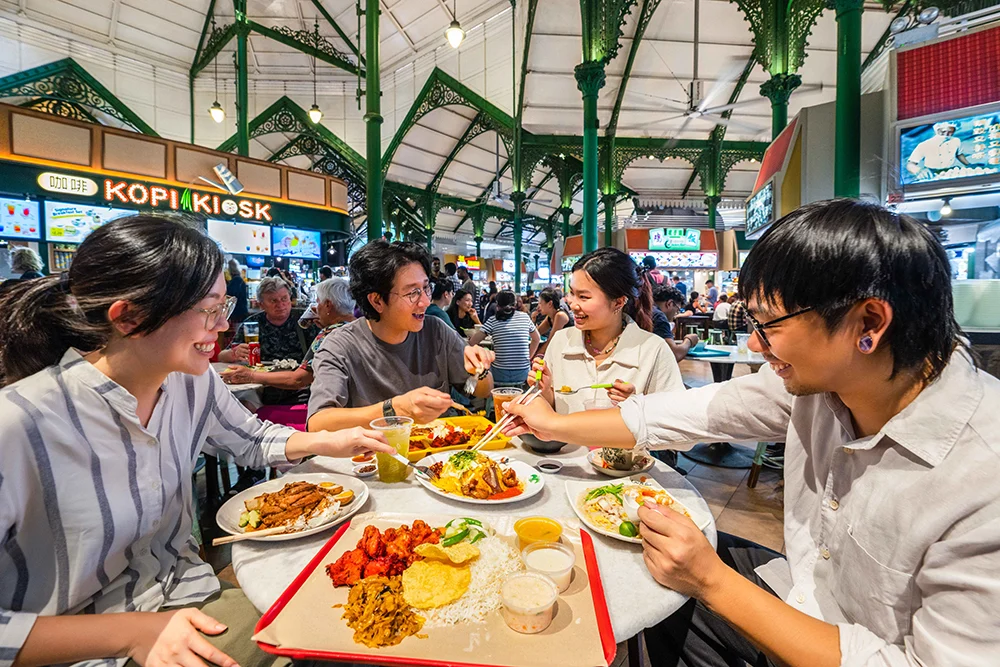
Street food, a ubiquitous and dynamic element of urban life across the globe, transcends mere sustenance, serving as a vibrant cultural artery and a significant economic force. From bustling Asian night markets to European thoroughfares and Latin American sidewalks, the daily ritual of sidewalk cooking, market stalls, and impromptu dining setups defines a lifestyle characterized by convenient quality, affordability, and profound culinary heritage. This global phenomenon, which sees office workers, students, and families converging under neon lights or open skies, represents a universal language of flavor, history, and community. While some cities have long anchored the international discourse on street food, others are rapidly emerging, bringing fresh perspectives and easier accessibility to this timeless tradition.
The Global Landscape of Street Food: An Economic and Cultural Overview
The global street food market is a massive and continuously expanding sector, estimated to be worth hundreds of billions of dollars annually, with projections for significant growth driven by urbanization, tourism, and evolving consumer preferences. Beyond its economic footprint, street food plays a critical role in urban infrastructure, providing affordable meals for low-income populations, generating employment within the informal sector, and fostering local entrepreneurship. It is also a powerful magnet for tourism, offering visitors an authentic taste of local culture and cuisine, often at a fraction of the cost of traditional restaurants. The enduring appeal of street food lies in its democratic nature – exceptional flavors are often accessible for just a few dollars, perfected over generations, and served with remarkable speed.
Asia: The Undisputed Epicenter of Street Food Excellence
Asia unequivocally reigns as the king of the street food scene, a continent where culinary traditions are deeply intertwined with daily life and public spaces. The sheer scale, variety, and cultural integration of street food in Asian cities set a benchmark for the rest of the world.
Taipei, Taiwan: A Symphony of Night Market Delights
Taipei stands at the forefront of this Asian dominance, renowned for its sprawling night markets that pulsate with energy deep into the night. These markets are not merely places to eat; they are social hubs, cultural institutions, and economic engines. The historical context of Taipei’s night markets dates back to post-World War II urbanization, as vendors congregated to serve the burgeoning urban population, creating vibrant centers for commerce and community.
Among its celebrated destinations, Shilin Night Market extends almost endlessly, a labyrinth of stalls offering everything from iconic oyster omelets and crispy fried chicken to bubble tea and stinky tofu. Raohe Street Night Market, by contrast, compresses this sensory experience into a glowing corridor, famous for its pepper buns, grilled squid, and bubbling seafood pots. Ningxia Night Market draws dense crowds with its specialty oyster omelets, taro balls, and braised pork rice. Many vendors here often specialize in a single item, honing their craft over decades, a testament to the dedication and expertise that elevates street food to an art form. The Taiwanese government, recognizing the cultural and tourist value, has actively promoted hygiene standards and even seen local street vendors achieve Michelin recognition, blending traditional charm with international acclaim. For a few dollars, one can embark on an extensive culinary journey, demonstrating the democratic accessibility of Taipei’s gastronomic treasures.
Bangkok, Thailand: A Sensory Overload of Flavors and Aromas
Bangkok pushes the sensory experience even further, creating an immersive culinary landscape that captivates locals and tourists alike. Yaowarat Road in Chinatown epitomizes this after dark, erupting with the theatrical flames of woks, rows of glistening hanging ducks, and vibrant fruit carts. Crowds flow shoulder-to-shoulder, drawn by the intoxicating aromas and the dizzying speed of vendors. These culinary artists navigate tiny workstations with impossible dexterity, tossing noodles through scorching pans while balancing skewers, curries, and desserts.
The evolution of Bangkok’s street food scene is deeply rooted in Thai culture, where eating out and sharing meals are integral to daily life. While Yaowarat is a highlight, the city’s street food stretches across vast sections, far beyond Chinatown, with grills, carts, and late-night food alleys forming an integral part of its urban fabric. From the sweet and savory balance of Pad Thai to the creamy richness of curries and the refreshing burst of mango sticky rice, Bangkok offers an almost limitless array of dishes. Efforts to manage and regulate street vendors, while sometimes controversial, highlight the city’s ongoing commitment to preserving this vital cultural asset while addressing concerns about public space and hygiene.
Singapore: Hawker Culture as a National Treasure
In Singapore, street food is celebrated with remarkable precision and organization, embodied by its unique hawker culture. The development of hawker centers in the 1960s and 70s was a deliberate government initiative to resettle street vendors into sanitary, centralized locations, preserving their culinary traditions while improving public health. These massive centers, such as Maxwell Food Centre, Old Airport Road Food Centre, Lau Pa Sat, and Tiong Bahru Market, concentrate dozens, sometimes hundreds, of specialists under one roof. This model allows entire communities to eat extraordinarily well for relatively little, showcasing an unparalleled efficiency and diversity.
Singapore’s hawker culture has achieved international acclaim, including UNESCO Intangible Cultural Heritage status in 2020, a testament to its profound cultural significance and the government’s active role in its preservation. Iconic dishes like Hainanese chicken rice, laksa, satay, and roti prata are not just tourist attractions but remain integral to everyday life. While some hawker stalls have earned coveted Michelin stars, the essence of the hawker experience remains democratic: strong, flavorful meals served on plastic trays beneath fluorescent lights, reflecting a commitment to authentic taste over luxurious settings.

North America: Embracing Diversity and Innovation
While Asia sets the gold standard, North America is increasingly making its mark, driven by vibrant immigrant communities and innovative culinary approaches.
Richmond, British Columbia, Canada: A Pan-Asian Culinary Gateway
For travelers seeking a rich Asian street food experience closer to home, Richmond, British Columbia, offers an astonishing variety just outside Vancouver. With roughly 74 percent of its population identifying as Asian, Richmond has cultivated one of the continent’s strongest concentrations of pan-Asian food culture. The Richmond Night Market, a seasonal phenomenon, arguably captures the authentic atmosphere more convincingly than any other event in North America. Attracting over one million visitors annually, it features more than 200 food and retail stalls beneath neon lighting, live music, and the pervasive aroma of open-air grills.
This market is a microcosm of global street food trends, balancing traditional Asian night market staples like crab meat noodles and barbecued squid with aggressively modern fusion cooking, such as sushi tacos, Afghan bolani, Brazilian pastries, and sausages stuffed into waffle cones. It serves as a crucial cultural bridge, introducing diverse culinary traditions to a wider audience and showcasing the dynamic evolution of street food in a multicultural context.
Mexico City, Mexico: A Deeply Rooted Culinary Identity
Mexico City brings an intense focus on consistent, all-day street food feasting to the Americas. Street food here carries immense cultural prestige, deeply ingrained in the city’s historical and social fabric, dating back to pre-Hispanic market traditions. Sidewalk griddles sizzle outside metro stations, market stalls overflow with regional specialties from across the country, and entire neighborhoods become synonymous with specific tacos, tortas, soups, or snacks. Many of the city’s finest chefs openly build their menus around the sophisticated simplicity of tacos, moles, and masa, elevating street food ingredients and techniques to haute cuisine.
The iconic al pastor, carved from rotating vertical spits known as trompos, anchors the city’s street food identity. Taqueros expertly slice crisp marinated pork directly onto fresh tortillas, topping them with pineapple, onion, and cilantro. Elsewhere, tlacoyos stuffed with beans cook on broad comals beside quesadillas filled to order with indigenous ingredients like huitlacoche (corn smut), squash blossoms, or chicharrón. Tamales steam beneath thick cloth covers, while fruit vendors artfully pile cups with mango, jicama, watermelon, and chili powder. Mercado Jamaica is celebrated for its sheer variety, offering full meals under one roof, while Mercado de Coyoacán is particularly known for its towering tostadas layered with seafood, ceviche, and shredded meats, each bite a testament to Mexico’s rich culinary tapestry.
Tijuana, Mexico: Border Flavors and Culinary Innovation
For travelers seeking quicker access from the United States, Tijuana offers a compelling and vibrant alternative. Crossing the border from San Diego reveals a city where food culture immediately asserts itself through the ubiquitous presence of grills, music, carts, and packed taquerías lining major streets. Avenida Revolución, beneath the massive Tijuana Arch, is a focal point for much of this action, where taco shops and sidewalk vendors operate alongside breweries and bars.
Tijuana’s street food scene is characterized by a blend of tradition and innovation. Third-generation taqueros continue to perfect classic preparations, while boundary-pushing chefs embrace the casual, street-centered ethos to experiment with Baja Med influences. The city’s tastiest meals are often best appreciated standing beside stainless steel counters or seated on plastic stools near the sidewalk, embodying the egalitarian spirit of street dining.
Los Angeles, USA: Immigrant-Driven Culinary Diversity
The United States has historically lagged in developing widespread street food infrastructure due to stringent regulations, but Los Angeles stands out as a significant exception. Here, immigrant sidewalk cooking is not merely a novelty but an essential component of the city’s diverse culinary identity. Recent legislative changes aimed at decriminalizing and formalizing street vending have further solidified its presence, recognizing its economic and cultural contributions.
Taco stands stretch across sidewalks, parking lots, and gas stations, many specializing in regional Mexican traditions—such as al pastor, carne asada, suadero, and smoky meats—that are difficult to find elsewhere in the country. Beyond Mexican fare, Los Angeles boasts distinct micro-scenes, including pupusa specialists, Thai cooks, and regional Chinese snack vendors. Koreatown, Boyle Heights, Thai Town, South Los Angeles, and East L.A. each contribute entirely different street food identities, making Los Angeles a true melting pot of global flavors available on the street.
Portland, Oregon, USA: The Rise of the Food Cart Pod
As other U.S. cities expand their street food scenes, Portland, Oregon, has emerged as one of the most interesting models to watch. Ranked highly for its foodie culture, Portland hosts over 500 food carts spread across the city, often clustered into "pods." This unique organizational structure fosters a vibrant, communal dining experience, making it easy to find options ranging from authentic Thai street food and Mexican birria to vegan comfort fare and experimental fusion.
The "food cart pod" model, which began gaining traction in the early 2000s, offers aspiring chefs and entrepreneurs a lower-cost entry point into the culinary world, fostering innovation and diversity. Crucially, many Portland vendors remain committed to the core tenets of street food: speed and affordability. As the novelty of food trucks sometimes leads to long lines and prices comparable to casual restaurants worldwide, Portland’s commitment to accessible, quality bites truly honors the spirit of street food.
South Asia: A Daily Necessity and Cultural Staple
Mumbai, India: The Rhythmic Pulse of Portable Delights
In South Asia, Mumbai builds entire categories of iconic dishes around portability, affordability, and speed, making street food an indispensable part of daily life for millions. The sheer volume of transactions necessitates extraordinary consistency across thousands of stalls and carts spread throughout the city. This informal food economy is a lifeline for workers and a source of constant culinary exploration for residents.
Vada pav, a spicy potato fritter stuffed into a soft roll layered with chutneys and fried chilies, visibly anchors this culture, standing as one of the world’s great portable snacks. Chowpatty Beach transforms into an open-air dining spectacle after sunset, bustling with vendors selling pav bhaji, pani puri, and bhel puri. Mohammed Ali Road becomes particularly electric during Ramadan, when skewers, curries, and desserts flood the streets, creating a festive atmosphere of communal feasting that highlights the deep cultural integration of street food.

Europe: Niche Pockets of Authentic Flavors
Heavily regulated Europe rarely produces the sprawling street food ecosystems that define Asia, but certain cities offer compelling exceptions, often rooted in specific historical and cultural contexts.
Istanbul, Turkey: Where Continents Converge on a Plate
Border-straddling Istanbul proves a remarkable exception to Europe’s general trend. As ferries shuttle passengers between Europe and Asia across the Bosphorus, vendors weave through crowds carrying trays of simit – sesame-crusted bread rings that are among the city’s defining snacks. The history of simit dates back to the Ottoman Empire, a testament to its enduring popularity. Along the Bosphorus, cooks grill fresh fish directly beside the water, sliding it into bread with onions and greens for balık ekmek, a quintessential Istanbul experience. Döner spits rotate above glowing heat, a legacy of Turkish culinary tradition, while carts sell roasted chestnuts, stuffed mussels (midye dolma), and refreshing cups of pickle juice (turşu suyu) late into the night. Istanbul’s street food scene is a vibrant reflection of its unique geographical and cultural crossroads.
Palermo, Sicily, Italy: A Mediterranean Market Rhapsody
Within Western Europe, Palermo, Sicily’s capital, carries strong Arab and North African influences, which have shaped one of Europe’s loudest and most vibrant market cultures. Markets like Ballarò and Vucciria pulse with the sights of hanging seafood, the sizzling sounds of grills, and crowded alleyways echoing with the shouts of vendors. While a full evening meal from a cart is less common than in Asia, Palermo is home to distinct street snack standouts deeply connected to its working-class food traditions.
These include panelle (chickpea fritters), sfincione (a thick-crust pizza-like bread), stigghiole (grilled lamb or goat intestines), and arancini (fried rice balls). These dishes represent a direct link to the city’s historical culinary heritage, offering a raw, authentic glimpse into Sicilian street life and challenging conventional notions of European street food.
Broader Implications and the Future of Street Food
The global rise and sustained popularity of street food underscore its multifaceted importance. However, this dynamic sector faces both challenges and opportunities. Issues such as sanitation standards, increasingly strict urban planning regulations, and the impact of gentrification often pose threats to traditional vending practices. Yet, concurrently, there is a growing recognition from governments and international bodies of street food’s invaluable contribution to cultural heritage, local economies, and culinary tourism. Initiatives aimed at formalizing vendors, providing training, and integrating street food into broader urban development plans are gaining traction worldwide.
The future of street food is likely to see a continued evolution, balancing the preservation of authentic traditions with innovation and adaptation to modern consumer demands. The rise of social media and food blogging has further elevated the status of street food, transforming local hawkers into international culinary stars and drawing global attention to previously overlooked gastronomic treasures. Ultimately, the enduring appeal of street food lies in its ability to offer an accessible, authentic, and deeply personal connection to a city’s heart and soul, one delicious bite at a time.




 Anjar Salim
 Chandra Hamzah
 Tatiana Tantri Indah Sari
 Budi Mulyono

