
 Susilo Edi Turonggo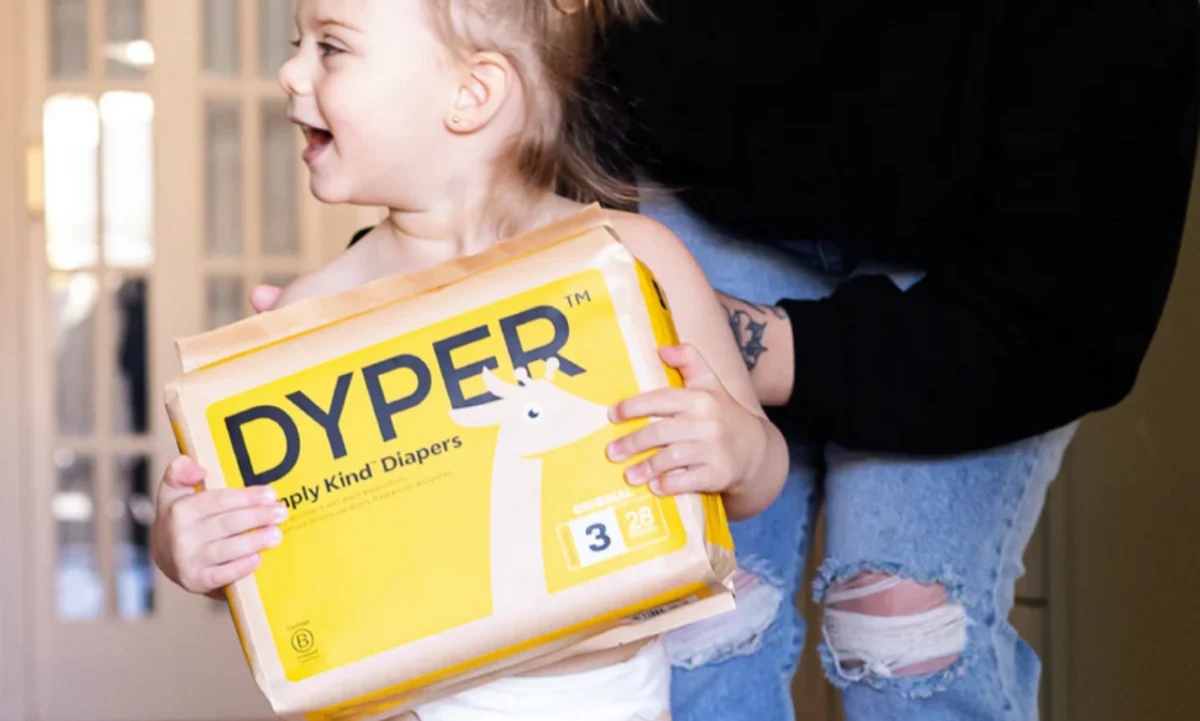
The modern parenting landscape is often defined by a quiet, mounting crisis that resides at the bottom of the household trash bin. For the average family, the logistical challenge of caring for a newborn is compounded by the sheer volume of waste generated by single-use disposable diapers. Statistically, an infant will cycle through approximately 6,000 diapers during their first two years of life. This massive output has turned standard diaper disposal into a significant environmental and public health concern, prompting a shift toward more sustainable, plant-based alternatives that aim to mitigate both the chemical exposure risks to infants and the long-term impact on municipal landfills.
The conventional disposable diaper industry has long relied on a blend of plastics, super-absorbent polymers, and synthetic fragrances. While these materials provide convenience and leak protection, they have faced increasing scrutiny from researchers and environmental advocates. A growing body of scientific literature links the chemical components found in conventional diapers—such as phthalates, volatile organic compounds (VOCs), and various bleaching agents—to potential endocrine and reproductive health issues, as well as chronic skin sensitivities. Despite these concerns, regulatory oversight remains limited. In the United States, the Consumer Product Safety Commission mandates testing for lead content, yet there are currently no federal requirements to disclose or test for the wide array of other chemicals, including known carcinogens or potential endocrine disruptors, that come into direct, prolonged contact with an infant’s skin.
The genesis of a market-wide pivot toward sustainability can be traced back to the personal experiences of entrepreneurs like Tony Patron. As a new parent and an engineer, Patron observed the environmental toll of traditional diapering firsthand, noting the excessive accumulation of non-biodegradable waste in household bins. This realization served as the catalyst for the development of Dyper, a company founded on the principle of decoupling high-performance diapering from plastic-heavy manufacturing. By merging engineering precision with material science, the firm sought to address the dual failures of the status quo: the lack of transparency in chemical ingredients and the unsustainable end-of-life cycle of standard products.
The evolution of this industry follows a clear chronology. Early industry efforts focused on basic absorbency, often ignoring the ecological footprint. In the mid-2010s, as consumer awareness regarding non-toxic products reached a tipping point, a secondary wave of startups emerged, prioritizing "clean" ingredients. By 2020, the focus shifted from simply removing harmful chemicals to closing the loop on the product lifecycle. This era introduced the concept of professionalized composting services for diapers, a feat previously thought logistically impossible at scale.

Central to this shift is the reliance on renewable resources. Modern, high-performance, eco-friendly diapers utilize FSC-certified bamboo and eucalyptus fibers, which offer natural moisture-wicking properties and softness. These materials are processed using methods that minimize the use of harsh chemicals, ensuring the final product meets stringent safety benchmarks such as Oeko-Tex Standard 100 certification and DermaTest 5-Star ratings. The transition to plant-based materials is not merely an aesthetic or marketing choice; it is a fundamental shift in supply chain management that prioritizes biodegradability.
Beyond the product design, the infrastructure surrounding waste management has become a critical pillar of the sustainable diaper movement. The introduction of programs like REDYPER represents a significant step forward in corporate responsibility. By partnering with regional composting facilities, such initiatives allow for the diversion of soiled diapers from landfills, where they would otherwise take centuries to decompose. Instead, these materials are processed in controlled environments where they can break down within 14 to 16 weeks. To date, this specific program has successfully diverted over 14 million pounds of waste from landfills, demonstrating that consumer-led demand for sustainability can drive tangible, large-scale industrial change.
The broader implications of this transition are substantial. If the diaper industry were to shift entirely to compostable, plant-based materials, the reduction in plastic waste would be measured in the millions of tons annually. Furthermore, the push for greater transparency in ingredient labeling sets a new standard for the baby care sector. As parents increasingly demand to know what substances their children are exposed to, manufacturers are being forced to justify the inclusion of synthetic additives. This transparency, once a competitive advantage, is rapidly becoming a baseline expectation for the market.
However, the path to widespread adoption is not without challenges. The primary obstacle remains the current state of municipal composting infrastructure. While large-scale composting of organic waste is growing, the specific technology required to separate and safely compost diaper components is not yet universally available. Consequently, the burden of accessibility often falls on the manufacturer to coordinate specialized collection services. This requires a complex logistical framework that bridges the gap between the end consumer and industrial waste facilities, a model that requires significant capital investment and regulatory cooperation.
From an economic perspective, the sustainability movement in the diaper industry highlights the tension between convenience and cost. While plant-based, compostable diapers often carry a premium price tag, their value proposition extends beyond the individual product. By reducing the frequency of trash pickups, preventing skin-related medical visits, and minimizing the environmental cleanup costs associated with landfills, these products offer a form of "hidden" savings. Furthermore, as the economy of scale improves, the cost difference between traditional plastic diapers and their sustainable counterparts continues to narrow, making the greener choice more accessible to a wider demographic of parents.
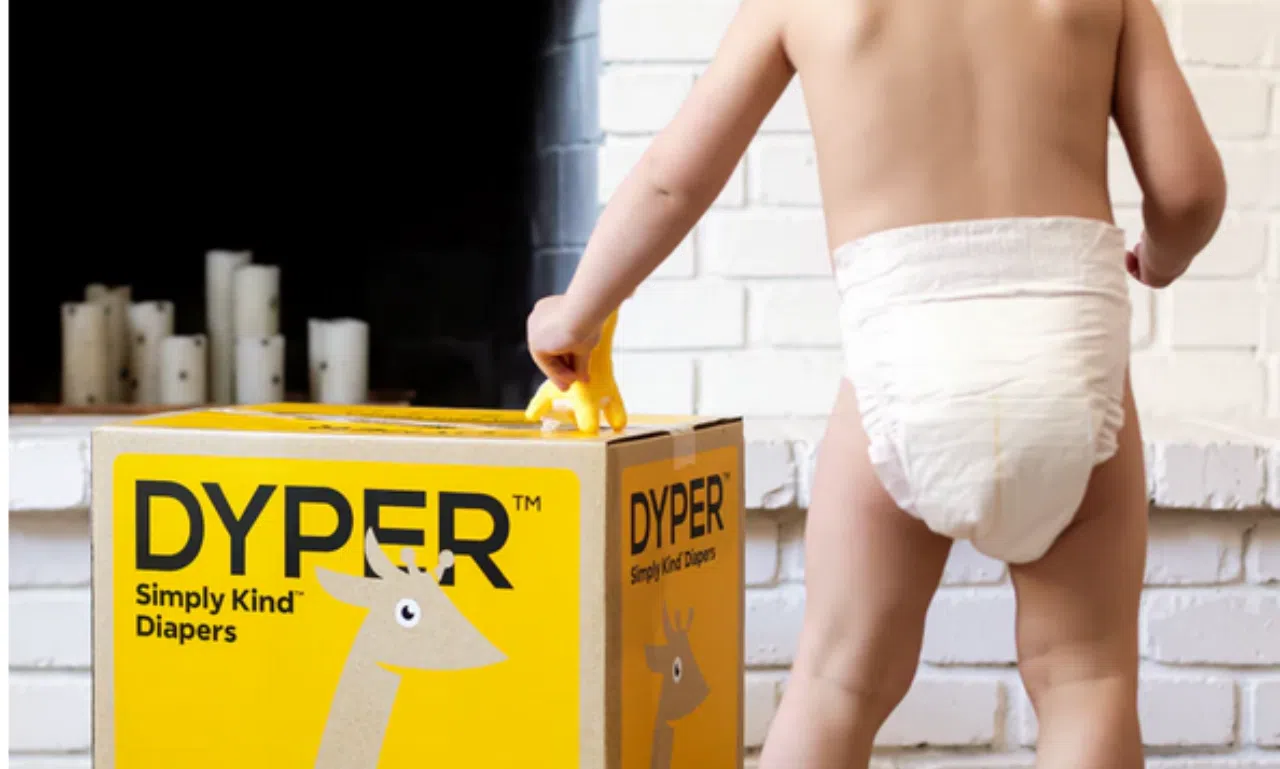
Looking forward, the industry is expected to continue its trajectory toward "cradle-to-cradle" design. This involves not only selecting biodegradable materials but also optimizing the manufacturing process to reduce water usage and energy consumption. Future iterations of these products are likely to incorporate innovations in fastener technology, replacing current non-biodegradable components like velcro with bio-based alternatives. As the technology matures, the ability to maintain high-performance levels—specifically in terms of absorbency and leakage prevention—will remain the gold standard against which all new products are measured.
Ultimately, the rise of companies like Dyper signals a permanent shift in how society views the intersection of personal convenience and planetary health. The industry is proving that it is possible to provide effective, high-performance care for infants without compromising on environmental stewardship. By prioritizing plants over plastic, the sector is challenging the status quo and providing a blueprint for how other consumer goods industries can address their own waste crises.
For the average household, the decision to opt for sustainable diapering is more than a purchase; it is a commitment to a circular economy. As these companies continue to scale and as public infrastructure catches up to private innovation, the dream of a "zero-waste" nursery may soon become a reality. This evolution reflects a broader, necessary movement toward sustainability that transcends simple product trends and addresses the long-term health of both the next generation and the planet they will inherit. Through rigorous material testing, transparent ingredient disclosure, and the creation of innovative, closed-loop waste systems, the diaper industry is undergoing a metamorphosis that aligns modern parenting needs with the urgent requirements of a global environmental crisis. The success of these initiatives serves as a testament to the fact that when industrial innovation is coupled with an unwavering commitment to safety and sustainability, the impact is measurable, significant, and necessary.




 Anjar Salim
 Chandra Hamzah
 Tatiana Tantri Indah Sari
 Budi Mulyono
 Lukman Taruna Persada Ramadan
