
 Chandra Hamzah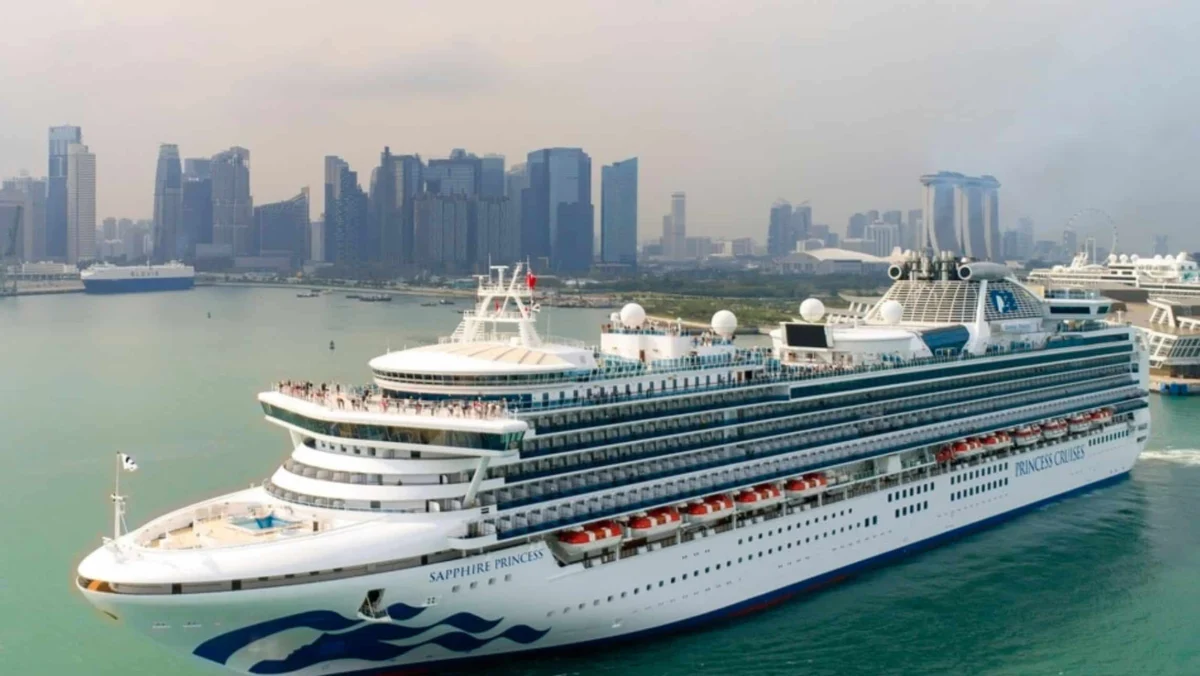
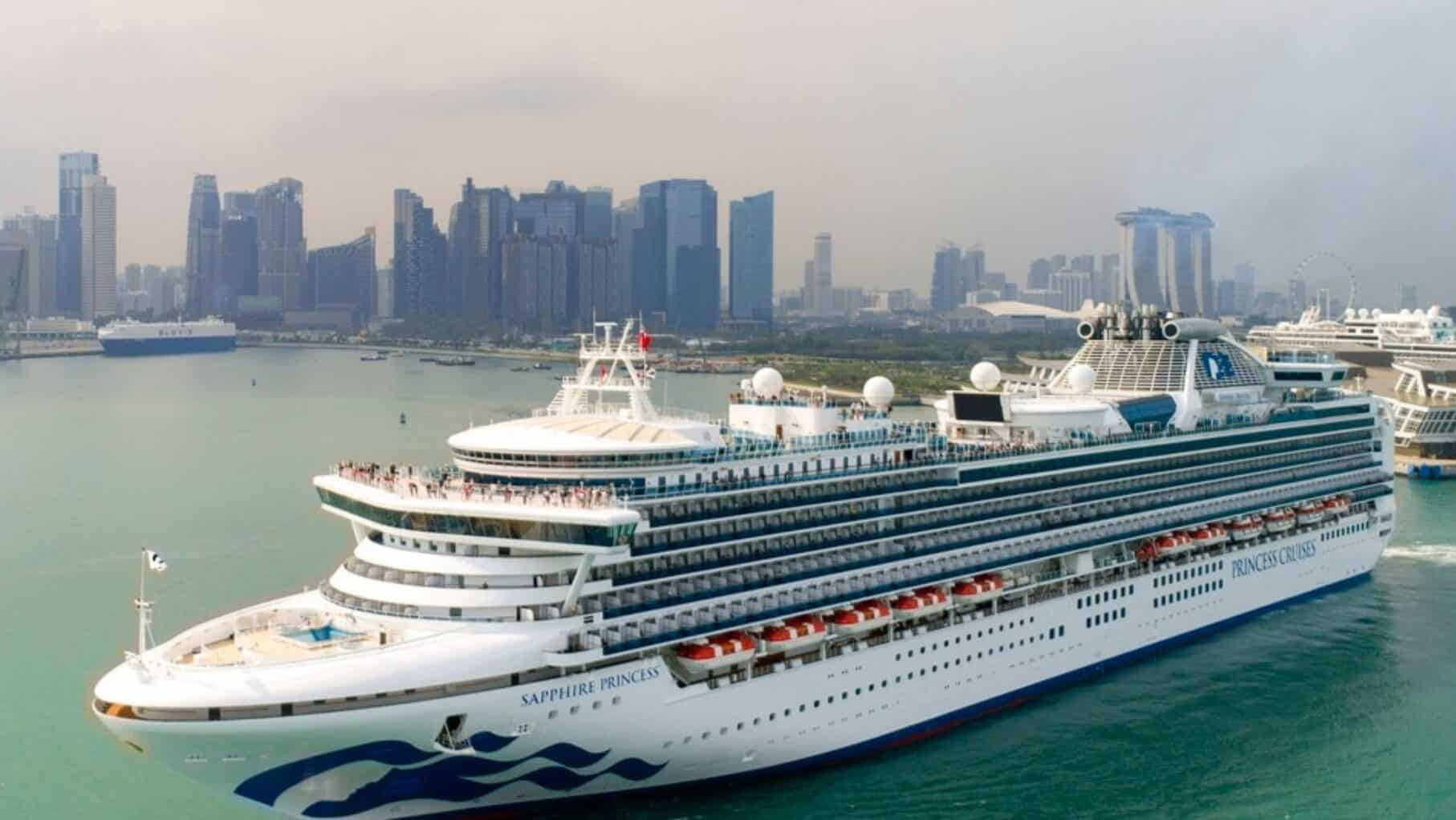
Launched in 2004, the Sapphire Princess remains a cornerstone of the Princess Cruises fleet, representing an era of mid-sized maritime engineering that emphasizes both accessibility and a refined passenger experience. With a gross tonnage of 115,875 and a capacity for 2,670 passengers, the vessel has maintained a consistent operational profile for over two decades. Built by Mitsubishi Heavy Industries in Japan at a cost of approximately USD 400 million, the ship was christened by Nancy Gore Murkowski, the former First Lady of Alaska, cementing its long-standing association with Pacific and Northern hemisphere itineraries.
Historical Context and Operational Chronology
The commissioning of the Sapphire Princess in 2004 marked a significant expansion for the Carnival Corporation & plc subsidiary. As a Gem-class vessel, it was designed to offer a balance between the intimacy of smaller ships and the vast amenities of contemporary mega-liners. Over its 22-year tenure, the ship has undergone multiple dry-dock refurbishments, with the most recent upgrades occurring in 2025 to ensure the vessel meets modern environmental and technological standards.
Historically, the Sapphire Princess has been a global traveler, primarily servicing Asian and European markets. Its operational history is characterized by its adaptability, moving from seasonal Alaska deployments to extensive Japan Explorer routes. Looking ahead, the vessel is scheduled to transition to the Australian market for the 2027/2028 season, with a permanent homeport in Fremantle. This strategic redeployment reflects a broader industry trend of repositioning well-maintained legacy assets to meet rising demand in the Southern Hemisphere cruise market.

Technical Specifications and Engineering
The Sapphire Princess is propelled by a powerful Wärtsilä engine configuration delivering 75 MW, allowing for a cruising speed of 22 knots. Measuring 290 meters (951 feet) in length and 37 meters (121 feet) in beam, the ship’s architecture prioritizes deck space, boasting a passenger-to-space ratio of 43. This metric indicates a relatively comfortable environment even at full capacity, a critical factor for long-haul voyages. The ship comprises 13 passenger-accessible decks and hosts 1,337 staterooms, more than half of which feature private balconies—a design choice that has become a hallmark of the Princess brand.
Culinary Infrastructure and Dining Philosophy
The onboard dining strategy is bifurcated into inclusive traditional service and premium specialty experiences. The Main Dining Room remains the focal point for inclusive service, offering flexible seating arrangements. For passengers in premium categories, the Reserve Collection Dining provides a more intimate, expedited service model.
The ship’s culinary footprint is extensive, featuring the World Fresh Marketplace, which moves away from the static buffet model toward a diverse, global-inspired food hall format. Specialty dining options—though subject to additional fees—are positioned as a revenue-driving and experience-enhancing component of the onboard life. Recognition by organizations such as USA TODAY, which awarded the ship’s Prego Pizzeria "Best Pizza at Sea," underscores the operator’s focus on maintaining high standards for casual, high-volume dining options.
Demographic Engagement: Families and Adults
Princess Cruises has curated the onboard experience to segment guests by age and interest. The youth program is divided into three tiers: Just For Kids (ages 3-7 and 8-12) and Just For Teens (ages 13-17). These programs are heavily integrated with educational partnerships, such as the California Science Center, which provides STEM-based activities like rocket building and astronomical observation.
For adult travelers, the ship offers a dichotomy between high-energy entertainment and serene retreat spaces. The Piazza acts as the central hub for social interaction, while the Lotus Spa and the adults-only Sanctuary serve as the primary venues for wellness. The Sanctuary, characterized by its "Serenity Stewards," represents a significant investment in the "luxury-for-all" segment, providing a controlled, quiet environment that is increasingly demanded by the modern cruise demographic.
Financial and Operational Implications
The business model for the Sapphire Princess relies on a mix of standard cruise fares and ancillary revenue streams. While the base fare covers the essentials—stateroom, meals, and standard entertainment—the introduction of "Princess Plus" and "Princess Premier" packages indicates a strategic shift toward bundled pricing. These packages, which include Wi-Fi, gratuities, and beverage programs, simplify the passenger experience while providing the operator with predictable, recurring revenue per passenger.

The absence of dedicated solo staterooms, a feature found on the newer Sun and Star Princess ships, suggests that the Sapphire Princess is better suited for couples and multi-generational families. However, the operational reality of the ship allows for single-occupancy booking at exclusive rates, maintaining its viability for the solo travel segment.
Market Positioning and Future Outlook
As the cruise industry shifts toward larger, more technologically dense vessels, the Sapphire Princess holds a unique position as a "classic" choice. Its maintenance and refurbishment schedule suggests that the operator intends to keep the vessel in active service for the foreseeable future. The decision to move the ship to the Australian market in 2027 is a calculated move to leverage the ship’s proven reliability in a market that prioritizes longer-duration voyages.

From an industry perspective, the Sapphire Princess serves as a case study in asset longevity. By maintaining a high standard of service, regular technical updates, and a diverse range of onboard activities, the vessel remains competitive against newer ships that rely on sheer scale rather than the established, refined service model that the Sapphire Princess provides.
Summary of Onboard Facilities
- Accommodation: 1,337 total cabins, with over 700 balconies.
- Dining: Main Dining Room, World Fresh Marketplace, Prego Pizzeria, Trident Grill, International Café, and various specialty venues.
- Wellness: Lotus Spa (acclaimed for thermal suites and fitness classes) and the adults-only Sanctuary.
- Entertainment: Princess Theater, Movies Under the Stars, Skywalkers Nightclub, and multiple bars including Vines and Crooners.
- Youth Programs: Age-appropriate zones with specialized educational and recreational programming.
Conclusion
The Sapphire Princess remains a vital asset within the global cruise landscape. Its transition to Australian waters in 2027 marks a new chapter for the ship, signaling a long-term commitment to a vessel that has successfully balanced the demands of high-volume passenger travel with the personalized service expectations of the contemporary cruiser. As the industry evolves, the Sapphire Princess stands as a testament to the enduring appeal of the mid-sized, amenity-rich cruise vessel, offering a consistent and reliable experience for travelers across diverse demographics. Through continued investment in both hardware and service protocols, Princess Cruises ensures that this 22-year-old vessel remains a viable and attractive option in an increasingly crowded maritime marketplace.



 Anjar Salim
 Tatiana Tantri Indah Sari
 Budi Mulyono
 Lukman Taruna Persada Ramadan
