
 Chandra Hamzah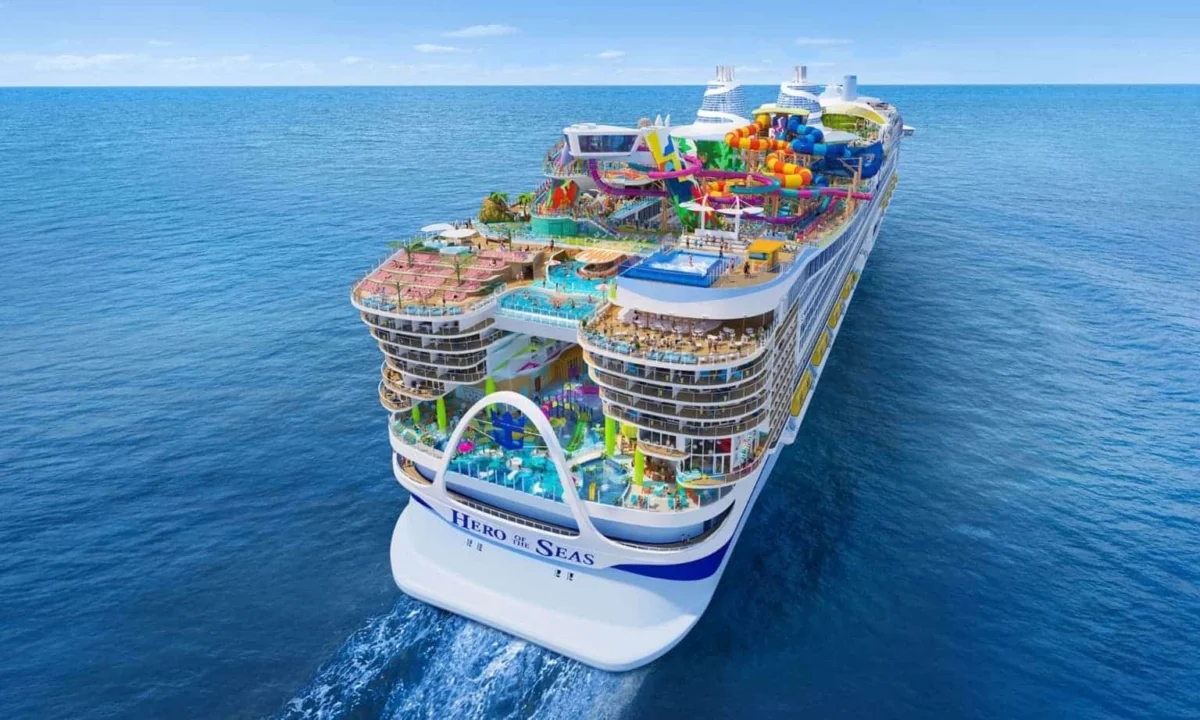
A Milestone in Shipbuilding Engineering
The float-out ceremony, a time-honored maritime tradition, serves as the bridge between the structural assembly phase and the interior outfitting process. As the shipyard gates opened to let the Baltic Sea fill the dock, the massive hull of the Hero of the Seas finally met the water for the first time. The occasion was marked by the traditional firing of ceremonial cannons, a gesture intended to bestow good fortune upon the ship and its future crew.
For the engineers at Meyer Turku, this event is the culmination of years of design and assembly. The ship, which will be tied as the largest cruise vessel in the world upon its completion, represents a pinnacle of maritime architecture. The Icon-class platform, known for its expansive dimensions and complex interior logistics, requires precision engineering to ensure structural integrity while supporting a massive superstructure that includes water parks, multiple neighborhoods, and high-capacity entertainment venues.
The Evolution of the Icon-Class Fleet
The introduction of the Hero of the Seas is the latest development in Royal Caribbean’s aggressive expansion strategy. Since the debut of the inaugural Icon of the Seas in January 2024, the company has maintained a rigorous delivery schedule, intending to launch a new vessel within this class annually. This rapid succession reflects a strategic commitment to dominating the large-ship segment of the global cruise market.
The chronological rollout of the Icon-class series highlights the sheer scale of Royal Caribbean’s investment:
- January 2024: Icon of the Seas enters service, establishing the class as a new benchmark for cruise size and capacity.
- 2025: Star of the Seas joins the fleet, further cementing the class’s dominance.
- 2026: Legend of the Seas follows, continuing the rapid deployment strategy.
- August 2027: Hero of the Seas is scheduled for its inaugural voyage from Miami.
- 2028–2030: Planned deliveries will round out the fleet to a total of seven Icon-class vessels.
By the time the final ship in this series reaches completion in 2030, Royal Caribbean will have fundamentally altered the landscape of the cruise industry, creating an ecosystem of mega-ships that serve as floating destinations in their own right.
Strategic Deployment in the Caribbean
Unlike its predecessors, which often included preliminary sailings in European waters, the Hero of the Seas is slated to bypass the traditional European maiden season. Instead, the vessel will be positioned directly in Miami, Florida, to serve the highly lucrative Caribbean market. This deployment decision is a direct reflection of Royal Caribbean’s broader infrastructure strategy.
The company has invested billions into its own private island destinations, most notably Perfect Day at CocoCay. By concentrating its largest and most technologically advanced ships in the Caribbean, Royal Caribbean creates a seamless, branded experience for its guests. Passengers are not merely choosing a ship; they are entering a vertically integrated vacation experience that transitions from the state-of-the-art amenities on board to the exclusive beach clubs and recreational facilities managed by the cruise line on land.
Amenities and Design Philosophy
While official specifications are still being finalized, the Hero of the Seas is expected to mirror the design philosophy of its predecessors. This includes the hallmark "neighborhood" concept, which divides the ship into distinct zones to manage passenger flow and offer diverse experiences.
Initial reports indicate the ship will feature:
- Nine distinct swimming pools: Catering to different demographics, from quiet adult-only zones to high-energy water parks.
- 28 dining venues: A mix of casual and fine-dining options designed to satisfy the varying preferences of over 5,000 guests.
- Advanced entertainment technology: Leveraging the same stagecraft and audiovisual capabilities that have become synonymous with the Icon-class brand.
The sheer volume of these amenities is designed to address the challenges of "ship density," ensuring that even at maximum capacity, passengers have access to a wide array of activities without feeling the constraints of traditional vessel layouts.
Market Implications and Future Competition
The rise of the Icon-class vessels has not gone unnoticed by competitors. Major cruise lines, including MSC Cruises and Carnival Corporation, are currently exploring their own designs for next-generation, high-capacity vessels. Analysts suggest that the race for "the world’s biggest ship" is more than just a marketing gimmick; it is a battle for operational efficiency. Larger ships, when managed correctly, offer significant economies of scale, allowing for lower per-passenger costs and higher revenue potential through onboard spending.
However, this growth comes with risks. The infrastructure required to support these massive ships—including specialized port facilities, dredging requirements, and complex logistics chains—limits the number of ports globally that can accommodate them. Royal Caribbean’s focus on Miami and its private islands is a pragmatic response to these limitations. By controlling the ports of call, the cruise line avoids the logistical headaches of relying on third-party harbor infrastructure that may not be equipped to handle such massive passenger volumes.
Industry Perspectives
Industry experts view the Hero of the Seas as a litmus test for the long-term viability of the mega-ship model. While consumer demand for these "cities at sea" remains at an all-time high, the environmental and economic sustainability of such massive projects will remain a point of focus for regulators. Royal Caribbean has emphasized that its new ships incorporate the latest in energy-efficient technology, including LNG (liquefied natural gas) propulsion, which reduces emissions compared to traditional marine fuels.
From a commercial standpoint, the bookings for the Hero of the Seas indicate a robust appetite for premium, large-ship cruising. The ability to reserve cabins years in advance has become a standard feature for these vessels, signaling high brand loyalty and confidence among the cruise line’s customer base.
The Path Forward
As the Hero of the Seas moves into the final stages of construction, the focus at the Meyer Turku shipyard will shift toward the installation of complex systems, interior finishes, and final sea trials. These trials are critical, as they test the vessel’s propulsion, maneuverability, and safety systems in real-world conditions.
The success of the Icon-class program is not merely a victory for Royal Caribbean; it is a significant indicator of the current trajectory of the global travel industry. As the line moves toward its goal of seven such ships by 2030, the company is effectively rewriting the definition of a cruise vacation. Whether competitors will successfully challenge this dominance or whether the industry will see a shift in focus toward smaller, boutique experiences remains an open question. For now, the Hero of the Seas stands as a testament to the scale of human ambition in the maritime sector and a harbinger of the next era of ocean travel.
With the float-out complete, the ship is no longer just a blueprint or a collection of steel plates; it is a functioning vessel entering the final stretch of its journey toward the sea. Prospective guests can now secure their place on upcoming itineraries, marking the beginning of what is expected to be a highly anticipated addition to the Royal Caribbean fleet. As August 2027 approaches, the maritime world will keep a watchful eye on Turku, observing the final steps of a ship destined to reshape the Caribbean cruise landscape.



 Anjar Salim
 Tatiana Tantri Indah Sari
 Budi Mulyono
 Lukman Taruna Persada Ramadan
