
 Chandra Hamzah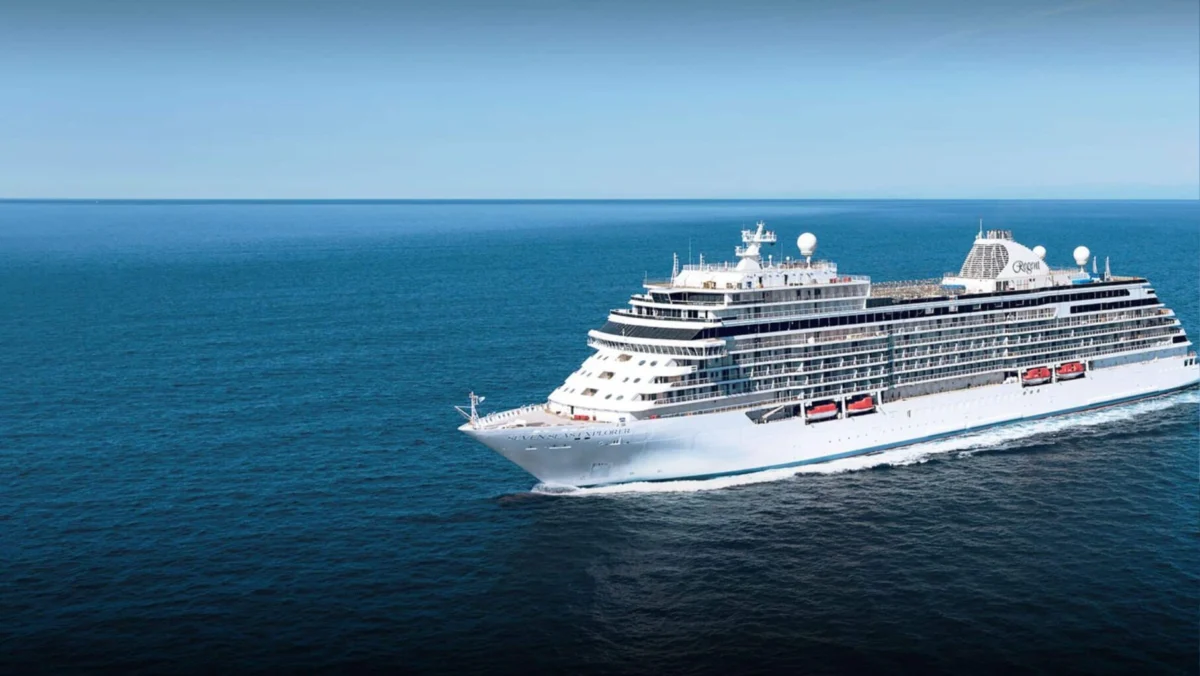
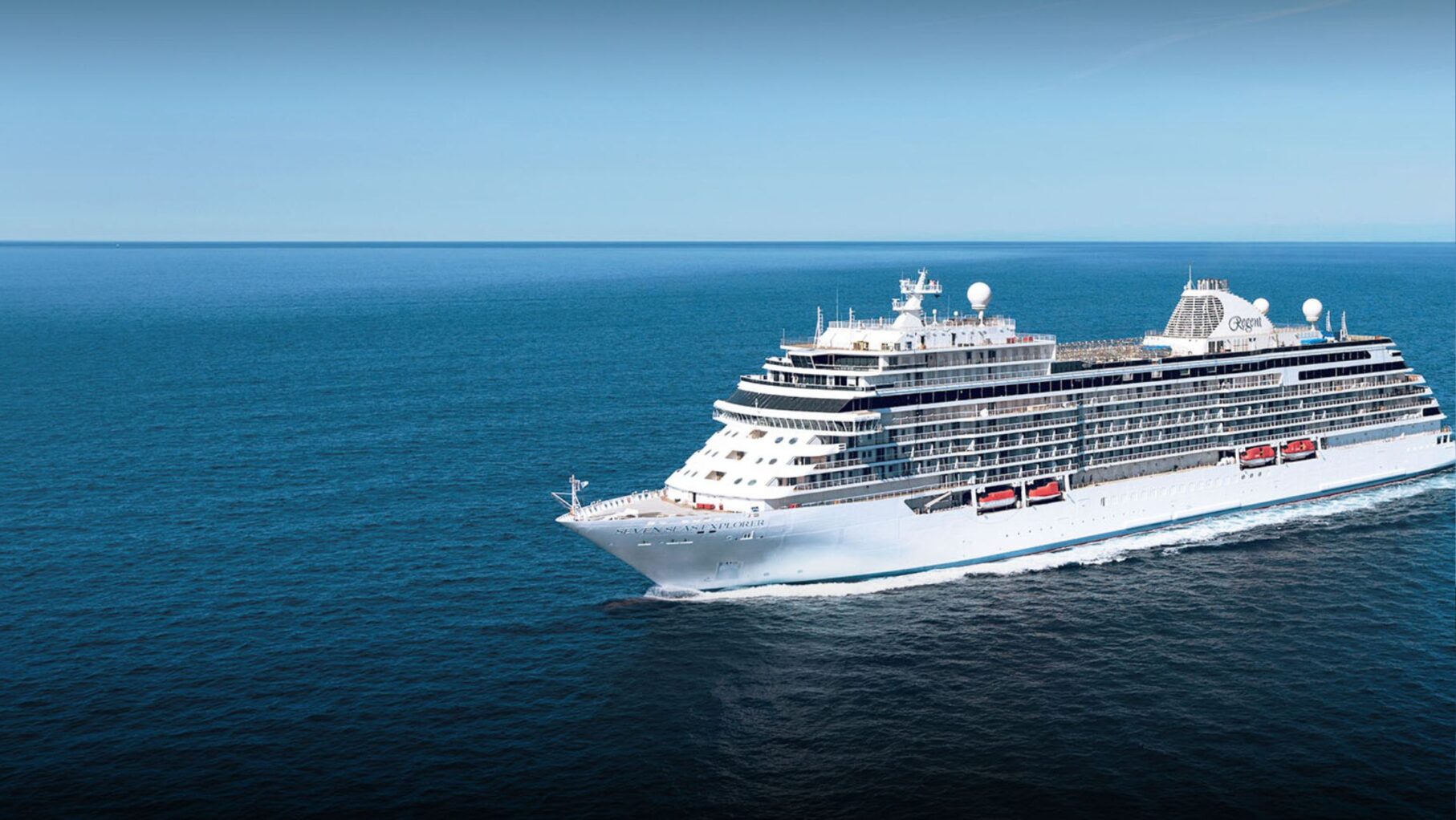
The Seven Seas Explorer, frequently cited in industry reports as one of the most luxurious cruise ships ever constructed, represents a hallmark of the ultra-luxury segment within the global maritime travel industry. Launched in 2016 by Regent Seven Seas Cruises—a subsidiary of Norwegian Cruise Line Holdings Ltd—the vessel was built by the Fincantieri shipyard in Sestri Ponente, Genoa, Italy. With an initial construction cost of EUR 400 million (approximately USD 450 million), the ship was designed to redefine the expectations of high-net-worth travelers by blending residential-style comfort with the logistical efficiency of a large-scale cruise vessel.
Chronology and Development
The genesis of the Seven Seas Explorer began with a mandate to create an unrivaled vessel that prioritized space and service ratios above standard industry metrics. Upon its completion in 2016, the ship was christened by Her Royal Highness Princess Charlene of Monaco, a gesture that signaled its positioning within the top tier of the luxury market. The vessel, which sails under the Marshall Islands flag, underwent a comprehensive refurbishment in 2023 to ensure its interiors and technological systems remain aligned with the evolving standards of the ultra-luxury demographic. The Explorer class has since expanded to include sister ships—the Seven Seas Splendor and the Seven Seas Grandeur—solidifying a unified design language across the fleet.
Ship Specifications and Technical Data
The Seven Seas Explorer measures 224 meters (735 feet) in length with a beam of 31 meters (102 feet). It possesses a gross tonnage of 55,254 gt and maintains a service speed of 22 knots (41 km/h). Central to its appeal is the guest-to-space ratio, which is among the highest in the industry at 68, ensuring that common areas and suites never feel crowded. The ship spans 13 decks, 7 of which are dedicated to guest accommodations. With a capacity ranging from 754 to 829 passengers, supported by a crew of 552, the vessel achieves a near-one-to-one staff-to-guest ratio, a critical component of the personalized service model promised to its clientele.

2025/2026 Operational Strategy
For the 2025/2026 cruise season, Regent Seven Seas Cruises has strategically deployed the Seven Seas Explorer across a diverse range of global markets. The itinerary planning reflects a shift toward experiential luxury, with scheduled voyages covering the glacial regions of Alaska, the complex cultural hubs of Asia, and extensive coastal circuits around Australia and New Zealand. By focusing on these high-demand regions, the operator aims to leverage the vessel’s unique ability to navigate smaller ports while providing a comprehensive, all-inclusive luxury experience that differentiates it from larger mass-market cruise lines.
Culinary Architecture and Gastronomic Standards
The onboard culinary program is defined by its all-inclusive nature, which is a cornerstone of the Regent value proposition. The dining ecosystem is segmented into several specialized venues, each designed to offer distinct atmospheric and epicurean experiences. The Compass Rose functions as the flagship dining room, utilizing a modular, flexible menu design that permits guests to curate their own entrées.

Specialized venues further enhance the ship’s profile:
- Chartreuse: A French-inspired fine dining establishment focusing on traditional techniques and high-end ingredients such as foie gras.
- Prime 7: A refined steakhouse environment catering to a traditional luxury market with high-grade, thick-cut proteins.
- Pacific Rim: A pan-Asian venue that emphasizes architectural aesthetics—often featuring intricate, Zen-inspired décor—alongside a menu of dim sum and specialized sushi.
- Sette Mari at La Veranda: An Italian-focused venue that transitions from a casual daytime buffet to an elevated evening dining room.
- Casual and supplemental options, including the Pool Grill and the Coffee Connection, provide high-frequency service for guests throughout the day, while in-suite dining options allow for private, white-glove service.
Onboard Amenities and Demographic Targeting
The vessel targets a demographic that values privacy, wellness, and intellectual stimulation. The Serene Spa & Wellness center offers a comprehensive suite of hydrotherapy, massage, and facial treatments. Educational and skill-based activities are provided through the Culinary Arts Kitchen, which offers hands-on instructional courses, and the Constellation Theatre, which hosts high-production entertainment.
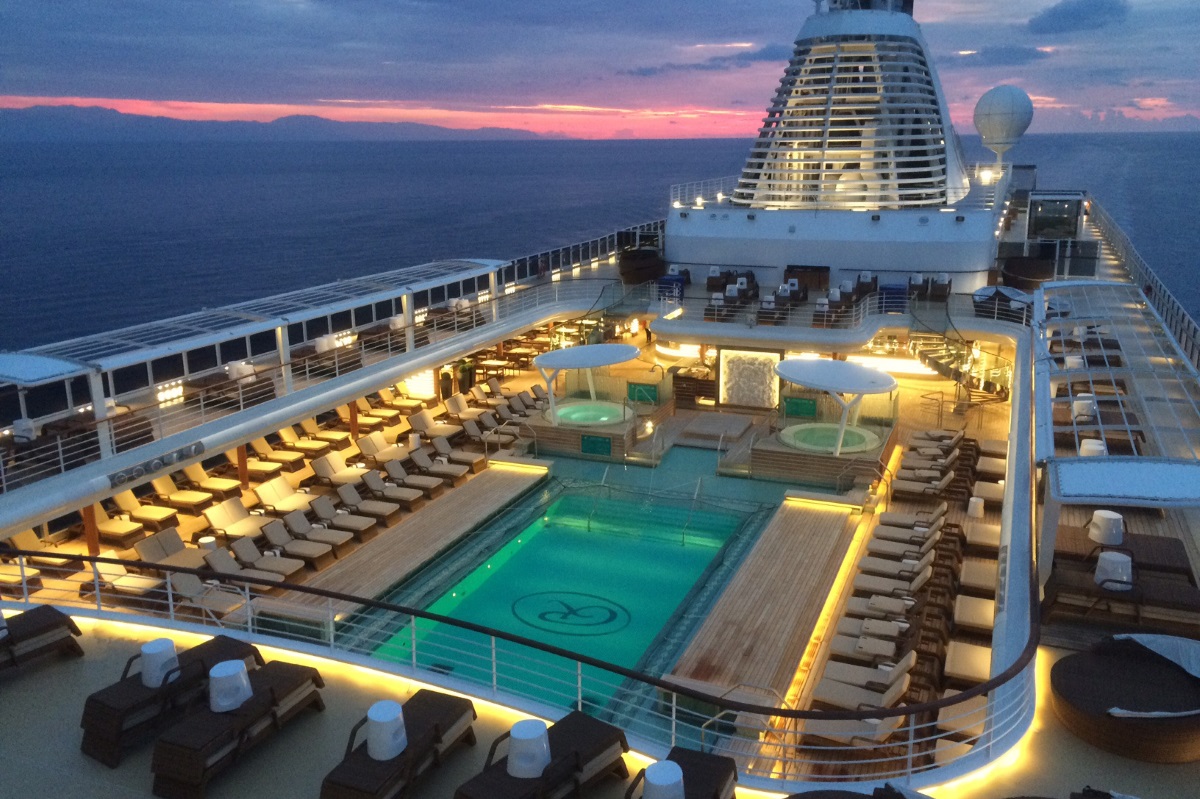
For families, the ship maintains the Club Mariner Youth Program, specifically during select seasonal windows. This initiative provides structured engagement for guests aged 5 to 17, including scavenger hunts and age-appropriate social activities, ensuring that even in an adult-oriented environment, multi-generational travel is accommodated. Additional amenities include a full-service casino, multiple lounges for live music, and a sports deck equipped for activities such as bocce ball and shuffleboard.
Accommodation Hierarchy
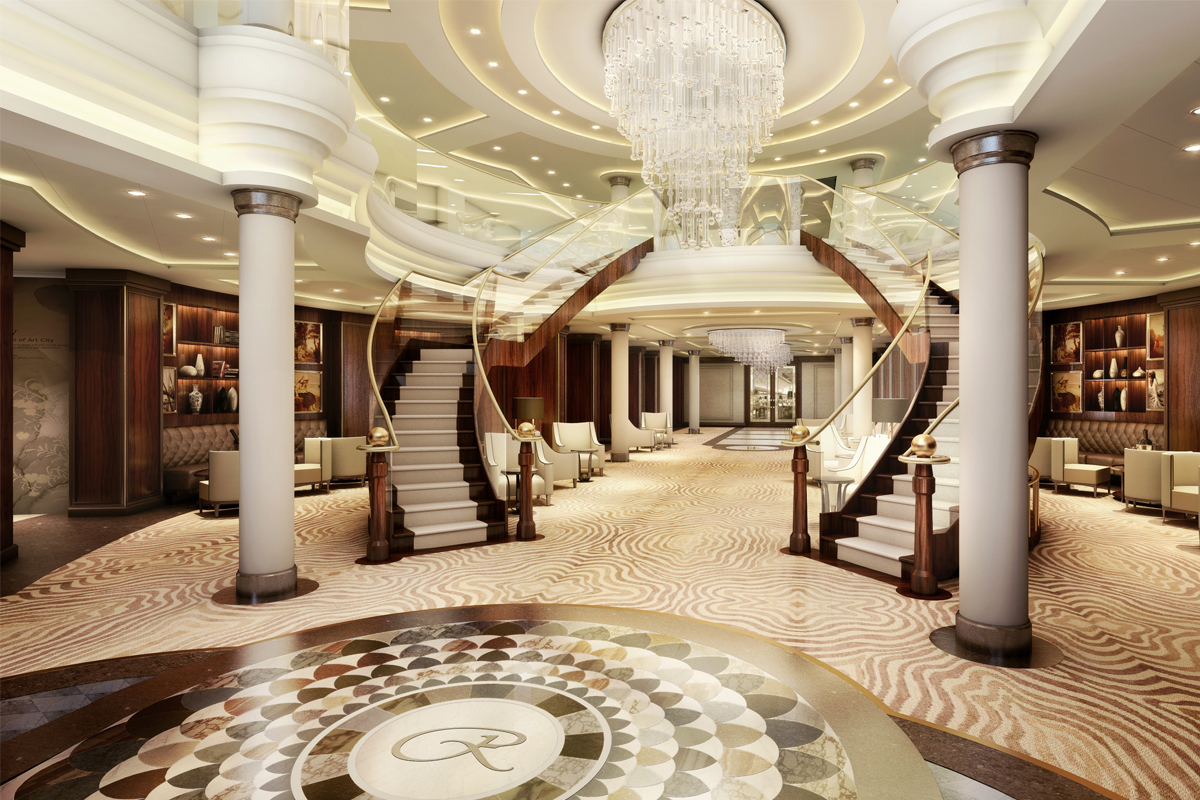
A primary feature of the Seven Seas Explorer is its "all-suite" configuration. Every cabin on the vessel includes a private, wrap-around balcony, a walk-in wardrobe, and a marble-clad bathroom. The accommodation tiers are structured to provide varying levels of service and space:

- Entry-level: The Veranda and Deluxe Veranda Suites provide the foundational luxury experience with modern, sleek aesthetics.
- Mid-range: Superior and Concierge Suites offer expanded floor plans and additional guest benefits, such as priority shore excursion booking and pre-cruise hotel stays.
- High-end: The Penthouse, Seven Seas, and Explorer Suites offer butler service and increased living space for extended voyages.
- Ultra-premium: The Grand and Master Suites serve as the pinnacle of comfort, offering multi-bedroom configurations and expansive entertaining areas.
- The Regent Suite: Spanning 4,000 square feet, this suite represents the peak of the ship’s inventory, featuring a private in-suite spa, original artwork, and a dedicated car and driver service for every port of call.
Broader Industry Implications
The operation of the Seven Seas Explorer signals a continued shift in the cruise industry toward "experiential exclusivity." As travelers increasingly demand higher levels of personalization and higher quality-to-price ratios, the model employed by Regent—which bundles excursions, dining, and luxury services—is becoming a benchmark.
The logistical success of the Seven Seas Explorer, as evidenced by its high occupancy rates and positive industry reception, suggests that the market for ultra-luxury, small-to-mid-sized vessels remains robust. By maintaining a high staff-to-guest ratio and investing in continuous refurbishment, operators like Norwegian Cruise Line Holdings are able to command premium pricing. This approach effectively insulates the brand from the volatility of mass-market cruise cycles, as the target consumer base remains largely focused on service quality and itinerary exclusivity rather than price sensitivity.
In summary, the Seven Seas Explorer occupies a critical space in the contemporary cruise market. It operates not merely as a mode of transport, but as a destination in itself. By balancing the technical requirements of a global vessel with the refined service expectations of the luxury travel market, it continues to serve as a primary revenue driver for its parent company and a leading example of high-end maritime hospitality. As the 2025/2026 season approaches, the focus remains on sustaining the standard of excellence that defined its launch, ensuring that the vessel remains competitive in an increasingly crowded and sophisticated cruise sector.



 Anjar Salim
 Tatiana Tantri Indah Sari
 Budi Mulyono
 Lukman Taruna Persada Ramadan
