
 Anjar Salim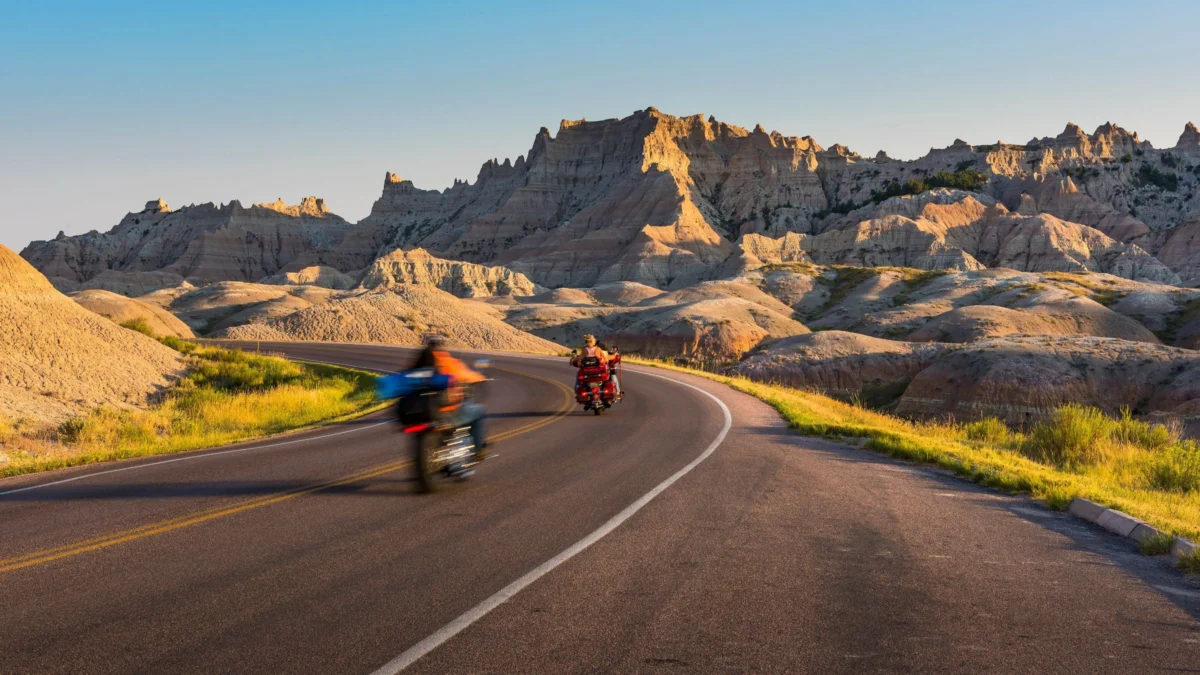
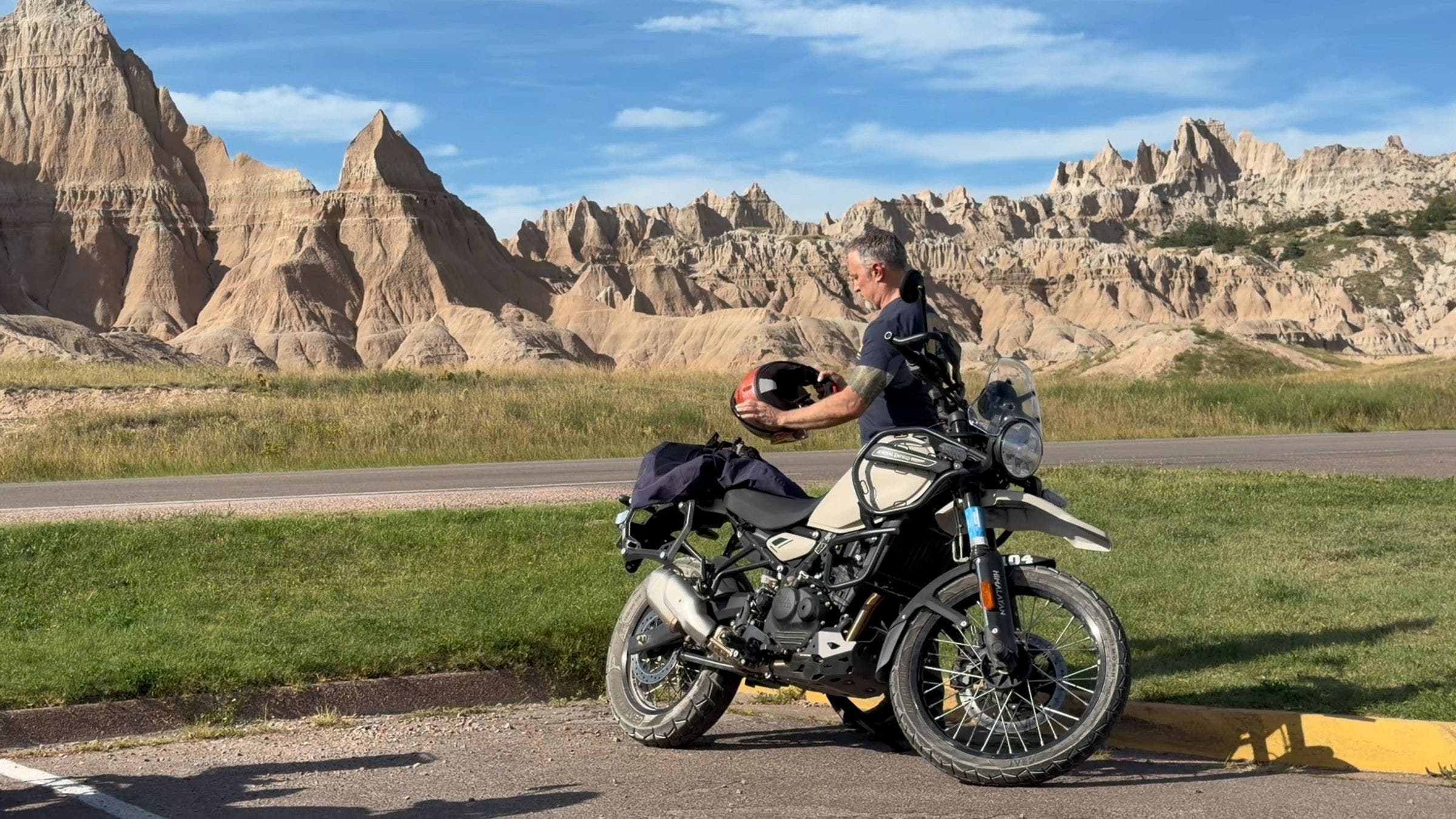
The intersection of rugged topography, established vehicular infrastructure, and expanding tourism initiatives has positioned South Dakota as a leading destination for novice adventure motorcyclists. Recent travel logs from the region highlight the viability of combining vintage-style dual-sport motorcycles with the state’s diverse geography, ranging from the surreal rock formations of Badlands National Park to the dense, winding corridors of the Black Hills National Forest. As regional tourism statistics indicate an upward trend in localized motorcycle excursions, industry analysts note that the state’s unique combination of designated scenic byways and maintained off-highway vehicle (OHV) roads provides a controlled yet authentic proving ground for riders entering the sport later in life.
Chronology of the Three-Day Regional Exploration
The trajectory of a typical contemporary introductory motorcycle expedition in South Dakota follows a structured multi-day progression, moving from flat terrain to technical mountain tracks.
Day One: Arrival and Regional Transit
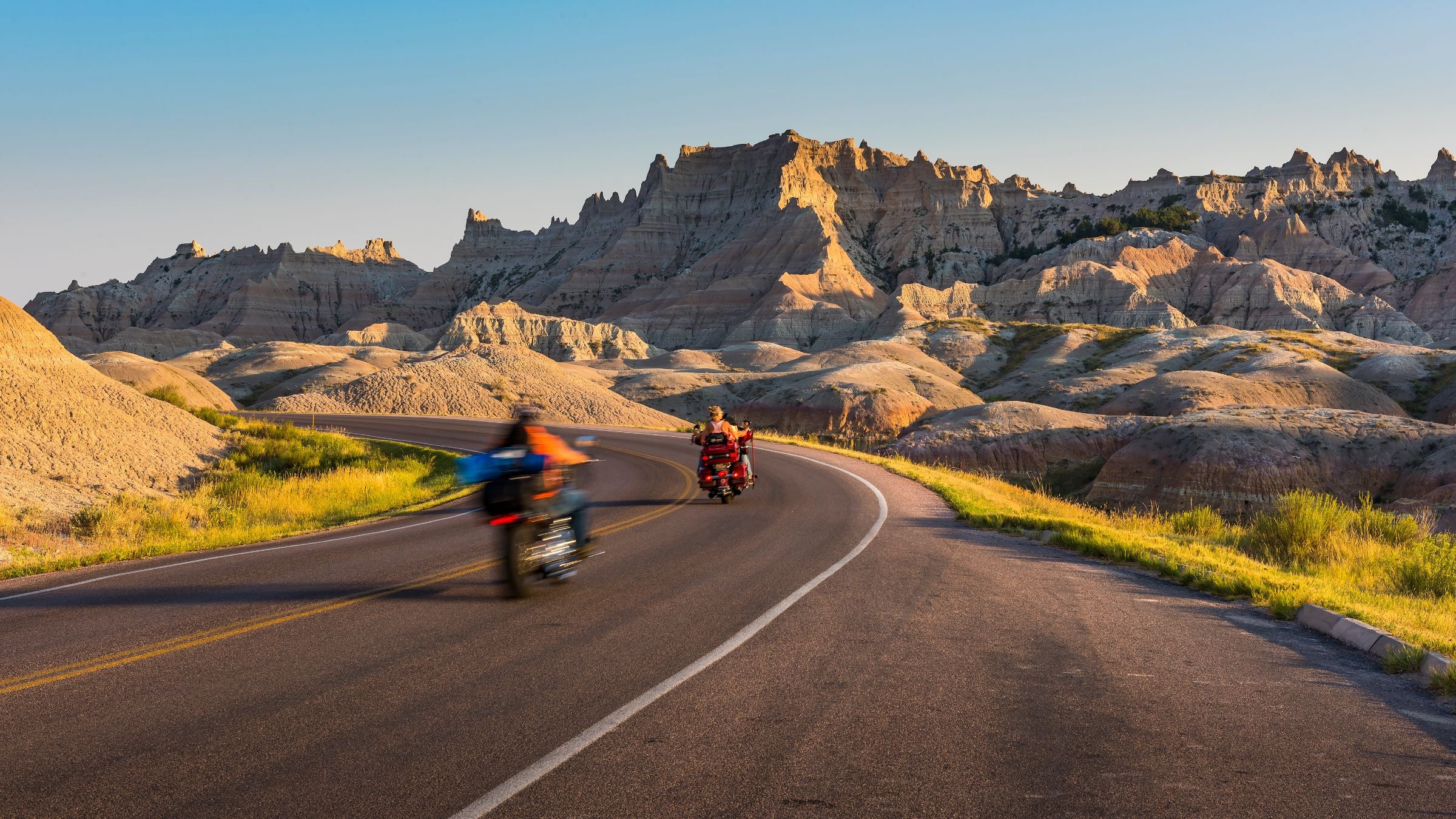
The journey traditionally commences in Rapid City, serving as the commercial and logistical basecamp for travelers entering the Black Hills region. Following equipment acquisition and route planning, riders typically navigate the eastern transitional zones, traversing approximately 50 miles of straight, open highway toward Badlands National Park. This initial leg tests a rider’s acclimation to sustained highway speeds and crosswinds before transitioning into the lower-speed, geologic expanse of Sage Creek Road and the paved Scenic Loop.
Day Two: Mountain Infrastructure and Technical Ascent
The second phase shifts westward into the heart of the Black Hills. Routes frequently incorporate Iron Mountain Road, a 17-mile stretch engineered in the 1930s featuring tight switchbacks, pigtail bridges, and tunnels specifically aligned to frame Mount Rushmore. The afternoon generally involves transitioning from paved byways to the gravel and dirt access roads of Custer State Park and the broader Black Hills National Forest, introducing newer riders to variable-traction surfaces, inclines, and minor technical obstacles.
Day Three: Backcountry Navigation and Departure
The final phase focuses on backcountry exploration, utilizing GPS-assisted mapping within the 1.25-million-acre national forest. Navigational discrepancies between digital mapping applications and physical forestry dead-ends often present logistical challenges, requiring riders to employ basic backtracking and route-recalculation strategies before returning to Rapid City for equipment return.
Supporting Data and Regional Infrastructure
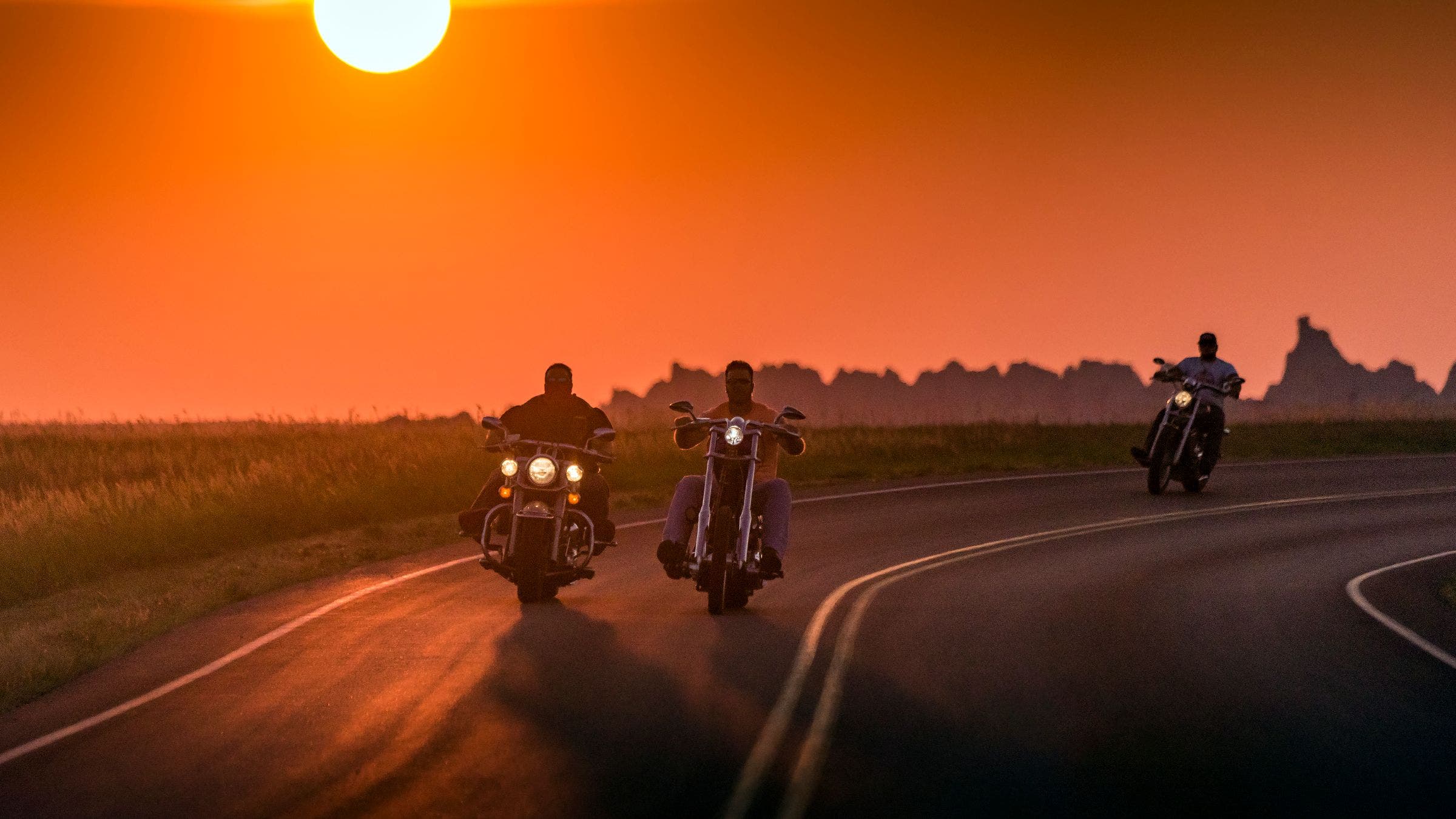
South Dakota’s appeal to the motorcycling community is underpinned by significant commercial and civil infrastructure, largely catalyzed by the annual Sturgis Motorcycle Rally, which draws hundreds of thousands of visitors to the state each August. According to regional tourism boards, motorcycle tourism generates tens of millions of dollars annually, prompting local municipalities and park services to maintain dedicated amenities for two-wheeled travelers.
Rental agencies in Rapid City, such as Vintage Rides, report a steady increase in clients utilizing mid-displacement adventure motorcycles—specifically models in the 400cc to 500cc range, such as the Royal Enfield Himalayan. These machines are selected for their balanced power-to-weight ratio, upright ergonomics, and capability to transition between paved highways and unpaved double-track roads without overwhelming operators who have recently completed certification programs through organizations like the Motorcycle Safety Foundation (MSF).
Safety Protocols and Professional Training
Industry safety advocates emphasize the critical role of structured education for adults entering motorcycling mid-life. The MSF reports a consistent demographic shift, with a growing percentage of novice license applicants falling into the 40-to-60 age bracket.
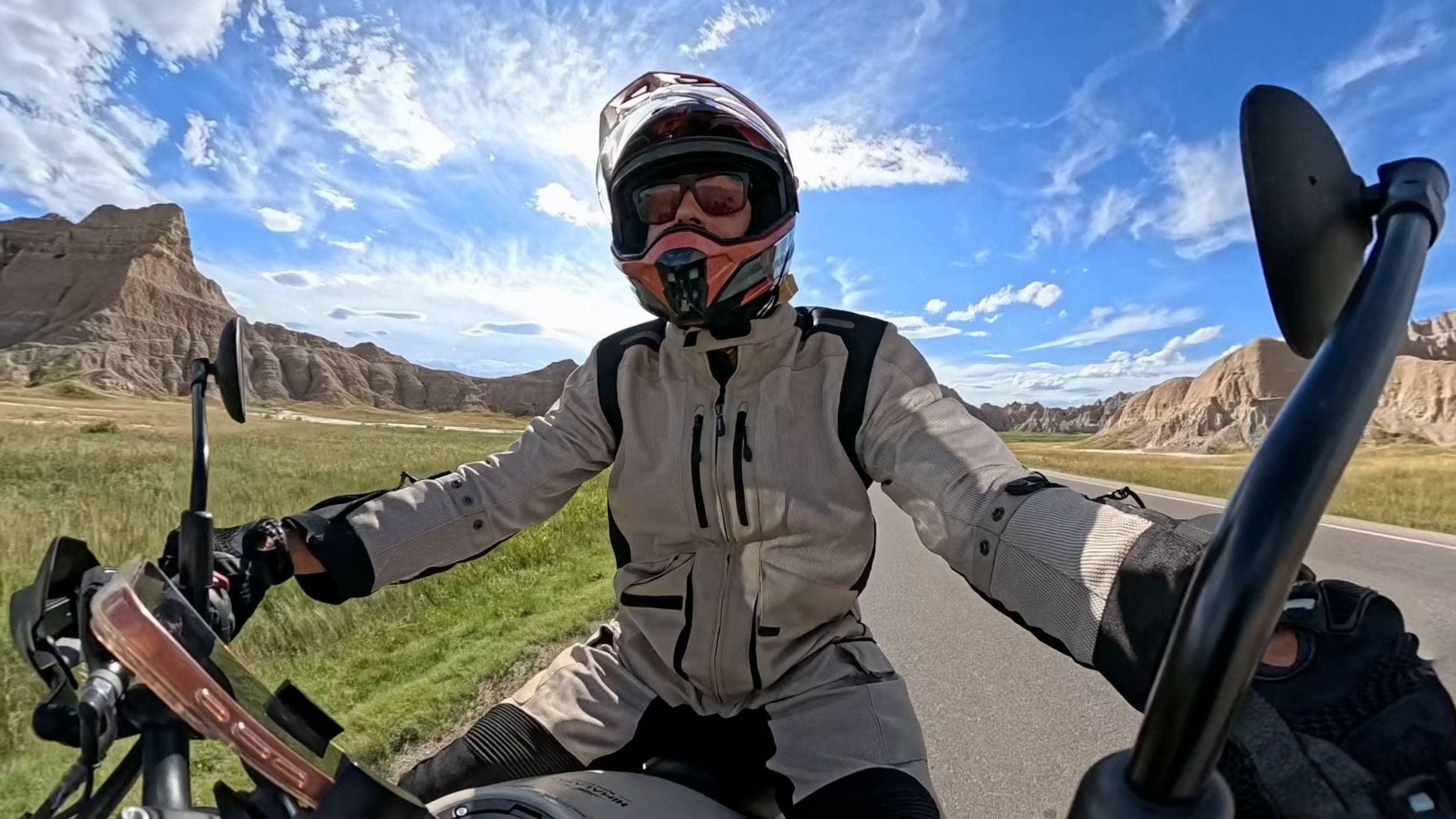
Professional training courses, standardized across two-day curricula, focus on foundational vehicle control, emergency braking, low-speed maneuverability, and hazard avoidance. Data from highway safety commissions indicate that formal rider education significantly reduces the incidence of single-vehicle accidents during a rider’s first operational year. Furthermore, safety experts recommend outfitting newer riders with comprehensive protective gear—including armored jackets, riding pants, boots, and full-face helmets—to mitigate the physical risks associated with low-speed tip-overs common on loose gravel and technical dirt tracks.
Economic and Tourism Implications
The integration of adventure motorcycle tourism into South Dakota’s broader travel economy highlights a diversification of the state’s visitor base. While historically associated with traditional cruiser rallies, the region is increasingly capturing the adventure-travel segment, which emphasizes outdoor recreation, localized exploration, and multi-sport itineraries (such as combining motorcycling with hiking and paddle sports at locations like Sylvan Lake).
Local hospitality and service sectors have adapted to this demographic by offering secure overnight parking, specialized gear-storage solutions, and integrated park-pass packages. Economists suggest that this trend extends the traditional tourism season beyond the peak summer months, providing sustained economic activity for gateway communities throughout the Black Hills corridor.
Broader Impact on Adventure Travel Trends
The rising popularity of domestic adventure motorcycling reflects a broader cultural shift among older demographics seeking experiential travel and skill acquisition. Rather than traditional sedentary vacations, travelers are increasingly drawn to activities that offer a calculated degree of physical and mental engagement.
Industry observers note that regions capable of supporting this demographic—characterized by low population density, well-marked scenic routes, and robust rental infrastructure—are likely to see continued growth in specialized tourism sectors. For South Dakota, the convergence of accessible topography and established support systems ensures that the state will remain a primary testing ground for individuals embarking on motorized backcountry exploration.




 Chandra Hamzah
 Tatiana Tantri Indah Sari
 Budi Mulyono
 Lukman Taruna Persada Ramadan