
 Anjar Salim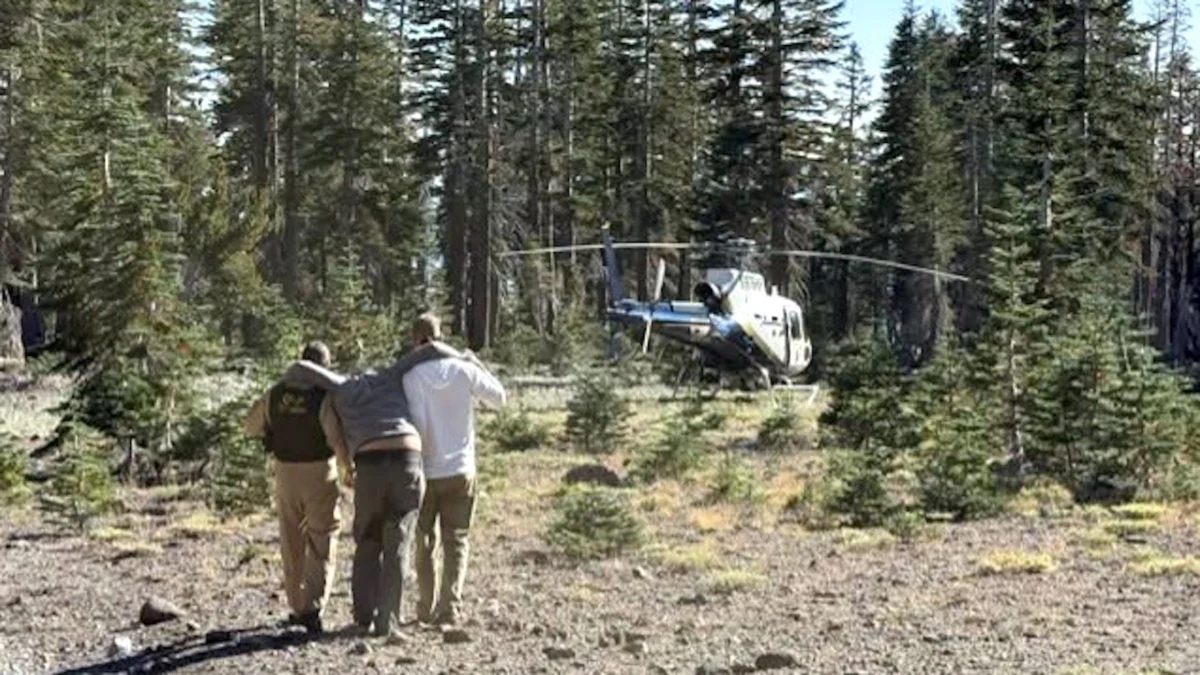
The towering volcanic slopes of Mount Shasta in Northern California once again proved that even non-technical routes can swiftly transition from a rewarding alpine adventure into a life-threatening ordeal. On September 10, a mountaineer from San Jose, California, successfully reached the summit of the 14,179-foot stratovolcano, accomplishing the easiest portion of what would become a harrowing multi-day rescue operation. According to official incident reports released by the Shasta-Trinity National Forest Service (STFS), the climber’s troubles began on his descent down Avalanche Gulch, the mountain’s most heavily traveled route, when a routine technique turned catastrophic.
What followed was a grueling test of endurance, featuring an uncontrolled 500-foot slide, severe physical trauma, a dead cellular device, and an overnight crawl through subalpine terrain in bare feet. The incident has prompted renewed warnings from local search and rescue authorities regarding late-season climbing hazards, proper equipment management, and the critical importance of reliable communication protocols in remote wilderness areas.
Chronology of an Alpine Emergency: A Timeline of Events
The unfolding crisis on Mount Shasta followed a timeline that highlights how quickly mountain conditions and equipment failures can compound into a critical emergency.
September 10: The Ascent and Summit
The unnamed San Jose climber began his journey up Mount Shasta, timing his ascent to reach the peak during the evening hours. According to the Shasta-Trinity National Forest Service, the climber successfully summited the mountain at approximately 7:30 P.M. However, timing the summit for early evening left the mountaineer with virtually no daylight for the descent, a critical miscalculation given the rugged terrain of Avalanche Gulch.
September 10 (Late Evening): The Accident
Following his summit success, the climber opted to glissade down the steep snowpack of Avalanche Gulch to expedite his descent. Glissading—the practice of sliding down a snow slope on one’s feet or seat, often controlled with an ice axe—is common among mountaineers seeking to bypass tedious hiking on loose scree. However, the climber lost control of his trajectory and plummeted approximately 500 vertical feet down the slope. The high-speed slide resulted in severe lacerations and trauma to both of his feet.
September 10–11 (Night): The Barefoot Crawl
In the aftermath of the fall, the climber faced a physiological crisis. High-altitude trauma frequently causes rapid and severe tissue swelling, which turns rigid mountaineering boots into instrumentations of torture. Recognizing that he could no longer wear his footwear, the injured mountaineer made the difficult decision to remove his boots. Facing a dead cellular device that expired shortly after his summit push, he began crawling and walking barefoot through the dark night, navigating the remainder of Avalanche Gulch down to Horse Camp, a historic alpine refuge situated at approximately 7,900 feet.
September 11 (Afternoon): The Search is Triggered
When the climber failed to check in with his designated contacts on September 11, his friends grew deeply concerned. Demonstrating preparedness by having established a communication and check-in plan, they contacted the Siskiyou County Sheriff’s Office to report him missing. At approximately 2:00 P.M. that same day, an organized search operation was officially launched, involving Mount Shasta Climbing Rangers, Siskiyou County Search and Rescue, and a California Highway Patrol (CHP) helicopter unit.
September 11 (Mid-Afternoon): Discovery and Airlift
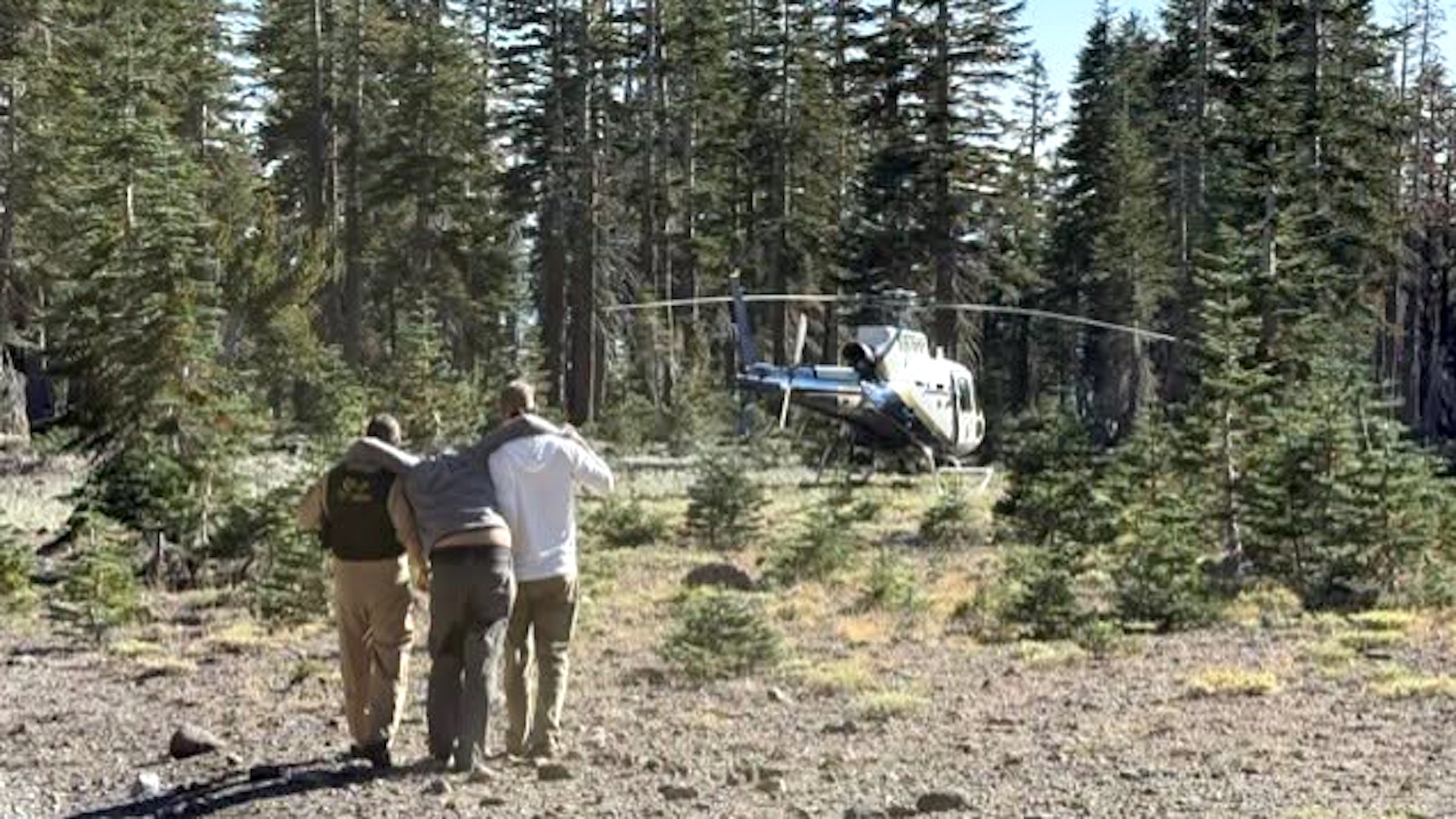
Just two hours into the official search, at approximately 4:00 P.M., a chance encounter altered the trajectory of the rescue. A civilian hiker passing through Horse Camp discovered the missing, barefoot climber at the historic cabin. The hiker immediately notified authorities. Rescuers arrived, evaluated the extensive injuries to the man’s feet, and arranged for a CHP helicopter to airlift him from Horse Camp directly to a regional hospital for emergency medical treatment.
Anatomy of the Route: Why Avalanche Gulch Demands Respect
Mount Shasta is widely celebrated as one of California’s premier alpine playgrounds. Dominated by seven year-round glaciers that cling to its flanks, the peak serves as an invaluable training ground for novice and intermediate mountaineers looking to master crampon use, ice axe self-arrest, and high-altitude travel. Among its various routes, Avalanche Gulch stands out as the historic, classic, and most popular line to the summit, seeing thousands of ascension attempts annually.
Despite its popularity and lack of technical rock-climbing obstacles, Avalanche Gulch is far from a benign walk-up. The Mount Shasta Avalanche Center (MSAC) characterizes the route as a rigorous undertaking that demands a relentless 7,000-foot vertical ascent. Climbers are perpetually exposed to steep snowfields, hard-packed ice, potential rockfall, and rapidly shifting extreme weather.
"The climb to the summit is steep and rigorous, requiring crampons, a mountain axe, helmet, and basic snow travel skills," the Mount Shasta Avalanche Center noted in its public route descriptions. "Don’t consider this route a cakewalk."
Furthermore, seasonal timing dramatically alters the safety profile of Avalanche Gulch. According to MSAC data, the optimal window for climbing the route safely spans from April through June, occasionally extending into July. During these months, the snowpack is consolidated, and the route is well-insulated. Conversely, attempting the route from August through November introduces severe environmental hazards.
In late summer and early autumn, the lower portions of the trail shed their protective snow cover, exposing vast fields of loose scree, unstable talus, and hazardous footing. Furthermore, the shrinking snowpack and warming diurnal temperatures destabilize the upper rock bands, dramatically escalating the frequency and volume of rockfall. The Forest Service and avalanche experts strongly advise against late-season ascents due to these compounded objective hazards.
Official Responses and Inter-Agency Coordination
The successful location and extraction of the injured San Jose climber highlighted the seamless cooperation among multiple emergency response and land management agencies in Northern California. The rescue operation underscored the high level of preparedness maintained by regional entities accustomed to handling technical alpine incidents.
The response involved a coordinated effort among:
- The Shasta-Trinity National Forest Service (STFS): Provided critical oversight, managed incident documentation, and deployed Mount Shasta Climbing Rangers familiar with the nuances of local terrain.
- The Siskiyou County Sheriff’s Office: Received the initial missing person report from the climber’s friends, coordinated the deployment of ground search assets, and managed official communications.
- Siskiyou County Search and Rescue (SAR): Deployed specialized volunteer teams trained in wilderness tracking, rope rescue, and high-altitude operations.
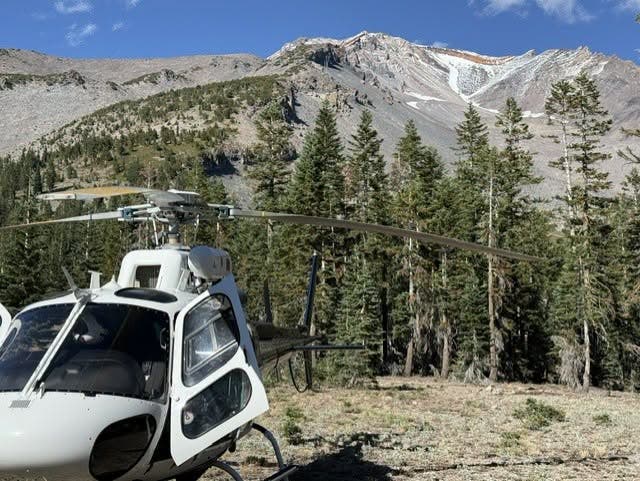
- California Highway Patrol (CHP) Air Operations: Deployed a specialized helicopter crew capable of navigating high-altitude winds and tight mountain topography to execute the final airlift from Horse Camp.
- The Civilian Hiker: Played a pivotal role by stumbling upon the injured climber at the Horse Camp Cabin and promptly relaying his location to emergency dispatchers, effectively cutting the expected search duration short.
Broader Impact and Essential Lessons for Mountaineers
Incidents of this nature invariably trigger reviews of mountain safety protocols and reinforce standard best practices within the mountaineering community. The September 10 incident on Mount Shasta offers several critical takeaways for backcountry recreationists planning ascents on major peaks during late-season windows.
Timing and Daylight Management
Attempting a rigorous, multi-thousand-foot vertical climb late in the day is a primary catalyst for alpine emergencies. By mid-September, daylight hours contract significantly in Northern California, with sunset occurring around 7:00 P.M.—coinciding precisely with the time the climber reached the summit. Mountain safety experts universally advise climbers to commence their ascents in the early morning hours, allowing ample margin to complete both the climb and the descent under direct sunlight. Many jurisdictions recommend adhering to a strict turnaround time, such as noon, ensuring parties head down regardless of whether they have attained the summit.
Redundancy in Navigation and Communication
The reliance on a single electronic device for communication and navigation remains a recurring hazard in wilderness rescues. Modern smartphones and GPS units are susceptible to battery depletion in cold alpine environments, hardware failure, or a loss of cellular reception. When a device dies, climbers who rely exclusively on digital maps can find themselves stranded without directional awareness. Experts emphasize the necessity of carrying physical topographic maps, magnetic compasses, battery power banks, and satellite-based emergency communication devices (such as a personal locator beacon or satellite messenger).
Establishing Reliable Itinerary Protocols
While the rescued climber made critical errors regarding his descent strategy and timing, he excelled in one vital safety area: communication. Before setting out, he informed his friends of his intended destination, outlined his plans, and arranged progress checkpoints. This proactive measure ensured that when he missed his scheduled check-in and his phone died, his friends recognized the anomaly immediately and alerted authorities within hours. Without this pre-arranged communication protocol, the initiation of the search could have been delayed by days, dramatically altering the medical outcome for a barefoot climber crawling through subalpine wilderness with severe foot trauma.
As climate patterns shift and more outdoor enthusiasts flock to California’s iconic peaks, rescue organizations continue to advocate for comprehensive preparation, realistic self-assessments, and a profound respect for mountain environments—reminding all adventurers that reaching the summit is only halfway to completion.




 Chandra Hamzah
 Tatiana Tantri Indah Sari
 Budi Mulyono
 Lukman Taruna Persada Ramadan