
 Anjar Salim
The physical demands of marathon preparation often pale in comparison to the psychological fatigue of route monotony. For distance runners accumulating high weekly mileage, the pursuit of safe, expansive, and aesthetically engaging pavement is a persistent logistical hurdle. Traditional training environments—ranging from abrasive asphalt shoulders and high school running tracks to indoor treadmills—frequently induce psychological burnout long before an athlete ever reaches the starting line of a 26.2-mile race.
To combat this widespread athletic malaise, a growing segment of the hospitality sector—spanning premier wine regions in domestic and international markets—has begun integrating specialized endurance programs into luxury accommodations. Properties in California, France, and beyond are capitalizing on the intersection of sport and agritourism, offering athletes curated trail networks, professional coaching, and recovery amenities tailored to the rigorous demands of long-distance training.
The Psychology of Endurance Burnout and the Shift in Hospitality
According to sports psychology literature and elite coaching frameworks, the primary impediment to completing a marathon is rarely race day itself, but rather the cumulative monotony of the intervening training cycle. Chris Bennett, global head coach of running for Nike, notes that psychological fatigue typically manifests mid-cycle, eroding an athlete’s motivation during routine weekday mileage blocks.
Industry analysts observe that modern fitness tourism has evolved beyond basic hotel gym access. Contemporary wellness travelers increasingly demand active itineraries that seamlessly blend physical exertion with regional cultural immersion. In response, boutique properties are leveraging their geographic assets—specifically agricultural landscapes characterized by low-traffic farm roads and varied elevation profiles—to offer alternatives to urban and suburban running routes.
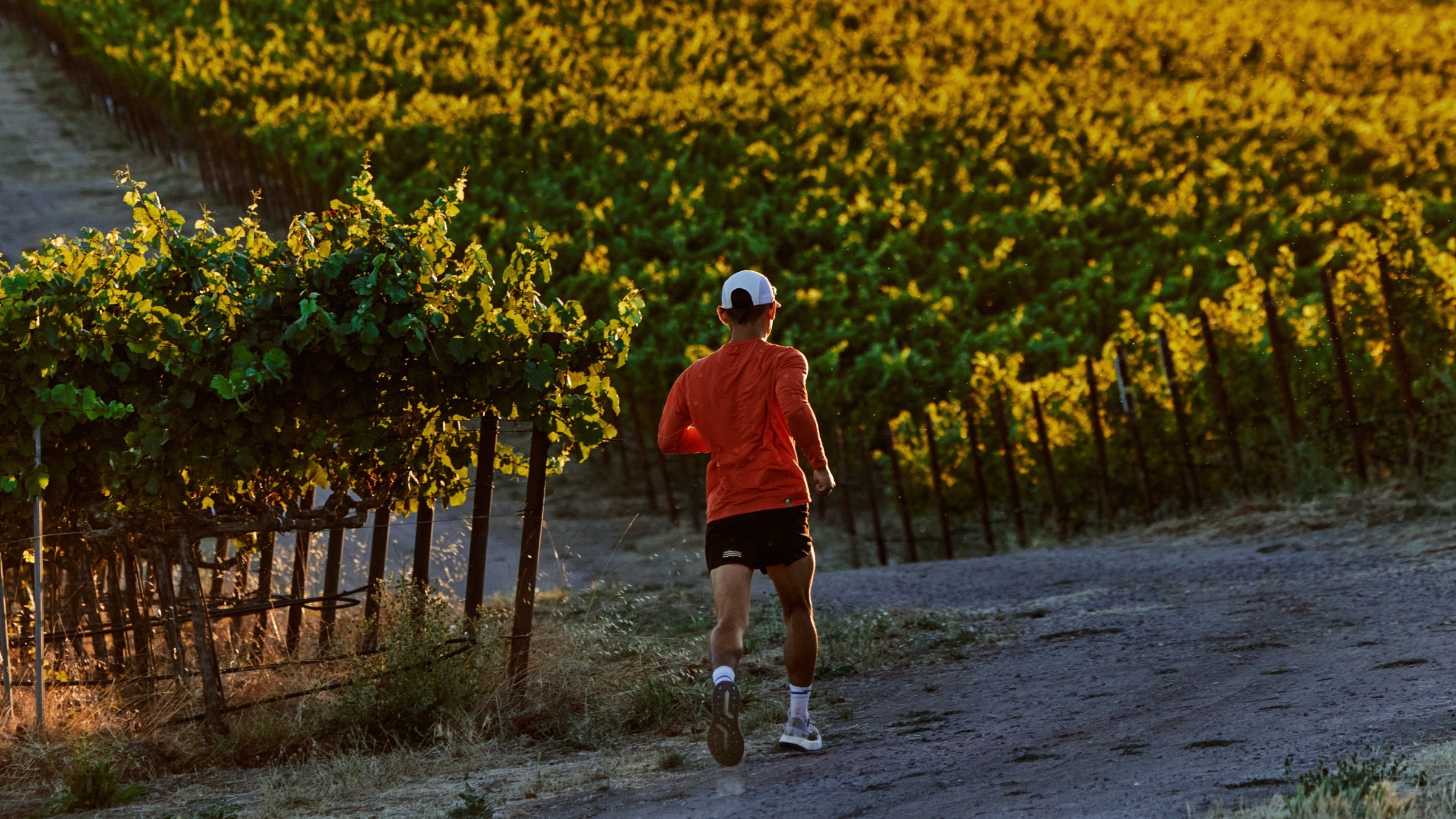
This operational shift is supported by broader travel industry data indicating a steady rise in active tourism, where vacationers prioritize skill development, physical challenges, and outdoor exploration over sedentary leisure.
Chronology of Wine Country Endurance Offerings
The integration of structured running programs within vineyard-centric properties has accelerated significantly through the mid-2020s, driven by rising demand from the endurance sports community.
- Early 2026: Appellation Healdsburg opens in Sonoma County, California, establishing a precedent for luxury hospitality by introducing complimentary guided long runs led by General Manager David Emig through historic vineyard estates.
- Spring 2026: Chateau de Lussac, a ten-room historic property in Bordeaux, France, formalizes its athletic division, introducing bespoke conditioning programs featuring resident running coaches and customized nutritional support for visiting athletes.
- Mid-2026: Following a comprehensive, year-long $6 million capital improvement project, the Courtyard by Marriott San Luis Obispo on California’s Central Coast launches a dedicated athletic tourism initiative, pairing guided morning trail excursions with regional wine-tasting itineraries in Paso Robles.
- Ongoing Expansion: Regional retail operations, such as the Healdsburg Running Company in Sonoma, report sustained growth in sports tourism, hosting weekly community runs through agricultural zones and reinforcing the cultural synergy between endurance athletics and regional viticulture.
Supporting Data and Economic Implications
The convergence of endurance sports and wine tourism represents a lucrative demographic crossover. Marathon participants typically demonstrate high disposable income, spending substantial capital on travel, technical footwear, nutrition, and recovery services.
Industry metrics from running organizations indicate that millions of athletes register for sanctioned marathons and half-marathons annually in North America alone. By capturing a fraction of these travelers, rural hospitality markets diversify their revenue streams beyond traditional harvest-season tourism, extending high-occupancy periods into the shoulder months of spring and autumn—prime windows for distance training.
Properties investing in specialized infrastructure, such as biomechanical recovery tools, targeted spa treatments (including low-frequency electromagnetic field therapy for inflammation reduction), and tailored culinary programs, report higher guest retention and positive net promoter scores among athletic demographics.
Expert Analysis and Industry Perspectives
Sports physiologists and hospitality executives emphasize that environmental variety yields tangible physiological and psychological benefits for endurance athletes.
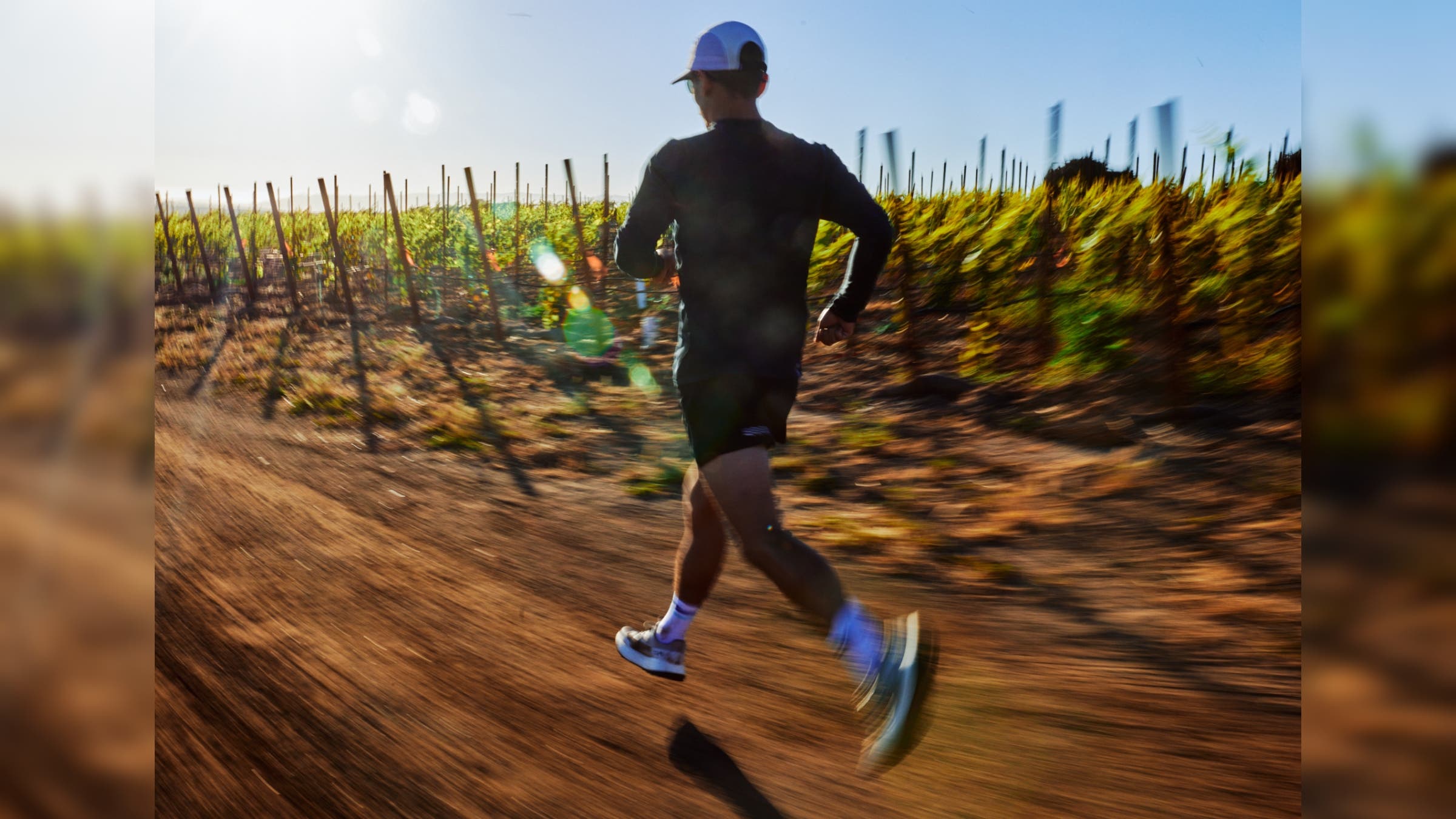
Gregory Gourdet, a decorated chef and veteran of more than 50 endurance races, including marathons and ultramarathons, notes that transitioning from uniform urban pavement to undulating rural terrain forces neuromuscular adaptation. Navigating variable gradients, unpaved agricultural tracks, and changing soil compositions activates stabilizer muscles that remain dormant during flat road running, thereby reducing repetitive-use injury rates. Furthermore, shifting visual stimuli prevents the mental stagnation common in repetitive training loops.
Hospitality operators in wine regions maintain that these programs align naturally with the ethos of slow travel. By directing runners through active agricultural corridors—such as the historic farming routes of Lodi and the marine-cooled valleys of Sonoma—properties provide an authentic connection to the local ecosystem that cannot be replicated in traditional urban fitness centers.
Broader Impact on the Sport of Running
As boutique athletic tourism gains institutional traction, the culture surrounding marathon preparation is undergoing a subtle decentralization. While urban running clubs remain the bedrock of community training, destination-based conditioning offers athletes a mechanism to reset psychological fatigue during critical phases of high-mileage blocks.
The trend underscores a broader philosophical realignment within endurance sports: that rigorous physical training and holistic well-being are not mutually exclusive. By embedding recovery, environmental beauty, and cultural discovery into the architecture of a training cycle, properties catering to this market are redefining what it means to prepare for the endurance test of a lifetime—proving that the path to the finish line can be as restorative as it is demanding.




 Chandra Hamzah
 Tatiana Tantri Indah Sari
 Budi Mulyono
 Lukman Taruna Persada Ramadan