
 Anjar Salim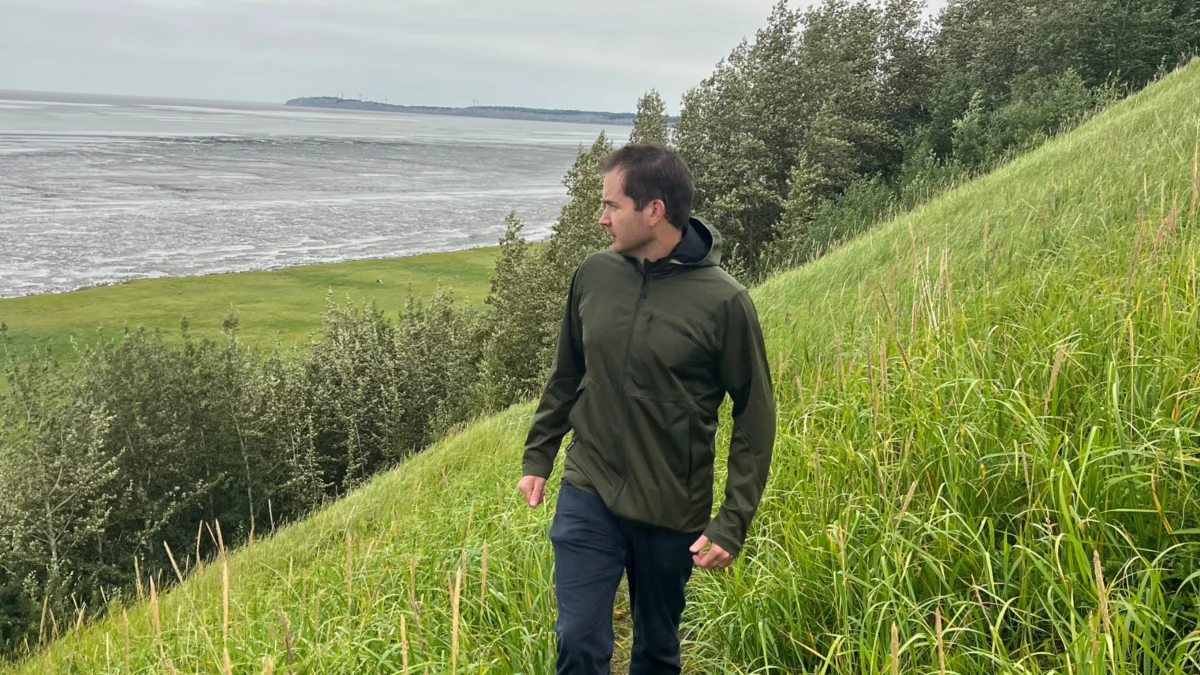
The modern hunting season presents unprecedented meteorological challenges, often demanding that a single gear ecosystem perform across wildly divergent climates within a matter of weeks. September upland bird and deer archery participants frequently endure oppressive, summer-like heat indices, while mid-season practitioners face abrupt transitions into freezing precipitation and gale-force winds. At the opposite bookend of the annual calendar, spring turkey and light goose hunters routinely navigate volatile microclimates characterized by simultaneous blizzard conditions, freezing rain, and unseasonably balmy temperatures. Consequently, high-performance hunting apparel and technical footwear must successfully negotiate a complex paradox: providing robust weather resistance and thermal regulation while maintaining high breathability, efficient moisture management, and seamless layering capabilities.
To address these rigorous field demands, outdoor product evaluators released their comprehensive fall 2026 update, following extensive longitudinal testing of more than 40 distinct pieces of apparel and footwear. The testing protocol focused heavily on the hazardous shoulder seasons of the hunting calendar, periods notorious for temperature swings exceeding 50 degrees Fahrenheit within a single 24-hour cycle. Four newly introduced technical innovations—comprising an ultralight packable poncho, a specialized softshell jacket, performance liner gloves, and high-density merino wool socks—were integrated into an established matrix of field-tested gear to determine which commercial offerings genuinely surpass expectations under duress.
Rigorous Testing Protocols Across North American Biomes
The evaluation of the 2026 hunting gear cohort was conducted by a specialized team of eight veteran outdoor writers, researchers, and backcountry guides across diverse and punishing North American topographies. Testers deployed the equipment from the early-season archery deer blinds of the American Midwest to the hyper-boreal expanses of interior Alaska, where sub-zero ambient temperatures, persistent ice, thick mud, and high-velocity winds severely test textile durability and thermal retention.
Field trials spanned multiple distinct ecological zones. In central Nebraska, evaluators navigated rolling sandhills and steep, brush-choked canyons during upland bird and waterfowl pursuits. In New Mexico, gear was subjected to the abrasive ponderosa pine forests and arid ridgelines associated with mule deer and barbary sheep hunting. Additional evaluations took place in the rocky hillsides and agricultural prairies of Wisconsin and Illinois during turkey and whitetail seasons, as well as high-altitude backcountry zones in Montana and Wyoming.
This multi-environment testing strategy ensures that product reviews reflect true functional performance rather than laboratory simulations. Evaluators systematically logged hundreds of miles under heavy packs, exposing garments to continuous abrasion from thorny briars, blackberry canes, sharp granite, and sustained moisture. The resulting data provides consumers with a clear, objective analysis of commercial gear longevity, thermal efficiency, and ergonomic design.
Packable Rain Protection and Outer Shell Innovations
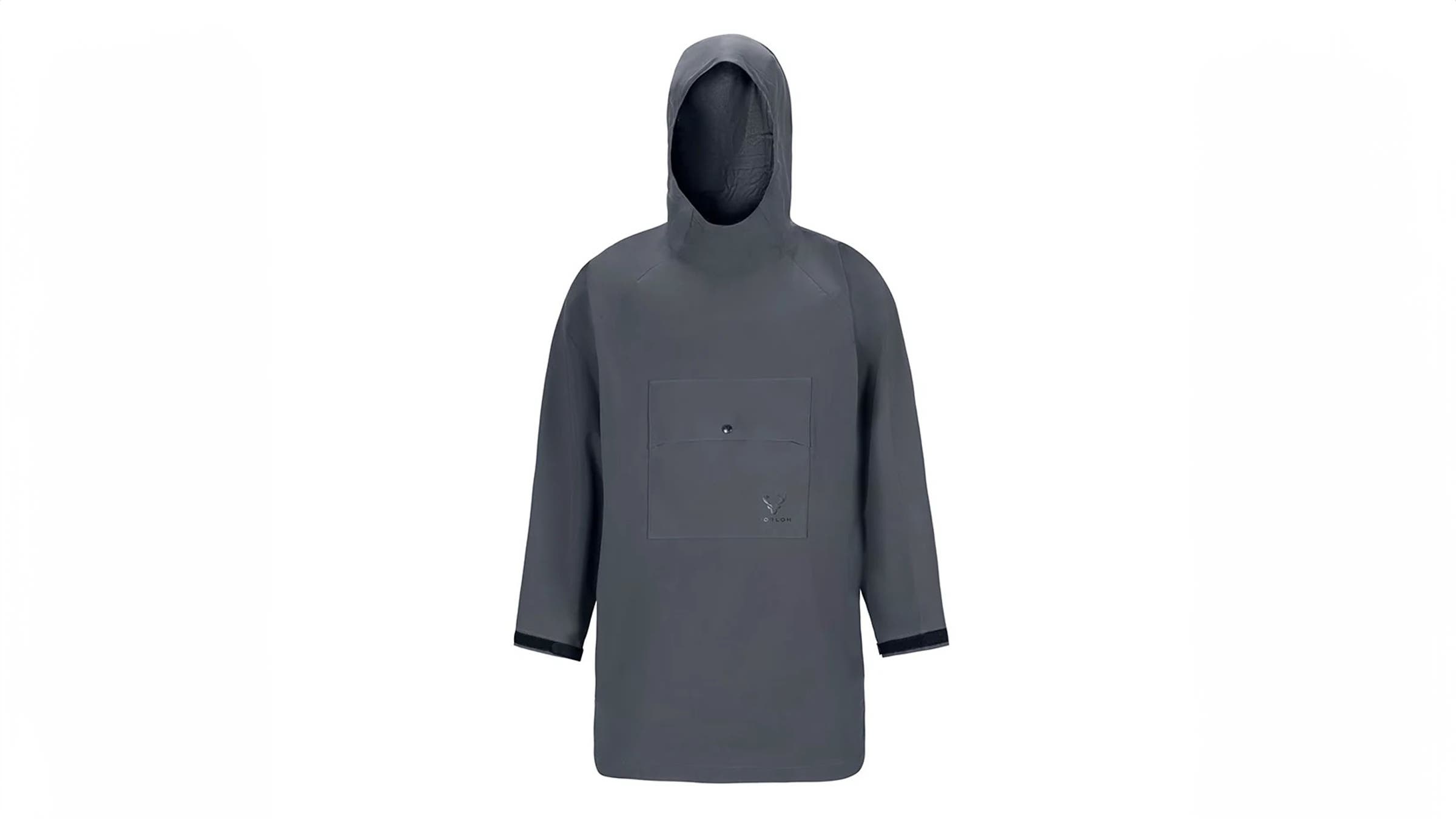
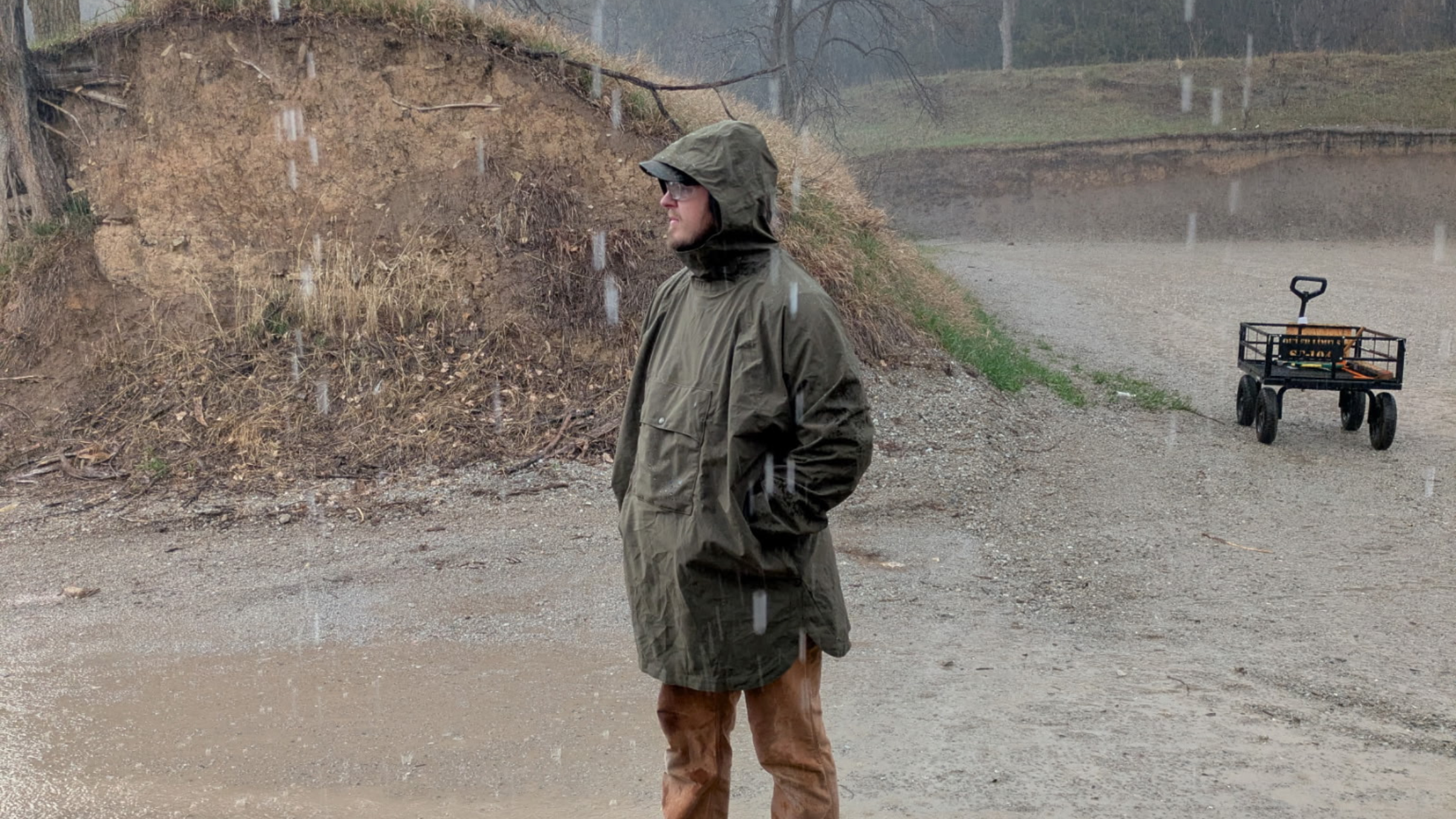
Among the newly introduced pieces for the 2026 season, the Forloh Allclima Waterproof Packable Rain Poncho emerged as the standout option for emergency and variable-weather shell protection. Priced at the premium end of the market, the garment utilizes a fully sealed, military-spec, tear-resistant three-layer waterproof membrane with taped seams. Field testers deployed the poncho during spring snow goose and turkey hunts, as well as high-output outdoor labor, noting that it maintained complete waterproof integrity and high breathability during sustained downpours without creating the suffocating microclimate typical of low-cost polyvinyl chloride alternatives.
Design features include high-hip side slits secured by heavy-duty snaps, allowing uninhibited access to underlying pockets while preventing water ingress during dynamic movement. While the garment successfully protected users caught in early-spring cold fronts while wearing only a base layer, evaluators noted minor ergonomic drawbacks: the neck opening and hood can feel restrictive for individuals with larger heads or those attempting to wear the hood over a structured baseball cap rather than a low-profile beanie. Compressed into its integrated chest pocket, the poncho stows to the approximate volume of a small pillow.
For waterfowl hunters operating in extreme sub-zero conditions, the Chêne Men’s Hydro-Lok Shell Jacket demonstrated exceptional utility. Constructed from the proprietary waterproof and windproof nylon face material utilized in Chêne’s heavy-duty waders, the jacket successfully repelled wind chills plunging below zero in midwestern agricultural fields. Testers noted that despite its robust protective qualities, the face fabric retains a flexible, low-profile soft-shell aesthetic, allowing the garment to be tucked inside waders without generating the excessive noise or bulk associated with traditional, stiff waterfowl parkas.
Midlayer Versatility and Thermal Regulation
Temperature management during high-output physical exertion requires sophisticated midlayer engineering. The Stone Glacier Headwall Jacket established itself as a premier technical midlayer for active, early-to-mid-season hunts in high-alpine environments. Featuring a breathable, wind-resistant, and water-repellent soft-shell fabric combined with a comfortable fleece interior lining, the jacket efficiently regulated core body temperature during steep, 1,500-foot ascents in New Mexico’s ponderosa pine forests.
The integration of zippered underarm pit vents allowed testers to dump excess heat rapidly during strenuous climbs, while closing the vents retained critical warmth during stationary glassing sessions on exposed ridgelines. Weighing in at nearly two pounds for a men’s large, the Headwall sacrifices extreme compressibility for structural durability and weather resistance, functioning effectively as a standalone outer layer in mild conditions or as an insulating midlayer beneath a heavy down garment during late-season operations.
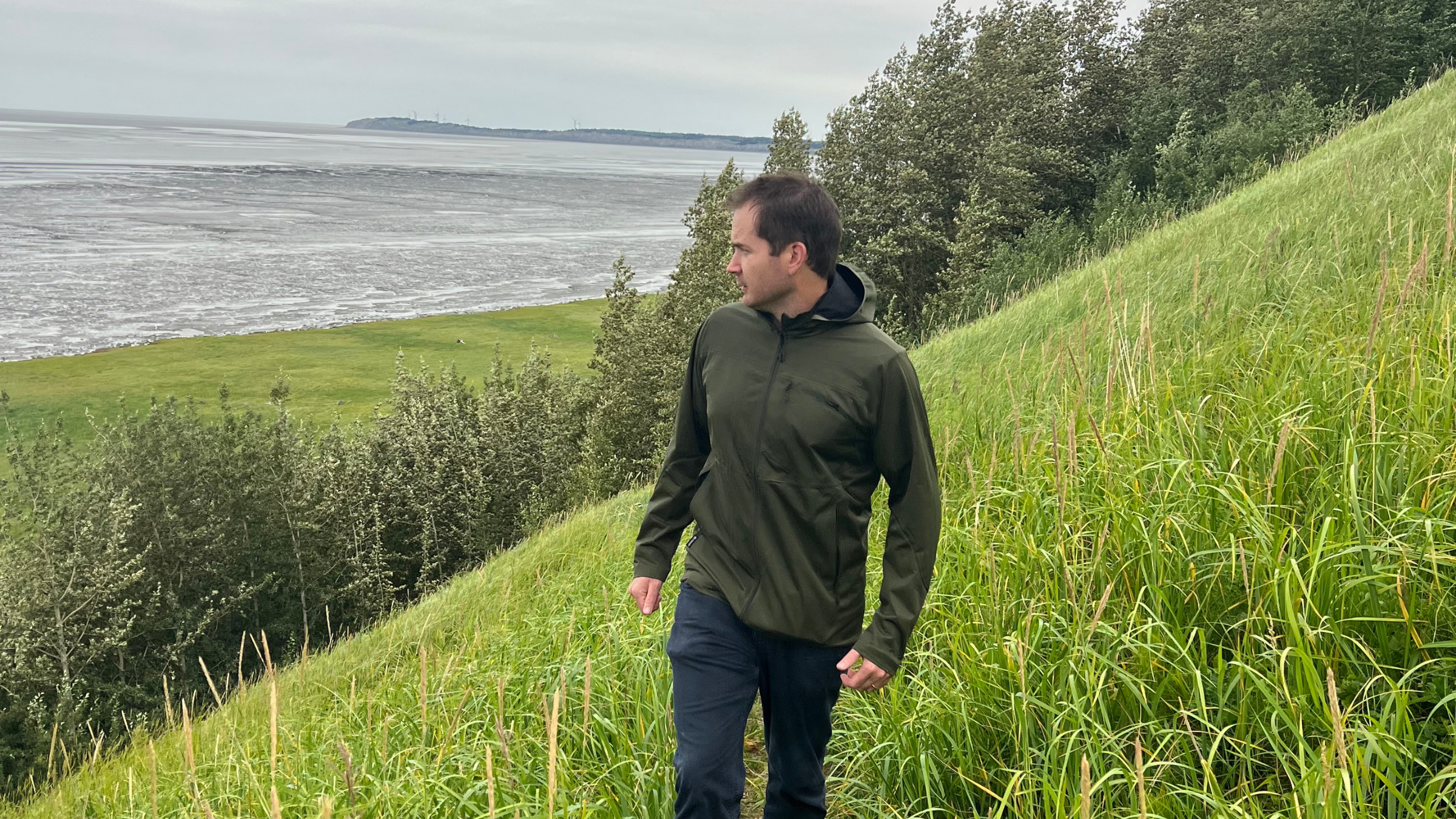
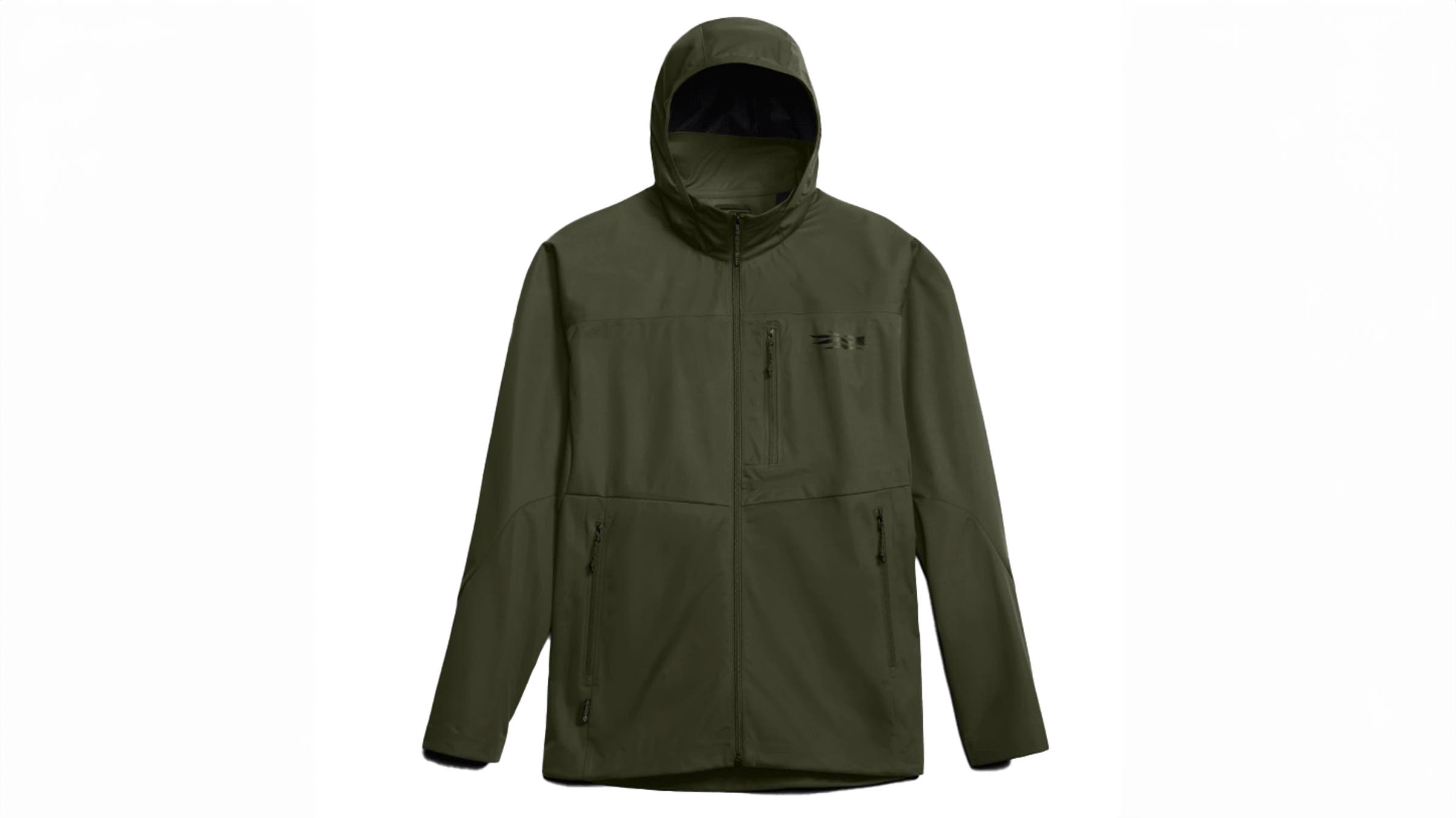
In the lightweight softshell category, the Sitka Jetstream LT Jacket provided dependable wind-blocking performance in 25-mph winds across Alaska’s spring landscapes. Utilizing a tightly woven polyester face fabric that avoids the crinkly acoustics of traditional membrane shells, the jacket maintained thermal comfort in temperatures ranging from the high teens to 60 degrees Fahrenheit depending on underlying apparel layers. However, evaluators documented limitations regarding its water resistance, noting that sustained precipitation breached the fabric face after approximately 25 minutes of continuous exposure during field hikes.
Durability in Brush and Abrasive Terrains
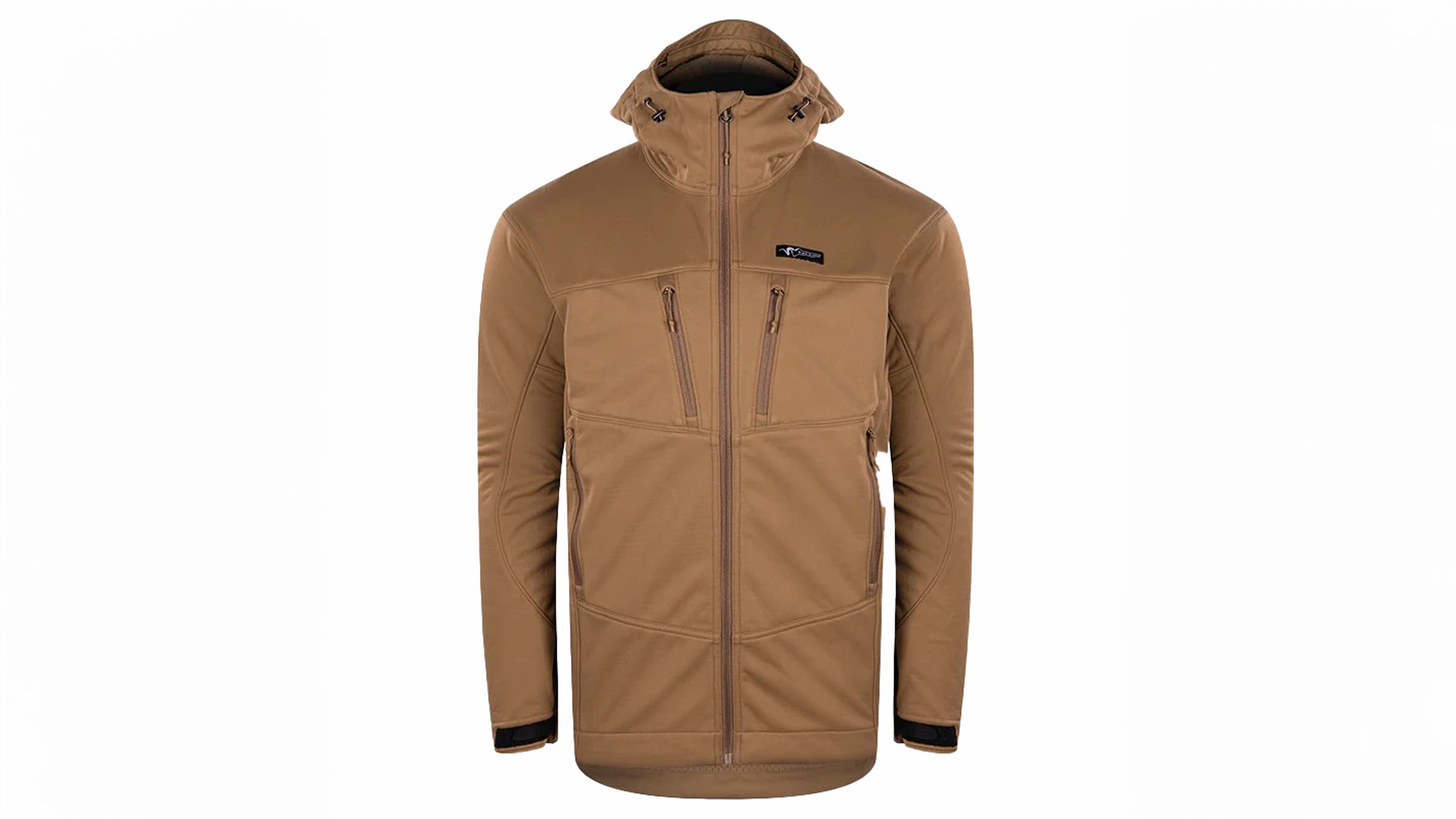
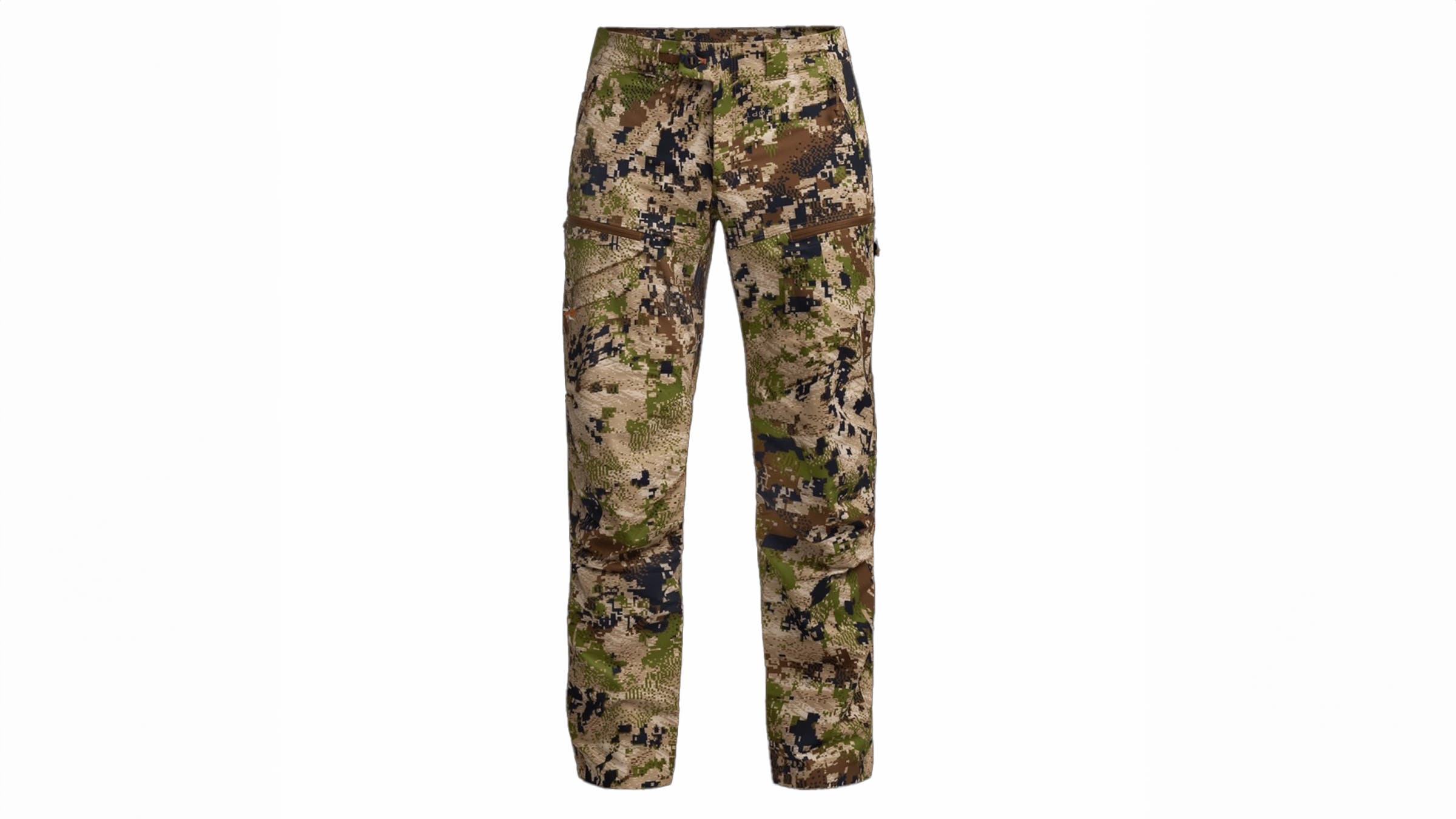
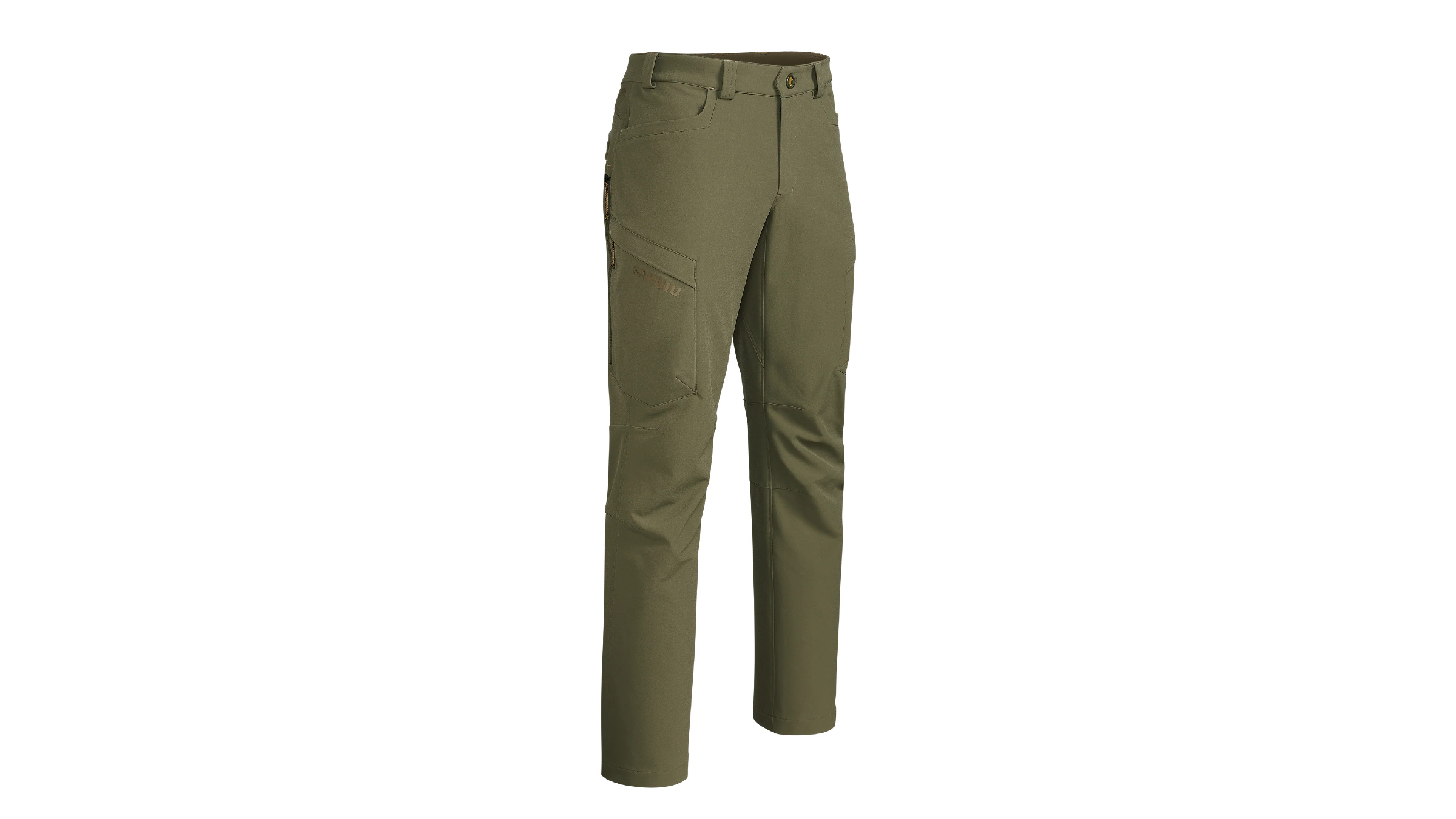
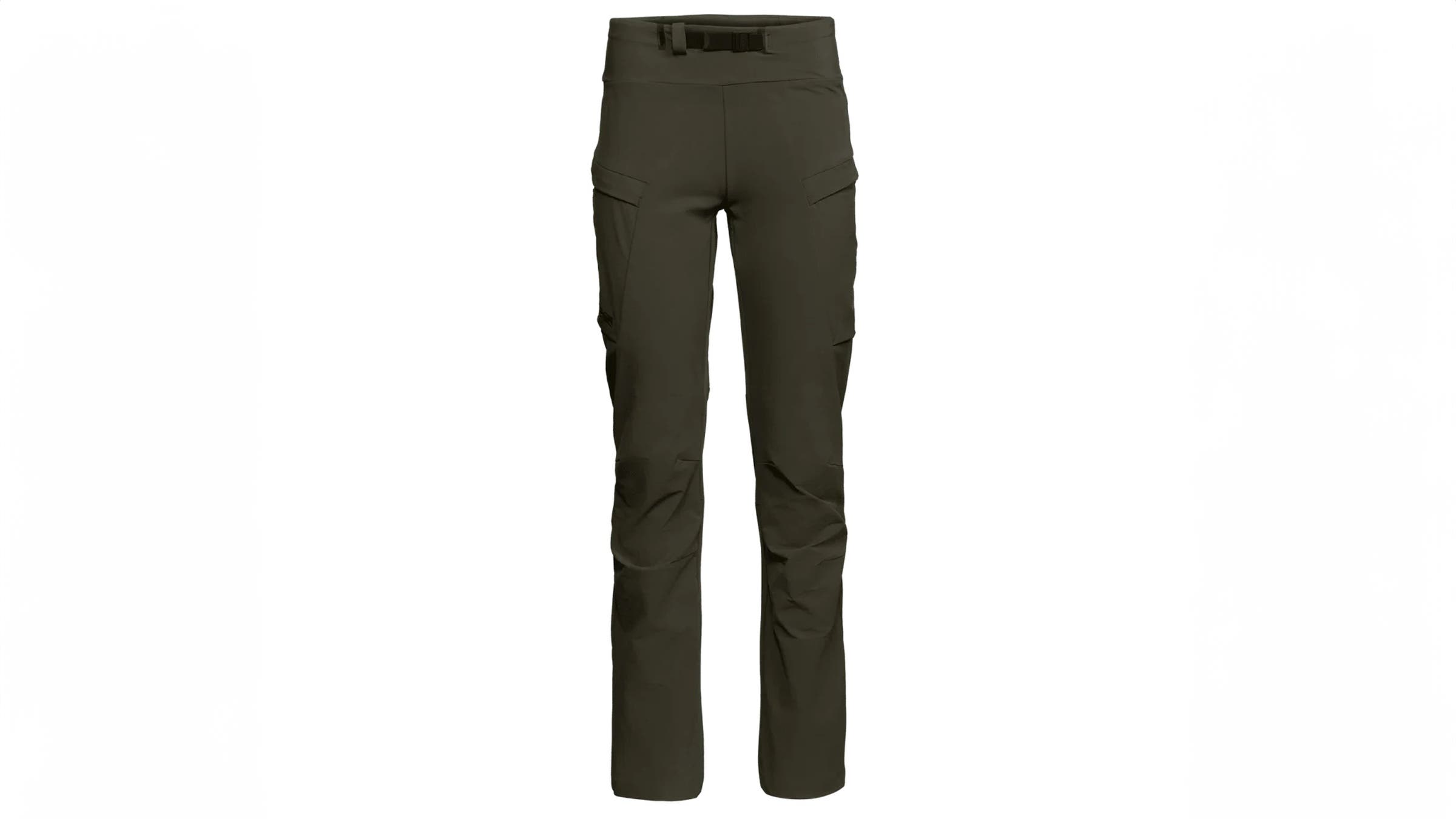
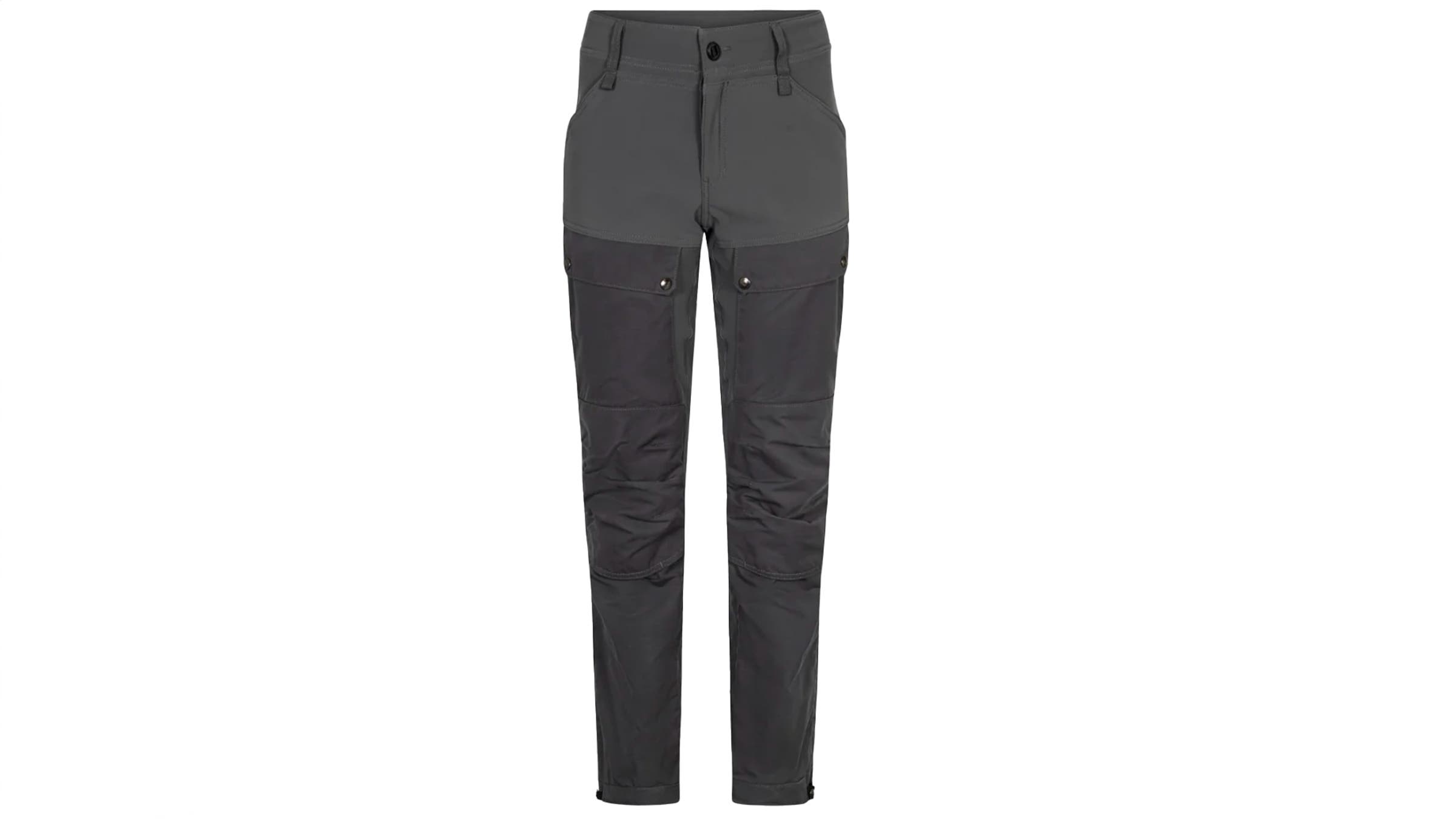
Navigating dense brush, multiflora rose, and thorny briars demands specialized lower-body apparel designed to prevent lacerations and fabric degradation. The Sitka Men’s Endure Pant and the Forloh Women’s Brush to Mountain (BTM) Pro Pant set commercial benchmarks for abrasion resistance during the 2026 test cycle.
The Sitka Endure Pant, constructed from a rugged double-weave polyester, logged over 50 miles of intensive use tracking grouse through dense Wisconsin national forest cover and chasing mule deer across Montana. The fabric successfully deflected sharp branches, briars, and abrasive rock surfaces while blocking wind and shedding light snow. Equipped with zippered hip vents and internal pockets designed to accommodate aftermarket knee pads, the Endure Pant functioned as a versatile, four-season workhorse despite its premium price point and lack of absolute stealth acoustics.
Similarly, the Forloh Women’s BTM Pro Pant utilized waxed ripstop nylon and cotton reinforcement panels extending from the hem to the mid-thigh and across the posterior. Field testers pursuing pheasants through dense Nebraska sandhills and marshy riparian zones reported exceptional resistance to sandburs, thorns, and moisture. The inclusion of antimicrobial treatments minimized odor accumulation during high-exertion tracking sessions, though evaluators observed significant sizing inconsistencies, noting that the waist ran approximately two sizes small while maintaining a more generous fit through the hips.
Footwear and Foundation Gear Performance
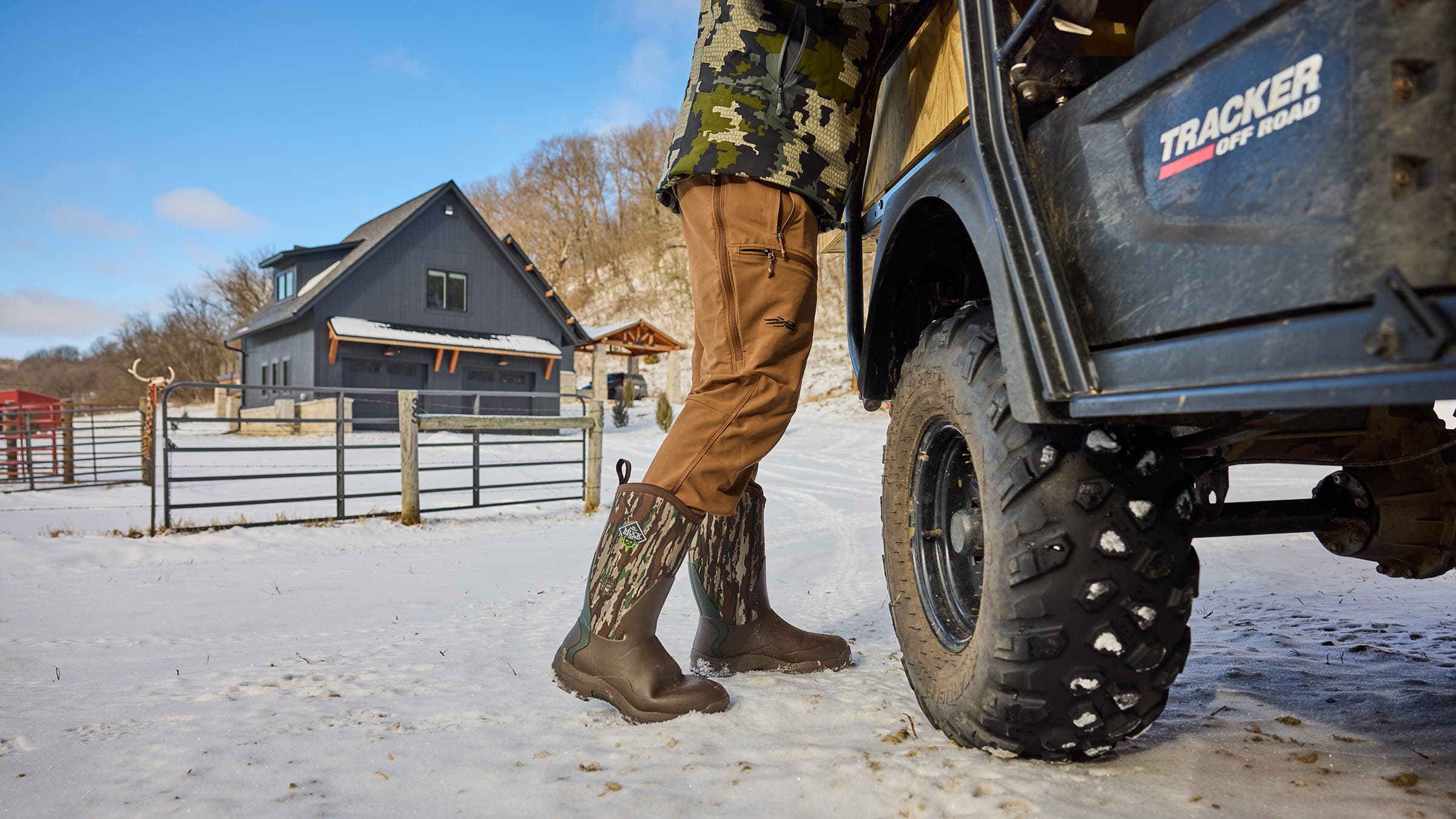
Footwear reliability remains the single most critical variable in backcountry hunting success. The Meindl EuroLight Hunter 300 boot was evaluated across punishing late-winter and early-spring terrain in Alaska and New Mexico, supporting users carrying heavy pack loads over unstable, snow-covered topography. Featuring 300 grams of synthetic insulation, a nine-inch leather upper, and a wide, stable sole platform, the boots offered immediate out-of-the-box comfort without sacrificing ankle stability. While evaluators praised the balance of warmth and traction, they noted that the full-grain leather construction required a full 24 hours to dry completely following total saturation.
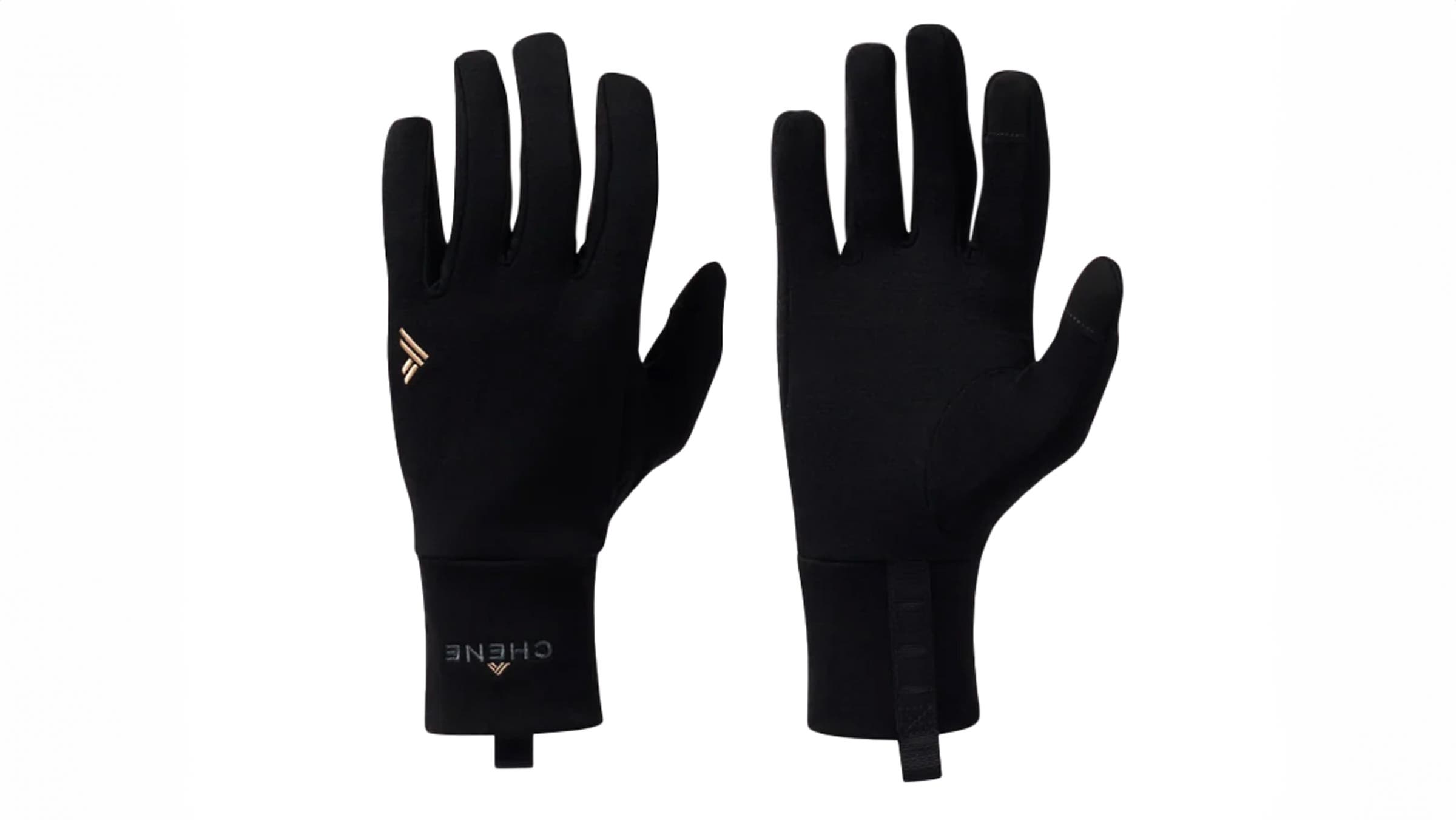
Complementing the footwear systems, the Farm To Feet Ely sock utilized high-density cushioning zones and an itch-free American merino wool blend to mitigate foot fatigue and control moisture accumulation over multi-day deployment cycles. The seamless toe construction successfully eliminated friction points, preventing blister formation during high-mileage scouting operations.
Industry Analysis and Consumer Guidance
The commercial market for hunting apparel has expanded rapidly, incorporating advanced technical textiles originally developed for alpine mountaineering and military applications. Industry analysts note that while premium brands such as Sitka, Stone Glacier, Forloh, and Chêne command high retail price points, their market share continues to grow among dedicated sportsmen and guides who prioritize long-term durability, ergonomic articulation, and specialized weather protection.
However, industry experts emphasize that technical apparel does not substitute for fundamental fieldcraft, woodsmanship, or marksmanship. Beginners entering the hunting sports are generally advised to avoid premature investment in top-tier, specialized camouflage systems unless engaging in open-country spot-and-stalk pursuits where visual concealment is paramount. For stationary blind hunting or general-use scenarios, high-quality, moisture-wicking hiking apparel in muted, neutral tones or solid black often delivers identical functional performance at a fraction of the cost.
Furthermore, consumers must carefully evaluate regional environmental variables and state regulatory frameworks when assembling a layering system. Compliance with mandatory hunter orange or blaze pink statutory requirements remains a paramount safety consideration across North America, superseding aesthetic camouflage patterns in jurisdictions where visibility laws are enforced to prevent friendly-fire incidents during crowded firearm seasons. By carefully balancing climatic demands, physical output levels, and budgetary constraints, hunters can construct modular apparel systems capable of enduring the most demanding environments on the continent.




 Chandra Hamzah
 Tatiana Tantri Indah Sari
 Budi Mulyono
