Chandra Hamzah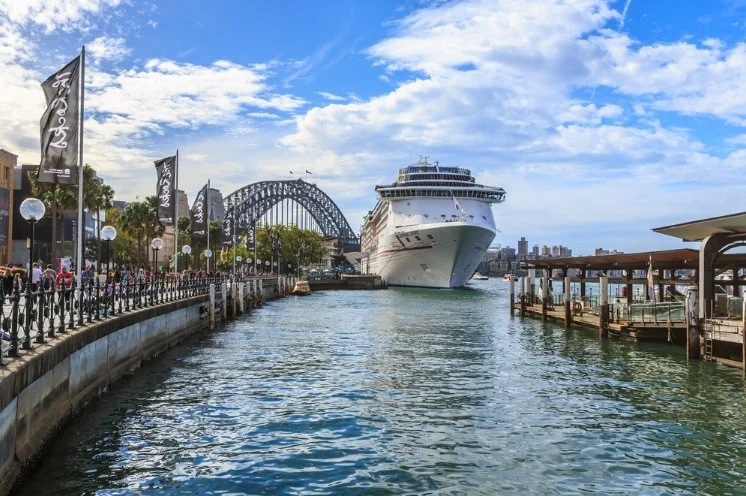
The Australian cruise industry is currently navigating a period of profound turbulence, characterized by a tightening regulatory environment, soaring operational costs, and a growing disconnect between cruise line operators and their primary customer base. While executives from the Cruise Lines International Association (CLIA) have spent recent weeks lobbying the federal government for structural reform, a groundswell of feedback from local passengers suggests that the issues plaguing the sector extend far beyond red tape. The industry finds itself caught in a precarious position: as it attempts to recover from the economic shocks of the previous four years, it is simultaneously grappling with a perception of stagnant offerings and aging fleet deployments.
The recent calls for government intervention were catalyzed by CLIA CEO Bud Darr, who highlighted the disproportionate cost burdens placed on cruise operators in Australian waters. Industry stakeholders argue that excessive port fees, complex border processing requirements, and a lack of harmonized maritime regulation have rendered Australia an increasingly unattractive market for global cruise lines. As these corporations look to allocate their newest, most efficient vessels to high-yield regions like the Mediterranean, the Caribbean, and Alaska, Australia risks being relegated to a secondary market, served by older tonnage that lacks the modern amenities expected by contemporary travelers.
A Chronology of Industry Decline and Regulatory Friction
The current situation is the culmination of years of escalating friction between the maritime sector and government oversight bodies. The timeline of this instability began in early 2020, when the global cruise industry was effectively shuttered by the pandemic. Australia, which maintained some of the world’s strictest maritime border policies, experienced a slower recovery trajectory than its international counterparts.
Following the full resumption of operations in 2022, the industry faced an immediate crisis of infrastructure. Port facilities in major hubs like Sydney reached capacity, while secondary ports struggled to manage the logistical demands of larger, post-pandemic vessels. By late 2023, the discourse shifted toward the long-term viability of the Australian market. Industry leaders identified that the cost of doing business in Australia—specifically the combination of pilotage fees, port charges, and bunker fuel taxes—had risen at a rate that far outstripped the global average.
In early 2024, the dialogue moved from industry boardrooms to the public forum. CLIA and other peak bodies began issuing formal warnings that if the federal government did not streamline regulatory frameworks, Australia would face a "capacity flight." This would see major lines re-routing their flagship vessels to markets with more favorable cost-to-revenue ratios, leaving the Australian consumer with fewer choices and higher ticket prices.
The Passenger Perspective: Beyond Red Tape
While industry executives focus on the fiscal metrics of port fees and bureaucratic hurdles, the passenger experience offers a starkly different diagnosis of the industry’s woes. Analysis of feedback from seasoned cruisers reveals a profound dissatisfaction with the quality of product currently on offer.
Frequent cruisers, many of whom have spent decades exploring the Pacific and the Tasman Sea, point to a phenomenon known as "itinerary fatigue." The repetitive nature of the traditional South Pacific route—frequently stopping at the same three or four island destinations—has led to a perception that the industry has ceased to innovate. Fiona Ford, a long-term industry observer, notes that while the demographic of Australian cruisers is aging, the cruise lines have failed to pivot their offerings to match the needs of this group. "With Australia’s aging population, cruising is the most popular way to have a vacation," she stated. "Home port to home port makes traveling easier, but the industry must look at the bigger picture regarding regional engagement."
This sentiment is echoed by those with specific accessibility requirements. Cheryl Walsh, a full-time wheelchair user, highlights that while cruising remains the most viable holiday option for individuals with mobility impairments, the current product is poorly tailored. She notes that the industry’s focus on high-octane amenities, such as waterslides and zip lines, ignores a significant portion of the market that prioritizes enrichment, comfort, and accessibility. The lack of accessible cabin inventory on the older ships currently servicing the region remains a significant point of contention.
Data and Market Realities
The economic implications of these trends are significant. Australia’s cruise sector historically contributes billions to the national economy, supporting thousands of jobs in tourism, hospitality, and supply chain logistics. However, the data indicates that current pricing structures are failing to balance the books for the average consumer. As John Gercken, a veteran travel agent with 50 years of experience, observes, the government’s push for increased revenue through port fees has created a counter-productive cycle. By maximizing the cost per ship, the government has inadvertently incentivized cruise lines to reduce their presence or pass those costs directly to the consumer, leading to higher prices for less value.
Furthermore, geographic constraints present a unique hurdle that cannot be solved by policy alone. Unlike the Caribbean, where vessels can visit a different port every 24 hours, the vast distances between Australian and New Zealand ports, combined with volatile maritime weather patterns, often force captains to cancel planned stops. This results in "cruises to nowhere," which alienate customers who paid for a diverse destination experience.
Regional Disparities and Infrastructure Needs
The debate is further complicated by regional competition. Residents in states like South Australia argue that the dominance of Sydney as the primary cruise hub has stifled innovation elsewhere. Odette Glass, a representative voice from South Australia, suggests that local governments must take a more proactive role in upgrading infrastructure to bypass the congestion and high costs associated with the Sydney market. "We need to push our premier to build a better port so we can get more ships here," she argues. "It would likely be more cost-effective than current Sydney operations."
However, the reality of infrastructure development is that it requires long-term capital investment and environmental planning, neither of which can be achieved in the short term. The tension between the desire for localized growth and the reality of the environmental impact of cruise tourism remains a contentious topic that the federal government has yet to fully reconcile with the industry’s lobbying efforts.
The Impact of Aging Fleets
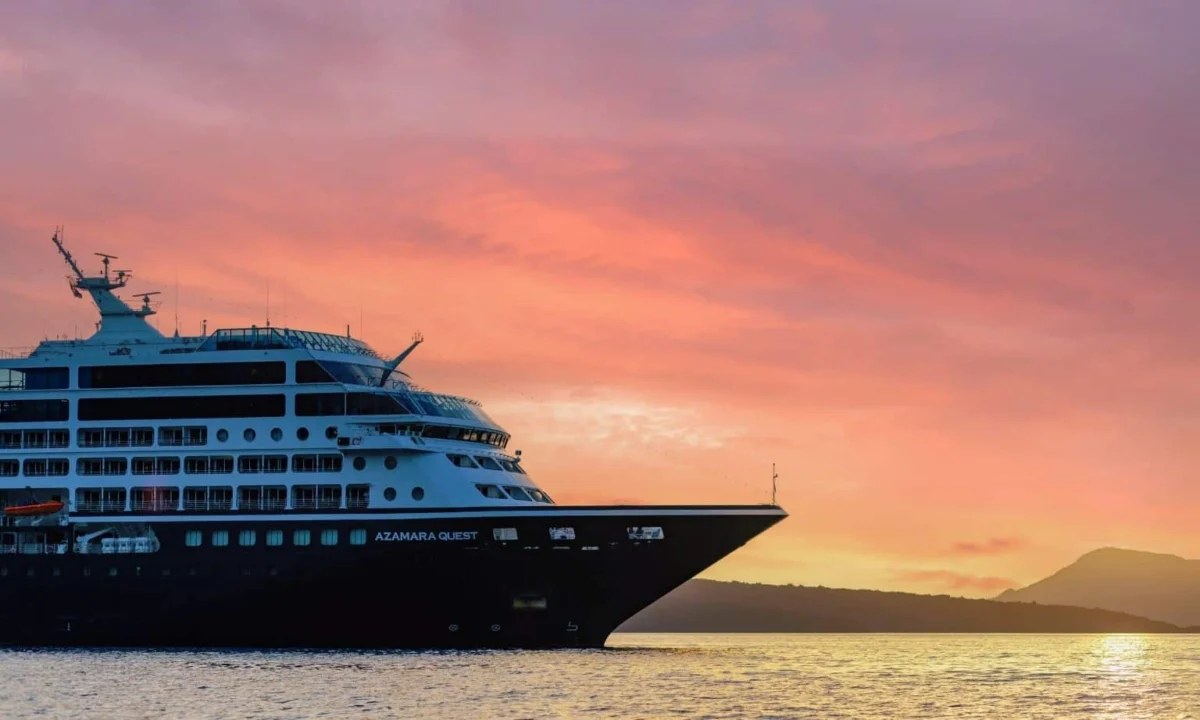
Perhaps the most damaging perception facing the industry is the "hand-me-down" narrative. Eric Harvey and other frequent cruisers have pointedly suggested that major cruise lines view Australia as a graveyard for aging vessels that are no longer competitive in Northern Hemisphere markets. This perception is reinforced when newer, larger, and more technologically advanced ships are consistently deployed to the Mediterranean or the Caribbean, while the Australian market receives ships that lack the modern environmental and comfort features of their successors.
For the industry to reverse this trend, it must reconcile the demands of its customers with the constraints of the government. The implication of failing to do so is clear: a gradual decline in patronage as the core demographic ages out, and a failure to attract younger, more discerning travelers who demand both sustainability and novelty in their holiday experiences.
Future Implications and Policy Considerations
Moving forward, the relationship between the Australian cruise industry and the federal government requires a fundamental reset. A multi-pronged approach is necessary to address the crisis:
- Regulatory Harmonization: The federal government must work to consolidate maritime regulations, reducing the administrative burden that currently inflates operational costs.
- Infrastructure Investment: Targeted investment in regional ports could alleviate the pressure on Sydney and create a more competitive, diverse range of home ports.
- Product Diversification: Cruise lines must listen to the feedback regarding itinerary fatigue. This involves investing in "enrichment" cruises, longer sea-day journeys, and, critically, updating the fleet to ensure that older ships are not the only options for local travelers.
- Inclusive Design: As the population ages, the industry must prioritize the retrofitting of ships to ensure they are fully accessible, rather than focusing solely on the "thrill-seeker" market.
In conclusion, the Australian cruise industry is at a critical juncture. The dual pressures of regulatory friction and waning customer satisfaction have created an environment where the status quo is no longer sustainable. Whether the sector can regain its momentum will depend on the ability of industry leaders to successfully lobby for a more supportive fiscal environment, and the willingness of the cruise lines to reinvest in the Australian market with products that reflect the sophisticated needs of the modern traveler. Without these changes, the "golden goose" of Australian cruising may well continue to see its influence, and its passenger base, slowly diminish.



 Anjar Salim
 Tatiana Tantri Indah Sari
 Budi Mulyono
 Lukman Taruna Persada Ramadan