
 Budi Mulyono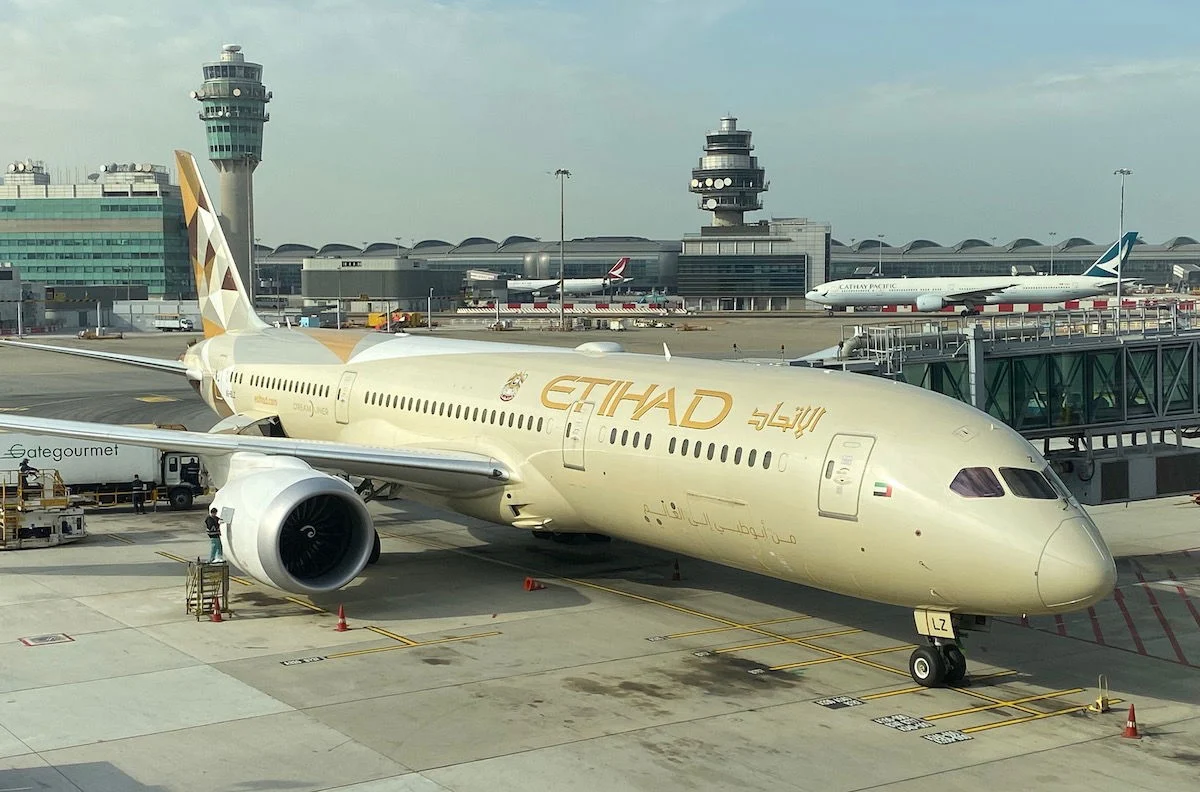
Air Seychelles, the national flag carrier of the Republic of Seychelles, has officially announced the temporary resumption of non-stop long-haul service between Mahe and Paris, marking a strategic pivot in the airline’s operational model to safeguard the nation’s vital tourism industry. In a move that highlights the airline’s adaptability amid shifting global geopolitical dynamics, the carrier will bridge the 4,871-mile gap between Seychelles International Airport (SEZ) and Paris Charles de Gaulle (CDG) starting in late March 2026. This service resumption is particularly noteworthy as Air Seychelles currently lacks wide-body aircraft in its own fleet capable of sustaining such a route, necessitating a high-profile leasing agreement with its former equity partner, Etihad Airways.
The decision to restore direct connectivity to Western Europe comes at a critical juncture for the Indian Ocean archipelago. Recent volatility in the Middle East has created significant disruptions for traditional transit hubs in the Gulf region, which typically facilitate the majority of passenger traffic to the Seychelles. By bypassing these hubs, Air Seychelles aims to provide a reliable and secure corridor for European travelers, ensuring that the country’s primary economic engine—tourism—remains insulated from regional instability and fluctuating fuel costs that have plagued the aviation sector in recent months.
Operational Logistics and Flight Schedule
The temporary service is scheduled to operate from March 22 through April 29, 2026, targeting the peak spring travel season in Europe. Air Seychelles has confirmed a thrice-weekly frequency, with flights departing on Wednesdays, Fridays, and Sundays. This schedule is designed to maximize convenience for both leisure travelers seeking week-long stays and business travelers requiring shorter rotations.
The flight schedule is as follows:
- Flight HM1008: Departs Mahe (SEZ) at 9:00 AM, arriving in Paris (CDG) at 5:30 PM (Local Time).
- Flight HM1007: Departs Paris (CDG) at 7:30 PM, arriving in Mahe (SEZ) at 7:30 AM the following day (Local Time).
The outbound journey to France is blocked at 10 hours and 30 minutes, while the return leg to the Seychelles is scheduled for 10 hours. This direct routing significantly reduces the total travel time compared to connecting flights through Middle Eastern or African hubs, which can often exceed 15 to 18 hours depending on layover durations.
Technical Specifications and the Etihad Partnership
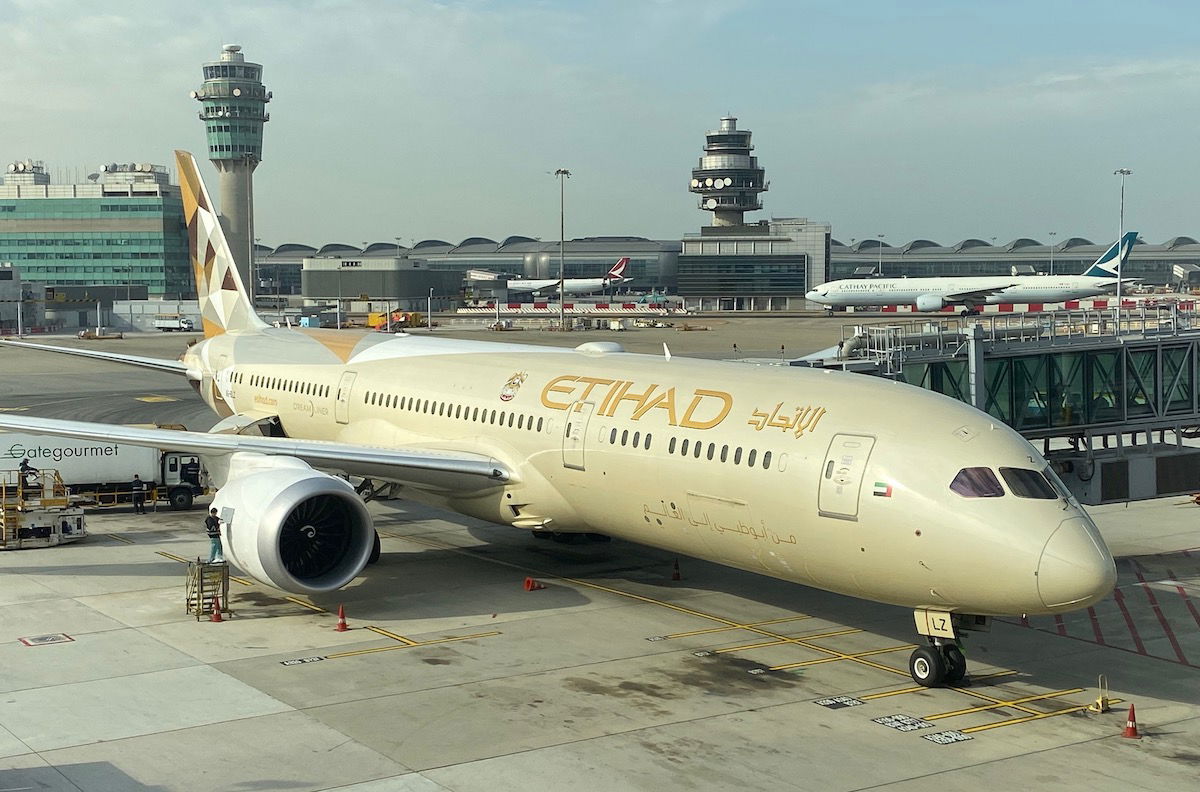
To facilitate this ambitious route, Air Seychelles will utilize a Boeing 787-9 Dreamliner leased from Abu Dhabi-based Etihad Airways. This arrangement is expected to be a "wet lease" or a Comprehensive ACMI (Aircraft, Crew, Maintenance, and Insurance) agreement, meaning the aircraft will be operated by Etihad’s flight and cabin crews on behalf of Air Seychelles.
The Boeing 787-9 is a state-of-the-art wide-body aircraft known for its fuel efficiency and passenger comfort. The specific configuration for this route includes 290 seats, divided into two classes:
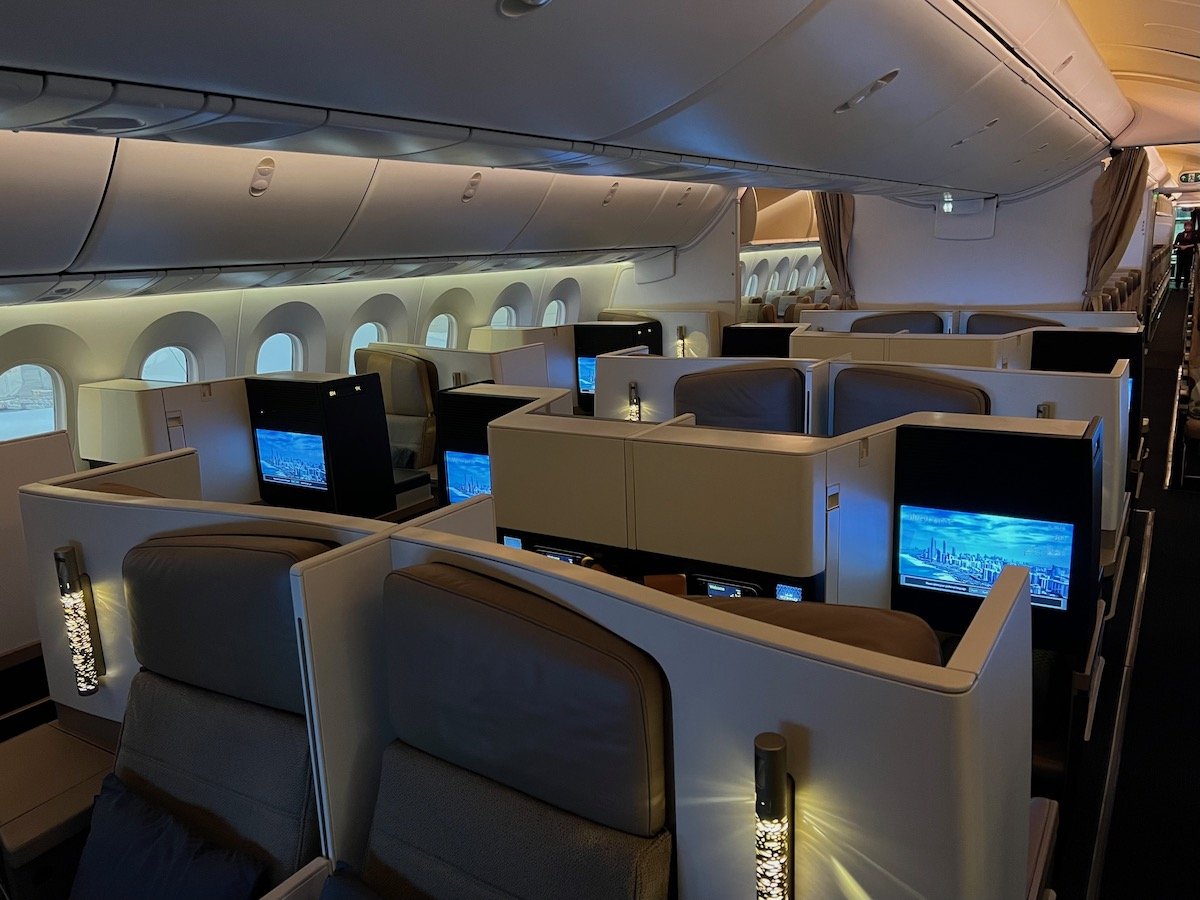
- Business Class: 28 seats, featuring Etihad’s signature "Business Studio" design, which offers fully flat beds, direct aisle access, and enhanced privacy.
- Economy Class: 262 seats, equipped with modern inflight entertainment systems and ergonomic seating designed for long-haul comfort.
The choice of the 787-9 is strategically sound. The aircraft’s advanced composite materials allow for higher cabin humidity and lower cabin altitude pressure, which helps reduce the effects of jet lag and fatigue—a significant selling point for a premium leisure destination like the Seychelles. Furthermore, the 787-9’s range and payload capabilities allow it to carry significant belly cargo, providing an additional revenue stream for Air Seychelles through the transport of high-value exports such as fresh fish and perishables to the European market.
Historical Context: The Evolution of Air Seychelles
The resumption of the Paris route represents a "full-circle" moment for the airline, though under vastly different corporate circumstances. For much of the last decade, Air Seychelles operated as an equity partner of Etihad Airways, which acquired a 40% stake in the carrier in 2012. Under the leadership of then-Etihad CEO James Hogan, the airline pursued an aggressive expansion strategy, operating a fleet of Airbus A330-200 aircraft to destinations as far-flung as Paris, Beijing, and Mumbai.
However, this model proved financially unsustainable for a boutique carrier. In 2018, following a series of heavy losses and a broader restructuring within Etihad itself, Air Seychelles underwent a radical transformation. It abandoned its long-haul ambitions, returned its A330s to lessors, and pivoted toward a "regional-first" strategy focused on domestic operations and high-demand African and Indian Ocean routes. This shift saw the airline modernize its narrow-body fleet with the acquisition of two Airbus A320neos, which remain the largest aircraft in its current permanent fleet.
In 2021, the formal partnership with Etihad concluded when the Abu Dhabi carrier sold its 40% stake back to the Government of Seychelles for a nominal sum of $1, along with a significant debt write-down. The current leasing agreement for the Paris route indicates that despite the end of the equity partnership, a strong operational and diplomatic relationship remains between the two airlines and their respective governments.
The Strategic Importance of the French Market
France has historically been one of the top three source markets for Seychelles tourism, often competing with Germany and Italy for the top spot. According to data from the National Bureau of Statistics (NBS) of Seychelles, European visitors account for over 60% of total arrivals annually. Direct flights are a proven catalyst for increasing arrival numbers; historical data suggests that when direct service is available, the market share of French tourists increases by as much as 15-20% due to the removal of transit friction.
Sandy Benoiton, CEO of Air Seychelles, emphasized the importance of this connection in a recent statement: "The introduction of non-stop flights to Paris marks an important milestone for Air Seychelles and for the country’s international connectivity, especially at this time. France has always been a vital market for Seychelles, and this service will provide a convenient and comfortable travel option for both visitors and Seychellois travelers while supporting the continued growth of our tourism industry."
The Seychelles Tourism Board (STB) has echoed these sentiments, noting that direct flights are essential for maintaining the destination’s "premium" status. High-end travelers, who frequent the luxury resorts of Mahe, Praslin, and La Digue, often prioritize direct connectivity to avoid the complexities and potential delays associated with hub-and-spoke networks.
Geopolitical Drivers and Economic Resilience
The decision to lease a wide-body aircraft for a temporary period is a direct response to the "hub risk" currently facing Indian Ocean destinations. The Seychelles economy is heavily reliant on tourism, which contributes roughly 25% to 30% of the national GDP and employs a significant portion of the local workforce. Any disruption to flight paths through the Middle East—whether due to airspace closures or increased insurance premiums for carriers flying over conflict zones—poses a direct threat to the Seychelles’ economic stability.
By establishing a direct link to Paris, Air Seychelles is effectively creating a "bypass" that ensures the flow of tourists can continue even if regional tensions in the Gulf escalate. This move also provides a hedge against the rising costs of fuel and the logistical challenges currently faced by Gulf-based carriers, which have had to reroute many of their European services, leading to longer flight times and higher operating costs.
Industry analysts suggest that this temporary move could serve as a "test case" for Air Seychelles. If the route proves highly profitable during this six-week window, the airline’s board and the Seychelles government may consider more permanent long-haul solutions, such as seasonal leases or the eventual acquisition of its own long-range narrow-body aircraft, like the Airbus A321XLR, which could theoretically reach Europe with a smaller, more manageable capacity than a 787.

Fleet Composition and Resource Management
As of 2024, the permanent Air Seychelles fleet consists of seven aircraft:
- 2 Airbus A320neos: Used for regional routes to Mumbai, Johannesburg, and Mauritius.
- 5 DHC-6-400 Twin Otters: Used for domestic "island hopper" services, primarily between Mahe and Praslin.
The A320neo, while fuel-efficient, does not possess the range required to fly non-stop from Mahe to Paris with a full passenger and cargo load. Attempting such a route would require a technical stop for refueling, which would negate the "non-stop" advantage and increase operational costs. Leasing the Boeing 787-9 allows the airline to maintain its existing regional schedule with its A320neos while adding the Paris capacity without the long-term financial burden of owning or dry-leasing a wide-body jet.
Conclusion and Future Outlook
The temporary return of Air Seychelles to Paris Charles de Gaulle is a calculated maneuver aimed at ensuring national economic resilience. While the airline has moved away from the "growth at all costs" model of the previous decade, this targeted intervention shows a sophisticated understanding of market dynamics. By leveraging its relationship with Etihad to secure a 787-9, Air Seychelles is providing a premium solution to a logistical problem, reinforcing its role as a vital guardian of the nation’s tourism interests.
As the aviation industry continues to navigate a landscape defined by geopolitical uncertainty and environmental pressures, the Air Seychelles-Etihad agreement may serve as a model for other small national carriers. The ability to scale capacity up or down through strategic wet leasing allows smaller airlines to compete on major international routes during peak periods without the ruinous overhead of a permanent long-haul fleet. For the travelers and the economy of the Seychelles, the arrival of the 787 in Mahe this March will be more than just a flight resumption; it will be a lifeline to one of its most cherished markets.



 Anjar Salim
 Chandra Hamzah
 Tatiana Tantri Indah Sari
 Lukman Taruna Persada Ramadan
