
 Cholid Fahmi Thalib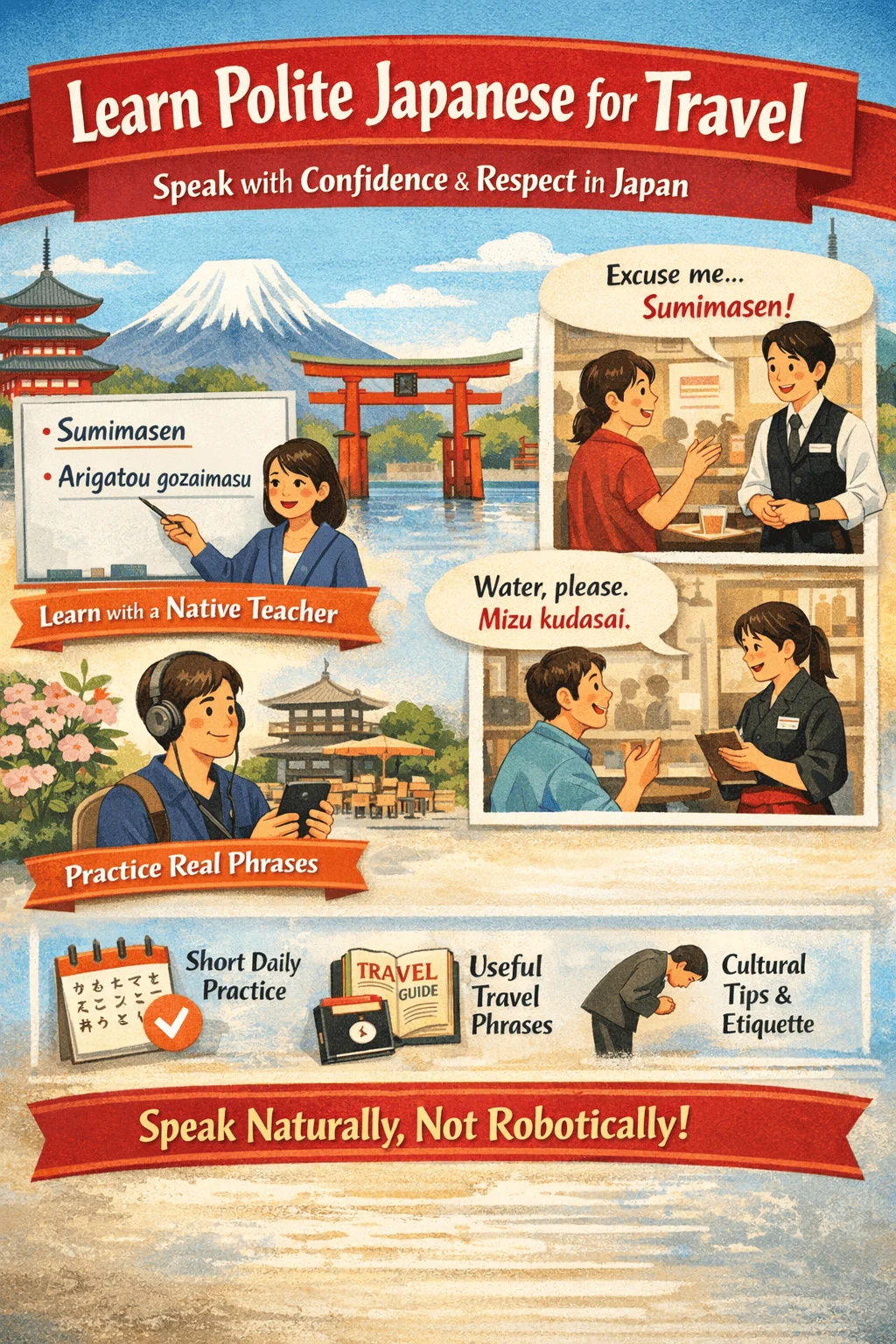
Traveling in Japan offers an unparalleled cultural immersion, but enhancing that experience hinges on effective communication. While the allure of Japan is undeniable, the prospect of mastering its intricate language can seem daunting for short-term visitors. This article explores how travelers can efficiently acquire and utilize polite Japanese, moving beyond rote memorization of phrasebooks to embrace practical conversation, cultural context, and targeted learning strategies. The emphasis is placed on understanding the function and application of key phrases, thereby fostering genuine connection and respect with local communities.
The Challenge of Language Acquisition for Tourists
The conventional approach to learning a foreign language for travel often involves memorizing extensive lists of phrases and vocabulary. However, this method can lead to unnatural, stilted speech and a disconnect from the fluid, context-dependent nature of real-life conversations. In Japan, politeness is not merely a matter of vocabulary but is deeply ingrained in social interactions, conveyed through tone, gesture, and situational awareness. For travelers, this presents a dual challenge: acquiring the necessary linguistic tools while also understanding the underlying cultural etiquette.
Many travelers find traditional methods, such as relying solely on guidebooks or short audio courses, insufficient for grasping the nuances of Japanese politeness. These resources often provide a basic framework but lack the interactive element necessary to build confidence and adaptability. The effectiveness of learning is significantly amplified when it is grounded in authentic scenarios and provides explanations for why certain linguistic choices are made. This deeper understanding is crucial for navigating the spectrum of politeness, from casual interactions to formal exchanges.
The Power of Contextual Learning and Expert Guidance
Recent pedagogical shifts in language acquisition underscore the efficacy of learning through real-world application. For travelers preparing for Japan, this translates to focusing on phrases and conversational patterns most likely to be encountered in everyday situations. This includes interactions such as ordering food, checking into accommodations, asking for directions, and expressing gratitude or apologies.
The role of qualified instructors, particularly those specializing in travel preparation, has become increasingly valuable. A Japanese teacher experienced in preparing travelers can offer tailored guidance on tone, etiquette, and common scenarios. This personalized approach ensures that learners focus their efforts on practical language skills that will directly enhance their travel experience, rather than investing time in memorizing phrases that may rarely be used. The ability to clarify subtle distinctions in politeness and understand the cultural implications of language use is a significant advantage.
Data from language learning platforms suggests that learners who engage in conversation practice see a marked improvement in fluency and confidence. For instance, platforms that connect learners with native speakers for short, focused sessions often report higher learner retention and faster progress in practical communication skills. This mirrors the experience of travelers who actively seek out opportunities to use newly acquired language, even in small doses.
Embracing a Memorization-Free Approach to Polite Japanese
The core principle for efficient learning lies in moving away from memorization-heavy curricula towards methods that prioritize understanding and application. Mastering polite Japanese for travel can be achieved by concentrating on a select group of essential courtesy phrases, fundamental greeting patterns, and concise expressions for immediate or sensitive situations. This strategic focus equips travelers with the confidence to navigate daily life in Japan without the burden of extensive linguistic memorization.
Essential Courtesy Phrases: Building Blocks of Respect
Certain polite words are ubiquitous in Japanese interactions, acting as linguistic cornerstones. Sumimasen stands out as a remarkably versatile phrase, functioning as both "excuse me" and "sorry." Its utility extends to gaining attention, politely interrupting, or offering a brief apology for minor inconveniences. Understanding its multifaceted application is key to its effective use. For example, when trying to get a waiter’s attention in a restaurant, a simple "Sumimasen" followed by a request is standard practice.
Kudasai is another indispensable phrase, translating to "please" and forming the basis of polite requests. When combined with nouns, it creates clear and respectful directives, such as "Mizu kudasai" (Water, please) or "O-cha kudasai" (Tea, please). This structure allows for direct yet courteous communication, particularly in service settings.
Beyond these foundational terms, expressions like Arigatou gozaimasu (Thank you very much) and Onegaishimasu (Please, often used in a more formal or anticipatory sense) convey significant respect. "Onegaishimasu" is frequently used when making a request or when presenting something, implying a polite expectation of service or assistance. The functional clarity of these phrases aids memorization through repeated use rather than abstract recall.
The art of sounding natural in Japanese also involves paying attention to tone and timing. A gentle vocal delivery and subtle gestures, such as a slight bow, often complement polite language. In commercial environments like shops and restaurants, the consistent and natural repetition of simple phrases like "Sumimasen" or "Arigatou" throughout the day reinforces their integration into the traveler’s repertoire, building comfort with Japanese linguistic basics.
Strategic Greetings: Signaling Respect and Awareness
Japanese greetings are more than mere salutations; they are indicators of respect, time awareness, and social context. The standard diurnal greetings are Ohayou gozaimasu (Good morning), Konnichiwa (Good afternoon), and Konbanwa (Good evening). Adopting these greetings at the appropriate times demonstrates an understanding of and adherence to local customs.
While Sayonara is widely recognized as "goodbye," its usage can be perceived as somewhat final. In everyday interactions among friends or colleagues, shorter farewells like "Jaa ne" (See you) or "Mata ne" (See you later) are more common. For polite departures in public or professional settings, phrases like Shitsurei shimasu (Excuse me for leaving) or Dewa mata (See you again) are more appropriate. Each phrase carries a specific social weight, preventing the user from sounding either overly formal or inappropriately casual.
The practice of Omotenashi, or Japanese hospitality, is deeply intertwined with greetings and polite exchanges. Returning a greeting with sincerity and a genuine smile acknowledges this cultural value. Even when language fluency is limited, a warm demeanor and a respectful attitude can foster positive interactions and bridge communication gaps.
Minimal Phrases for Emergencies and Apologies
In situations requiring urgent assistance or when an apology is necessary, a few concise expressions can be invaluable. For immediate danger, Tasukete! (Help!) is the critical phrase. When seeking medical assistance, knowing Byouin wa doko desu ka? (Where is the hospital?) can be vital. Having these short, impactful phrases readily accessible can make a significant difference in stressful circumstances.
For less critical but still important apologies, Sumimasen can be employed, or Gomen nasai for a more direct and slightly stronger apology. These expressions serve to acknowledge responsibility and express regret without requiring extensive explanation, maintaining politeness and social harmony.
Effective Learning Methodologies for the Modern Traveler
Acquiring functional and polite Japanese for travel does not necessitate prolonged, intensive study. The focus should be on practical application, real-world usage, and the development of simple, consistent habits. By paying close attention to natural speech patterns and the cultural context in which language is used, travelers can significantly enhance their ability to communicate respectfully and confidently.
Memorization-Free Techniques for Accelerated Acquisition
The most effective learning strategies bypass lengthy vocabulary lists in favor of contextual learning. Engaging with short, authentic dialogues—such as those found in language exchange apps or travel-focused audio courses—provides practical exposure. Repeated encounters with useful, short phrases accelerate memory retention far more effectively than rote memorization. This method helps learners internalize how polite language is woven into genuine conversation.
Breaking down learning objectives into manageable, bite-sized goals is also beneficial. For instance, a traveler might dedicate a week to mastering greetings and essential courtesy phrases, followed by a focus on ordering food and asking for directions in the subsequent period. This incremental approach prevents overwhelm and fosters a sense of consistent progress.
Shadow practice, a technique where learners repeat audio clips aloud as they listen, is highly effective for improving pronunciation, rhythm, and tone. This method allows for the natural acquisition of polite and casual forms without the cognitive load of conscious memorization. Over time, the ear becomes attuned to these distinctions.
Leveraging Japanese Writing Systems for Enhanced Comprehension
While full literacy in Japanese is beyond the scope of most short-term travelers, a basic understanding of its writing systems can significantly aid in recognizing politeness and context. Learning Hiragana, the phonetic script, is foundational as it forms the polite endings of many words and is used in common expressions. Subsequent familiarity with Katakana is useful for recognizing loanwords often found on signage and menus. Eventually, exposure to common Kanji (e.g., 日 for day, 食 for eat, 行 for go) can provide visual cues for meaning and formality.
Each writing style offers clues about tone and formality. For example, Kanji often appear in more formal contexts, such as official signs in shops or at train stations. Recognizing these characters helps learners infer politeness and context without needing to translate every single word. Maintaining a small notebook or digital note of encountered symbols and phrases can bridge the gap between visual memory and real-life application.
Harnessing Technology and Cultural Immersion
Modern language learning is greatly enhanced by readily available technological tools. Speech recognition software within language apps allows for immediate pronunciation feedback, enabling travelers to refine their accent and intonation. Translation tools like Google Translate can be useful for checking grammar and understanding nuances, but it is crucial to verbally test phrases to gauge their natural flow.
Audio-based learning resources that offer slow playback options are invaluable for improving listening comprehension. These can be effectively paired with short role-playing exercises, simulating common travel scenarios like requesting assistance at a transportation hub or ordering a specific beverage.
Beyond technological aids, embracing cultural nuances is paramount. Small gestures such as a slight bow, the appropriate use of honorifics like -san (e.g., Tanaka-san), and demonstrating patience all contribute to respectful communication. Integrating these cultural practices with basic Japanese phrases creates more meaningful interactions and signals a genuine effort to connect with the local culture.
Conclusion: The Path to Confident and Respectful Communication
In summary, achieving fluency in polite Japanese for travel is attainable without the exhaustive memorization of phrasebooks. The most effective strategy involves a deliberate focus on phrases directly applicable to everyday travel needs, such as greetings, requests, and expressions of gratitude. The key is to integrate these phrases into real-life situations, allowing them to become ingrained naturally through repeated use.
Practicing small sets of words and actively employing them throughout a trip, even for simple interactions like saying "Arigatou" (thank you) or "Sumimasen" (excuse me), significantly enhances politeness and builds confidence. Local Japanese people often value the effort and sincerity behind communication attempts more than linguistic perfection.
Observing and emulating how native speakers use language—paying attention to tone, rhythm, and accompanying gestures—provides invaluable insights into what sounds natural. Over time, these observations evolve into ingrained habits that make polite speech a seamless part of a traveler’s routine.
Ultimately, the journey to confident and respectful communication in Japan is one of learning through active use rather than passive memorization. By prioritizing meaningful phrases, engaging in real interactions, and maintaining a patient, open-minded approach, travelers can cultivate both comfort and profound respect as they explore the rich tapestry of Japan. This method not only facilitates smoother travel but also fosters deeper cultural understanding and more authentic connections.



 Anjar Salim
 Chandra Hamzah
 Tatiana Tantri Indah Sari
 Budi Mulyono
 Lukman Taruna Persada Ramadan
