
 Anjar Salim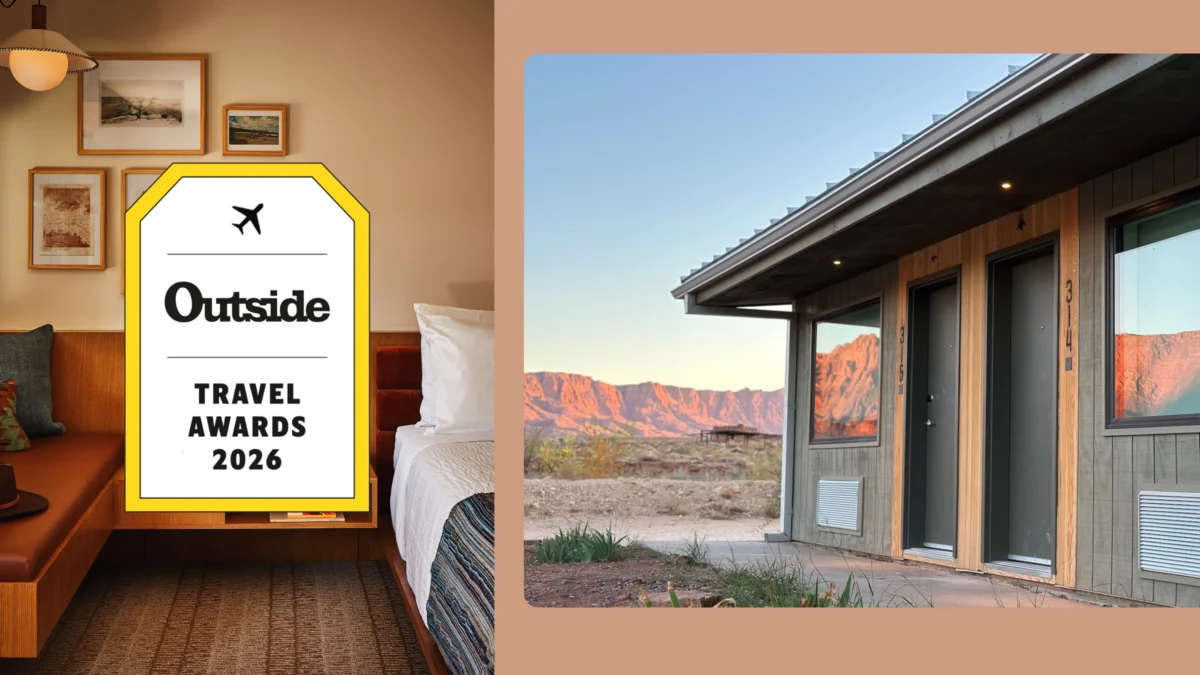
The landscape of American national park tourism is undergoing a fundamental transformation, signaled by a decisive shift from utilitarian lodging toward high-design "base camps" that prioritize aesthetic rigor and curated experiences. For decades, the hospitality infrastructure surrounding the Grand Canyon was defined by a binary choice: the historic but often acoustically challenged grandeur of legacy hotels like the El Tovar, or the functional but uninspired motels of gateway towns. However, as of March 2026, a new era of "soft adventure" hospitality has matured, characterized by properties that treat the journey and the accommodation as integral components of the wilderness experience. This shift, highlighted by the 2026 Outside Travel Awards, emphasizes that for the modern traveler, physical comfort and cultural immersion are no longer viewed as antithetical to the rugged exploration of the American West.
The Bifurcation of the Canyon Experience: North vs. South
The current market for Grand Canyon lodging has bifurcated into two distinct geographical and experiential offerings. To the north, the focus has shifted toward seclusion, indigenous partnership, and geological intimacy. To the south, the revitalization of historic transit hubs has created a social, design-forward atmosphere that leans into the nostalgia of the American road trip. This geographical divide allows travelers to choose between the "secret" wilderness of the Marble Canyon region or the vibrant, accessible energy of the Williams and South Rim corridor.
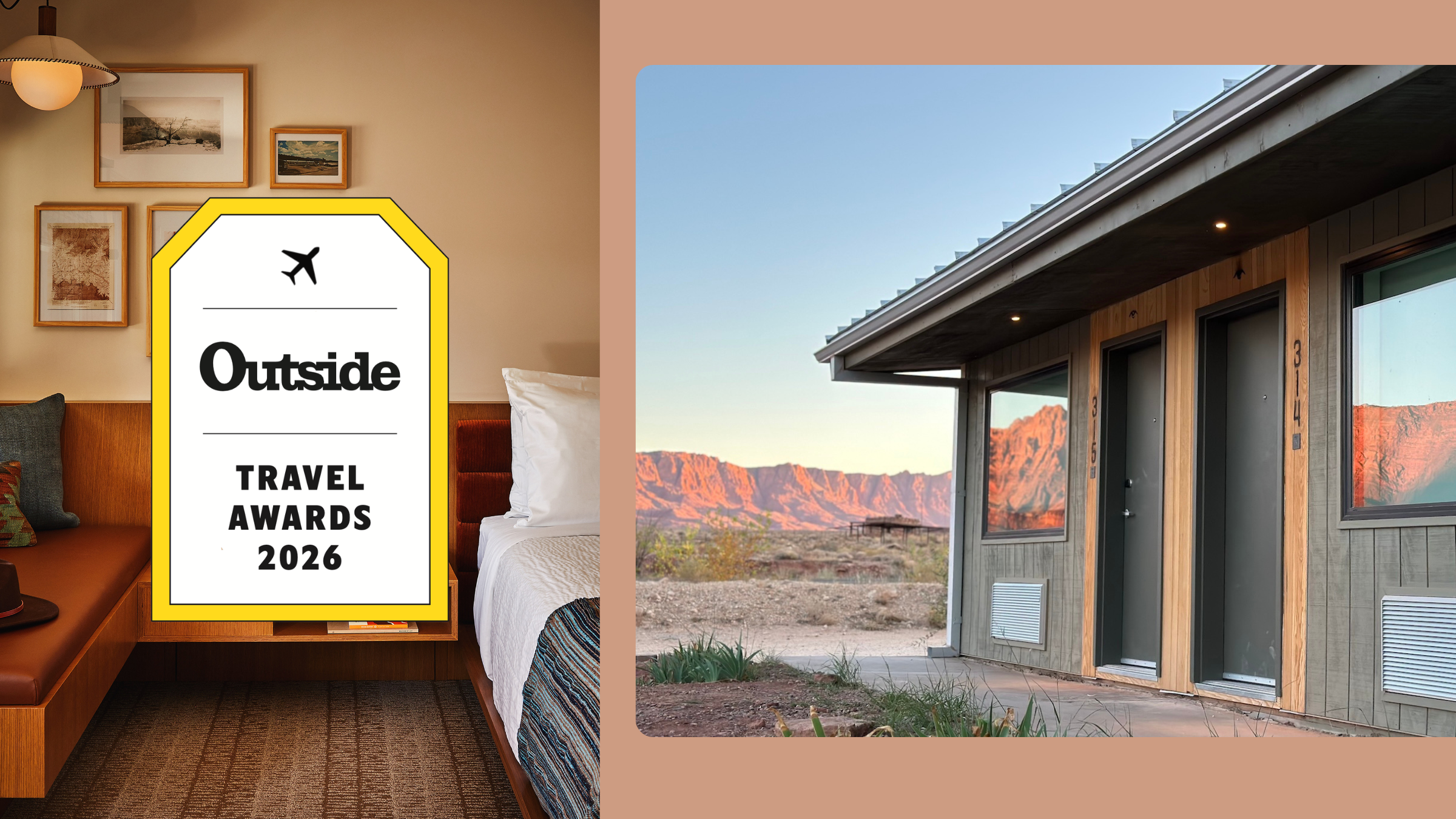
Industry analysts suggest that this trend is driven by a demographic shift in national park visitors. Data from the 2025 National Park Service Visitor Survey indicated that nearly 60% of visitors now seek "premium base camp" experiences—lodging that offers high-quality bedding, artisanal culinary options, and curated excursion planning—rather than traditional camping or budget motels. This demand has paved the way for brands like Terra Vi and Trailborn to reimagine the standard for outdoor hospitality.
The North Rim: Marble Canyon Lodge and the Terra Vi Reimagining
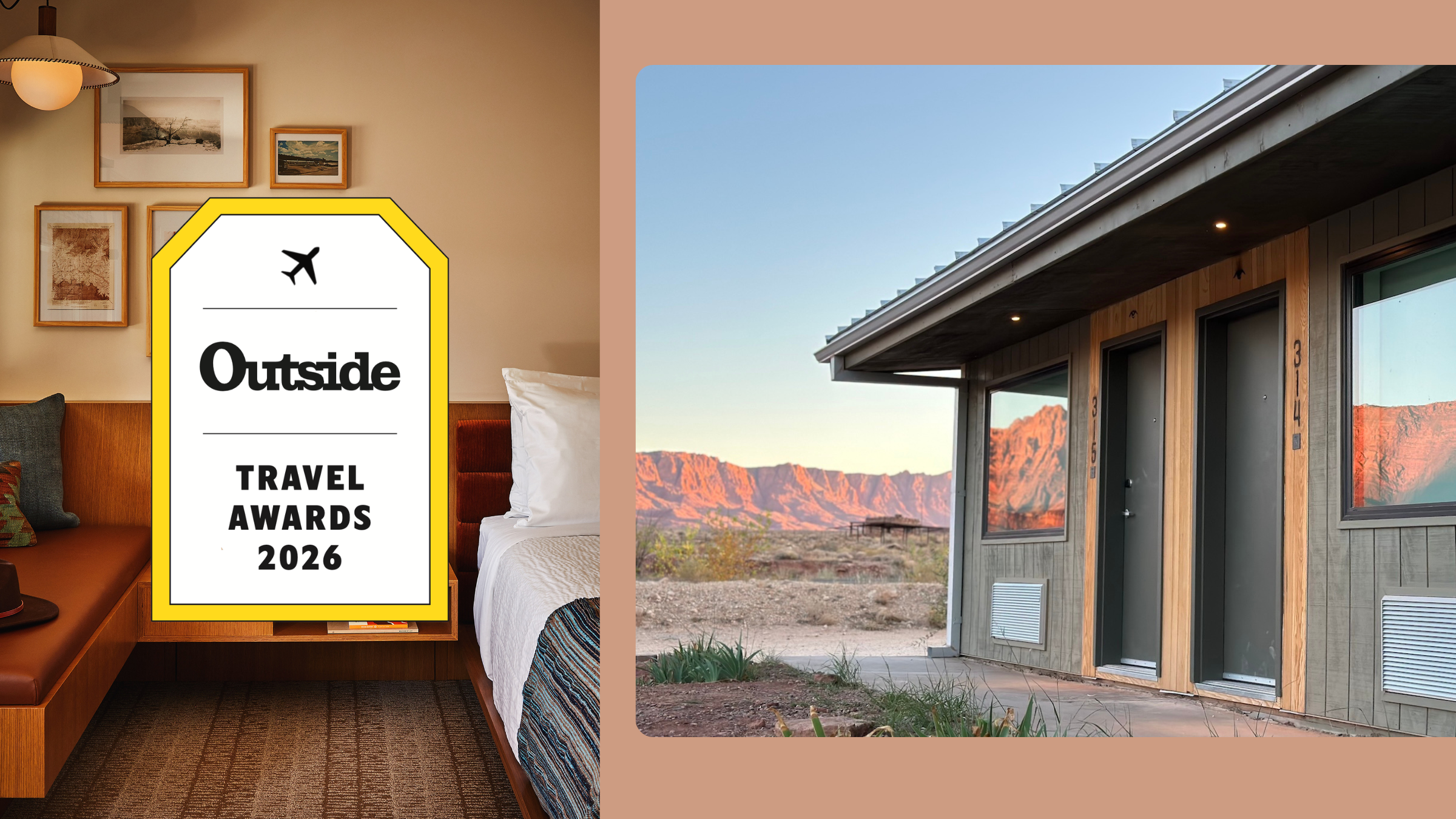
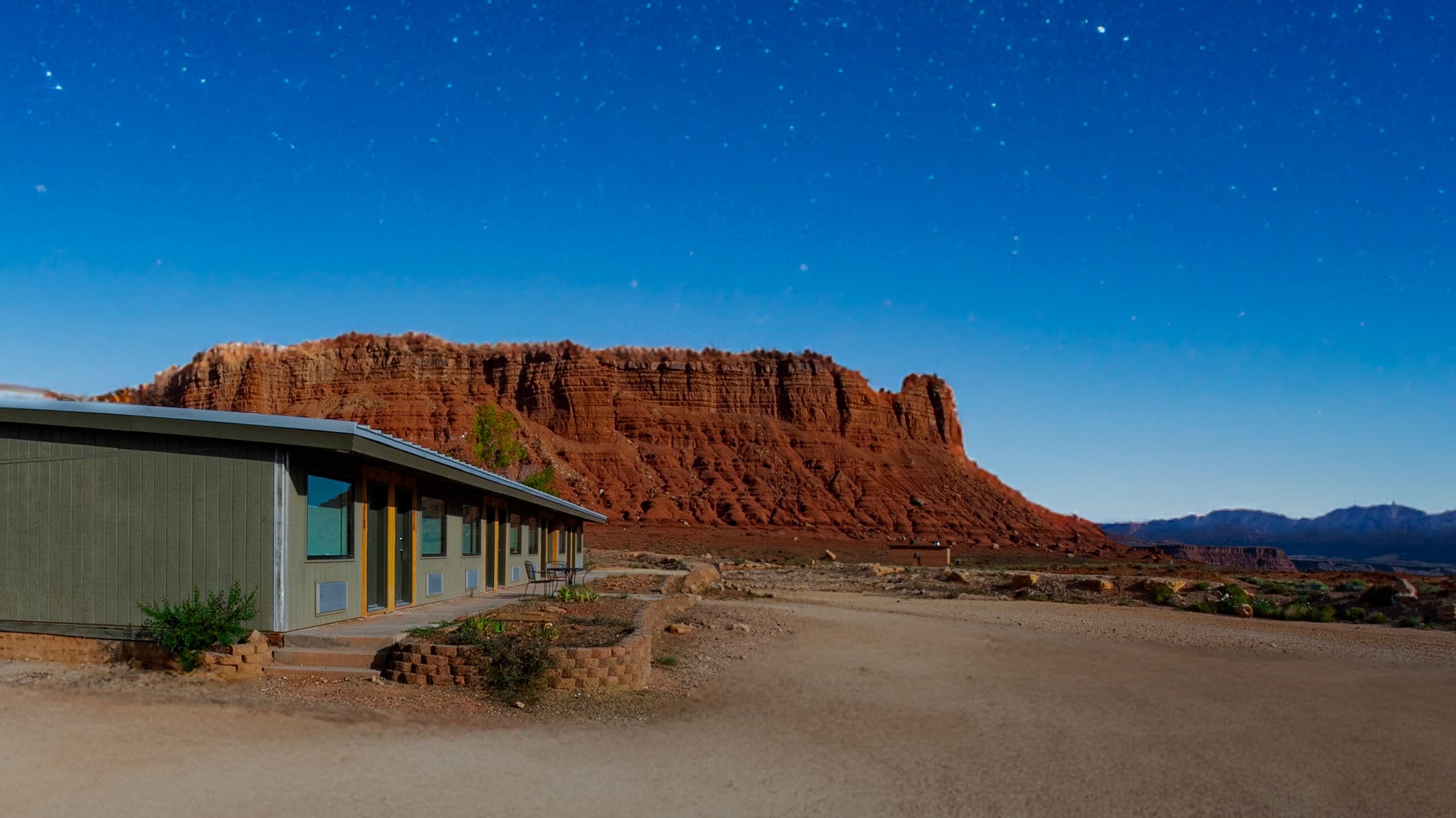
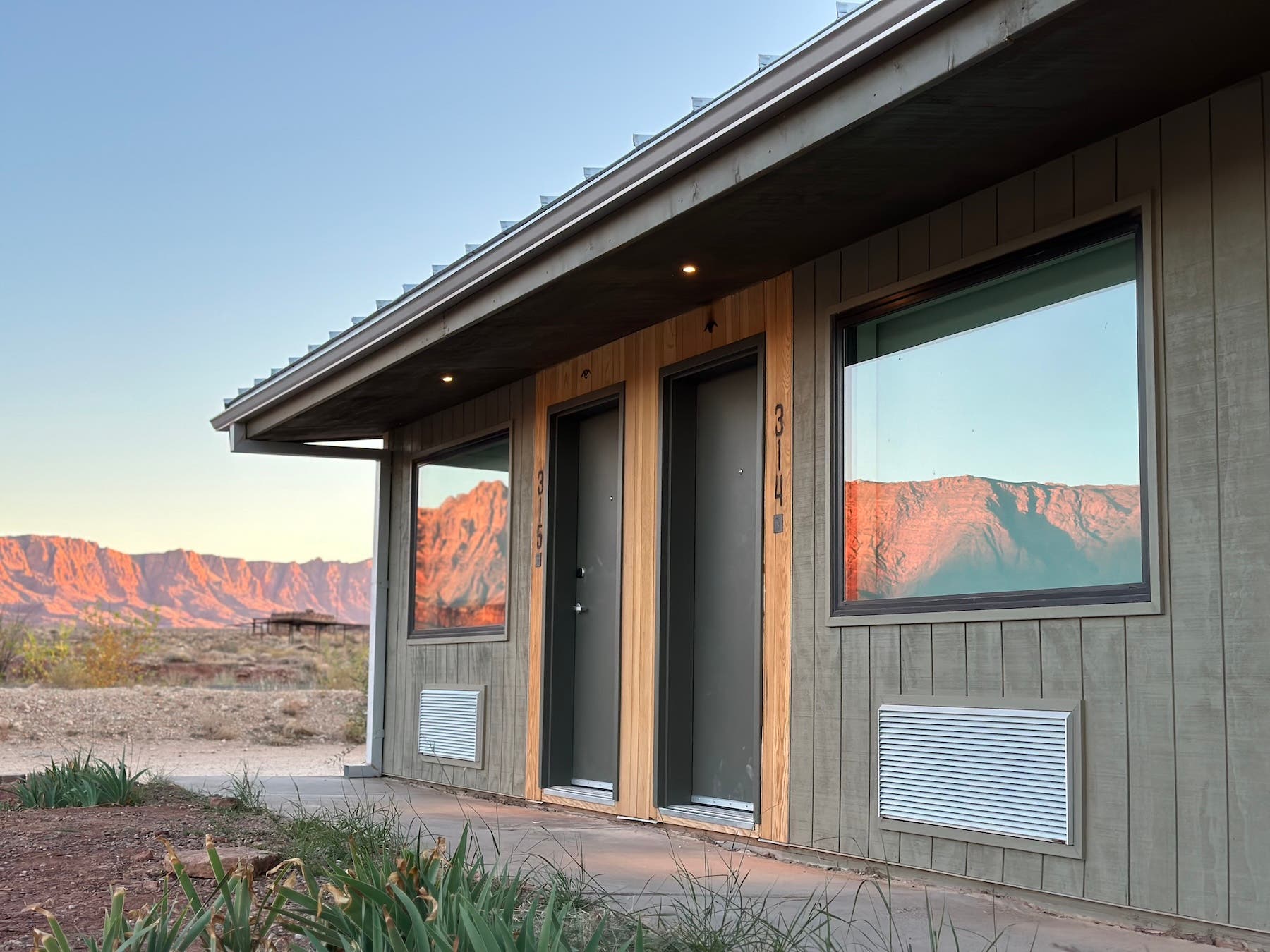
Located at the edge of the Vermilion Cliffs, the Marble Canyon Lodge has transitioned from a historical roadside relic into a flagship for "intentional" Southwestern hospitality. Originally established in 1929 as a trading post, the property was recently overhauled by the nature-forward brand Terra Vi. The redesign avoids the clichés of frontier décor, instead opting for a "contemporary Southwestern polish" that utilizes hand-thrown ceramics, wool blankets in earthy palettes, and tactile materials that mirror the surrounding sandstone.
The strategic importance of Marble Canyon Lodge lies in its proximity to Lees Ferry, the primary launch point for multi-day Colorado River rafting expeditions. By positioning itself as both a pre-trip staging area and a post-trip sanctuary, the lodge has captured a high-value segment of the adventure market. Furthermore, the property has established a precedent for cultural integration through its partnership with Navajo guides. These partnerships offer guests exclusive access to "off-map" slot canyons, providing a level of exclusivity and education that traditional park tours often lack.
Culinary offerings at the lodge have also seen a significant upgrade. The on-site restaurant, The Lonely Jackrabbit, represents a departure from standard roadside fare. By focusing on regional flavors—such as prickly pear margaritas and green chile cheeseburgers—the property addresses a long-standing criticism of national park dining: that the food rarely matches the quality of the scenery.
The South Rim: Trailborn and the Revival of the American Motor Lodge
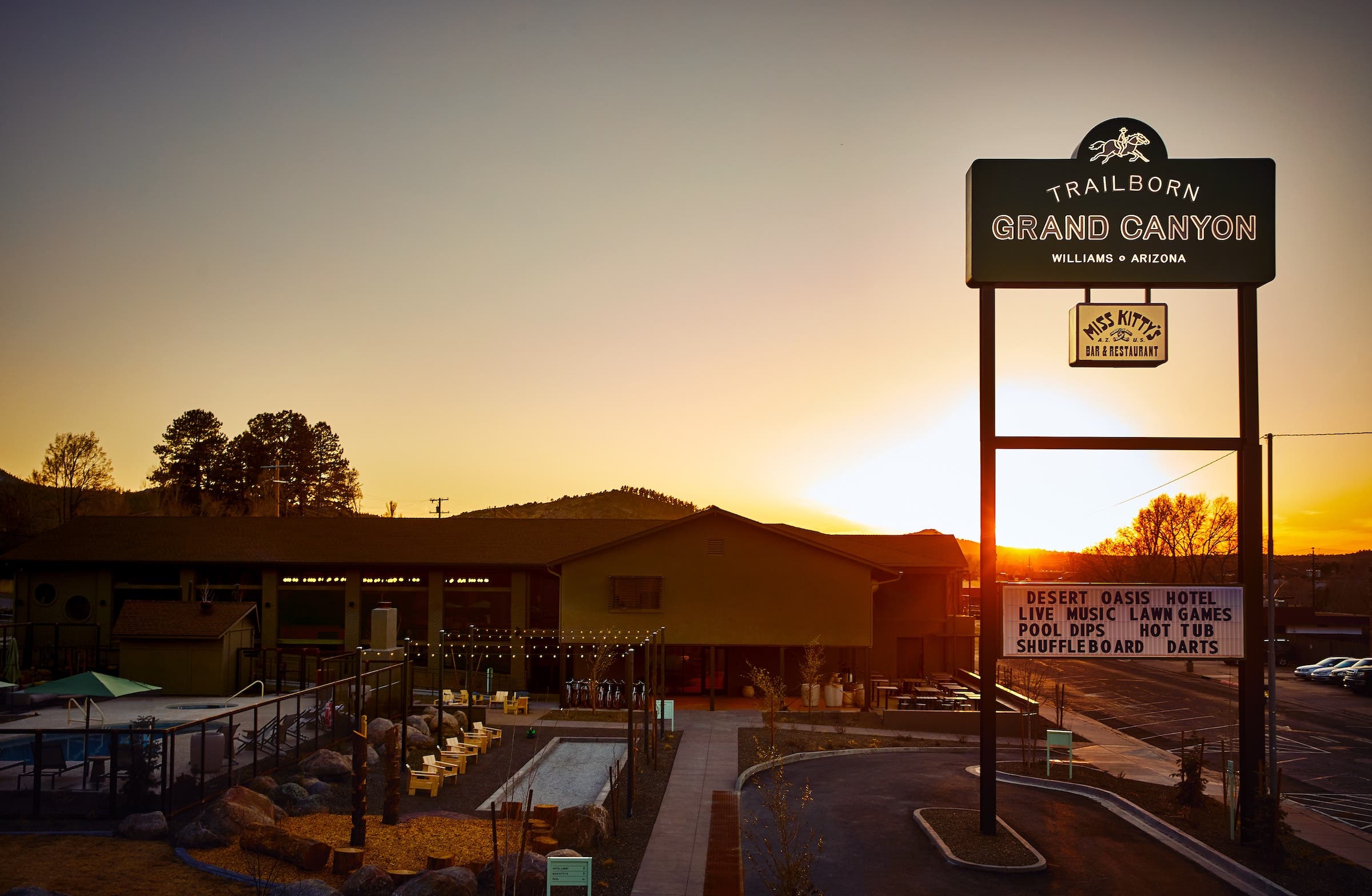
While the North Rim emphasizes seclusion, the South Rim’s hospitality evolution is centered on the town of Williams, Arizona, and the revival of the "great American motel." Trailborn Grand Canyon, a property within the Marriott Bonvoy Outdoor Collection, exemplifies the "retro-chic" movement. The hotel eschews the canvas-tent aesthetic common in the glamping sector in favor of a permanent, high-design structure influenced by the architectural philosophies of firms like Lake Flato.
Trailborn’s approach focuses on the "social hub" model. Features such as custom velvet headboards, Tivoli Bluetooth speakers, and Grown Alchemist amenities cater to a traveler who values the comforts of an urban boutique hotel but desires immediate access to the outdoors. The property’s common areas, including the pool and the bar at Miss Kitty’s, are designed to facilitate community among hikers and road-trippers, positioning the hotel as a cultural destination in its own right along the historic Route 66.
A Chronology of Grand Canyon Hospitality
The transition to high-design base camps in 2026 is the result of over a century of evolving travel trends:
- 1901–1905: The arrival of the Santa Fe Railway and the opening of the El Tovar Hotel established the Grand Canyon as a luxury destination for the social elite.
- 1920s–1930s: The construction of Marble Canyon Lodge (1929) and Phantom Ranch (1922) expanded the footprint of tourism, though accommodations remained rustic and functional.
- 1950s–1970s: The rise of the family road trip led to the proliferation of budget motels in Williams and Tusayan, prioritizing quantity of rooms over quality of experience.
- 2015–2022: The "Glamping Boom" introduced high-end canvas stays, signaling a renewed interest in the intersection of luxury and the outdoors.
- 2023–2026: The "Base Camp Era" takes hold, characterized by the full-scale renovation of historic lodges and motels into high-design, year-round boutiques.
Supporting Data and Economic Impact
The economic implications of this hospitality shift are substantial. According to 2025 regional economic reports, the "gateway communities" of Williams and Marble Canyon have seen a 22% increase in per-visitor spending since the introduction of these high-design properties. Travelers are staying longer—averaging 3.8 nights compared to the 1.5-night average of a decade ago—and are spending more on ancillary services such as guided tours and high-end dining.
Furthermore, the "Adventure Hospitality" sector is projected to grow by 12% annually through 2030. This growth is largely attributed to the "suffering is optional" philosophy, which expands the national park demographic to include older travelers with high disposable income and younger, design-conscious professionals who previously might have chosen international metropolitan destinations over domestic parks.
Official Responses and Industry Sentiment
While the National Park Service (NPS) maintains a policy of neutrality regarding off-site private developments, officials have privately noted that high-quality gateway lodging helps alleviate the pressure on over-taxed in-park infrastructure. "When gateway communities offer high-caliber accommodations, it allows the park to focus on conservation and trail maintenance rather than housing the entirety of the visiting public," noted a regional tourism liaison.
Representatives from Terra Vi have emphasized that their mission is "philosophical" as much as it is commercial. "Arriving at the rim of the Grand Canyon should be a transcendent experience," a spokesperson stated during the 2026 Travel Awards. "But it is difficult to achieve transcendence when you haven’t slept well. We believe that comfort makes you a more present, more respectful traveler."
Similarly, Trailborn’s management has highlighted the importance of "place-making" in their Williams property. By integrating with the local history of Route 66 while providing modern luxuries, they aim to create a "smart stay" that honors the past without being trapped by it.
Broader Implications for National Park Tourism
The success of Marble Canyon Lodge and Trailborn serves as a blueprint for other iconic American landscapes. Similar high-design developments are currently underway near Zion, Yosemite, and Acadia National Parks. The "base camp" model suggests that the future of domestic travel lies in the professionalization of the "outdoor lifestyle"—a move away from the "roughing it" trope and toward a sophisticated, curated engagement with nature.
This trend also highlights an increasing focus on sustainability and indigenous equity. By partnering with Navajo guides and utilizing local materials, these properties are beginning to address the historical criticisms of national park tourism as an extractive industry. In 2026, the "best" place to stay is no longer defined merely by its proximity to the rim, but by how thoughtfully it connects the traveler to the culture, the history, and the physical reality of the canyon itself. As the 2026 travel season begins, the message is clear: the Grand Canyon has not changed, but the way we inhabit its edges has been permanently elevated.




 Chandra Hamzah
 Tatiana Tantri Indah Sari
 Budi Mulyono
 Lukman Taruna Persada Ramadan