
 Budi Mulyono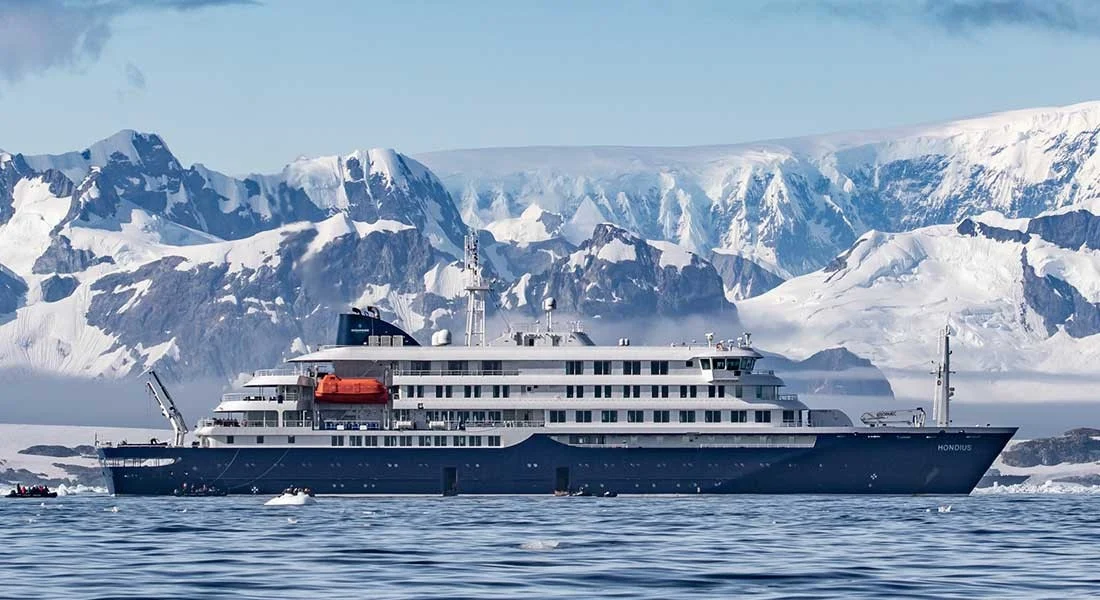
Health authorities and maritime investigators have identified a specific shore excursion in Ushuaia, Argentina, as the likely origin of a deadly Hantavirus cluster that claimed the lives of three passengers aboard the expedition cruise ship MV Hondius. The World Health Organization (WHO) confirmed on May 7, 2026, that five cases of the rare Andes strain of the virus were linked to the vessel, with an additional three suspected cases under investigation. While early media reports focused on the ship as the primary site of contagion, emerging evidence suggests the exposure occurred on land, specifically during an unofficial tour of an industrial fringe zone and landfill site utilized for birdwatching.
The outbreak has sent ripples through the Antarctic cruise industry, highlighting the vulnerabilities of expedition travel and the risks associated with unvetted third-party shore excursions. Of the confirmed cases, three resulted in fatalities, while other infected individuals, including crew members and passengers of various nationalities, were evacuated to high-level biocontainment facilities in Europe and the United States. American passengers involved in the incident were transported to the University of Nebraska Medical Center (UNMC) in Omaha, a facility renowned for treating high-consequence pathogens such as Ebola and early cases of COVID-19.
Understanding the Andes Orthohantavirus Strain
To understand the gravity of the MV Hondius incident, it is necessary to distinguish the Andes orthohantavirus from other common cruise ship illnesses. Unlike Norovirus, which is highly contagious through shared surfaces and contaminated food, or Legionella, which thrives in water systems, Hantavirus is typically a zoonotic respiratory disease. It is primarily transmitted to humans through contact with the urine, saliva, or droppings of infected rodents—specifically the long-tailed pygmy rice rat in the Andean regions of South America.
The Andes strain is particularly concerning to global health officials because it is the only Hantavirus variant known to be capable of human-to-human transmission. While such transmission is rare and generally requires close, prolonged contact, it necessitates a much higher level of quarantine and biocontainment than standard viral outbreaks. According to data from the Centers for Disease Control and Prevention (CDC), Hantavirus infections in the United States are infrequent, with fewer than 900 cases recorded over a twenty-year period. However, the mortality rate is high, often exceeding 35%. The disease typically progresses from flu-like symptoms—fever, muscle aches, and fatigue—to Hantavirus Pulmonary Syndrome (HPS), characterized by severe respiratory distress and fluid accumulation in the lungs.
Chronology of the Outbreak
The timeline of the MV Hondius cluster began in late April 2026, as the vessel prepared for one of its final Antarctic voyages of the season. The ship, operated by Oceanwide Expeditions, is a reinforced ice-class vessel designed for polar exploration, typically carrying around 170 passengers.
The sequence of events is believed to have started in Ushuaia, the southernmost city in Argentina and the primary gateway for Antarctic expeditions. Before embarking on the Hondius, a group of passengers, including a Dutch couple later identified as the likely index cases, participated in a shore excursion. Investigators believe this excursion took the group into an industrial peripheral zone near a local landfill. Shortly after the ship departed for the Southern Ocean, the first signs of illness appeared.
By the time the vessel reached the remote waters of the Antarctic Peninsula, several passengers were experiencing acute respiratory failure. The ship’s medical team initiated emergency protocols, but the remote location presented significant logistical hurdles for evacuation. On May 7, the WHO officially declared the cluster a public health event of international concern. The deceased include the Dutch couple and a third passenger whose nationality has not been publicly disclosed. Following the deaths, the ship returned to port, and a coordinated international medical evacuation was launched to move the remaining sickened individuals to specialized hospitals equipped to handle the Andes strain.
The Landfill Theory and Shore Excursion Risks
Argentine investigators have focused their attention on the "Ushuaia landfill theory." While Ushuaia is known for its stunning vistas of the Beagle Channel and the Martial Glacier, it also possesses an informal "urban exploration" and birdwatching subculture. Certain local operators offer tours that pass through the city’s industrial fringes and public works areas.
While it may seem counterintuitive for luxury travelers—some paying upwards of $20,000 for an Antarctic cruise—to visit a waste site, investigators noted that landfills in the region are often hubs for rare bird species. Birdwatching is a primary driver for Antarctic tourism, and the promise of sighting specific scavengers or migratory birds often leads enthusiasts to unsanitary locations. These areas are also prime habitats for the rodent populations that carry the Andes virus.
The investigation revealed that the specific tour in question was not vetted or sanctioned by Oceanwide Expeditions. In the expedition cruise industry, many passengers arrive in the embarkation city several days early and book independent tours through platforms like Viator or Expedia, or through local "mom-and-pop" operators. This creates a gap in the "chain of custody" for passenger safety, as cruise lines have no oversight regarding the sanitary conditions or safety protocols of these independent excursions.
Medical Response and Biocontainment Efforts
The decision to transport American passengers to the University of Nebraska Medical Center underscores the perceived risk of the Andes strain. The UNMC’S Global Center for Health Security is one of the few facilities in the world capable of managing pathogens that require both high-level respiratory protection and strict contact precautions.
The treatment for Hantavirus is largely supportive, as there is no specific antiviral cure or vaccine. Patients in the MV Hondius cluster required intensive care, including mechanical ventilation and, in some cases, extracorporeal membrane oxygenation (ECMO) to oxygenate the blood outside the body while the lungs recovered. The use of such advanced medical technology is impossible on a cruise ship, emphasizing the danger of contracting such a virus in the remote Antarctic wilderness.
The Argentine Ministry of Health has since increased surveillance in the Tierra del Fuego province. Local authorities are working to identify the specific vendor responsible for the landfill tour, though the informal nature of some local operations has made this task difficult.
Implications for the Antarctic Cruise Industry
The MV Hondius incident is expected to lead to a significant shift in how expedition cruise lines manage pre-embarkation protocols. Currently, strict biosecurity measures are in place to protect the Antarctic environment; passengers must have their clothing vacuumed and their boots disinfected before stepping onto the continent to prevent the introduction of invasive species or avian flu. However, these protocols have historically been one-way, designed to protect the destination rather than the passengers.
Industry analysts suggest that future contracts may include clauses requiring passengers to disclose their pre-embarkation activities or mandating that they only use cruise-line-vetted transportation and tours in "high-risk" gateway cities. There is also a call for increased education regarding the risks of "urban exploration" in regions where zoonotic diseases are endemic.
Despite the tragedy, booking data for the 2026-2027 Antarctic season remains strong. Travel experts note that while the cruise ship was the environment where the illness manifested, it was not the source. This distinction is vital for the industry’s recovery. The ship acted as a "diagnostic environment," where the close-knit nature of the community allowed health officials to quickly identify the cluster and notify international authorities.
Conclusion and Future Outlook
The deaths of three passengers aboard the MV Hondius serve as a somber reminder of the unpredictable nature of global travel and the hidden risks of the natural world. As the investigation in Argentina concludes, the focus remains on the unregulated third-party excursion market. The "landfill tour" highlights a paradoxical risk in modern travel: the desire for "authentic" or "off-the-beaten-path" experiences can lead travelers into environments that lack basic sanitary oversight.
For future travelers to the "End of the World," the lesson is one of caution. While the vast majority of Ushuaia’s shore excursions—such as trekking in Tierra del Fuego National Park or sailing the Beagle Channel—are safe, the fringe elements of the local tourism economy present unique hazards. The cruise industry will likely respond with more rigorous screening of local contractors and a potential expansion of biosecurity protocols to include the embarkation phase of the journey. For now, the MV Hondius serves not as a cautionary tale of shipboard hygiene, but as a case study in the complexities of zoonotic disease and the importance of maintaining a controlled environment in the world’s most remote reaches.




 Anjar Salim
 Chandra Hamzah
 Tatiana Tantri Indah Sari
 Lukman Taruna Persada Ramadan