
 Anjar Salim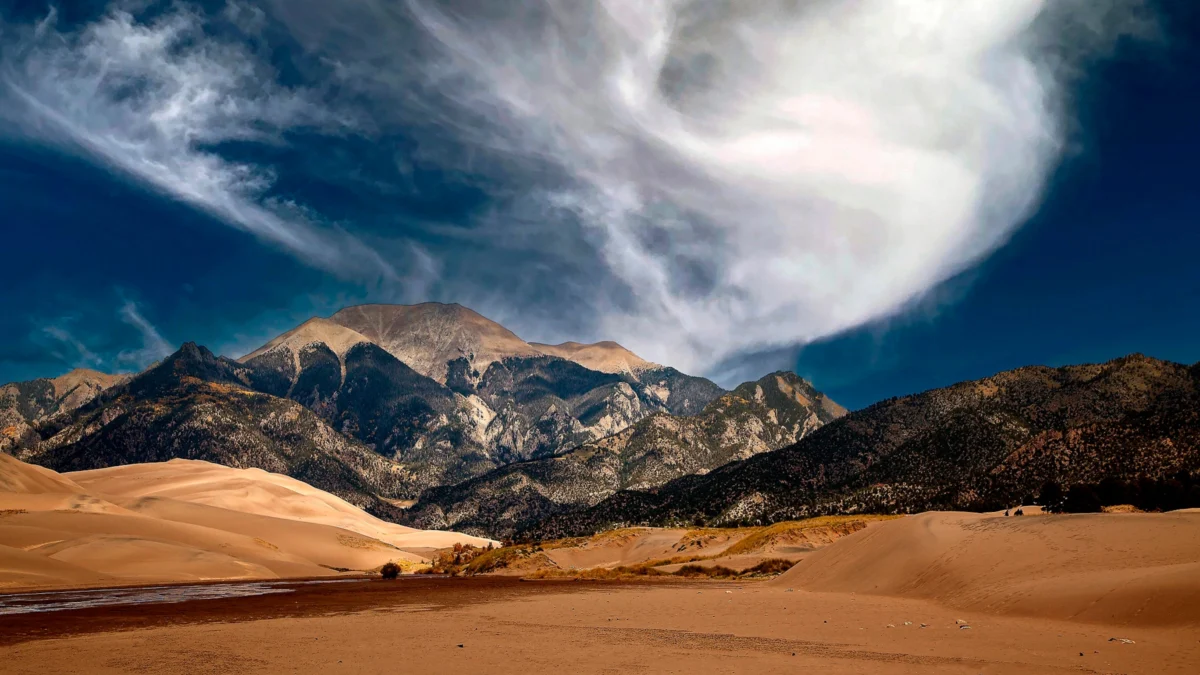
The Department of the Interior has issued an internal directive to the National Park Service (NPS) to immediately relax long-standing restrictions on hunting and trapping at dozens of federal sites, marking one of the most significant shifts in public land management policy in decades. According to documents first reported by The New York Times and later confirmed by internal memos dated April 21, 2026, the Trump administration is seeking to dismantle regulatory barriers that have historically separated traditional hunting activities from general recreation in many of the nation’s protected areas. The directive, authored by Interior Secretary Douglas Burgum, instructs park superintendents to remove any hunting or trapping prohibitions that are not explicitly required by state law or deemed absolutely essential for public safety and resource protection.
This policy shift represents a fundamental change in how the NPS balances its dual mandate of preservation and recreation. While marquee national parks such as Yellowstone, Yosemite, and the Grand Canyon continue to maintain strict prohibitions on hunting, the new order targets a wide array of other NPS-managed lands, including national preserves, national recreation areas, and national seashores. Data provided by the National Parks Conservation Association (NPCA) indicates that at least 15 sites have seen their restrictions loosened immediately, with an additional 40 sites currently under review for similar changes. The directive effectively reverses a century of precedent where hunting was the exception rather than the rule on NPS lands.
Chronology of the Policy Shift
The rollout of these changes follows a structured timeline that began in early 2026. On January 7, Secretary Burgum issued Secretarial Order 3447, which laid the groundwork by commanding federal land managers to identify and eliminate "unnecessary regulatory or administrative barriers" to hunting and fishing. This order was framed as an effort to streamline bureaucracy and provide greater access to "sportsmen and women" who have historically contributed to conservation through licensing fees and excise taxes.
Following the January order, the Department of the Interior conducted an internal review of existing park-specific regulations. On April 21, the formal implementation memo was distributed to NPS regional directors and superintendents. The memo specifically targeted "patchwork" regulations—rules created by individual park units that were more restrictive than the laws of the states in which the parks are located. By May 4, reports began to surface regarding the immediate impact of these changes, particularly in high-traffic areas like Florida’s Big Cypress National Preserve and Arizona’s Lake Mead National Recreation Area.
The rapid implementation has caught many conservation groups and former park officials off guard. Stephanie Adams, the wildlife program director for the NPCA, noted that the speed of the directive suggests an administration eager to bypass traditional administrative hurdles. "What it seems like, from the outside looking in, is maybe they weren’t getting barriers removed fast enough," Adams stated. "Now this memo went out, and it directed a number of superintendents to get rid of things unless they could absolutely justify them."
Immediate Changes and Affected Sites
The impact of the April 21 memo is already being felt across several states. In Louisiana, regulators at Jean Lafitte National Historical Park and Preserve have lifted a ban on reptile hunting, a move that allows for the harvesting of species previously protected under park-specific rules. In Tennessee, the Obed Wild and Scenic River has removed the requirement for hunters to obtain an NPS-issued permit to hunt feral hogs, deferring instead to state-level permits.
Perhaps most controversial are the changes involving public safety buffers. At Curecanti National Recreation Area in Colorado, the directive has led to the removal of language that prohibited shooting across or toward established hiking trails. Similarly, at Cape Cod National Seashore in Massachusetts, the administration is moving toward removing prohibitions on hunting during the peak summer beach season. These changes have sparked significant concern among non-hunting recreational users, such as hikers, birdwatchers, and families, who have historically relied on these seasonal and geographic "no-hunt" zones for safety.
The list of 55 potentially impacted sites includes iconic landscapes such as:
- Big Cypress National Preserve (Florida)
- Glen Canyon National Recreation Area (Arizona/Utah)
- Great Sand Dunes National Preserve (Colorado)
- Lake Mead National Recreation Area (Nevada/Arizona)
- Point Reyes National Seashore (California)
- Delaware Water Gap National Recreation Area (Pennsylvania/New Jersey)
Official Justifications and Stakeholder Perspectives
The Department of the Interior has defended the expansion as a "commonsense approach" to land management. In statements provided to various outlets, the DOI emphasized that the order aligns federal policy with state wildlife management goals. The administration argues that hunters are among the most dedicated stewards of public lands and that their access has been unfairly limited by "outdated or overly broad limitations."
"For decades, sportsmen and women have been some of the strongest stewards of our public lands," a DOI spokesperson said. "This order ensures their access is not unnecessarily restricted by limitations that are not required by law." The administration also contends that by deferring to state regulations, the NPS is reducing confusion for the public, who often face a confusing web of different rules when crossing from state land to federal land.
However, critics argue that the "minimum necessary" standard for restrictions puts park superintendents in a precarious position. Former NPS officials have expressed concern that the directive pressures career employees to prioritize political goals over scientific resource management. Dan Wenk, a 43-year veteran of the NPS and former superintendent of Yellowstone, warned that these rules were not implemented arbitrarily. "These are rules that were put in place because they were felt to be necessary for visitor safety and resource protection," Wenk said. "They shouldn’t be taken out in a cavalier manner."
Elaine Leslie, former chief of the NPS Biological Resources Division, echoed these concerns, suggesting that the "secret" nature of the internal memos undermines the public’s right to participate in land-use decisions. "Park superintendents are being asked to skirt these processes," Leslie said. She further noted that some staff members are "fearful of their jobs" if they do not comply with the Secretary’s directive to find and remove "obstacles" to hunting.
Broader Policy Context and Environmental Implications
The expansion of hunting access does not exist in a vacuum; it is part of a broader suite of changes affecting federal lands under the current administration. These include significant budget cuts to the NPS, the restructuring of the U.S. Forest Service—which involved relocating its headquarters to Utah—and the loosening of restrictions on offshore oil and gas drilling. Collectively, these actions signal a shift away from a "preservation-first" model toward a "multiple-use" model, even for lands traditionally managed for conservation.
The ecological implications of increased hunting and trapping are also a point of contention. Conservationists argue that removing restrictions on trapping, in particular, could lead to the unintended capture of non-target species, including endangered or threatened animals. Furthermore, the removal of safety buffers near trails could lead to increased human-wildlife conflicts and a decrease in the quality of the experience for the millions of visitors who travel to these parks for wildlife viewing rather than harvesting.
There is also the question of "fair chase" and the traditional ethos of the National Park Service. Since the passage of the National Park Service Organic Act in 1916, the agency has been tasked with conserving wildlife in such a manner as to leave them "unimpaired for the enjoyment of future generations." Critics argue that treating national recreation areas and preserves as extensions of state hunting grounds violates the spirit of this mission.
Impact on Visitor Experience and Safety
As the 2026 summer and fall seasons approach, the NPS faces the logistical challenge of communicating these changes to a public that may be unaware of the new rules. For decades, hikers in areas like Cape Cod or Lake Mead have operated under the assumption that certain areas were off-limits to firearms during peak periods. The sudden removal of these "guardrails" could lead to increased safety incidents or, at the very least, a shift in how the public utilizes these lands.
"Catering to one group or another compromises access and the experience for others," Leslie noted. The NPCA and other advocacy groups are calling for a more transparent process that includes public comment periods and environmental impact assessments before the changes become permanent. They argue that while hunting is a legitimate use of certain NPS lands, the current "top-down" mandate bypasses the scientific and social analysis required to ensure that such activities do not harm the resources or the safety of other visitors.
The coming months will likely see legal challenges from environmental groups seeking to halt the implementation of the memo. In the meantime, the National Park Service is moving forward with the directive, fundamentally altering the management landscape of over 50 federal sites and setting a new precedent for the future of America’s protected public lands. The tension between the administration’s "sportsman-first" policy and the traditional preservationist goals of the NPS remains a central point of debate in the ongoing struggle over the purpose and protection of the nation’s natural heritage.




 Chandra Hamzah
 Tatiana Tantri Indah Sari
 Budi Mulyono
 Lukman Taruna Persada Ramadan