
 Dwi Wanna
Years ago, an article titled "The Ultimate Guide to Traveling When You’re Broke" was reposted on the website Earth Porm. As the author, I observed the ensuing comment section with growing concern. Many remarks were dismissive and laden with misconceptions, revealing a pervasive belief that travel is an exclusive luxury, an endeavor only attainable by the affluent. This sentiment, despite the wealth of resources available on budget travel and accessible journeys, persists, painting travel as an expensive, perilous, and ultimately unattainable pursuit for the majority. The notion that travel is inherently costly and fraught with danger is a deeply ingrained myth, one that this article aims to thoroughly deconstruct by examining seven of the most prevalent misconceptions that deter individuals from exploring the world.
Myth #1: Travel is Inherently Expensive
The perception that travel necessitates significant financial resources is perhaps the most enduring myth. This belief is often perpetuated by marketing that associates vacations with lavish resorts, exclusive tours, and opulent accommodations, creating a subconscious link between "fun" and "expenditure." For decades, advertising campaigns have subtly, and sometimes not so subtly, reinforced the idea that a truly memorable vacation is a costly one. This conditioning has led to a collective consciousness that equates travel with luxury, a belief that even seasoned travelers may have once held.

However, the reality is far more nuanced. While travel undeniably involves costs, the assertion that it is only accessible to those with substantial financial backing is inaccurate. The cost of travel is largely determined by one’s choices, priorities, and planning strategies. The idea that one needs a trust fund or a high-paying job to embark on a fulfilling journey is a relic of outdated perceptions. As demonstrated by numerous successful budget travelers, including those who have achieved this on minimum wage, it is entirely possible to explore the world with careful planning, resourcefulness, and a willingness to adjust expectations. This often involves prioritizing experiences over material comforts, learning to efficiently plan trips, and diligently saving money. The financial commitment can be significant, and sacrifices may be necessary, but the dream of travel, whether for a fortnight or for years, is attainable through creative financial management and a strategic approach to saving.
Myth #2: Travel Credit Cards Can Damage Credit Scores
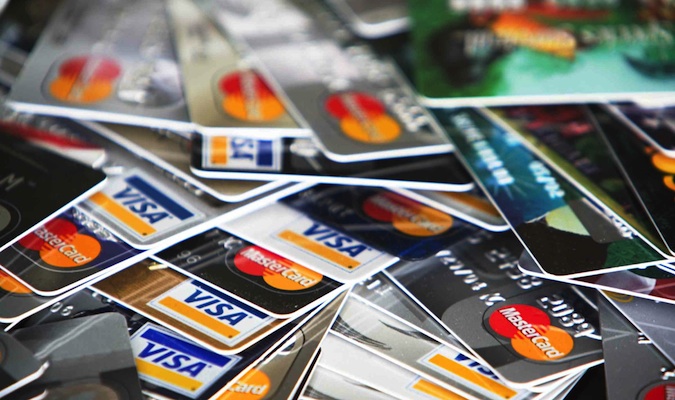
The strategic use of travel credit cards to accumulate points and miles for free or heavily discounted travel is a well-established practice within the travel community. This method involves leveraging everyday spending – groceries, utilities, dining, and entertainment – on co-branded travel cards to earn rewards without incurring additional expenses or engaging in complex financial maneuvers. The accumulation of these points and miles has, for many, translated into numerous complimentary flights and hotel stays, significantly reducing the overall cost of travel and expanding the possibilities for budget-conscious explorers.
A common concern voiced regarding travel credit cards is their potential to negatively impact credit scores. While it is true that applying for new credit can result in a temporary, minor dip in a credit score, this effect is typically short-lived, often rectifying within a couple of months, provided that card balances are consistently paid off on time. For individuals not planning significant financial commitments, such as purchasing a home, in the immediate future, this temporary fluctuation is unlikely to have a substantial adverse effect. In fact, over the long term, responsible use of credit, including the strategic utilization of travel cards, can actually enhance a credit score by increasing available credit and demonstrating a consistent history of timely payments. The fundamental purpose of building a good credit score is to leverage it for financial opportunities, and travel rewards programs offer a tangible benefit derived from this financial diligence. Many experienced travelers maintain multiple credit cards, actively using a select few, and simultaneously possess high credit scores, illustrating that responsible management is key.

Myth #3: Couchsurfing Presents Unacceptable Safety Risks
Couchsurfing, a platform operating within the sharing economy, facilitates cultural exchange by connecting travelers with local hosts who offer free accommodation, often a spare room or a couch. This model allows individuals to immerse themselves in a destination, gain local insights, and experience a city from a resident’s perspective, all while significantly reducing accommodation costs. While the prospect of staying in a stranger’s home may not appeal to everyone, Couchsurfing, when approached with due diligence, is a demonstrably safe and enriching way to travel.
Similar to other peer-to-peer accommodation platforms like Airbnb, Couchsurfing hosts maintain profiles that include reviews and feedback from previous guests. This system allows potential travelers to vet hosts, assess their compatibility, and make informed decisions about who they will stay with, mitigating potential risks. The platform’s emphasis on community and transparency fosters a sense of accountability among its users. Furthermore, Couchsurfing extends beyond overnight stays. The app can also be utilized to connect with locals for activities such as shared meals, coffee meetups, or visits to museums, offering a way to engage with the community without committing to a homestay. By employing common sense, carefully reading reviews, and trusting one’s intuition, travelers can safely leverage Couchsurfing to save money and forge meaningful connections. The platform hosts a diverse range of individuals, including families, solo female hosts who exclusively welcome other women, and expatriates seeking to connect with fellow travelers, underscoring the breadth of the community and its potential for safe and positive interactions. The narrative that Couchsurfing is inherently dangerous is often amplified by sensationalized media reports, overlooking the reality that the vast majority of people are good-natured and seeking genuine connection.
Myth #4: Hitchhiking is a Perilous Endeavor
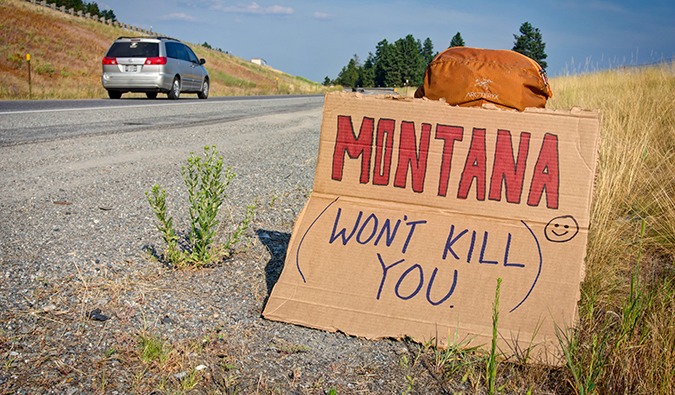
Hitchhiking, the practice of soliciting rides from passing motorists, has historically been a common and often safe mode of transportation in many parts of the world. While its prevalence has varied geographically and over time, it was once a widely accepted and secure way to travel across North America. The perception of hitchhiking as inherently dangerous gained traction in the mid-20th century, partly due to campaigns, such as those allegedly led by the FBI, aimed at discouraging the practice. These campaigns often propagated the notion that hitchhikers were frequently criminals, a narrative that became deeply embedded in public consciousness.

This historical fear, coupled with a broader media narrative emphasizing global insecurity, has contributed to the persistent misconception that hitchhiking is a reckless activity. However, numerous anecdotal accounts and the experiences of seasoned travelers challenge this portrayal. Many individuals, including solo female travelers, have successfully navigated vast distances by hitchhiking, encountering kindness and assistance from strangers. For instance, personal accounts detail successful hitchhiking experiences across the United States, China, and various regions of Europe, the Caribbean, and Central America, often leading to encounters with interesting and helpful people. Like Couchsurfing, safe hitchhiking relies on the application of common sense and situational awareness. This includes noting license plate numbers, carrying a functional mobile phone for emergencies, and, for those who prefer it, traveling with a companion. Crucially, travelers are not obligated to accept a ride from any vehicle that stops; exercising judgment and trusting one’s instincts are paramount to ensuring safety while still benefiting from this economical mode of transport.
Myth #5: Travel is Inherently More Dangerous for Women
While both male and female travelers can encounter risks on the road, women often face a distinct set of challenges that necessitate heightened awareness and caution. However, this does not imply that women should forgo travel or restrict their journeys to exclusively perceived "safe" destinations. The media’s tendency to prioritize negative or sensationalized stories, often characterized by the adage "if it bleeds, it leads," has disproportionately highlighted the dangers faced by female travelers, thereby reinforcing the notion that solo female travel is exceptionally hazardous and should be avoided.
In reality, the statistical likelihood of encountering severe danger while traveling is significantly lower than often portrayed. The sensationalism surrounding isolated incidents can create a distorted perception of risk. Many experienced female travelers and travel bloggers consistently demonstrate that solo travel is not only feasible but also empowering and enriching. The narrative that certain destinations are inherently unsafe for women is often based on anecdotal evidence or outdated information, rather than comprehensive research and current safety assessments. It is important to rely on trustworthy sources and advice from individuals with firsthand experience in the regions being considered. For example, a common concern might be raised about a country with a turbulent past, yet upon thorough research, that same country may be found to be one of the safest in its region, with low crime rates. In fact, crime rates in one’s own hometown can often be comparable to, or even exceed, those in popular travel destinations. The proliferation of independent female travelers exploring diverse global destinations, including remote and less-traveled areas, further validates the safety and viability of solo female travel.
Myth #6: Budget Travel is Exclusively for the Young and Single
A persistent misconception is that budget travel is an activity solely accessible to young, unattached individuals. This notion overlooks the diverse range of people who successfully travel on a budget, regardless of age or relationship status. While it is true that older travelers may seek more comfort and that family travel requires more intricate planning than solo journeys, these factors do not preclude budget-conscious exploration. Age and relationship status are not inherent limitations to experiencing the world affordably.
The travel landscape has evolved to accommodate a wide demographic. Many families and senior citizens are actively engaged in budget travel, utilizing strategies such as backpacking, staying in hostels, or opting for more economical transportation like RVs. The key lies in adapting travel styles to personal needs and preferences. For instance, families might find value in self-catering accommodations and focusing on free or low-cost activities, while older travelers might prioritize efficient planning and strategic booking to maximize value. The abundance of resources and travel styles available today means that age and relationship status should not be perceived as insurmountable barriers to experiencing the joys of travel. The ability to travel on a budget is more about resourcefulness and strategic planning than about demographic characteristics.
Myth #7: Opportunities for Working Overseas are Limited
The idea that working abroad is a complex and often unattainable process, requiring extensive interviews, visas, and polished résumés, is a common deterrent. While obtaining certain types of international employment can be rigorous, this perception does not accurately reflect the reality for many traveler-focused work opportunities. For individuals willing to be flexible about the type of work they undertake, employment can be found in numerous locations worldwide.

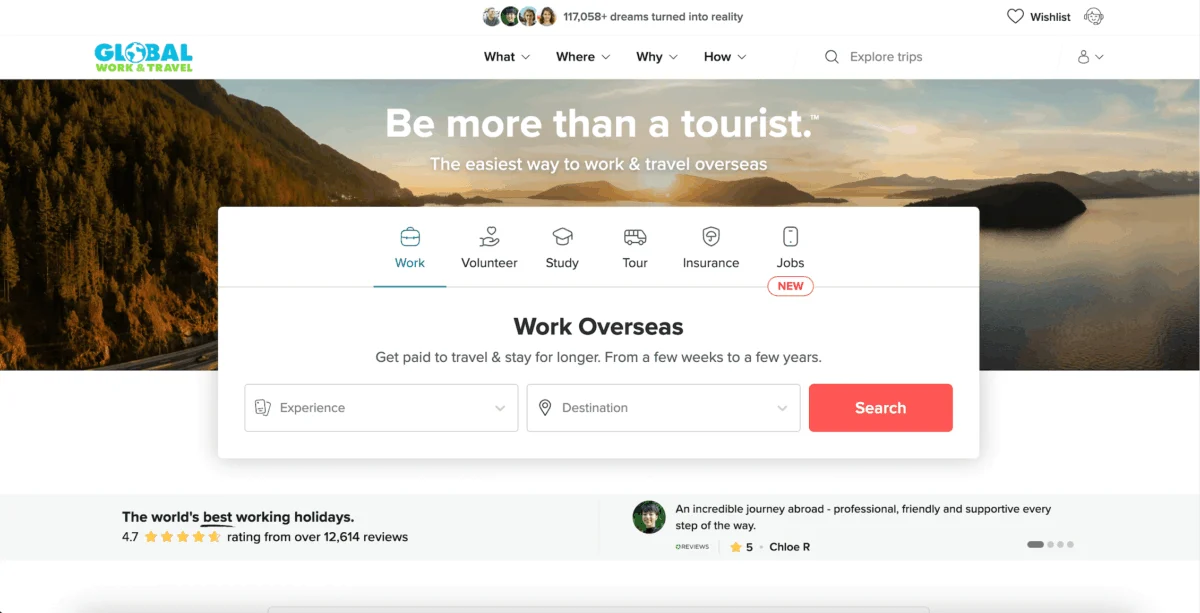
Programs like working holiday visas in countries such as Australia and New Zealand offer accessible avenues for temporary employment. Other options include becoming an au pair, teaching English as a foreign language, or engaging in volunteer work in exchange for room and board. While these positions may not offer high salaries or prestigious titles, their primary benefit is facilitating travel and providing an immersive cultural experience. The tourism industry, along with sectors like hospitality, agriculture, and education, frequently seeks staff, particularly in areas with seasonal tourist influxes. These opportunities, while not leading to significant wealth, provide the means to sustain travel and explore new regions. A wealth of information exists to guide individuals interested in these options, with numerous blog posts and resources detailing how to find work abroad, from seasonal jobs to longer-term contracts.
The Enduring Power of Misconceptions
The persistence of these travel myths can be attributed to decades of ingrained beliefs, fueled by marketing that links travel with expense and media narratives that emphasize global danger. These deeply rooted perceptions create a psychological barrier, leading many to believe that exploring the world is an unattainable dream. However, with diligent research and a willingness to challenge preconceived notions, it becomes clear that traveling the world is far more accessible and safer than commonly believed. The abundance of resources available today empowers individuals to plan affordable and enriching journeys, proving that the world is indeed open to exploration for everyone, regardless of their financial standing or perceived limitations.
Essential Resources for the Modern Traveler
For those ready to embark on their own adventures, a wealth of practical resources can streamline the planning and execution of their trips.
Booking Flights and Accommodation:
Platforms like Skyscanner offer comprehensive flight comparisons, searching a vast array of airlines and websites to secure the best fares. For accommodation, Hostelworld remains a top choice for budget-conscious travelers seeking hostel stays, while Booking.com consistently provides competitive rates for hotels and guesthouses.
Travel Insurance:
Comprehensive travel insurance is an indispensable component of responsible travel, offering protection against unforeseen events such as illness, injury, theft, and trip cancellations. Reputable providers offer peace of mind, ensuring that travelers are covered in case of emergencies.
Leveraging Travel Rewards:
Travel credit cards offer a powerful mechanism for earning points and miles that can be redeemed for free flights and accommodation, effectively reducing travel expenses. Understanding how to select and utilize these cards can unlock significant savings and expand travel opportunities.

Rental Cars and Activities:
For travelers requiring a vehicle, Discover Cars provides a budget-friendly international car rental service, comparing rates across various providers. To enhance travel experiences, Get Your Guide serves as a vast marketplace for booking tours, excursions, and skip-the-line tickets at popular attractions, offering a convenient way to discover and book activities worldwide.
By utilizing these resources and dispelling common travel myths, individuals can confidently plan and undertake journeys that are both affordable and deeply rewarding, transforming the dream of global exploration into a tangible reality.



 Anjar Salim
 Chandra Hamzah
 Tatiana Tantri Indah Sari
 Budi Mulyono
 Lukman Taruna Persada Ramadan
