
 Walid Sujud Trenggono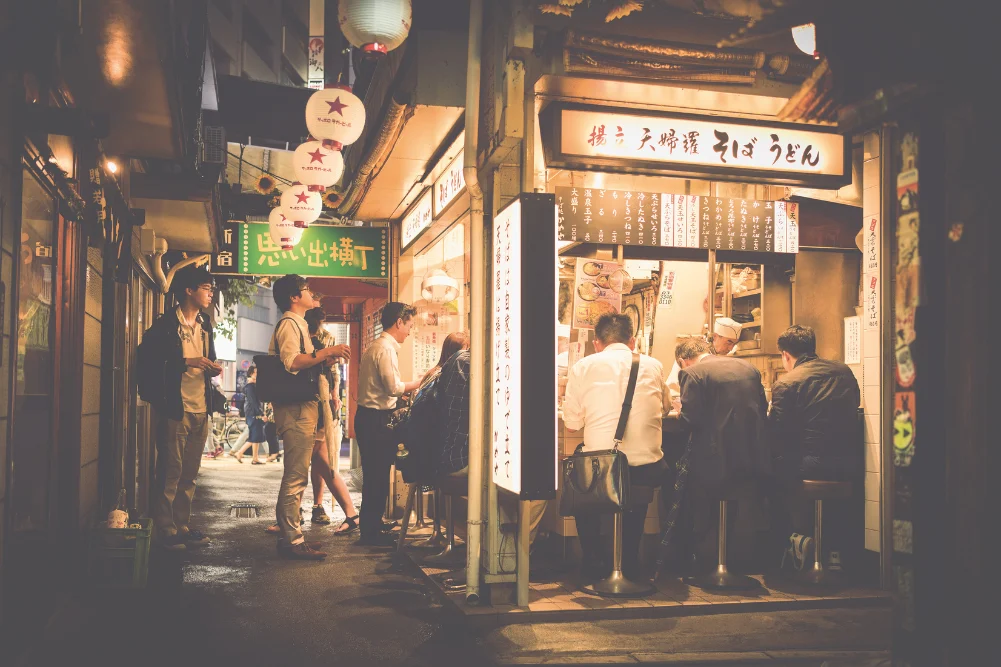
The narrative of modern exploration is often defined by the intersection of personal resilience and geographical challenge. For many expatriates, the act of returning to a childhood home is not merely a sentimental journey but a rigorous test of self-reliance and cultural navigation. This phenomenon is exemplified by the experiences of solo travelers in Japan, a nation where ancient tradition and modern efficiency coexist, often presenting a steep learning curve for those operating outside the traditional societal framework. The following report examines the evolution of solo travel, the complexities of Japanese cultural integration, and the inherent dangers of high-altitude trekking through the lens of a multi-decade engagement with the Japanese archipelago.
The Globalization of the Expatriate Experience: 1982–1990
The early 1980s marked a significant era in the globalization of corporate labor. As multinational corporations expanded their reach into East Asia, the "expat kid" became a distinct demographic subset. During this period, international travel was characterized by a different regulatory and social environment. Aviation history notes that the 1980s were the twilight of the "Golden Age" of flying, where long-haul flights often permitted smoking and offered luxury dining services even in standard cabins.
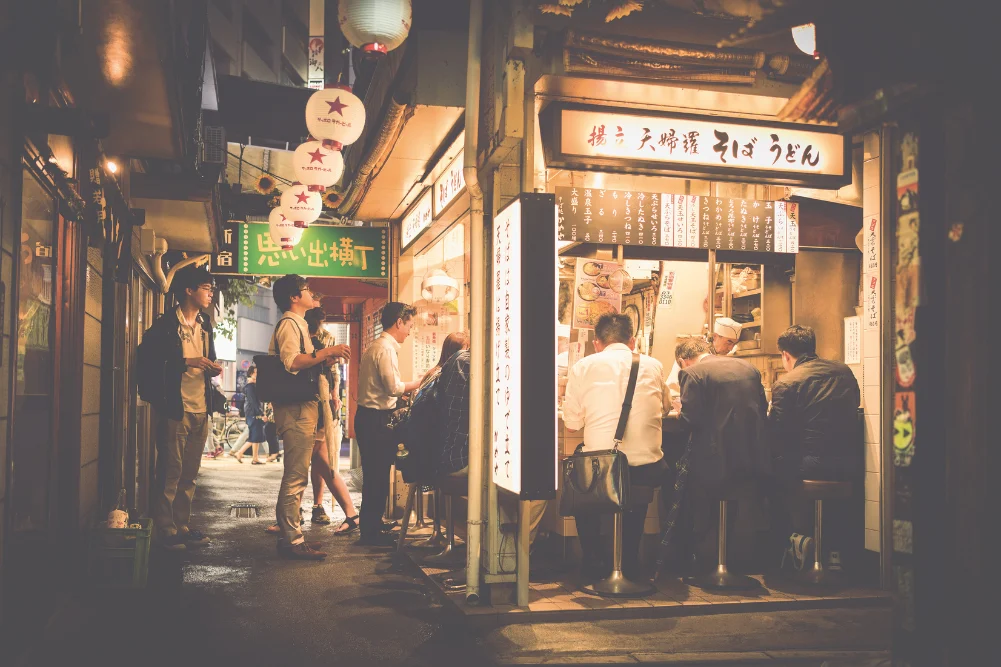
For families relocating to Japan in 1982, the transition was often sudden. Cultural analysts suggest that the "relocation package," frequently involving incentives like accelerated milestones for children—such as the permission to obtain ear piercings or other symbols of maturity—served as a psychological buffer against the "culture shock" of moving to a country perceived as fundamentally different from the West. Tokyo in the early 1980s was a city in transition, balancing its post-war economic miracle with deep-seated historical roots. The sensory experience of the city—the scent of yakitori, the density of the concrete landscape, and the rhythmic cadence of the Japanese language—formed the foundational memories for a generation of international residents.
The Legal and Social Evolution of Solo Female Travel
By the mid-1990s, the landscape of international travel had shifted, yet remnants of 19th-century gender norms persisted in the collective consciousness. Historical data from the mid-1800s indicates that approximately 95 percent of passports were issued to men. Women typically traveled under the protection of their husbands’ documents. It was not until the mid-20th century that solo female travel began to be viewed as a standard pursuit rather than a social anomaly.
The transition from a dependent traveler to a solo explorer represents a significant psychological milestone. For the independent traveler in the 1990s, the act of signing customs forms and managing one’s own passport became a "declaration of independence." This era saw an increase in student exchange programs and senior projects that encouraged young adults to navigate foreign environments without familial supervision. In Japan, this period was marked by the "Lost Decade" of economic stagnation, yet the country remained a beacon for international students and researchers.
Cultural Integration and the "Gaijin" Identity
The Japanese term gaijin, composed of the kanji for "outside" and "person," remains a central concept for foreigners living in Japan. While some perceive the term as exclusionary, cultural sociologists argue it is an objective reflection of a homogenous society with a history spanning thousands of years. For the international intern or worker in Tokyo during the late 1990s, success was predicated on understanding the nuances of wa (harmony) and the strict adherence to business etiquette.
Key components of Japanese professional life include:
- Meishi (Business Cards): The exchange of cards is a ritualized process where the orientation of the card and the degree of the bow signify respect and hierarchy.
- Saving Face: Negotiation in Japan prioritizes the preservation of dignity for all parties, contrasting with the more aggressive tactics often found in Western financial centers.
- Linguistic Softening: Foreigners often report that speaking Japanese requires a shift in temperament—softening tones and reducing physical gestures to align with local social cues.
In the late 1990s, the expatriate workforce in Tokyo was relatively small, and those who achieved proficiency in the language and customs were often viewed as "solo ambassadors" for their home countries.
The Geography of Risk: Mount Fuji and the Aokigahara Forest
Mount Fuji, or Fuji-san, stands at 3,776 meters and is an iconic symbol of Japan. However, its status as a popular tourist destination often belies the physical toll it exacts on unprepared climbers. Each year, between 200,000 and 300,000 people attempt the ascent during the official climbing season (July to early September).
A critical geographical feature of the Mount Fuji region is the Aokigahara Forest, often referred to in folklore and local warnings as the "Forbidden Forest" or the "Sea of Trees." Located at the northwestern base of the mountain, the forest is situated on hardened lava from the major eruption of 864 AD. The high iron content in the volcanic soil is known to interfere with magnetic compasses, making it exceptionally easy for hikers to lose their way if they deviate from marked paths.
Local authorities and seasoned climbers consistently emphasize the following safety protocols:
- Technical Gear: While many tourists attempt the climb in running shoes and plastic ponchos, professional-grade hiking boots and moisture-wicking layers are essential to combat the rapid temperature drops and high winds at the summit.
- Timing: The "one-day climb" is a grueling 10-to-12-hour endeavor. Missing the descent window can lead to being stranded in the forest or on the rocky slopes after dark.
- Station Marking: The use of wooden walking sticks, branded at various stations along the trail, serves as both a navigational aid and a psychological motivator.
Case Study: A Near-Disaster in the Forest
In a documented instance from the late 1990s, two solo travelers attempted a summit of Mount Fuji with minimal preparation. Despite warnings regarding the Aokigahara Forest, the pair proceeded with inadequate footwear and emergency supplies. Upon reaching the crater, the climbers were met with extreme winds—a common occurrence where gusts can exceed 100 km/h—forcing them to "belly-crawl" to the summit.
The descent proved more hazardous than the ascent. The volcanic terrain is notoriously slippery, and the dense fog common to the region can reduce visibility to near zero. The travelers reported a total loss of orientation, a phenomenon consistent with "mountain disorientation" exacerbated by physical exhaustion and knee injuries.
The situation reached a critical point when the climbers were forced to stop as darkness fell. In such scenarios, the risk of hypothermia is high, even in summer months, as temperatures at high altitudes can drop below freezing. The pair was eventually located by a local resident who provided emergency shelter and food—a manifestation of the Japanese concept of omotenashi, or wholehearted hospitality. This intervention likely prevented a formal search and rescue operation, which in Japan can be both costly and logistically complex.
Analysis of Implications: Resilience and Modern Tourism
The transition from a state of "unravelling" to one of "calculated progress" is a central theme in the psychology of survival. Experts suggest that in moments of crisis, the "needle of the compass" must point toward self-trust. The experience of getting lost in a literal or metaphorical "Forbidden Forest" serves as a catalyst for developing resilience—the ability to move forward "one step at a time" despite pain or uncertainty.
In the context of modern travel, this narrative underscores the importance of:
- Preparation: The shift from "bravado" to "technical readiness" is a necessary evolution for the independent traveler.
- Cultural Respect: Heeding the warnings of locals (such as those regarding the Aokigahara) is not just a safety measure but a form of cultural literacy.
- Human Connection: The role of the "kind stranger" or the local community in assisting travelers highlights the universal nature of empathy across linguistic barriers.
Conclusion
The journey of the expatriate returning to Japan is a microcosm of the broader human experience of seeking growth through discomfort. From the "split peas" of 1980s air travel to the "hot poker" of a grueling mountain descent, the path to independence is paved with both missteps and triumphs. Japan remains a unique landscape for this exploration, offering a rigorous environment where the boundaries of one’s capabilities are tested. Ultimately, the "Forbidden Forest" is not merely a place to be feared, but a threshold to be crossed, leading to a deeper understanding of resilience and the power of choosing one’s own path.
As solo travel continues to grow in popularity, particularly among women, the lessons of the late 20th century remain relevant: trust intuition, respect the environment, and recognize that the most insurmountable summits are often those within the mind.


 Anjar Salim
 Chandra Hamzah
 Tatiana Tantri Indah Sari
 Budi Mulyono

