
 Budi Mulyono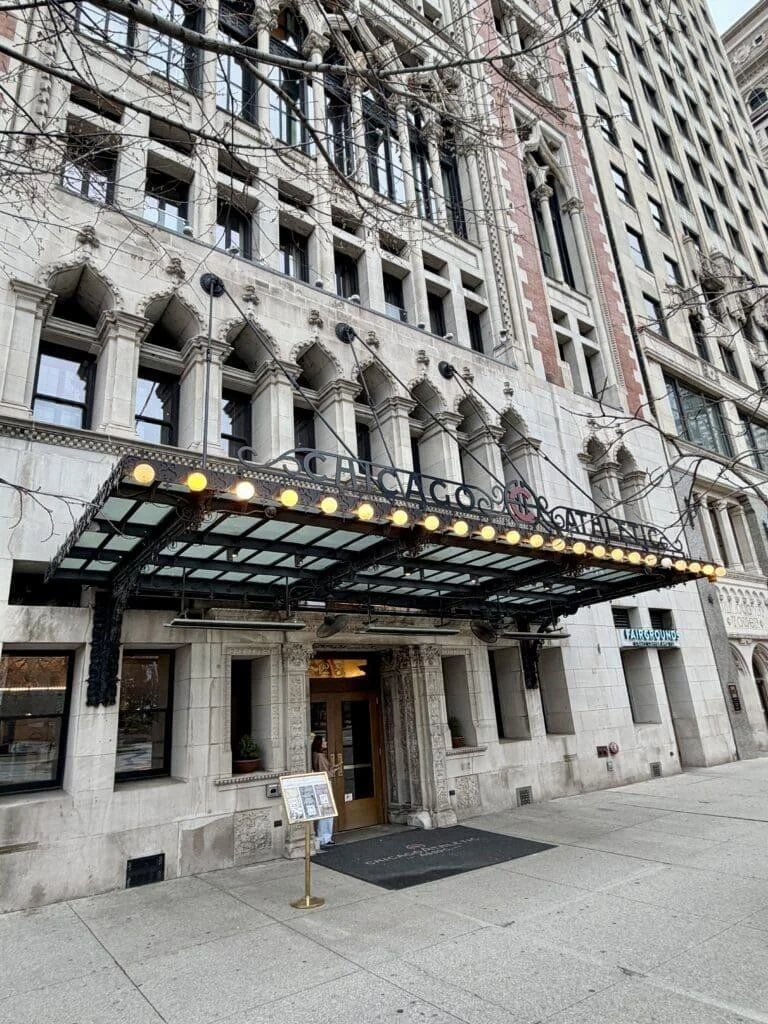
The Strategic Role of "The Edit" by Chase Travel
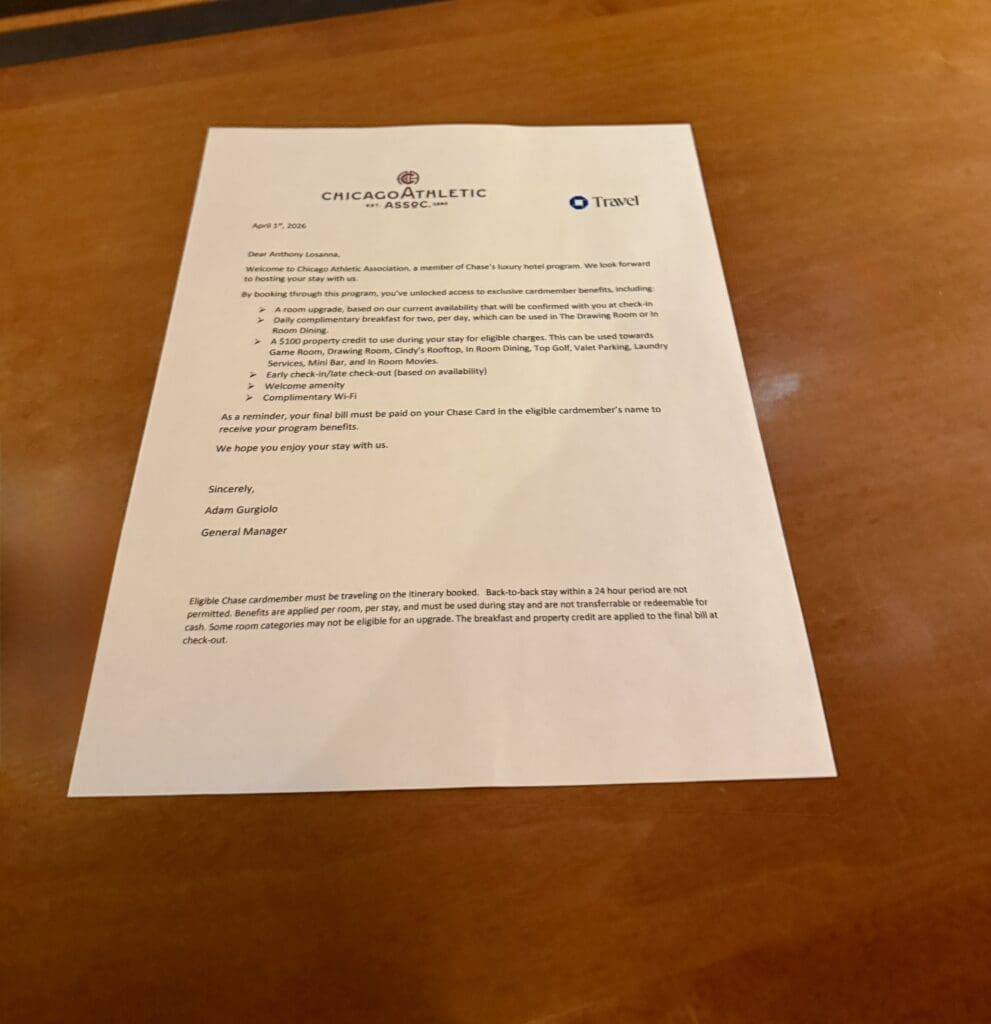
The booking for this stay was executed through The Edit by Chase Travel, a curated collection of luxury hotels available to Chase Sapphire Reserve and Sapphire Preferred cardholders. This platform functions as a direct competitor to American Express’s Fine Hotels + Resorts and Capital One’s Premier Sett. In the evolving landscape of travel loyalty programs, these platforms provide an "overlay" of benefits that often exceed standard elite status perks.
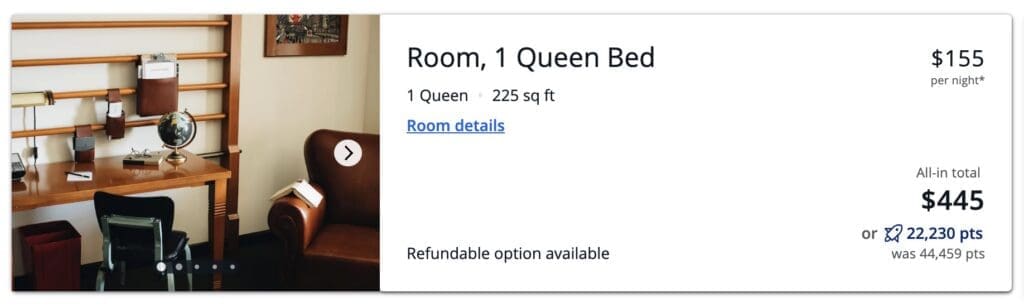
For a nightly rate of $155 plus taxes—consistent with the Hyatt Member Rate—the booking secured several value-added amenities. These included a $100 property credit, daily breakfast for two, a room upgrade based on availability, and early check-in/late check-out privileges. For travelers holding Hyatt Globalist status, these benefits synergize with existing loyalty perks, such as waived resort fees and further suite upgrade priority. Within the Hyatt loyalty ecosystem, the Chicago Athletic Association is classified as a Category 5 property, requiring between 17,000 and 23,000 World of Hyatt points per night for a standard redemption.

Architectural Significance and Location Context
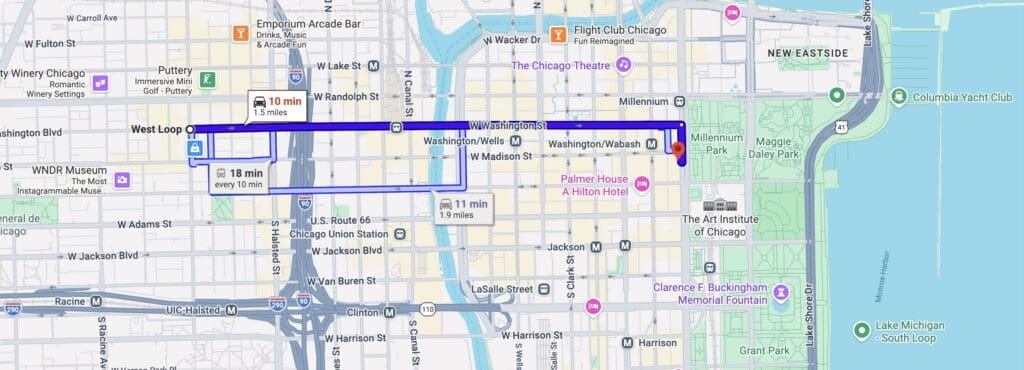
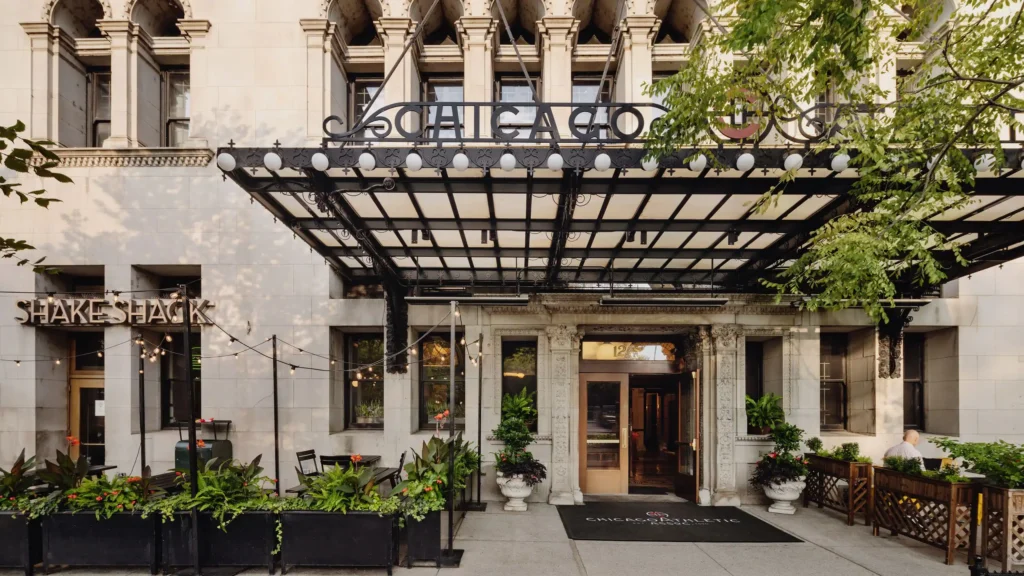
The hotel occupies a prime position in Chicago’s "Loop" district, situated directly across from Millennium Park and the Art Institute of Chicago. This location is a critical driver of the property’s high occupancy rates, as it serves both business travelers requiring proximity to the financial district and tourists visiting the city’s cultural landmarks. Millennium Park, which hosts the iconic "Bean" (Cloud Gate), attracts an estimated 25 million visitors annually, making the hotel’s Michigan Avenue frontage some of the most valuable real estate in the Midwestern United States.
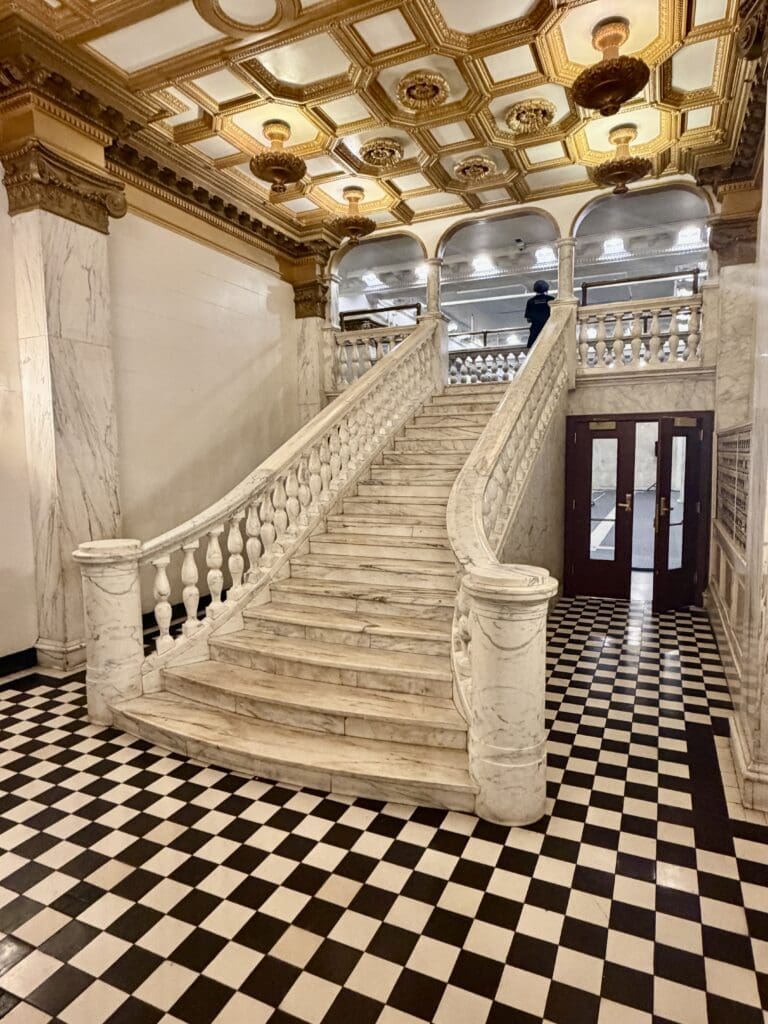
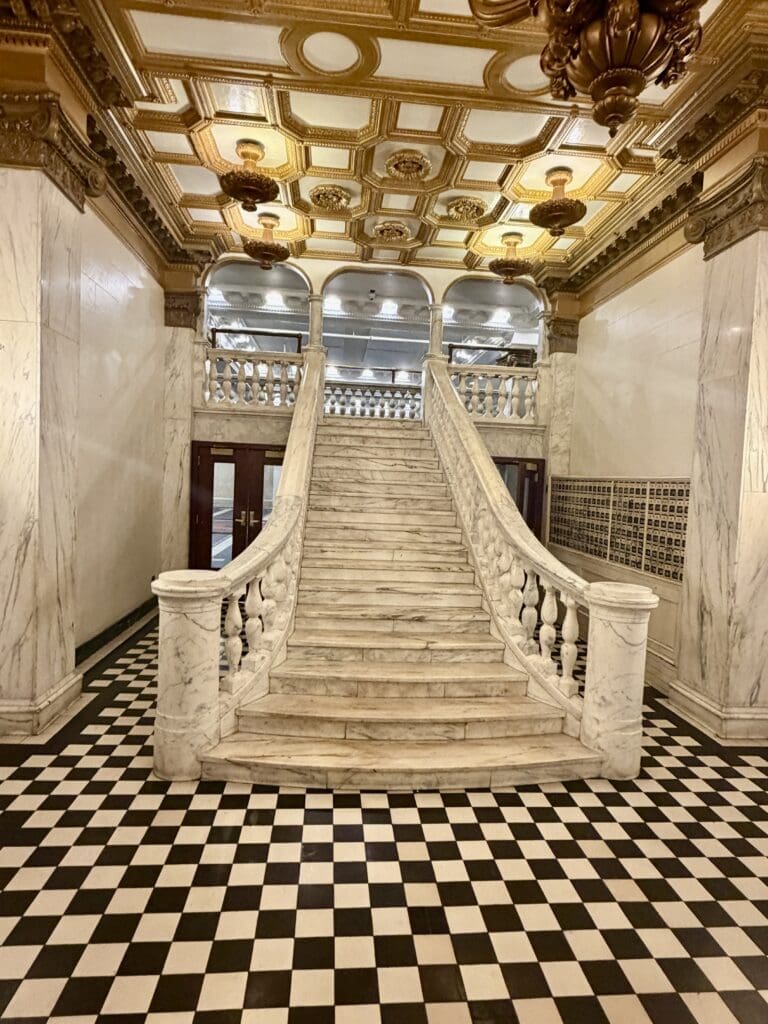
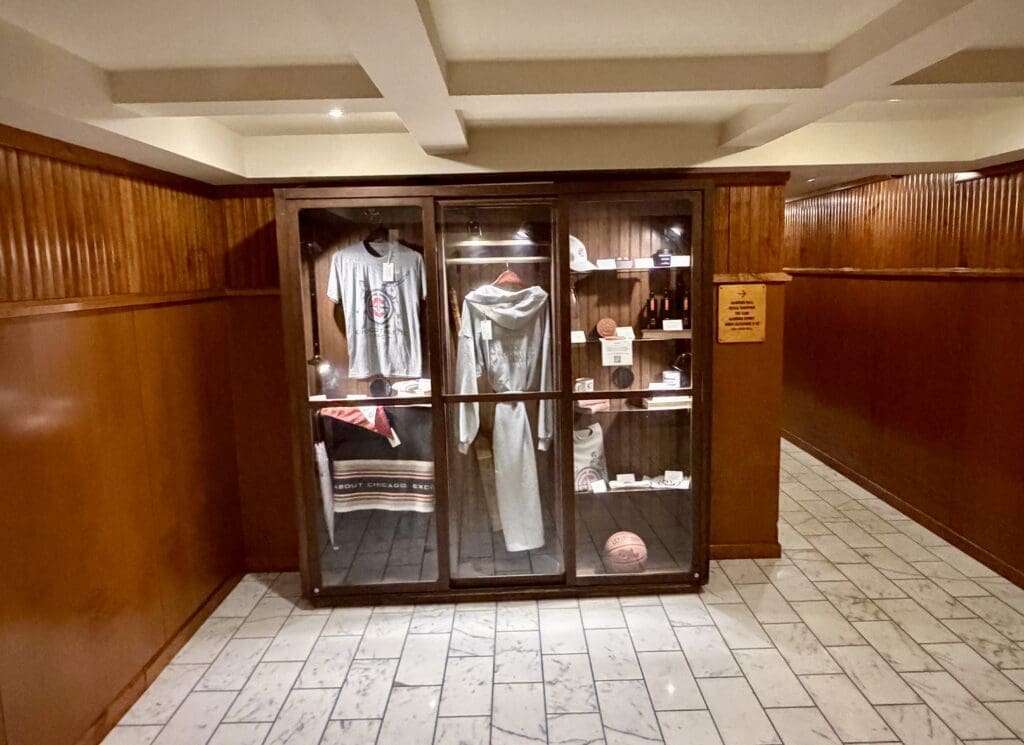
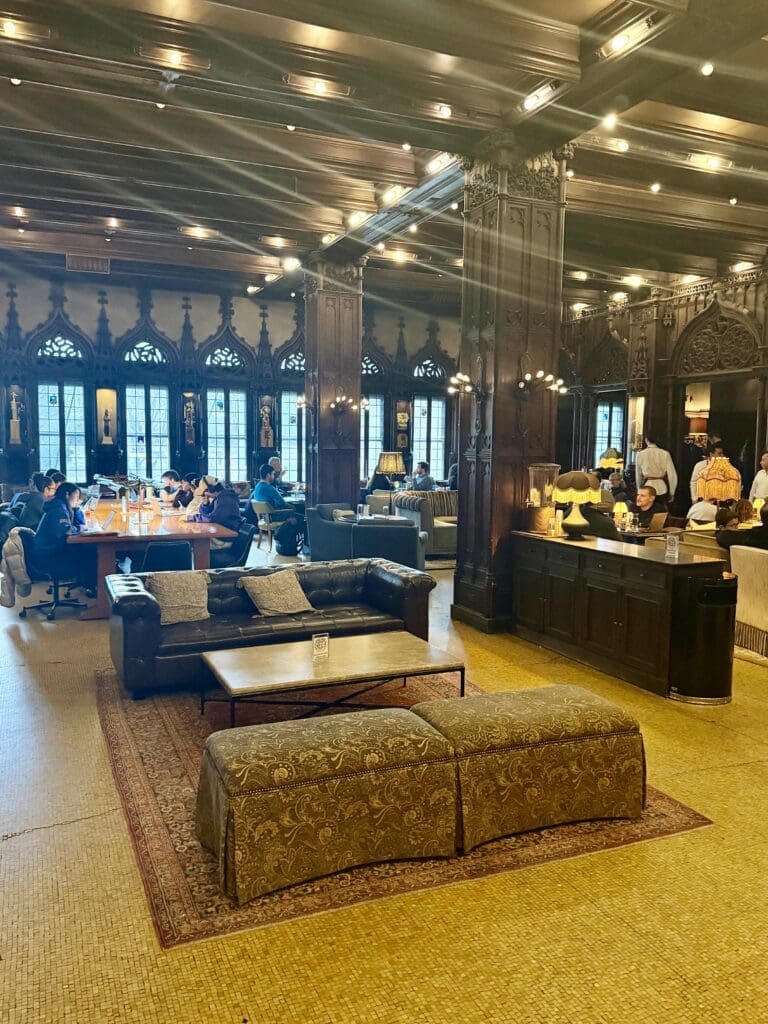
Upon entering the ground floor, guests are met with a grand space that serves as a transitional area between the bustling street and the elevated hotel experience. The ground level features a Shake Shack, an intentional choice by the developers to blend high-concept luxury with accessible, high-traffic retail. The historical preservation is immediately evident in the grand staircase and the intricate woodwork that defines the building’s 19th-century origins. To reach the reception, guests must ascend via elevator to the second-floor lobby, a sprawling space known as the Drawing Room.
Chronology of the Guest Experience
The arrival process began at approximately 5:00 PM. Despite the high-volume nature of the property, the check-in experience was efficient. The front desk staff confirmed an upgrade to a Junior Suite with a Madison Street view, a significant jump from the booked Queen Bed room. This upgrade highlights the tangible value of booking through premium channels like The Edit during periods of lower occupancy.
Accommodations: Junior Suite 701
The Chicago Athletic Association’s rooms are noted for their "varsity-glam" aesthetic, designed by the firm Roman and Williams. Junior Suite 701 is a spacious unit that avoids the cramped footprint common in historic urban hotels. The room layout includes a foyer, a large bedroom area with a king-sized bed, and a dedicated living space.
Design elements pay homage to the building’s athletic club roots, featuring pommel horse-inspired benches at the foot of the bed and "varsity" striped robes. The furniture is a mix of custom-designed pieces and vintage-inspired lighting. The suite’s bathroom maintains the historical theme with white subway tiling, a double vanity, and high-pressure walk-in showers stocked with C.O. Bigelow apothecaries. Notably, the room includes a large window bench overlooking Madison Street, providing a functional space for guests to observe the city’s architectural skyline.
Culinary Offerings and Property Amenities
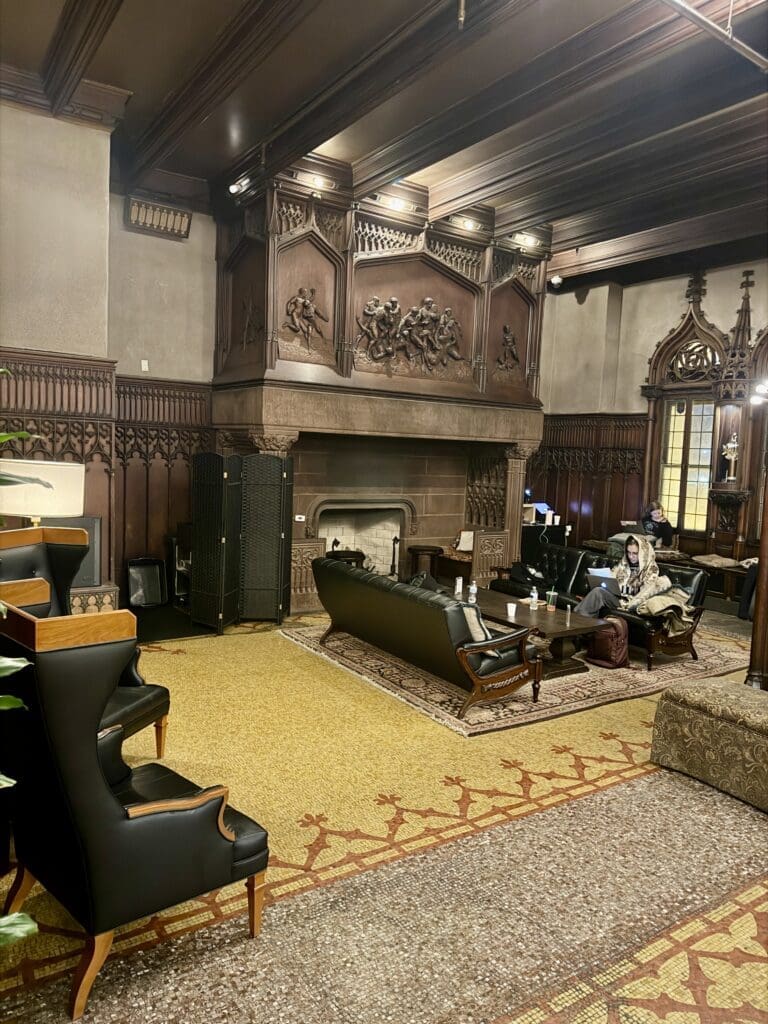
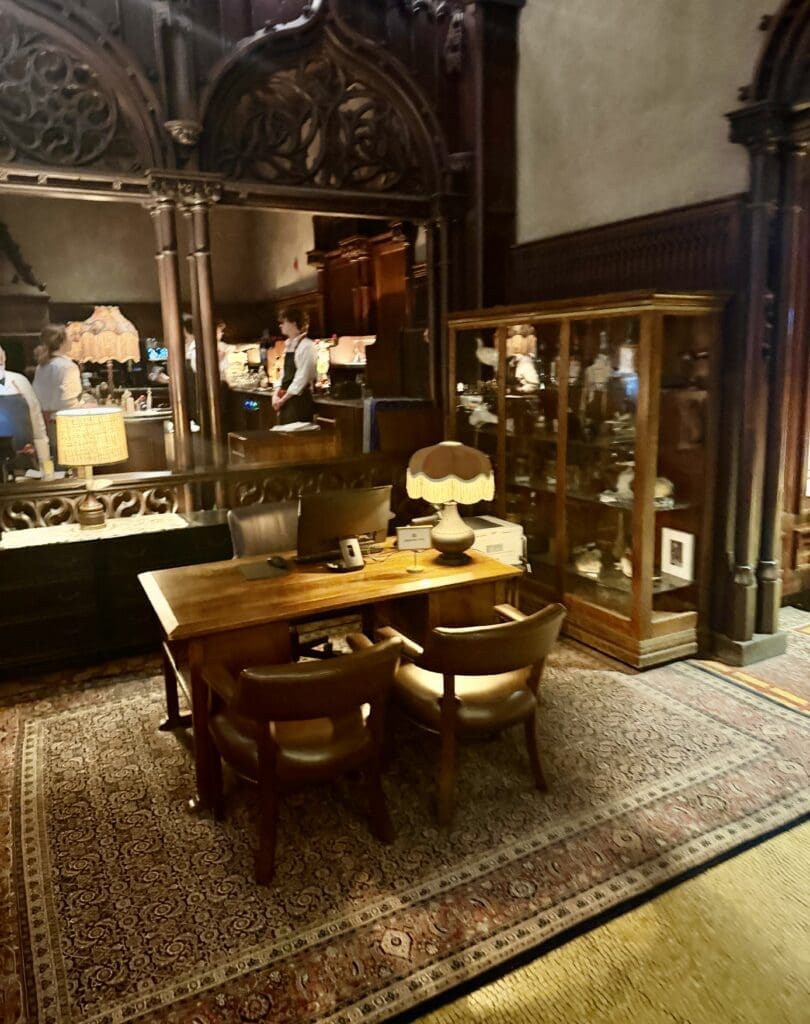
The hotel’s food and beverage program is a major component of its identity. The $100 property credit provided by Chase Travel was utilized at The Drawing Room, the hotel’s expansive second-floor social hub. The Drawing Room is characterized by its three massive stone fireplaces and communal seating, functioning as a "living room" for the city.
The menu in the Drawing Room leans toward elevated pub fare. During this stay, the "Firecracker Shrimp" and "Stracciatella Toast" were noted for their quality, though the main courses—specifically the Roast Beef and Meatball sandwiches—were described as standard. For guests seeking a more refined experience, the hotel houses "Cindy’s," a rooftop restaurant and bar with an outdoor terrace overlooking Lake Michigan and Millennium Park. Cindy’s has become one of Chicago’s most popular destinations, often requiring reservations weeks in advance. Additionally, the property features "Midōsuji," an intimate, eight-seat omakase sushi restaurant, further diversifying the culinary profile.
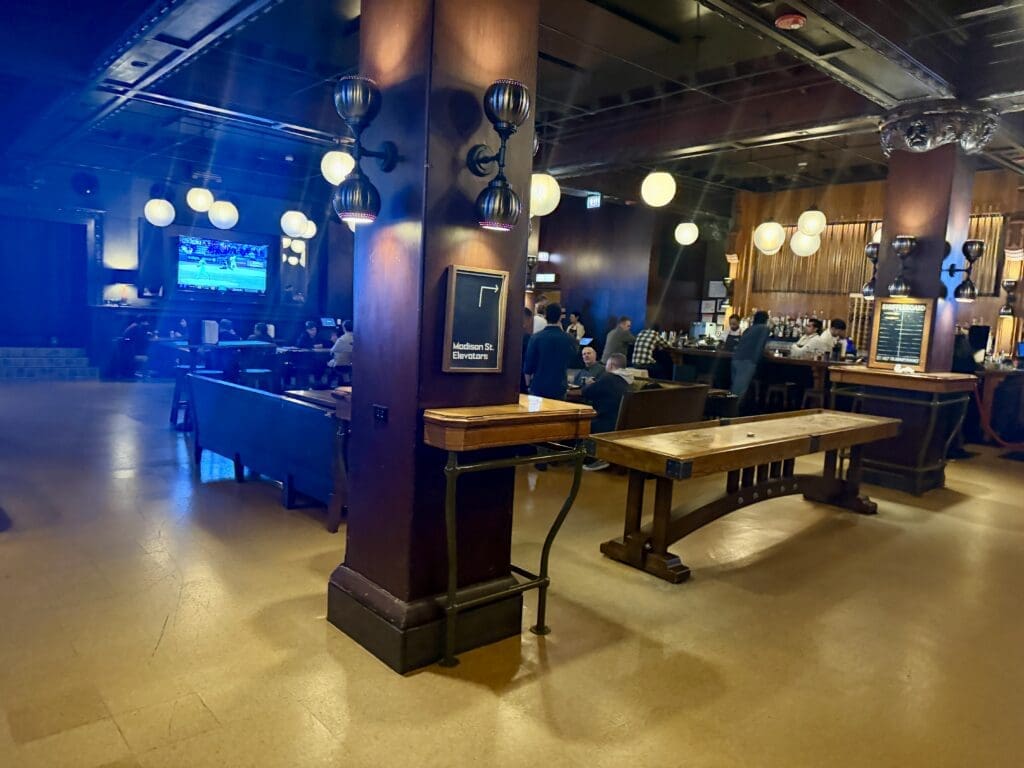
Beyond dining, the property maintains a fitness center equipped with modern machinery, including Peloton bikes, and a unique "Game Room" featuring pool tables, shuffleboard, and a bocce court. One of the most distinctive features of the hotel is the "Stagg Court," an original 19th-century gymnasium that has been preserved and is now used for events and occasionally for roller skating, bridging the gap between the building’s past and its present utility.
Market Analysis and Hospitality Trends
The success of the Chicago Athletic Association reflects a broader trend in the hospitality industry: the rise of the "lifestyle hotel" through adaptive reuse. According to data from STR (Smith Travel Research), hotels that leverage historical significance and unique design often command a RevPAR (Revenue Per Available Room) premium over standardized luxury brands in the same geographic submarket.
Hyatt’s Unbound Collection was launched in 2016 specifically to capture this segment of the market—travelers who seek the reliability of a global loyalty program but the character of an independent boutique hotel. In the Chicago market, the Unbound Collection competes with brands like Marriott’s Autograph Collection and Hilton’s Curio Collection. The Chicago Athletic Association stands out in this field due to the sheer scale of its historical preservation and its integration of local culture into the guest experience.
Official Responses and Service Standards
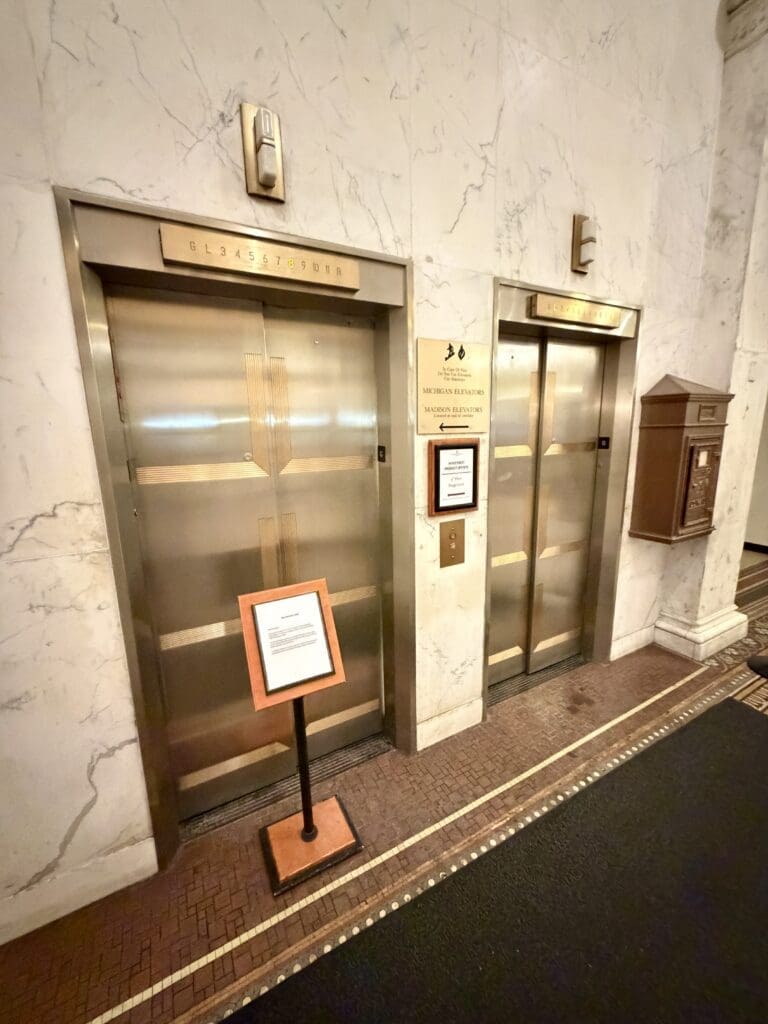
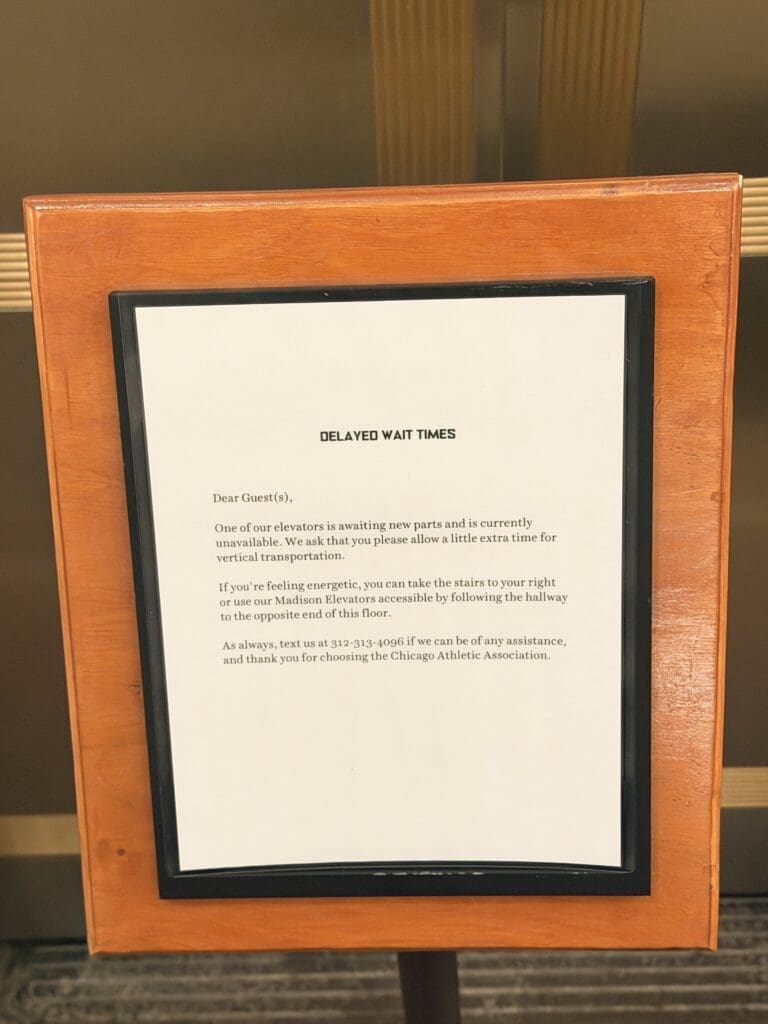
During the stay, service standards were tested by minor infrastructure issues, such as a non-functioning elevator. However, the proactive communication from the front desk staff and the seamless application of the Chase Travel benefits indicated a high level of operational training. Management at Hyatt properties in the Chicago region has recently focused on "experience-led" hospitality to combat the rise of short-term luxury rentals, emphasizing the unique amenities—like the game room and historical tours—that a private residence cannot provide.
Broader Impact and Final Implications
The Chicago Athletic Association serves as a model for how the travel industry can revitalize aging urban infrastructure. By preserving the social and architectural history of the 1890s club while integrating 21st-century technology and luxury perks, the property maintains its relevance in a shifting economy.
For the consumer, the stay demonstrates the efficacy of leveraging high-tier credit card ecosystems. The ability to secure a suite upgrade and $100 in dining credit on a $155 room rate represents a significant return on investment for the traveler. As the hospitality industry continues to recover from the disruptions of the early 2020s, properties that offer a "sense of place" alongside tangible financial value through loyalty partnerships are likely to remain the leaders in the urban luxury sector. The Chicago Athletic Association remains a cornerstone of the Chicago Loop, offering a guest experience that is as much a lesson in history as it is a standard-bearer for modern boutique hospitality.



 Anjar Salim
 Chandra Hamzah
 Tatiana Tantri Indah Sari
 Lukman Taruna Persada Ramadan
