
 Susilo Edi Turonggo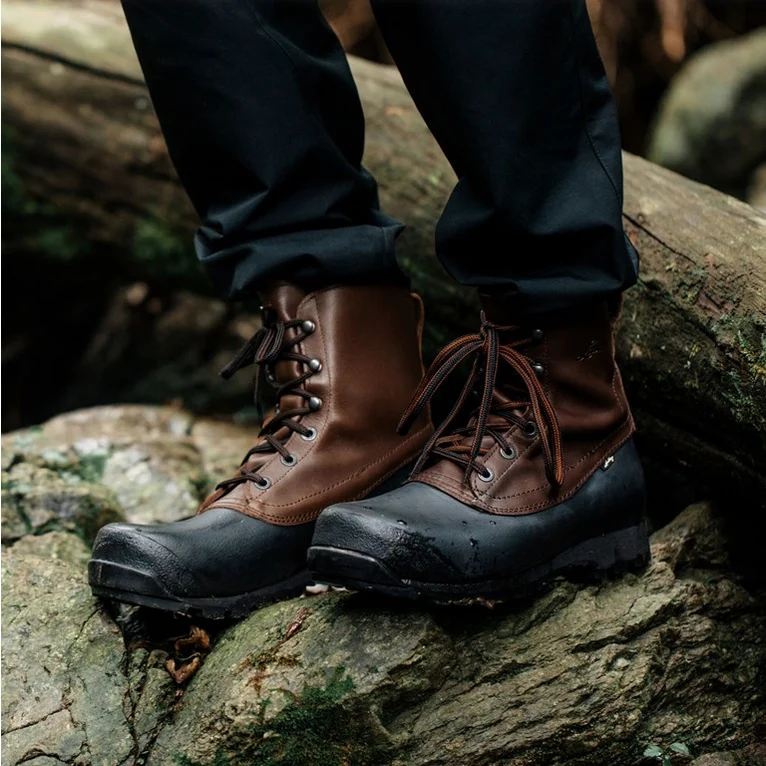
As winter approaches, the demand for robust, weather-resistant footwear escalates, yet a critical conversation has emerged regarding the environmental and health implications of conventional waterproofing technologies. For decades, many winter boots have relied on per- and poly-fluoroalkyl substances (PFAS), often dubbed "forever chemicals," to repel water and stains. However, a growing awareness of these chemicals’ persistence and potential toxicity is driving a significant shift towards truly sustainable and PFAS-free alternatives, ensuring that consumers can stay warm and dry without compromising planetary or personal well-being.
The Pervasive Threat of "Forever Chemicals"
PFAS are a class of thousands of synthetic chemicals used across numerous industries, from aerospace and automotive to food packaging and textiles. In the context of footwear and apparel, they are extensively employed as Durable Water Repellent (DWR) finishes, offering unparalleled performance in waterproofing and stain resistance. This chemical family’s unique properties, particularly the incredibly strong carbon-fluorine bond, make them highly effective in creating a non-stick, water-repellent surface. Consequently, PFAS-based DWRs became the industry standard for outdoor gear, including winter boots designed to withstand snow, slush, and icy conditions.
The moniker "forever chemicals" stems from this very stability. Once released into the environment—whether through manufacturing processes, product use (as microscopic particles flake off boots), or disposal—PFAS do not readily degrade. They persist in soil, water, and air for hundreds, if not thousands, of years, leading to widespread environmental contamination. The U.S. Environmental Protection Agency (EPA) and other global regulatory bodies have extensively documented the presence of PFAS in diverse ecosystems, from remote arctic ice to the tap water of millions of households. Studies by organizations like the U.S. Geological Survey (USGS) have confirmed PFAS contamination in drinking water sources across various regions, highlighting the ubiquitous nature of this environmental challenge.
Beyond environmental persistence, the health implications of PFAS exposure are a profound concern. Research from institutions like the Centers for Disease Control and Prevention (CDC) and the Agency for Toxic Substances and Disease Registry (ATSDR) has linked exposure to certain PFAS compounds with a range of adverse health effects in humans and animals. These include increased cholesterol levels, impacts on the immune system, developmental effects in children, decreased fertility, and an elevated risk of certain cancers, such as kidney and testicular cancer. The insidious nature of PFAS lies in their ability to bioaccumulate in the human body over time, making even low-level, chronic exposure a significant public health issue. For consumers, this means that the waterproof finish on their winter boots could, over time, shed micro-particles that contribute to indoor dust and eventually enter their bodies, adding to their overall chemical burden.
A Chronology of Concern and Industry Evolution
The journey towards widespread recognition of PFAS as a critical environmental and health threat has unfolded over several decades. Initial concerns regarding perfluorooctanoic acid (PFOA) and perfluorooctanesulfonic acid (PFOS), two of the most well-known PFAS compounds, emerged in the late 1990s and early 2000s. Landmark legal cases and scientific studies brought the issue into public discourse, prompting a voluntary phase-out of PFOA and PFOS by major manufacturers in the United States and Europe by the mid-2000s.
However, this initial phase-out often led to the adoption of "short-chain" PFAS alternatives, which, while potentially less bioaccumulative, still retained the persistent and mobile characteristics of their predecessors, continuing the cycle of environmental contamination. Environmental advocacy groups and scientific researchers continued to press for broader restrictions, arguing that the entire class of PFAS chemicals posed an unacceptable risk.
The turning point for the outdoor and fashion industries began to accelerate in the 2010s, as consumer awareness grew, fueled by documentaries, investigative journalism, and reports from non-governmental organizations (NGOs) like Greenpeace and the Environmental Working Group (EWG). Brands faced increasing pressure to innovate and find safer, high-performance alternatives. Many companies, particularly those with a strong sustainability ethos, began to publicly commit to phasing out all PFAS from their products. This commitment wasn’t merely a marketing tactic; it represented a significant investment in research and development to identify and scale new DWR technologies that could meet the rigorous demands of outdoor performance without relying on fluorinated chemicals.
By the late 2010s and early 2020s, the "PFAS-free" label started to become a tangible differentiator in the market, particularly in the outdoor and activewear segments. This shift reflects not only growing consumer demand for healthier, more sustainable products but also a proactive stance by industry leaders to address a complex chemical challenge head-on. Regulatory bodies, too, have intensified their efforts, with the European Union leading the way in proposing comprehensive bans on PFAS, and the U.S. EPA implementing new testing and reporting requirements. This confluence of consumer pressure, scientific evidence, and evolving regulation has created a powerful impetus for change across the global supply chain.
Defining Sustainable, PFAS-Free Winter Boots: Key Criteria
For consumers seeking winter boots that are both effective and ethically sound, understanding the criteria for true sustainability extends beyond simply avoiding PFAS. A holistic approach considers materials, manufacturing processes, supply chain transparency, and product longevity.
-
PFAS-Free Waterproofing: This is the foundational requirement. Brands must explicitly state that their waterproofing finishes are "PFAS-free," "PFC-free," or "free of fluorinated chemicals." Without such a declaration, it is prudent to assume the presence of these chemicals. Innovations in non-fluorinated DWRs, often based on silicone or wax, are now capable of providing excellent water resistance.
-
Safe & Sustainable Materials:
- Leather: For naturally water-resistant options, certified leather is a strong choice. Look for certifications from the Leather Working Group (LWG), which audits tanneries for environmental performance, including water and energy usage, waste management, and chemical use. LWG certification ensures that leather production adheres to stringent environmental standards, reducing the footprint associated with traditional tanning.
- Recycled Materials: Many sustainable boots incorporate recycled polyester, nylon, or rubber. Certifications like the Global Recycled Standard (GRS) are crucial for verifying the actual recycled content and ensuring responsible production processes throughout the supply chain. This reduces reliance on virgin resources and diverts waste from landfills.
- Bio-based and Vegan Alternatives: The market is also seeing an emergence of innovative bio-based leathers (e.g., made from corn, apple waste, or mushrooms) and recycled synthetic materials. For vegan options, it is important to ensure that the "vegan leather" is not simply virgin plastic, but rather a more sustainable, often recycled or bio-based, alternative.
- Chemical Management: Beyond PFAS, brands committed to sustainability will often adhere to a Restricted Substances List (RSL) and seek certifications like bluesign®. The bluesign® standard ensures that products are made with environmentally safe chemicals and processes from the very beginning of the manufacturing chain, minimizing impacts on workers, consumers, and the environment.
-
Transparent Supply Chain: Ethical production is paramount. Sustainable brands provide transparency regarding their manufacturing facilities, from raw material sourcing to final assembly. Look for companies that:
- Share factory locations: This allows for greater scrutiny and accountability.
- Uphold a robust Code of Conduct: This document outlines labor standards, fair wages, safe working conditions, and environmental practices for their suppliers.
- Partner with organizations like the Fair Wear Foundation (FWF): FWF works to improve labor conditions in the garment and textile industry through auditing, training, and remediation programs.
- Conduct regular audits: Independent audits of Tier 1 and Tier 2 suppliers (and ideally deeper into the supply chain) are essential to ensure compliance with ethical and environmental standards.
-
After-Market Repair & Longevity: The most sustainable product is one that lasts. Brands committed to longevity design their boots for durability and offer services to extend their lifespan. This can include:
- Replacement parts: Offering readily available components like laces, insoles, or even soles.
- Repair services: Providing in-house repair shops or partnering with authorized repair centers to mend damaged boots.
- Design for disassembly: Creating products that can be easily taken apart for repair or eventual recycling.
- Care guides: Educating consumers on how to properly maintain their boots to maximize their lifespan.
Leading the Charge: Brands Paving the Way
A growing number of brands are demonstrating leadership in the production of sustainable, PFAS-free winter boots, catering to diverse consumer needs from heavy-duty outdoor adventurers to urban commuters seeking stylish yet protective footwear. These companies exemplify the industry’s evolving commitment to environmental stewardship and consumer well-being.
-
Keen: A pioneer in the PFAS-free movement, Keen was one of the first outdoor footwear brands to entirely eliminate perfluorinated chemicals from its DWR treatments. The brand not only achieved this internally but also transparently shared its development process with the wider industry, fostering a collaborative approach to sustainability. Keen’s winter boot collection features robust, comfortable designs utilizing PFAS-free DWR and leather sourced from LWG-certified tanneries. Their commitment extends to their manufacturing practices, with a significant portion of their products made in their own audited factories, ensuring adherence to strict codes of conduct across their Tier 1 and 2 suppliers. This proactive stance underscores their dedication to both performance and planetary health.
-
Jack Wolfskin: This German outdoor brand has established itself as a leader in innovative, earth-conscious gear. Jack Wolfskin’s winter boots incorporate their proprietary Texapore technology, a PFAS-free membrane that delivers reliable water and wind protection. The brand’s commitment to transparency is evident in its publicly listed supply chain partners, all of whom are either bluesign®-approved or demonstrate rigorous chemical management, ensuring the absence of hazardous substances. Regular independent inspections further reinforce their dedication to safe and fair working conditions, reflecting a comprehensive approach to ethical manufacturing.
-
Lundhags: With a heritage dating back to 1932, Swedish brand Lundhags epitomizes durability and repairability. Specializing in high-quality leather boots, Lundhags emphasizes a short supply chain, manufacturing its boots in Europe with leather sourced from a German tannery. Their unique shell, one-layer, and three-layer boot constructions are designed for longevity, and critically, the brand operates an in-house repair shop. This after-market service significantly extends the lifespan of their products, aligning perfectly with circular economy principles. Lundhags operates under the Brav code of conduct, ensuring ethical factory working conditions.
-
Vaude: Another German stalwart in sustainable outdoor gear, Vaude offers winter boots featuring a water and wind-proof PFAS-free membrane made from recycled polyester. They prioritize local sourcing, utilizing leather uppers from a German tannery, thereby reducing transportation emissions and supporting regional economies. Vaude’s transparency is commendable, with manufacturing locations often detailed on individual product pages. Furthermore, the brand is a strong advocate for product longevity, providing readily available, affordable replacement parts and offering comprehensive full-service repair options to its customers, demonstrating a commitment that spans the entire product lifecycle.
-
Forsake: Blending style with outdoor functionality, Forsake provides LWG-certified waterproof boots ranging from sneaker-boots to heeled hiking styles. The brand operates under a parent group that enforces a stringent code of conduct for all suppliers and conducts regular audits to ensure compliance. While their commitment to ethical sourcing for materials like leather is clear, consumers may wish to inquire further about the sourcing of components like memory foam insoles to gain a complete picture of their material footprint.
-
EcoAlf: As a certified B-Corp, EcoAlf stands out for its commitment to sustainability, particularly in its use of recycled materials. Their vegan, PFAS-free boots are crafted from GRS-certified recycled polyester and a combination of new and recycled rubber. EcoAlf’s dedication to supply chain visibility extends to Tier 3, showcasing their effort to understand and manage the impacts of their raw materials and manufacturing processes. While they track a significant portion of their supply chain, further clarity on the very initial sourcing of all raw materials would enhance their transparency even further.
-
Will’s Vegan Store: This brand champions ethical vegan footwear, with products manufactured in Italy and Portugal using innovative bio-based leathers and recycled polyester insulation. Will’s Vegan Store meticulously traces every step of its production process to ensure sustainable and ethical practices. While many of their waterproof shoes boast PFAS-free uppers, consumers are advised to verify this detail in individual product descriptions, as not all waterproof offerings may share this specific attribute. The brand’s reliance on unspecified "vegan leather" for some models warrants consideration, as the sustainability profile of such materials can vary widely.
-
Poppy Barley: Focusing on stylish and comfortable footwear, Poppy Barley offers LWG-certified water-resistant ankle and calf-length boots. The brand emphasizes ethical production, with audited factories located in Europe and Mexico. Consumers should note that while many of their boots are LWG-certified, it’s prudent to check individual product pages to confirm the sustainable sourcing of materials for specific models, ensuring alignment with their personal sustainability criteria.
-
REI Used Gear: For the environmentally conscious consumer, platforms like REI Used Gear offer an invaluable avenue for acquiring discounted winter boots from a variety of brands, thereby extending product lifespans and reducing waste. While REI itself is actively working to eliminate PFAS from its proprietary products, the "Used Gear" platform includes items from numerous brands. Therefore, individuals seeking strictly PFAS-free options must diligently review the product details of each listing, as not all pre-owned items will necessarily meet this specific criterion. This option highlights the broader circular economy approach to sustainable consumption.
Broader Implications for Consumer Choice and Policy
The shift towards PFAS-free winter boots signifies a critical turning point in consumer awareness and industry responsibility. It underscores the power of informed consumer choice in driving market transformation. As more individuals prioritize health and environmental impact alongside performance and style, brands are compelled to innovate and adopt cleaner manufacturing practices. This trend is not confined to footwear but extends across the entire outdoor and fashion industries, pushing for greater transparency and accountability.
On a policy level, the growing scientific consensus on PFAS risks is accelerating regulatory actions worldwide. The European Chemicals Agency (ECHA) and the U.S. EPA are at the forefront of developing comprehensive strategies to restrict and eventually ban the production and use of these chemicals. These regulatory frameworks will undoubtedly shape the future of manufacturing, encouraging further investment in green chemistry and sustainable material science.
The implications for the sustainable fashion movement are profound. The challenges presented by PFAS have spurred collaboration between brands, material innovators, and environmental organizations, leading to the development of safer, high-performance alternatives. This collaborative spirit is essential for tackling other complex sustainability issues within the industry, from microplastic pollution to ethical labor practices.
In conclusion, the journey to find the perfect pair of winter boots is now intertwined with a deeper commitment to planetary and personal health. By choosing PFAS-free, sustainably made footwear from transparent brands, consumers are not merely making a purchase; they are actively participating in a global movement towards a healthier, more responsible future for fashion and beyond. The imperative for change is clear, and the industry’s response, driven by innovation and ethical considerations, offers a promising path forward for enduring warmth and protection without enduring harm.



 Anjar Salim
 Chandra Hamzah
 Tatiana Tantri Indah Sari
 Budi Mulyono
 Lukman Taruna Persada Ramadan
